In an era where people spend over 90% of their time indoors, the quality of indoor air has become a growing concern. Poor ventilation, off-gassing from furniture, and pollutants from cleaning products can degrade the air we breathe. As awareness grows, many turn to houseplants as a natural solution—beautiful greenery that supposedly purifies the air. But is this more than just wishful thinking? Are indoor plants genuinely improving your air quality, or are they merely decorative accessories with a health halo?
The idea that houseplants clean indoor air gained widespread popularity after a 1989 NASA study suggested certain plants could remove volatile organic compounds (VOCs) like benzene, formaldehyde, and trichloroethylene. Since then, the narrative has been repeated across media, marketing, and wellness circles. Yet, recent scientific scrutiny reveals a more nuanced reality—one that balances legitimate benefits with practical limitations.
The Science Behind Plants and Air Purification
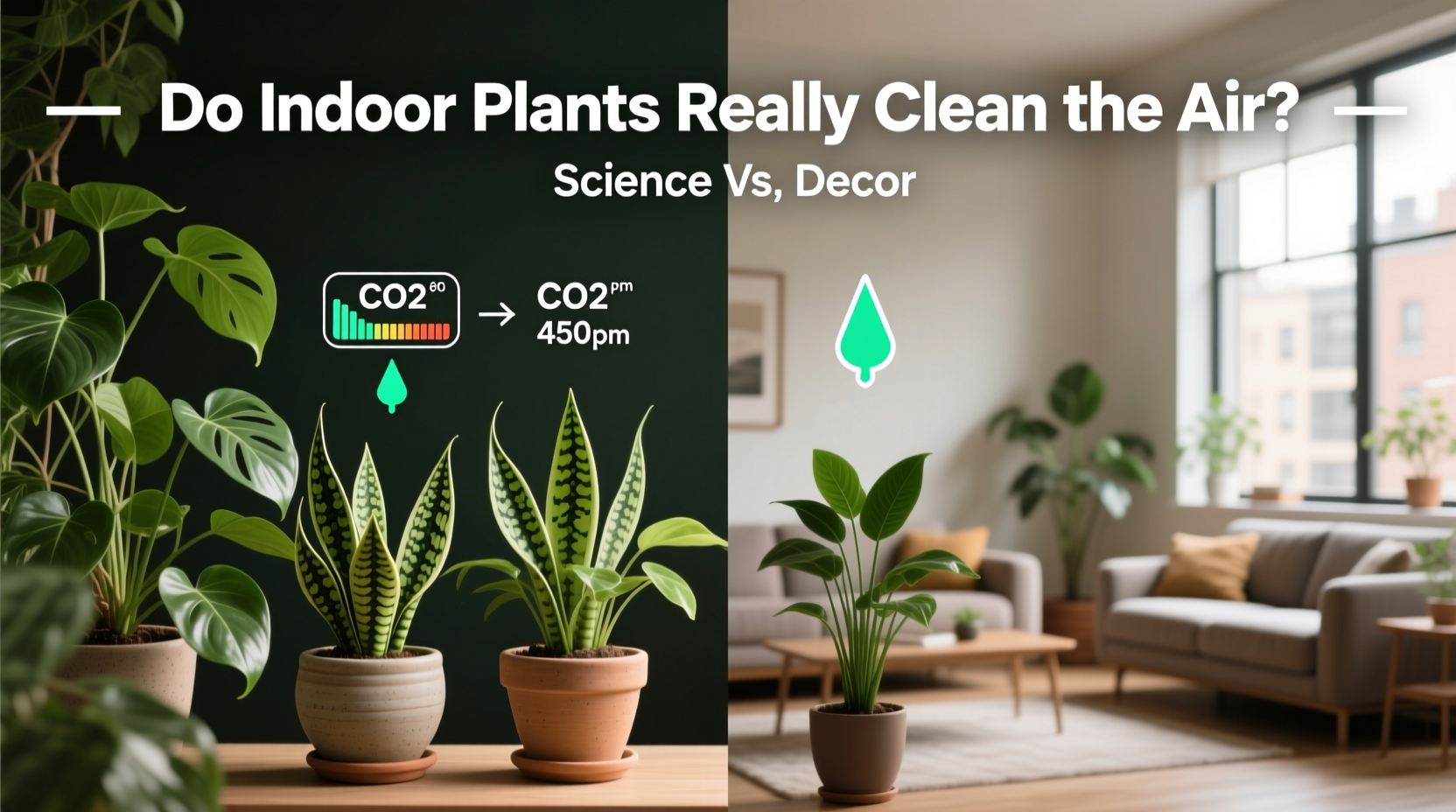
The foundational research often cited comes from NASA’s Clean Air Study, which tested how effectively common houseplants could remove toxins in sealed chambers. The results were promising: species like peace lilies, snake plants, and spider plants showed measurable reductions in VOCs. However, these experiments were conducted in small, airtight enclosures with high concentrations of pollutants—conditions far removed from typical homes.
Subsequent studies have questioned whether those results translate to real-world settings. A 2019 review by Michael Waring and Bryan Cummings analyzed over a dozen follow-up experiments and concluded that while plants do absorb some pollutants, the rate is so slow that you’d need hundreds of plants per square meter to achieve meaningful air purification in a standard room.
“While plants can technically remove VOCs, their impact in actual buildings is negligible compared to ventilation.” — Dr. Michael Waring, Associate Professor of Architectural Engineering, Drexel University
In other words, opening a window or running an HVAC system moves far more air—and removes more contaminants—than any number of potted plants ever could. Plants contribute through passive biological processes, but their effect is dwarfed by mechanical airflow.
What Indoor Plants Actually Do for Air Quality
Despite the limitations, dismissing plants entirely would overlook several subtle yet valuable contributions:
- Humidity Regulation: Through transpiration, plants release moisture into the air, which can help maintain healthy humidity levels (ideally between 30–50%). This is especially beneficial in dry climates or heated indoor spaces during winter.
- Carbon Dioxide Reduction: During daylight, plants absorb CO₂ and release oxygen via photosynthesis. While the volume is minimal in a home setting, it contributes marginally to air freshness.
- Particulate Trapping: Some evidence suggests plant leaves can capture dust and airborne particles, though regular cleaning of leaves is required to sustain this effect.
- Psychological Benefits That Influence Perception: Even if air isn’t objectively cleaner, being around greenery reduces stress and enhances focus—factors that make people *feel* like the air is better.
Best Plants for Marginal Air Improvement and Low Maintenance
If you're choosing plants for both aesthetic appeal and modest environmental benefit, some species stand out due to resilience and slight advantages in air interaction.
| Plant Name | Air Interaction Benefit | Care Level | Notes |
|---|---|---|---|
| Snake Plant (Sansevieria) | Releases oxygen at night; absorbs CO₂ | Low | Great for bedrooms; tolerates low light and infrequent watering |
| Peace Lily (Spathiphyllum) | Moderate VOC absorption; increases humidity | Medium | Thrives in shade; toxic to pets if ingested |
| Spider Plant (Chlorophytum comosum) | Removes formaldehyde and xylene in lab settings | Low | Safe for pets; propagates easily |
| Pothos (Epipremnum aureum) | Effective in controlled toxin removal | Low | Grows quickly; avoid overwatering |
| Aloe Vera | Releases oxygen at night; may reduce airborne microbes | Low-Medium | Requires bright light; gel has topical uses |
These plants won’t transform your indoor air quality, but they offer incremental improvements when combined with good ventilation and clean habits.
Real-World Case: Office Air Quality Experiment
In 2021, a mid-sized tech startup in Portland, Oregon, introduced 36 indoor plants across its open-plan office in response to employee complaints about stuffiness and headaches. The layout included one plant per two employees, mostly snake plants and pothos in shared desks and breakout areas.
Over three months, the company monitored self-reported well-being and used portable air sensors to track CO₂ and VOC levels. While objective air measurements showed no significant change in pollutant concentration, employee surveys revealed a 42% increase in perceived air freshness and a 30% reduction in reported fatigue.
Interestingly, productivity metrics improved slightly—not necessarily due to cleaner air, but because staff felt more relaxed and engaged with the greener environment. The experiment highlighted a key insight: even if plants don’t drastically alter air chemistry, their presence influences human experience in meaningful ways.
Step-by-Step Guide to Maximizing Indoor Plant Benefits
To get the most out of your indoor plants—whether for air quality, mood, or aesthetics—follow this practical sequence:
- Assess Your Space: Determine light availability, humidity, and foot traffic. North-facing rooms get less light; bathrooms offer higher humidity ideal for ferns.
- Choose the Right Plants: Match species to your environment. Low-light areas suit snake plants and ZZ plants; sunny windowsills favor succulents and herbs.
- Optimize Placement: Group plants to create microclimates that boost humidity. Avoid overcrowding, which can promote mold or pests.
- Maintain Regular Care: Dust leaves monthly to preserve photosynthetic efficiency. Replace soil every 1–2 years to prevent compaction and nutrient loss.
- Combine with Real Air Solutions: Use plants alongside HEPA filters, carbon-activated air purifiers, and routine ventilation. Open windows daily when outdoor air quality permits.
- Monitor and Adjust: Watch for yellowing leaves (overwatering), brown tips (dry air), or leggy growth (insufficient light). Rotate pots periodically for even growth.
Common Misconceptions About Houseplants and Air Quality
Several myths persist despite contrary evidence:
- Myth: One plant per 100 sq ft will clean your air. This rule of thumb lacks scientific backing. The density needed for measurable filtration is impractical in most homes.
- Myth: Plants eliminate mold or allergens. In fact, overwatered plants or damp soil can encourage mold growth, worsening air quality.
- Myth: All green plants significantly produce oxygen indoors. Net oxygen production is minimal, especially at night when respiration dominates.
Understanding these misconceptions helps set realistic expectations. Plants should complement—not replace—proven air quality strategies.
Checklist: Using Plants Wisely for Healthier Indoor Spaces
Use this checklist to integrate plants effectively without overestimating their role:
- ☐ Choose low-maintenance, non-toxic species if you have pets or kids
- ☐ Prioritize ventilation—open windows or use exhaust fans regularly
- ☐ Pair plants with an air purifier for actual pollutant removal
- ☐ Keep plant soil well-drained to prevent mold and gnats
- ☐ Dust leaves every few weeks to maintain surface function
- ☐ Avoid overcrowding plants in small rooms
- ☐ Monitor humidity, especially in winter, and adjust plant placement accordingly
Frequently Asked Questions
Can indoor plants reduce carbon monoxide levels?
No. Carbon monoxide (CO) is not effectively absorbed by plants. This dangerous gas requires detection via CO alarms and mitigation through proper appliance maintenance and ventilation.
Do plants help with allergies?
Not directly. While some plants may trap dust, they don’t filter allergens like pollen or pet dander. Overwatered plants can even contribute to mold spores, potentially worsening allergy symptoms. For allergen control, HEPA filters and regular cleaning are far more effective.
How many plants do I need to see a real difference in air quality?
Based on current research, you’d need approximately 10–100 plants per square meter to match the air-cleaning capacity of standard ventilation—making it impractical for homes. A few well-chosen plants enhance ambiance and provide minor benefits, but shouldn’t be relied upon for air purification.
Conclusion: Beauty Meets Modest Function
Indoor plants are not the air-purifying powerhouses they’re often made out to be. Scientific evidence shows their direct impact on indoor air quality is minimal in real-world conditions. However, reducing their value to mere decoration undersells their broader role in creating healthier, more pleasant living environments.
Plants contribute through subtle mechanisms—modulating humidity, absorbing trace gases, and supporting mental well-being. They connect us to nature in built environments, reduce stress, and foster routines of care and mindfulness. When integrated thoughtfully alongside proven solutions like air purifiers and proper ventilation, they become part of a holistic approach to indoor wellness.
Rather than viewing plants as filters, consider them allies in biophilic design—elements that enrich human experience beyond measurable data. Their true value lies not in liters of purified air, but in the quiet comfort of green life thriving alongside us.
💬 Have you noticed a difference in your space since adding plants? Share your experience or favorite low-maintenance species in the comments below—we’d love to hear what works in real homes.








