
Winter driving presents a unique set of challenges—icy roads, reduced visibility, and the jarring discomfort of sitting on a freezing car seat. While modern vehicles often come with heated seats, many drivers still face frigid mornings in older models or budget-friendly cars lacking this luxury. Enter the heated car seat cushion: an affordable aftermarket solution promising warmth, comfort, and improved circulation during cold commutes. But are they truly worth the investment? For frequent drivers, commuters, or those with health concerns exacerbated by cold, the answer may be more nuanced than a simple yes or no.
Heated seat cushions have evolved from niche gadgets to mainstream accessories, available in various designs, materials, and price ranges. From USB-powered models to 12V adapters compatible with car outlets, these devices aim to deliver targeted heat where it’s needed most. But beyond immediate comfort, do they offer measurable benefits? And what about safety, durability, and long-term value?
How Heated Seat Cushions Work
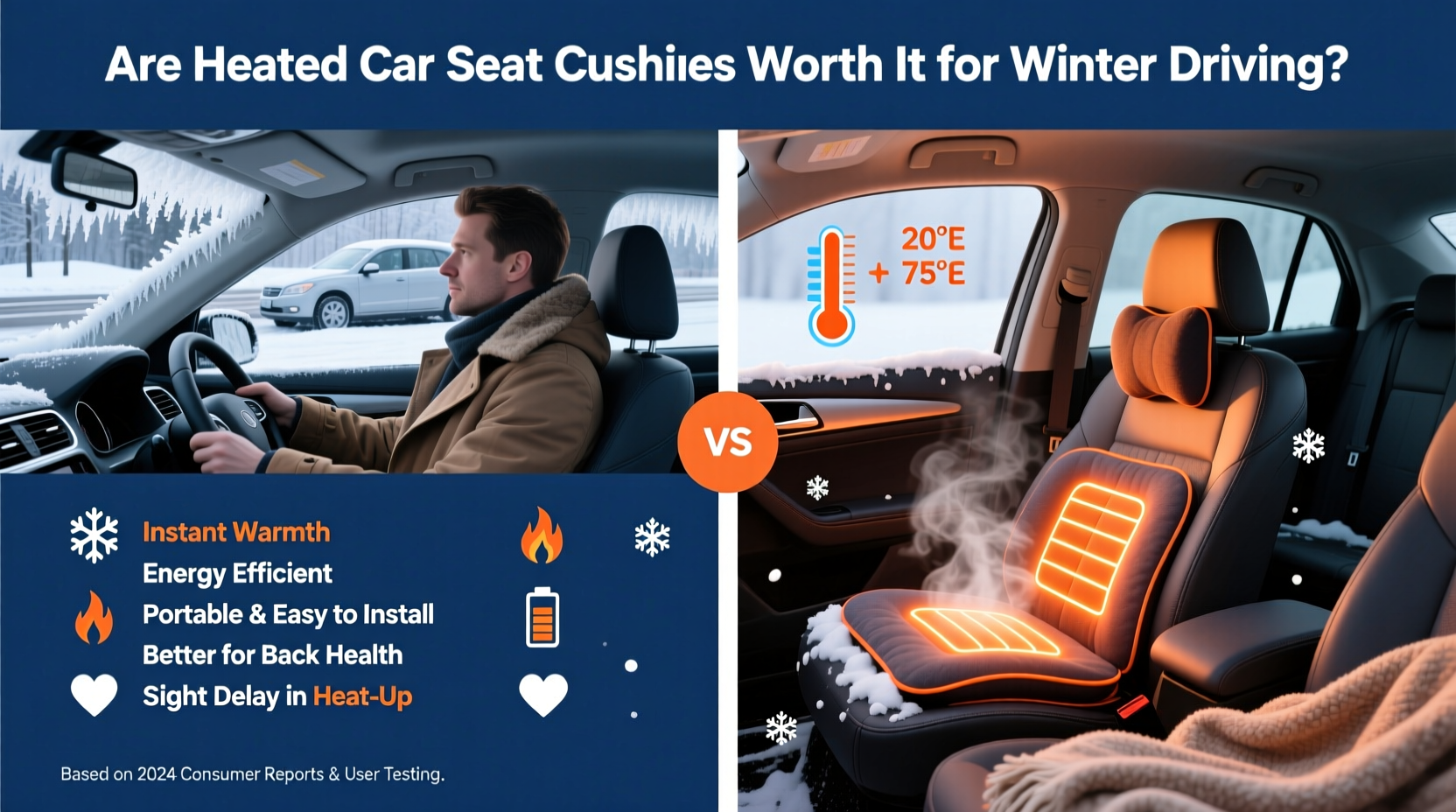
Most heated car seat cushions operate on low-voltage electricity drawn from a vehicle’s 12V power outlet (cigarette lighter) or via a USB connection. Inside the cushion, thin heating elements—often carbon fiber wires or resistive coils—are woven into the fabric or layered beneath foam padding. When powered, these elements generate gentle, consistent heat across the seating surface.
Temperature control varies by model. Basic versions offer a single heat setting, while advanced units include adjustable thermostats with multiple levels (low, medium, high), automatic timers (typically 30–60 minutes), and overheat protection. Some even integrate lumbar support or massage functions, blurring the line between comfort accessory and wellness tool.
The science behind the warmth is straightforward: direct contact heat increases blood flow to the lower back and glutes, reducing muscle stiffness and improving comfort during prolonged sitting. This is especially valuable in winter, when cold muscles are more prone to tension and soreness.
Tip: Look for heated cushions with auto-shutoff features to prevent overheating and conserve battery life.Benefits Beyond Warmth
While the primary appeal of a heated seat cushion is obvious—escaping the shock of a frozen seat—its advantages extend further, particularly for specific user groups.
- Pain relief for chronic conditions: Individuals with arthritis, sciatica, or lower back pain often report symptom improvement with consistent heat therapy. Heat relaxes tight muscles, reduces spasms, and enhances flexibility.
- Improved circulation: Cold constricts blood vessels. Applying warmth helps dilate them, promoting better blood flow to the pelvic region and legs—a benefit for older adults or those with circulatory issues.
- Enhanced driving focus: Discomfort distracts. A warm, supported seat allows drivers to concentrate on the road rather than shifting to avoid cold spots.
- Faster warm-up than factory systems: Unlike built-in heated seats that rely on the car’s HVAC system, cushions begin warming within seconds of activation, offering near-instant relief.
- Portability and versatility: These cushions can be moved between vehicles, used in office chairs, or even taken camping—making them multi-environment tools.
“Heat therapy is one of the most underutilized tools in managing musculoskeletal discomfort. A quality heated cushion can offer clinical-grade relief in everyday settings.” — Dr. Alan Reeves, Physical Therapist and Pain Management Specialist
Real-World Use: A Commuter’s Experience
Sarah M., a 42-year-old school administrator in Minneapolis, drives 45 minutes each way through harsh winters. Her 2015 sedan lacks heated seats, and garage space is limited, leaving her car exposed to sub-zero temperatures overnight.
“I bought a $45 heated cushion after two winters of dreading my morning drive,” she says. “The first time I turned it on, I was skeptical. But within two minutes, the cold numbness in my lower back started fading. Now, I don’t leave home without it. It’s not just about comfort—it’s about feeling functional by the time I arrive at work.”
Sarah uses a dual-function model with both seat and back support heating. She sets it to medium for 30 minutes, which aligns perfectly with her commute duration. Over six months, she noticed fewer instances of morning back stiffness and reduced reliance on pain relievers.
Her only complaint? The cord management. “It dangles near the gear shift, so I had to wrap it around the headrest post. Not elegant, but worth it.”
What to Look for When Buying
Not all heated seat cushions are created equal. With prices ranging from $25 to over $100, understanding key features helps avoid disappointment.
| Feature | Why It Matters | Recommended |
|---|---|---|
| Power Source | Determines compatibility and portability | 12V car adapter (more reliable than USB) |
| Heat Settings | Affects comfort customization | At least 2–3 levels |
| Auto Shut-Off | Prevents fire risk and battery drain | Yes, 60-minute max |
| Material Quality | Influences durability and comfort | Breathable mesh or soft fleece |
| Cord Length | Impacts ease of use | Minimum 6 feet |
| Washability | Maintenance and hygiene | Removable, machine-washable cover |
Avoid ultra-cheap models with no temperature regulation. These may overheat or fail prematurely. Instead, prioritize brands with UL certification or positive long-term reviews. Reading customer feedback focused on durability—especially after multiple winter seasons—can reveal patterns in performance.
Safety Considerations and Misconceptions
Despite their convenience, heated cushions raise legitimate safety questions. Can they cause burns? Are they a fire hazard? Do they interfere with airbags?
The short answer: well-designed models pose minimal risk when used correctly. Most reputable products include thermal fuses and overheat sensors that cut power if internal temperatures exceed safe thresholds. However, misuse increases danger. Never fold or compress a cushion while in use—this traps heat and can damage wiring.
Regarding airbags, placement matters. Heated cushions should sit flat on the seat without raising the driver excessively. If the cushion lifts you more than an inch, it may alter your seating position relative to the steering wheel and side airbags. Always ensure your seatbelt fits snugly across the hips and shoulder, unaffected by the added layer.
Tip: Test the cushion in a parked car first. Sit normally, fasten your belt, and check for obstructions or awkward posture before driving.Step-by-Step: Getting the Most from Your Heated Cushion
- Choose the right model: Based on your needs—basic warmth, medical support, or dual heating—select a cushion with appropriate features.
- Inspect before first use: Check for frayed wires, loose seams, or damaged plugs.
- Position carefully: Center the cushion on the seat. Align any backrest portion with your lumbar curve.
- Connect securely: Plug into the 12V outlet and ensure the cord doesn’t interfere with pedals or gear shifts.
- Start low: Begin with the lowest heat setting for 5–10 minutes to assess tolerance.
- Adjust as needed: Increase heat gradually. Never use high settings for extended periods.
- Turn off when done: Even with auto-shutoff, develop the habit of manually powering down after use.
- Store properly: Keep in a dry place, loosely folded. Avoid sharp creases that could damage heating elements.
Cost vs. Value: Are They Worth It?
At an average price of $30–$70, heated seat cushions are significantly cheaper than upgrading to a car with factory-installed heated seats—which can add hundreds or thousands to a vehicle’s cost. But financial value isn’t just about upfront savings; it’s also about longevity and utility.
A high-quality cushion used five days a week for three winter months (approximately 60 days per year) might last 3–5 years with proper care. That equates to roughly $0.50–$1.00 per use—less than the price of a cup of coffee. When factoring in potential reductions in pain medication, improved alertness, and enhanced daily comfort, the return on investment becomes compelling.
Moreover, for rideshare drivers, delivery personnel, or anyone spending hours in a vehicle during cold months, the cushion isn’t just a luxury—it’s a tool for occupational well-being.
FAQ
Can I leave a heated seat cushion plugged in when the car is off?
No. Leaving it connected drains the car battery, especially if the ignition is off. Always unplug after use. Some newer models have low-current sensors, but it’s safest to disconnect manually.
Are heated cushions safe for pregnant women?
Generally, yes—but with caution. Avoid prolonged use on high settings. Excessive heat to the lower back and pelvis may not be advisable during pregnancy. Consult a healthcare provider if unsure.
Do they work in leather seats?
Yes, often better. Leather conducts cold efficiently, making the contrast between unheated and heated states more noticeable. The cushion warms the surface you contact directly, counteracting the chill of the material.
Checklist: Choosing and Using a Heated Seat Cushion
- ☐ Determine your primary need: comfort, medical relief, or quick warm-up
- ☐ Set a budget between $30–$80 for optimal balance of quality and price
- ☐ Verify 12V power compatibility with your vehicle
- ☐ Confirm presence of auto shut-off and overheat protection
- ☐ Read verified customer reviews focusing on durability
- ☐ Test fit in your car before regular use
- ☐ Establish a routine: plug in, warm up, unplug, store
- ☐ Clean according to manufacturer instructions (usually spot clean or removable cover wash)
Final Verdict
For most drivers in cold climates, a heated car seat cushion is absolutely worth it. It delivers immediate, tangible comfort with secondary benefits for health and focus. While not a substitute for comprehensive winter preparedness—like proper tires or defrosted windows—it fills a critical gap in personal thermal management.
The best candidates for these cushions are owners of older vehicles, individuals with back pain or circulation issues, and anyone who spends significant time seated in cold environments. Even in newer cars, they can supplement factory systems that take time to reach full warmth.
As with any automotive accessory, success depends on choosing wisely and using responsibly. Invest in a well-reviewed model with safety features, follow usage guidelines, and treat it as part of a broader strategy for winter wellness.
🚀 Ready to transform your winter commute? Find a reputable heated seat cushion today—your back, your comfort, and your morning mood will thank you.








