As winter sets in or for those who simply prefer a warm seat during morning commutes, heated car seat cushions have become increasingly popular. These portable devices offer on-demand warmth, improved circulation, and enhanced comfort—especially for people with back pain or stiffness. But as their usage grows, so do questions about their long-term safety. Are they truly harmless with daily, extended use? Or could prolonged exposure lead to health risks that outweigh the comfort?
This article examines the science behind heated seat cushions, evaluates potential dangers such as burns, nerve damage, and fire hazards, and weighs them against the documented benefits. You'll also find practical advice on choosing safer models, using them responsibly, and understanding who should be especially cautious.
The Science Behind Heated Seat Cushions
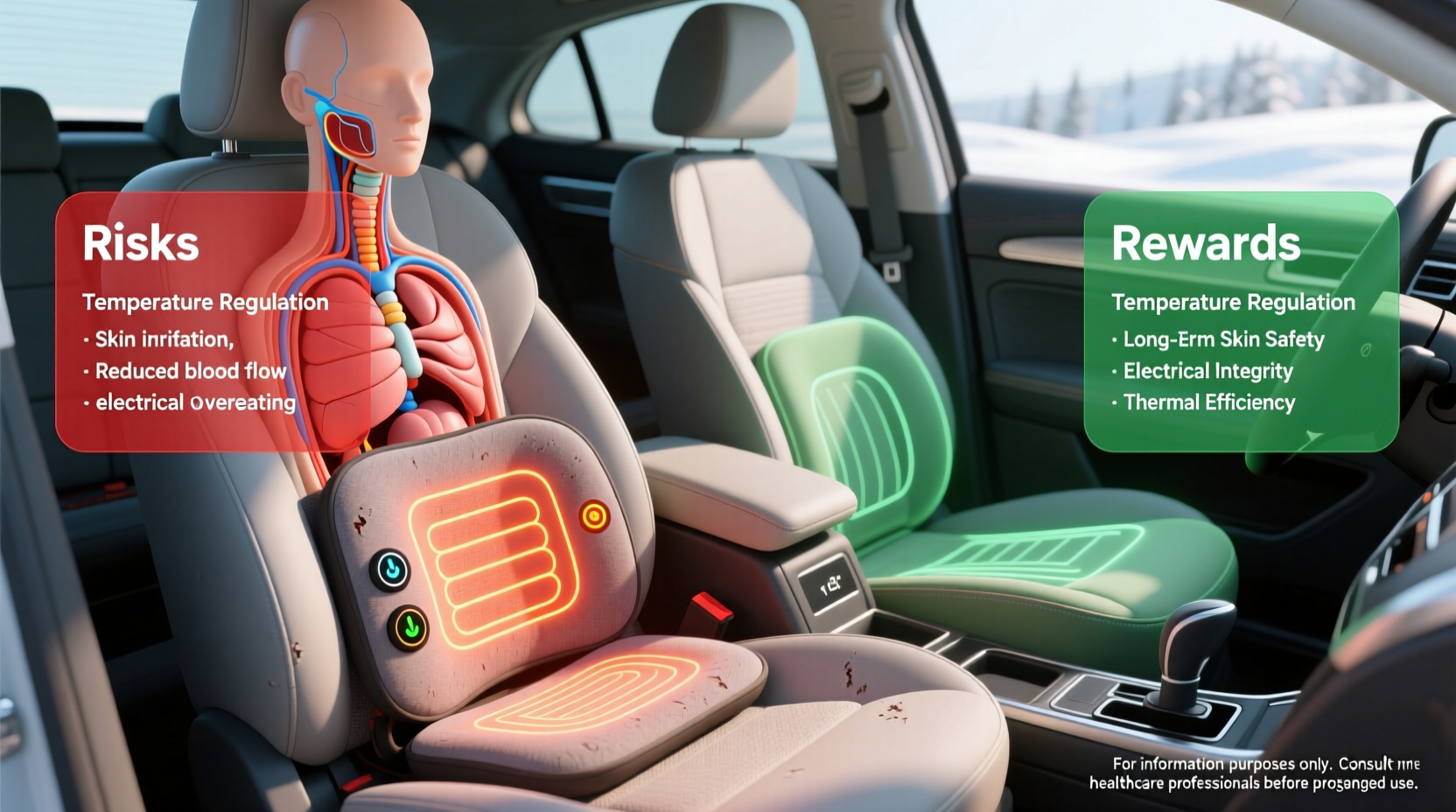
Heated car seat cushions typically use either carbon fiber heating elements or wire-based systems embedded within foam or fabric layers. When powered via a 12V car outlet (cigarette lighter), these elements generate low-level heat—usually between 104°F and 113°F (40°C–45°C)—designed to mimic the soothing effect of a heating pad.
The primary mechanism is conductive heat transfer: warmth moves from the cushion surface into the skin and underlying tissues. This can increase blood flow, relax tight muscles, and reduce discomfort caused by prolonged sitting. Unlike traditional heating pads, many modern seat cushions feature automatic shut-off timers (typically after 60–90 minutes) and temperature regulators to prevent overheating.
However, the human body responds differently to continuous heat exposure depending on duration, intensity, and individual physiology. While short-term use is generally considered safe, repeated or extended sessions raise concerns about thermal injury and physiological adaptation.
“While mild heat therapy is beneficial for muscle relaxation, chronic exposure without breaks can impair skin sensitivity and lead to subtle tissue changes over time.” — Dr. Lena Patel, Physical Therapist & Ergonomics Consultant
Potential Risks of Long-Term Use
Despite their convenience, heated seat cushions are not risk-free when used daily or for hours at a time. The following are documented and potential health and safety concerns associated with long-term use:
Skin Burns and Erythema Ab Igne
One of the most common yet underreported issues is a condition called *erythema ab igne* (EAI), also known as \"toasted skin syndrome.\" It occurs due to repeated exposure to moderate heat below the threshold for immediate burns. Symptoms include mottled, net-like redness on the skin, which may progress to hyperpigmentation or even permanent discoloration if unchecked.
This condition often affects individuals who use laptops on their laps or sit near space heaters—but it's equally relevant for drivers or passengers relying heavily on heated seats or cushions. Because the heat is sub-burn level, users may not notice damage until visible changes appear.
Tip: If you use a heated cushion daily, inspect your lower back and thighs weekly for any unusual redness or texture changes.Nerve and Tissue Sensitivity Reduction
Chronic heat application can desensitize peripheral nerves, particularly in individuals with pre-existing conditions like diabetes or neuropathy. Reduced sensation increases the risk of accidental burns because the user may not feel excessive heat until damage has already occurred.
In rare cases, prolonged pressure combined with heat (such as sitting for several hours with a cushion) may contribute to localized ischemia or nerve compression, especially in the sciatic or pudendal regions.
Fire and Electrical Hazards
Lower-quality or damaged cushions pose fire risks. Faulty wiring, poor insulation, or malfunctioning thermostats can cause overheating. Though rare, incidents have been reported where cushions ignited due to circuit failure or being left plugged in unattended.
Additionally, leaving the cushion plugged in while the vehicle is off can drain the car battery—a minor but avoidable inconvenience.
Overreliance and Reduced Natural Adaptation
Regular use of artificial heat may interfere with the body’s natural thermoregulation. Some experts suggest that constant external warmth reduces the body's ability to adapt to cold environments, potentially increasing discomfort when the cushion isn’t available.
Benefits That Make Them Worth Considering
Despite the risks, heated seat cushions offer tangible advantages—especially for specific populations. When used appropriately, they can enhance well-being and improve quality of life.
Muscle Relaxation and Pain Relief
Heat therapy is clinically supported for alleviating lower back pain, muscle spasms, and joint stiffness. A 2021 study published in the *Journal of Physical Therapy Science* found that participants using heat therapy for chronic low back pain experienced significant reductions in discomfort and improved mobility after just one week of consistent use.
For commuters with sedentary jobs or existing spinal issues, a heated cushion can provide much-needed relief during long drives.
Improved Circulation
Localized heat causes vasodilation—the widening of blood vessels—which enhances blood flow to the lower back and pelvic region. This can help reduce inflammation, deliver oxygen-rich blood to fatigued muscles, and speed up recovery after physical strain.
Enhanced Comfort and Alertness
Cold seats can cause involuntary muscle tension and discomfort, leading to distraction while driving. Warmth promotes relaxation without drowsiness, helping maintain focus during early-morning or late-night trips.
Accessibility for Seniors and Chronic Pain Sufferers
Older adults or individuals with arthritis, fibromyalgia, or ankylosing spondylitis often benefit from gentle heat. Portable cushions allow them to customize comfort regardless of whether their vehicle has built-in heated seats.
| Benefit | Description | Best For |
|---|---|---|
| Pain Relief | Reduces muscle tension and eases chronic back pain | People with lumbar strain or disc issues |
| Better Circulation | Promotes blood flow in seated position | Those with poor leg circulation |
| Winter Comfort | Eliminates shock of cold seats in freezing weather | Drivers in cold climates |
| Non-Invasive Therapy | No medication or surgery required | Individuals seeking drug-free pain management |
Who Should Be Cautious—or Avoid—Heated Cushions?
Not everyone should use heated seat cushions regularly. Certain medical conditions and lifestyle factors increase the likelihood of adverse effects.
- Diabetics and neuropathy patients: Reduced sensation makes it harder to detect overheating.
- Pregnant women: Excessive heat in the pelvic area may affect fetal development, especially in the first trimester.
- People with circulatory disorders: Conditions like deep vein thrombosis (DVT) may worsen with heat-induced vasodilation.
- Individuals with skin conditions: Psoriasis, eczema, or open wounds can be irritated by heat and friction.
- Immobile users: Those unable to shift positions frequently are at higher risk of pressure sores and thermal injury.
“I advise my patients with diabetic neuropathy to avoid prolonged heat exposure. Even mild temperatures can cause unnoticed damage when sensation is impaired.” — Dr. Raj Mehta, Neurologist at Boston Spine Institute
How to Use Heated Seat Cushions Safely: A Step-by-Step Guide
To enjoy the benefits without inviting harm, follow this evidence-based routine:
- Choose a high-quality model with safety certifications (UL, CE, RoHS), auto-shutoff, and adjustable temperature settings.
- Inspect the cushion monthly for frayed wires, bulges, or uneven heating.
- Limit each session to 60 minutes. Allow your body and skin to cool down before reapplying heat.
- Never use while sleeping or when you cannot monitor the device (e.g., napping in the car).
- Place a thin cloth barrier between your skin and the cushion to reduce direct heat contact.
- Avoid using on high settings for more than 15–20 minutes at a time.
- Unplug when not in use to prevent battery drain and reduce fire risk.
- Take heat-free days to allow your body to reset its thermal sensitivity.
Real-World Example: A Commuter’s Experience
Mark, a 52-year-old delivery driver from Minnesota, began using a heated seat cushion during harsh winters to manage his chronic lower back pain. Initially, he noticed dramatic improvement—he felt looser, drove longer routes comfortably, and reduced his reliance on painkillers.
After six months of nearly eight-hour daily use, however, he developed a faint, web-like rash on his lower back. His dermatologist diagnosed early-stage erythema ab igne. Mark discontinued daily use, switched to intermittent 30-minute sessions, and applied moisturizer regularly. Within two months, the discoloration faded significantly.
His experience highlights both the effectiveness and hidden risks of long-term use—and the importance of moderation.
Safety Checklist Before Buying or Using a Heated Seat Cushion
- ✅ Look for automatic shut-off (60–90 minute max)
- ✅ Check for overheat protection and thermostat control
- ✅ Ensure compliance with safety standards (UL/CE listed)
- ✅ Read customer reviews for durability and consistency
- ✅ Test heat distribution—no hot spots
- ✅ Use only in well-ventilated vehicles
- ✅ Never cover the cushion with thick blankets or seat covers
- ✅ Replace after 2 years or signs of wear
Frequently Asked Questions
Can heated seat cushions cause infertility in men?
There is limited evidence linking prolonged scrotal heat exposure (such as from laptops or hot baths) to temporary reductions in sperm production. While a heated seat cushion may slightly raise pelvic temperature, the risk is minimal unless used for multiple hours daily over long periods. Men concerned about fertility should limit use and avoid high heat settings directly under the groin.
Are heated cushions safe for children?
Generally not recommended. Children have thinner skin and faster heat absorption, increasing burn risk. They may also be unable to communicate discomfort. Pediatricians advise against unsupervised use in minors.
How often should I replace my heated seat cushion?
Every 2–3 years, even if it appears functional. Internal wiring degrades over time, increasing the chance of short circuits or inconsistent heating. Signs it’s time to replace include delayed warming, strange odors, or flickering power lights.
Final Thoughts: Balancing Comfort and Caution
Heated car seat cushions can be a valuable tool for comfort and pain management when used wisely. The key lies in moderation, awareness, and selecting reliable products. For most healthy adults, occasional or limited daily use poses little threat and offers real benefits—especially in cold climates or for those managing musculoskeletal conditions.
But long-term, uninterrupted use introduces measurable risks: skin damage, reduced nerve sensitivity, and potential fire hazards. By adhering to safety protocols, listening to your body, and taking periodic breaks from heat, you can enjoy the rewards without compromising your health.
🚀 Ready to make smarter choices about your comfort? Share this guide with fellow drivers, assess your current cushion habits, and take action today to stay warm—safely.








