The holiday season brings joy, warmth, and a burst of festive decorations—none more eye-catching than glittery ornaments. From shimmering tree baubles to sparkly wreaths, these dazzling accents elevate the ambiance of homes worldwide. Yet beneath their radiant appeal lies a growing concern: could these decorative staples be compromising indoor air quality and triggering discomfort for allergy sufferers? As awareness of environmental health grows, so does scrutiny over the materials we bring into our living spaces. Glitter, in particular, has come under fire not only for its ecological impact but also for its potential effects on respiratory health and indoor air purity.
Glitter is typically made from plastic films—often polyethylene terephthalate (PET) or polylactic acid (PLA)—coated with aluminum or other reflective materials. When applied to ornaments, it’s frequently sealed with lacquers or adhesives that may off-gas volatile organic compounds (VOCs). These emissions, though subtle, can accumulate indoors, especially in poorly ventilated areas. For individuals with asthma, chemical sensitivities, or seasonal allergies, even low-level exposure to airborne particles or fumes may provoke symptoms. Understanding what’s really in your holiday décor—and how it interacts with your home environment—is essential for making informed, health-conscious choices.
The Hidden Ingredients in Glittery Ornaments
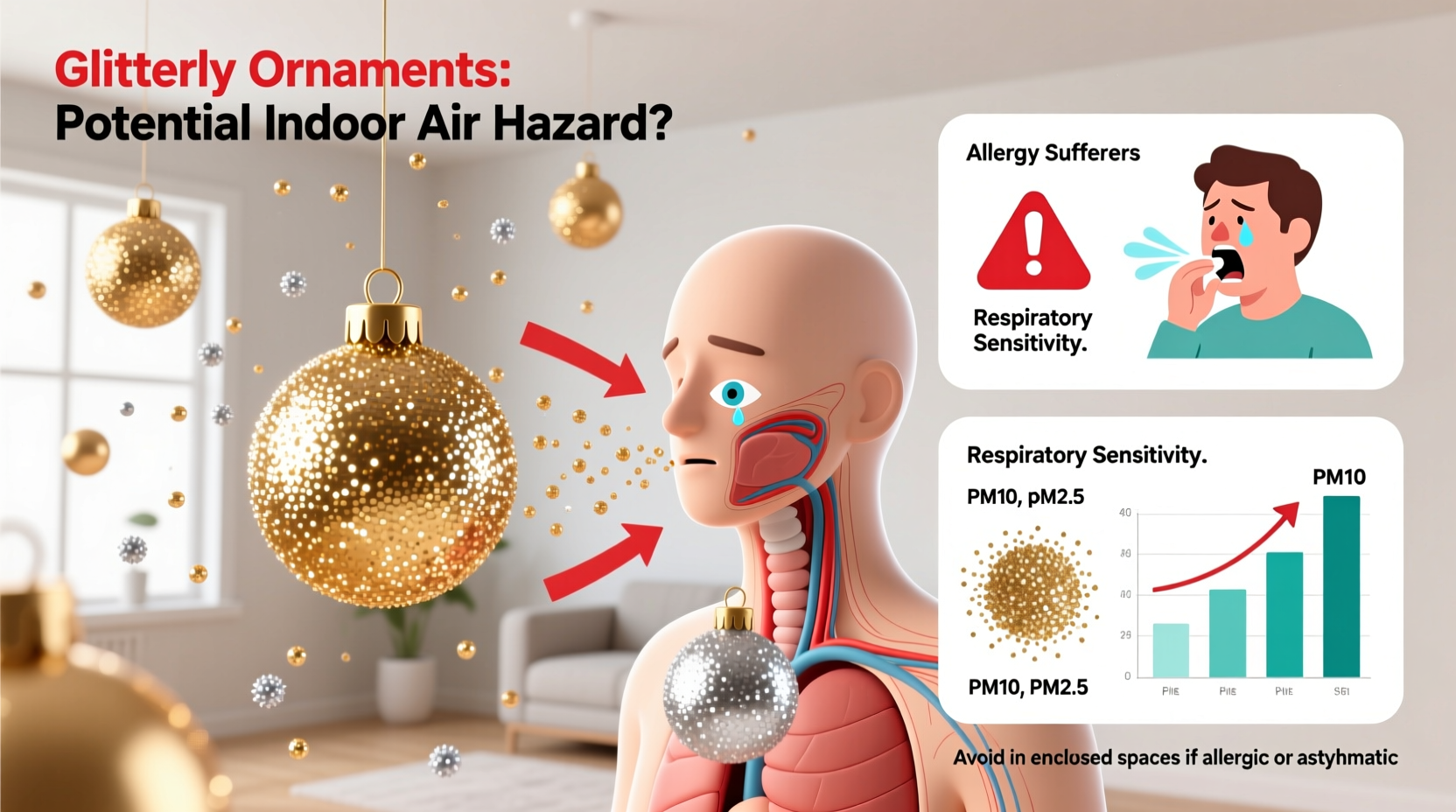
Most commercial glitter is composed of tiny plastic flakes combined with metallic coatings to achieve its signature sparkle. While visually appealing, this composition raises concerns beyond aesthetics. The base material—typically a type of polyester film—is non-biodegradable and contributes to microplastic pollution. But when affixed to ornaments using glue or spray sealants, the risks extend into the indoor environment.
Many glitter adhesives and protective coatings contain solvents such as toluene, xylene, or formaldehyde-releasing agents. These substances are known VOCs, which evaporate at room temperature and enter the air you breathe. According to the U.S. Environmental Protection Agency (EPA), prolonged exposure to VOCs can lead to headaches, dizziness, respiratory irritation, and worsened allergy symptoms. In enclosed spaces like living rooms or bedrooms where decorations remain for weeks, continuous low-level off-gassing becomes a legitimate consideration.
Moreover, older or poorly manufactured ornaments may use lead-based paints or cadmium pigments to enhance color vibrancy. Though banned in many countries for children's products, such materials still appear in imported holiday décor. Over time, chipping or flaking can release fine particulates into the air, posing inhalation risks—especially for young children or those with compromised immune systems.
Tip: Check product labels for certifications like “non-toxic,” “low-VOC,” or compliance with ASTM D-4236 (U.S. safety standard for art materials).How Glitter Contributes to Indoor Air Pollution
Indoor air quality (IAQ) is influenced by a range of factors, including ventilation, humidity, cleaning practices, and the materials present in furnishings and décor. Glittery ornaments contribute through two primary pathways: chemical off-gassing and physical particle dispersion.
Chemical emissions occur primarily from the binding agents used to adhere glitter to surfaces. Even after drying, some glues continue to release VOCs for days or weeks. A study published in *Atmospheric Environment* found that certain craft materials—including glitter adhesives—can increase indoor VOC concentrations by up to 300% during application and initial curing phases. While levels decrease over time, they may remain elevated in tightly sealed homes, particularly during winter months when windows stay closed.
Physical shedding is another issue. Microscopic glitter particles can detach due to handling, temperature fluctuations, or static electricity. Once airborne, these particles behave similarly to dust—circulating through HVAC systems and settling on surfaces. For individuals with allergic rhinitis or asthma, inhaling such particulates—even in small amounts—can stimulate immune responses. Symptoms may include sneezing, nasal congestion, itchy eyes, or wheezing.
A 2022 review by the European Chemicals Agency highlighted that microplastics smaller than 10 micrometers can penetrate deep into lung tissue. While glitter particles vary in size, many fall within this respirable range, raising concerns about long-term exposure risks, especially in households with frequent decoration use.
Allergy Risks for Sensitive Individuals
Allergies are hypersensitive reactions of the immune system to foreign substances. Common triggers include pollen, mold spores, pet dander, and dust mites. However, synthetic particles and chemical vapors from household items can also act as irritants—particularly for those already predisposed to respiratory conditions.
For allergy sufferers, glittery ornaments may pose dual threats:
- Respiratory Irritation: VOCs from adhesive residues can inflame mucous membranes in the nose and throat, mimicking or exacerbating allergic reactions.
- Mechanical Irritation: Airborne glitter fragments, though not allergens themselves, can physically irritate airways when inhaled, prompting coughing or bronchial constriction in sensitive individuals.
Children and older adults are often more vulnerable due to developing or declining respiratory defenses. Additionally, people with chronic conditions like asthma or COPD may experience symptom flare-ups when exposed to indoor pollutants—even at low concentrations.
“While glitter isn’t classified as an allergen, its combination with VOC-emitting binders and potential to carry dust makes it a notable irritant in sensitive environments.” — Dr. Lena Torres, Environmental Health Specialist, Cleveland Clinic
Comparing Traditional vs. Eco-Friendly Ornaments
Not all glittery ornaments carry the same risk profile. Advances in sustainable design have led to alternatives that reduce both environmental and health impacts. Below is a comparison of common ornament types based on material composition, VOC emission potential, and allergy risk.
| Type | Material Composition | VOC Risk | Allergy Risk | Eco-Friendliness |
|---|---|---|---|---|
| Traditional Plastic Glitter Ornaments | PET plastic, aluminum coating, solvent-based adhesive | High | High | Poor |
| Biodegradable Glitter Ornaments | PLA cellulose, mineral-based shimmer, water-based glue | Low | Moderate | Good |
| Metallic Glass Baubles (No Loose Glitter) | Glass with fused metallic layer | Very Low | Low | Fair |
| Natural Fiber Ornaments (e.g., Felt, Wood) | Wool, cotton, untreated wood | Negligible | Very Low | Excellent |
As shown, biodegradable and natural options significantly reduce chemical exposure while minimizing particulate shedding. However, even \"eco-glitter\" should be evaluated carefully—some plant-based glitters still use synthetic coatings or binders that may emit mild VOCs.
Real-Life Scenario: A Family’s Holiday Reaction
In suburban Chicago, the Martinez family began experiencing unexplained headaches and nasal congestion each December. Both parents and their 8-year-old daughter developed persistent coughs shortly after decorating their home. Initially attributing it to seasonal colds, they were puzzled when symptoms vanished within days of taking down the tree in January.
After a second consecutive year of similar issues, they consulted an environmental medicine specialist. Testing revealed elevated levels of benzene and ethyl acetate—common VOCs—in their living room during peak decoration time. Investigation traced the source to several inexpensive glitter-covered ornaments purchased online. Upon switching to handmade wooden stars and glass balls without loose glitter, their symptoms disappeared entirely.
This case illustrates how seemingly harmless décor can become a hidden source of indoor contamination—especially when multiple items are used together, creating cumulative exposure.
Step-by-Step Guide to Safer Holiday Decorating
You don’t need to give up sparkle to protect your health. Follow this practical timeline to enjoy festive décor safely:
- Week 1: Audit Existing Decorations
Inspect your current collection. Discard any ornaments with peeling finishes, strong chemical odors, or visible glitter shedding. - Week 2: Research & Replace High-Risk Items
Look for certified non-toxic, low-VOC, or eco-friendly alternatives. Prioritize sealed glass or metal ornaments over porous, glued-glitter designs. - Week 3: Pre-Clean & Ventilate Before Use
Wipe down reusable ornaments with a damp cloth. Store them in a garage or shed for a few days before bringing indoors to allow residual gases to dissipate. - Week 4: Decorate with Airflow in Mind
Place decorations in well-ventilated areas. Avoid clustering high-emission items near beds or seating zones. - Ongoing: Monitor Air Quality
Use an indoor air quality monitor to track VOC and particulate levels. Consider running an air purifier with a HEPA and activated carbon filter during the season. - Post-Holiday: Safe Storage
Clean ornaments gently and store in breathable fabric bags—not plastic bins—to prevent moisture buildup and further off-gassing.
Checklist: Choosing Allergy-Safe, Low-Impact Ornaments
- ☐ Look for labels indicating “non-toxic,” “low-VOC,” or “eco-certified”
- ☐ Avoid ornaments with loose or flaky glitter
- ☐ Choose sealed materials like glass, ceramic, or solid metal
- ☐ Opt for water-based adhesives over solvent-based ones
- ☐ Prefer natural materials such as wood, felt, or paper
- ☐ Test new decorations in a small area first and observe for reactions
- ☐ Use an air purifier in heavily decorated rooms
- ☐ Keep decorations away from children’s play areas and bedrooms
Frequently Asked Questions
Can glitter cause asthma attacks?
Glitter itself is not an allergen, but the fine plastic particles can act as respiratory irritants. When combined with VOC-emitting adhesives, they may trigger bronchoconstriction in asthmatics. Individuals with severe asthma should minimize exposure to loose glitter and strongly scented decorations.
Are biodegradable glitter ornaments completely safe?
They are safer than traditional plastic glitter but not risk-free. Some biodegradable glitters still use synthetic coatings or require adhesive binders that may emit low levels of VOCs. Always check ingredient transparency and opt for third-party certified products.
How can I reduce VOC exposure from holiday decorations?
Unpack and air out decorations in a garage or outdoor space for 24–48 hours before use. Choose low-emission materials, increase indoor ventilation, and use an activated carbon air purifier to capture gaseous pollutants.
Final Thoughts: Balancing Beauty and Well-Being
Holiday traditions should bring comfort, not compromise health. While glittery ornaments add visual delight, their hidden chemical and particulate burdens warrant thoughtful consideration—especially in homes with allergy sufferers, children, or individuals with respiratory conditions. The good news is that safer alternatives exist, allowing you to maintain festive charm without sacrificing air quality.
By choosing wisely, inspecting materials, and managing indoor airflow, you can create a joyful and healthy holiday environment. Small changes—like switching to sealed glass baubles or embracing minimalist natural décor—can make a significant difference in long-term well-being.
💬 Your home, your health—what changes will you make this season? Share your tips for non-toxic holiday decorating in the comments below and inspire others to celebrate safely.








