Fiber optic Christmas decorations once defined the cutting edge of holiday lighting. From shimmering trees to animated reindeer, their soft glow and low heat output made them a favorite in homes across America during the 1990s and early 2000s. But as LED technology advanced and minimalist aesthetics gained popularity, many began to wonder: are fiber optic Christmas decorations still stylish, or have they faded into the realm of dated decor?
The answer isn’t a simple yes or no. Style is subjective, and trends often cycle. What was once considered futuristic can later appear kitschy—until it’s rediscovered with fresh eyes. To understand where fiber optic decor stands today, we need to examine its strengths, limitations, evolving design applications, and how modern tastes influence perception.
The Rise and Fall (and Possible Return) of Fiber Optic Decor
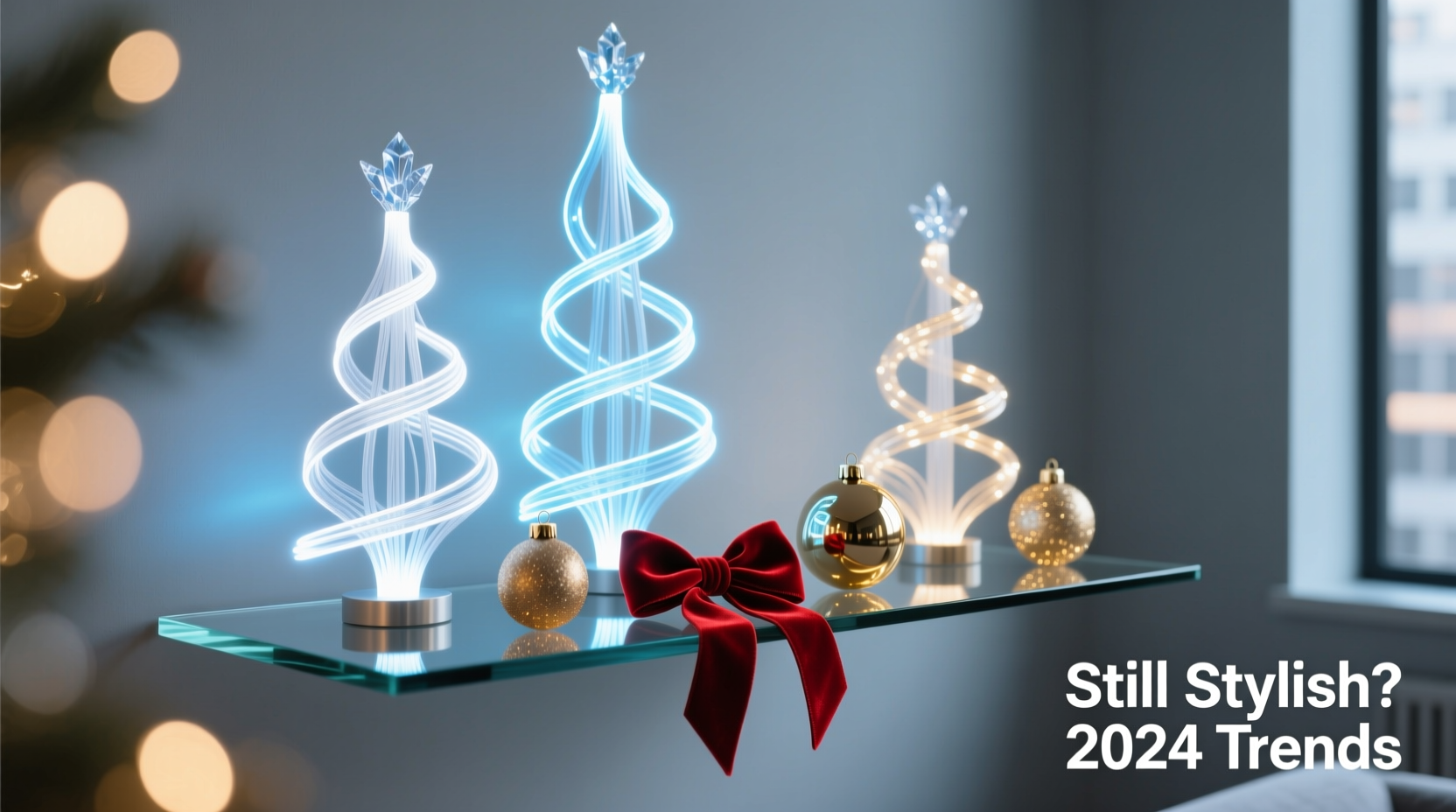
Fiber optic holiday items surged in popularity due to their novelty. Unlike traditional incandescent bulbs, these decorations used strands of plastic or glass fibers that transmitted light from a single source, creating a twinkling effect without generating much heat. This made them safer for children and pets, and ideal for use in artificial trees, wreaths, and table centerpieces.
Manufacturers capitalized on this innovation, producing everything from fiber optic snow globes to illuminated nativity scenes. Retailers like Target and Hallmark heavily promoted them as “next-gen” holiday essentials. By the mid-2000s, however, LED lights began to dominate the market. LEDs offered greater energy efficiency, longer lifespans, and more color options—all while consuming less power.
As LED strings became brighter, more customizable, and affordable, fiber optic pieces started to seem dimmer by comparison—literally and figuratively. Their static, diffused glow couldn’t compete with dynamic RGB sequences or app-controlled light shows. Many consumers packed away their fiber optic trees, replacing them with sleeker, smarter alternatives.
“Fiber optics were revolutionary in their time, but they’ve been outpaced by technology that offers more control and vibrancy. That said, nostalgia has a powerful pull in seasonal design.” — Laura Bennett, Interior Stylist & Holiday Design Consultant
Design Evolution: How Fiber Optics Are Being Reimagined
While mass-market fiber optic decor may feel nostalgic, high-end designers and boutique creators are revisiting the medium with a contemporary lens. The key lies not in replicating old models, but in reinterpreting them through modern design principles.
In recent years, artisanal decorators have incorporated fiber optics into custom installations where subtlety and ambiance take precedence over brightness. For example, some luxury hotels now use embedded fiber optics in ceiling panels to simulate starry winter skies above grand lobbies. These installations create immersive experiences without overwhelming the senses—something LEDs often struggle to achieve due to their intensity.
Likewise, wedding planners and event designers have begun using fiber optic drapes in holiday-themed events. When paired with neutral fabrics and metallic accents, the gentle sparkle adds elegance rather than whimsy. This shift reflects a broader trend toward “quiet luxury” in holiday styling—less clutter, more intentionality.
Tip: If you own older fiber optic decor, consider repurposing individual strands for DIY projects like framed light art or accent lighting in shadow boxes.Styling Fiber Optic Decor for a Modern Aesthetic
Just because a decoration originated in the '90s doesn’t mean it can’t fit into a current design scheme. With thoughtful placement and pairing, even vintage fiber optic pieces can feel fresh.
The trick is to treat them as accent elements rather than focal points. Instead of centering your entire display around a glowing tree, integrate smaller fiber optic items into layered vignettes. For instance, place a fiber optic snow globe beside a stack of leather-bound books and a brass candle holder. The contrast between textures elevates the piece beyond kitsch.
Color coordination also plays a role. Older fiber optic sets often featured bright blues, greens, and reds. Today’s palettes lean toward monochrome schemes, icy pastels, or warm golds and ivories. Look for newer models that emit white or amber light, or use colored gels to modify existing ones discreetly.
Another approach is to embrace irony. In interior design, there’s growing appreciation for “retro revival”—where dated items are displayed knowingly, almost playfully. A fiber optic reindeer placed next to a minimalist Scandinavian tree becomes a conversation starter, a nod to holiday traditions past.
Checklist: Modernizing Your Fiber Optic Decor
- Assess the condition: Replace cracked fibers or malfunctioning bases.
- Pair with neutral or textured materials (linen, wood, velvet).
- Use only one or two fiber optic pieces per room to avoid visual overload.
- Combine with warm-white LEDs for balanced lighting layers.
- Position near reflective surfaces (mirrors, glass, polished metal) to amplify subtle glow.
- Update surrounding decor to prevent clashing with outdated themes (e.g., cartoonish figures).
Comparison: Fiber Optics vs. Modern LED Alternatives
| Feature | Fiber Optic Decor | Modern LED Decor |
|---|---|---|
| Brightness | Low to moderate; diffused glow | High; directional or wide-angle |
| Energy Efficiency | Moderate (uses small bulb/lamp) | Very high (low wattage, long runtime) |
| Lifespan | 5–10 years (fibers degrade over time) | 25,000+ hours (often 10+ seasons) |
| Safety | Cool to touch; safe around kids/pets | Generally cool; some mini-lights may heat slightly |
| Customization | Limited (fixed patterns, few colors) | High (color-changing, programmable sequences) |
| Aesthetic Flexibility | Niche—best for ambient or retro looks | Versatile—fits rustic, modern, glam, or maximalist styles |
| Maintenance | Fibers can break; hard to repair | Durable; replace sections if needed |
This comparison shows that while LEDs outperform fiber optics in most technical categories, fiber optics retain unique advantages in safety and ambient quality. They shine (pun intended) in settings where soft illumination matters more than spectacle.
Real Example: A Designer’s Take on Vintage Fiber Optics
Jenna Moretti, an interior designer based in Portland, Oregon, recently faced a challenge when a client inherited her grandmother’s 1998 fiber optic Christmas tree. The family wanted to honor the sentimental value but worried it would clash with their modern farmhouse living room.
Instead of hiding it in the basement, Jenna proposed a creative solution. She moved the tree from the main space to a sunroom converted into a “memory lounge.” There, she surrounded it with framed holiday photos, vintage ornaments, and a plaid throw blanket. She added warm string lights overhead and played classic vinyl records nearby.
The result was not just acceptable—it was celebrated. Guests described the corner as “cozy,” “heartfelt,” and “a beautiful tribute.” The fiber optic tree wasn’t trying to be trendy; it was being authentic. Its soft flicker evoked childhood memories without competing with contemporary design elsewhere in the home.
This case illustrates a crucial principle: context determines style. An item isn’t inherently outdated—it’s how and where it’s used that shapes perception.
When Fiber Optics Work—and When They Don’t
There are situations where fiber optic decorations remain not only acceptable but effective. Here’s a breakdown of ideal and less suitable uses:
✅ Do Use Fiber Optics When:
- You’re aiming for a nostalgic or vintage-themed holiday display.
- Safety is a top concern (e.g., decorating around toddlers or pets).
- You want ambient background lighting instead of bold statement pieces.
- The decor has sentimental value and you wish to honor it thoughtfully.
- You're creating a tranquil, spa-like holiday atmosphere (e.g., in a bedroom or reading nook).
❌ Avoid Fiber Optics When:
- You're going for a dramatic, high-impact outdoor display.
- They’ll be mixed haphazardly with ultra-modern LED installations.
- The piece is damaged, frayed, or emits uneven light (this increases the “dated” impression).
- You’re targeting a minimalist aesthetic that prioritizes clean lines and restraint.
- Visibility from a distance is important (fiber optics don’t project well outdoors).
Frequently Asked Questions
Can I mix fiber optic and LED lights in the same display?
Yes, but with caution. Combine them only if the color temperature matches (e.g., both warm white). Avoid placing them side-by-side unless one serves as a background layer. For example, use LEDs on the outer branches of a tree and fiber optic tips for inner sparkle.
Why do some fiber optic decorations look cheap?
Lower-quality models use thin plastic fibers that yellow over time and break easily. The light source may also flicker or produce hotspots. Higher-end versions use durable materials and even diffusion, resulting in a smoother appearance. Age and storage conditions also affect perceived quality.
Are fiber optic Christmas decorations still being manufactured?
Yes, though production has significantly decreased. You’ll find them primarily in specialty stores, online marketplaces, or as part of nostalgic collections. Some European brands continue to produce high-end fiber optic art pieces for interior design use.
Step-by-Step Guide: Evaluating Your Fiber Optic Decor
- Inspect the Condition: Check for broken fibers, discoloration, or flickering lights.
- Test the Base Unit: Plug it in and observe brightness and consistency over 10 minutes.
- Consider Sentimental Value: Was it a gift? Does it connect to a meaningful memory?
- Visualize Placement: Sketch or mentally place it in your planned decor layout.
- Compare with Current Aesthetic: Does it complement or clash with your furniture, wall color, and other decorations?
- Decide: Keep, repurpose, donate, or retire. If keeping, plan how to style it intentionally.
Conclusion: Style Is Cyclical—And Personal
Fiber optic Christmas decorations aren’t universally stylish anymore—but neither are they irredeemably outdated. Like bell-bottom jeans or rotary phones, they occupy a space between relic and revival. Their relevance today depends less on technology and more on intentionality.
In an era where sustainability and emotional connection matter more than ever, discarding functional, meaningful decor simply because it’s no longer trending may be short-sighted. The most stylish homes aren’t those filled with the latest gadgets, but those that reflect personality, history, and warmth.
If your fiber optic deer brings joy, let it stay. If it feels tired, consider giving it new life through creative reuse. And if you’re starting fresh, know that while LEDs dominate for good reason, there’s still room for softer glimmers in the holiday season.
💬 Have a fiber optic decoration you love—or love to hate? Share your story in the comments. Let’s celebrate the evolving beauty of holiday traditions together.








