Every holiday season, millions of households unpack their Christmas trees, lights, and ornaments—some passed down through generations, others bought on a whim during a last-minute shopping trip. The debate over whether to invest in high-end ornaments or stick with budget-friendly dollar store options resurfaces every year. On one hand, luxury ornaments from specialty boutiques or artisan markets can cost $20 or more apiece. On the other, cheerful baubles at discount stores sell for under $1. So which choice delivers better value, beauty, and long-term joy?
The answer isn’t as simple as price per ornament. It depends on your priorities: Are you building a collection meant to last decades? Decorating a rental apartment temporarily? Celebrating with kids who might accidentally turn tinsel into a science experiment? By examining craftsmanship, emotional significance, longevity, and overall aesthetic impact, we can make a more informed decision about where to spend—and where to save.
Material Quality and Craftsmanship: What You’re Actually Paying For
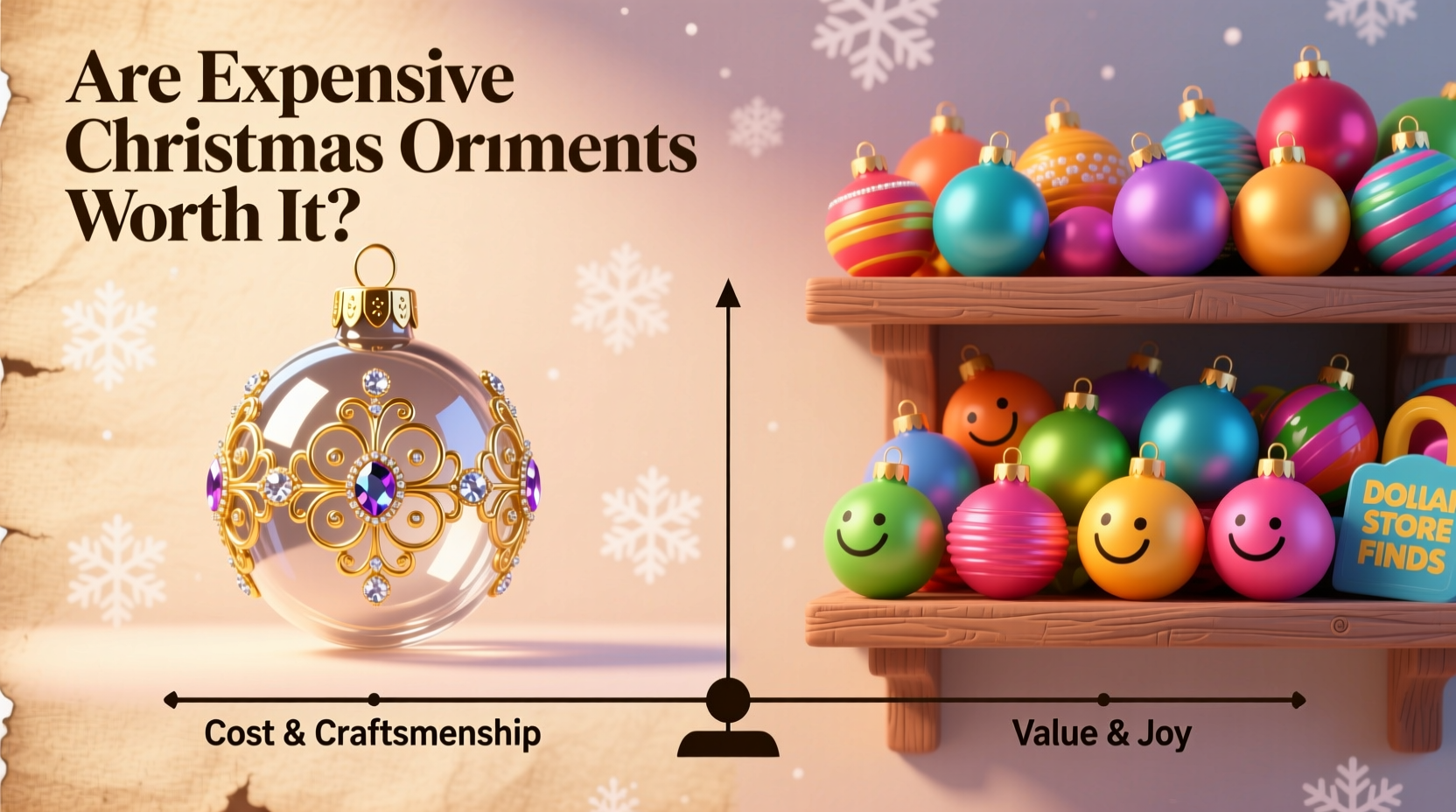
One of the most immediate differences between expensive and dollar store ornaments lies in materials. High-end ornaments often use glass, metal filigree, hand-painted details, or blown-glass techniques that require skilled artisans. Many are made in countries like Poland, Germany, or the Czech Republic, where glassblowing traditions span centuries. These pieces may be signed, dated, and even come with certificates of authenticity.
In contrast, dollar store ornaments typically rely on plastic, foam, or thin acrylic. While some have decent paint jobs or glitter finishes, they’re generally mass-produced using injection molding and automated assembly. The result is a lighter, less substantial feel—both physically and emotionally.
This isn’t to say all affordable ornaments are flimsy. Some discount retailers now offer surprisingly well-made items during peak season, especially those sourced from larger manufacturers selling excess inventory. But consistency varies greatly from year to year.
“Ornaments aren’t just decorations—they’re tiny time capsules. The best ones carry weight, literally and figuratively.” — Clara Mendez, Holiday Historian and Author of *The Ornament Archive*Tip: When evaluating an ornament’s quality, hold it in your hand. Does it feel balanced? Is the finish smooth and free of sharp edges or bubbling paint? These small cues often reveal more than packaging claims.
Longevity and Durability: How Long Will They Last?
Cost-per-use is a powerful metric when comparing holiday decor. A $25 heirloom glass angel used for 30 years costs less than $1 per season. Meanwhile, a pack of five $1 plastic snowmen might crack after two Christmases, totaling $0.40 per use—but only if they survive.
Plastic ornaments degrade faster due to temperature fluctuations, sunlight exposure, and static cling that attracts dust. Over time, colors fade, seams split, and hooks break. Glass ornaments, while more fragile initially, can endure indefinitely with proper storage.
Consider this real-world example:
Mini Case Study: The Two Trees of Maple Street
Two neighbors on Maple Street decorate their homes each December. Sarah buys a new set of dollar store ornaments every year—different themes, bright colors, fun shapes. She spends about $15 annually and enjoys rotating styles. Her kids help decorate, and breakage is expected.
Jamal, meanwhile, inherited his grandmother’s ornament collection: 47 hand-blown glass pieces, each labeled with a year and occasion (e.g., “First Apartment, 1987”). He adds one meaningful piece each year, usually costing $15–$30. His tree tells a story.
After ten years, Sarah has spent $150 but has no lasting collection. Jamal has invested $300 but owns a curated archive of memories. Both are happy with their choices—because their goals differ. Sarah values flexibility and low stress; Jamal values tradition and continuity.
Durability isn’t just about surviving storage—it’s about surviving emotionally. A child’s handmade popsicle-stick reindeer may not be museum-worthy, but its survival through multiple moves and renovations speaks to its true resilience.
Design, Aesthetic Cohesion, and Thematic Impact
Another factor tipping the scale toward pricier ornaments is design cohesion. Luxury brands like Balsam Hill, Kurt Adler, or Lenox specialize in themed collections—vintage Santa figures, frosted forest scenes, Victorian elegance—that coordinate seamlessly. This makes it easier to create a polished, magazine-style tree.
Dollar store ornaments, while colorful, often clash in style, scale, and color tone. One year’s “rustic farmhouse” snowman might directly contradict next year’s “glitter disco ball” theme. Without careful editing, the result can look chaotic rather than eclectic.
That said, intentional mismatching can work beautifully. A growing trend known as “eclectic maximalism” embraces variety—mixing vintage, kitsch, and modern elements for a personal, storytelling effect. In this context, a $0.99 glitter pickle nestled beside a $22 hand-painted nutcracker isn’t a flaw—it’s a feature.
| Aspect | Expensive Ornaments | Dollar Store Finds |
|---|---|---|
| Average Material | Glass, ceramic, metal, fabric | Plastic, foam, thin acrylic |
| Lifespan (with care) | 10–50+ years | 1–5 years |
| Design Consistency | High (coordinated sets) | Low (random assortment) |
| Sentimental Potential | High (collectible, heirloom) | Moderate (fun, temporary) |
| Storage Needs | Dedicated boxes, dividers | Basic containers, reuse packaging |
| Breakage Risk | Moderate to high (glass) | Low (but degrades over time) |
When Dollar Store Ornaments Shine
Despite their limitations, budget ornaments have undeniable advantages in certain situations:
- Kid-friendly decorating: Letting children hang fragile $20 glass orbs carries stress. Plastic ornaments allow freedom and creativity without fear of loss.
- Themed parties: Hosting a “Ugly Sweater Christmas”? Dollar stores offer novelty items like light-up candy canes or inflatable elves perfect for one-time displays.
- Rental homes or temporary spaces: If you move frequently or don’t celebrate Christmas every year, investing heavily may not make sense.
- DIY projects: Affordable bases can be upgraded with paint, glue, or embellishments. A plain plastic ball becomes a custom masterpiece with metallic leaf or embroidery thread.
How to Build a Balanced Ornament Strategy
You don’t have to choose one extreme over the other. Many decorators blend both worlds strategically. Here’s a step-by-step approach to creating a thoughtful, sustainable collection:
- Define your holiday vision: Do you want a timeless, elegant tree or a playful, ever-changing display? Your goal shapes your spending.
- Start a core collection: Invest in 5–10 high-quality ornaments in a cohesive color scheme or theme. These become your anchors.
- Add annually: Choose one special ornament per year—perhaps tied to a milestone (new home, birth, travel). Treat it like a tradition.
- Supplement wisely: Use budget ornaments to fill gaps, especially in less visible areas. Stick to neutral colors (white, gold, silver) for harmony.
- Involve family: Make or buy inexpensive craft kits for kids. Their creations gain sentimental value over time, regardless of material.
- Rotate displays: Keep extras in storage and rotate themes every few years. This keeps things fresh without constant new purchases.
- Store properly: Use divided ornament boxes, wrap delicate pieces in tissue paper, and label containers by theme or room.
“Value isn’t measured in price tags, but in presence. An ornament that makes you pause and smile—even if it’s glued macaroni—is priceless.” — Naomi Tran, Family Rituals Coach
Checklist: Smart Ornament Buying Guide
Before heading to the store or clicking “add to cart,” ask yourself these questions:
- ✅ Will I still want to display this in five years?
- ✅ Does it match my existing color palette or theme?
- ✅ Is it safe for homes with pets or young children?
- ✅ Can it be stored easily without damage?
- ✅ Does it commemorate something meaningful?
- ✅ Am I buying it out of habit, impulse, or genuine connection?
FAQ: Common Questions About Ornament Value
Can cheap ornaments be preserved like heirlooms?
Some can, but with limitations. Plastic degrades over time due to off-gassing and UV exposure. To extend life, store in acid-free tissue, avoid heat sources, and keep away from direct sunlight. However, don’t expect foam snowmen to last 30 years like glass.
Are vintage ornaments always better than new expensive ones?
Not necessarily. Vintage pieces have charm and history, but many suffer from paint loss, broken hooks, or mercury residue (in old mirrored glass). Modern high-end ornaments often use safer materials and improved durability while mimicking classic styles.
Is it wasteful to buy new ornaments every year?
It depends on usage and intention. Thoughtfully chosen annual additions can build meaning. Mindless accumulation contributes to clutter and environmental strain. Consider upcycling, swapping with friends, or donating unused decorations to shelters or schools.
Conclusion: Worth Is More Than Price
So—are expensive Christmas ornaments worth it compared to dollar store finds? The answer hinges on what you value most: legacy or liberty, permanence or playfulness, curation or convenience.
For those building traditions, honoring heritage, or seeking lasting beauty, premium ornaments often justify their cost. They age gracefully, tell stories, and become part of family lore. With proper care, they can outlive their buyers.
But for renters, parents of toddlers, or anyone who views holiday decor as seasonal theater, dollar store ornaments offer guilt-free joy. They enable creativity, reduce pressure, and allow reinvention year after year.
The wisest approach may lie in balance: anchor your tree with a few cherished, enduring pieces, then layer in affordable accents that reflect the moment. Mix memory with merriment. Let value be defined not by price, but by presence—the way a particular ornament catches the light, sparks a laugh, or reminds you of someone you love.
🚀 Ready to rethink your ornament strategy? Audit your current collection this week: keep what moves you, donate what doesn’t, and plan one intentional addition for next Christmas. Share your favorite ornament story in the comments—what piece means the most, and why?








