For centuries, tea drinkers have relied on coasters to protect surfaces from moisture and heat. But with rising awareness of safety—especially in homes with children or elderly individuals—a new category has emerged: anti scalding tea coasters. These innovative designs claim to prevent accidental burns by limiting direct contact with hot mugs. But how do they stack up against traditional coasters? And is the upgrade truly justified?
This article dives deep into the functional, aesthetic, and practical differences between anti scalding and regular tea coasters. From material composition to user experience, we’ll evaluate whether these specialized coasters offer meaningful benefits—or if they’re simply a marketing gimmick.
Understanding the Core Differences
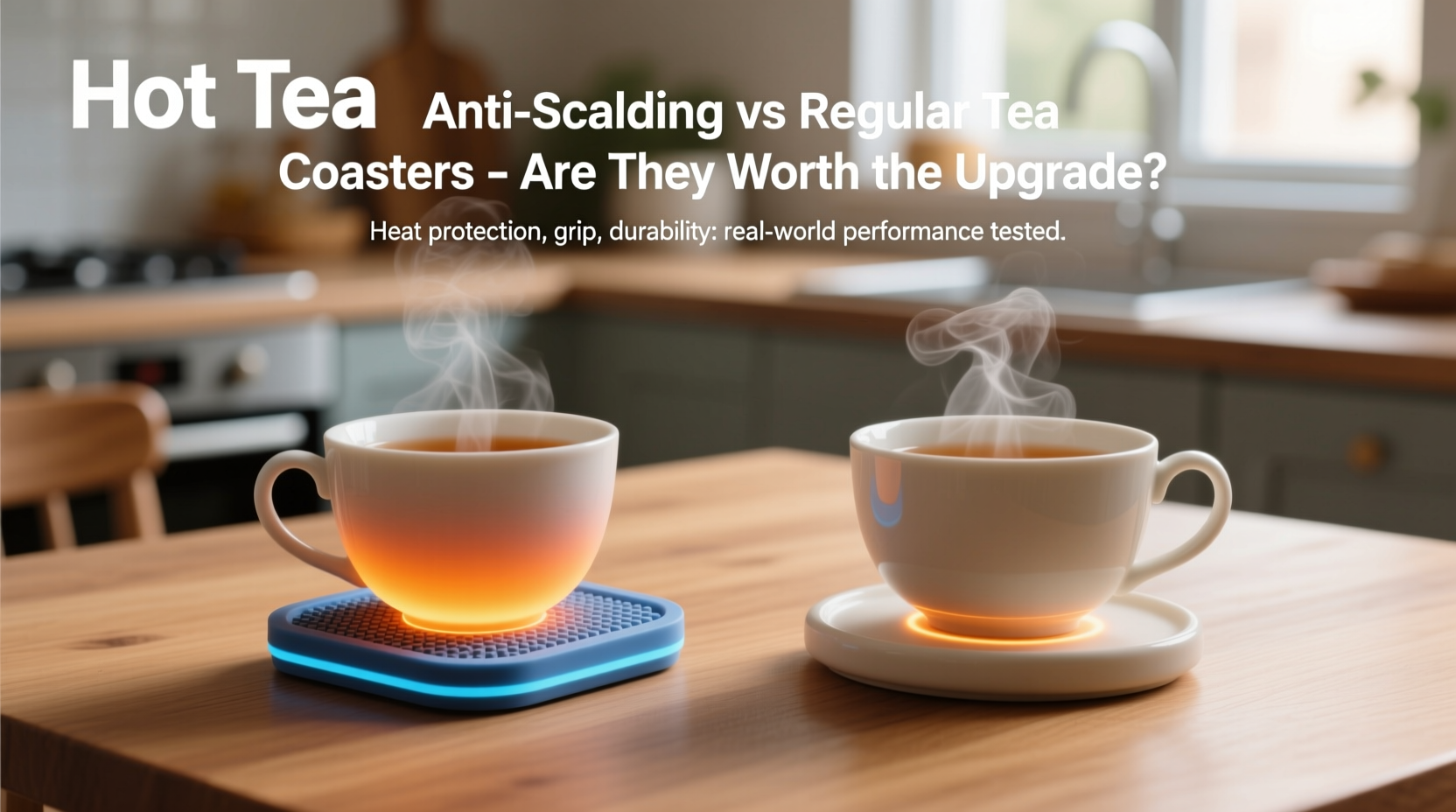
The primary distinction lies in design intent. Regular tea coasters focus on protecting furniture from condensation, spills, and moderate heat transfer. They come in various materials—cork, ceramic, wood, silicone—and are widely available at low cost. Their function is passive: absorb moisture and insulate surfaces.
Anti scalding coasters, on the other hand, are engineered with burn prevention as a priority. Many feature raised rims, enclosed wells, or locking mechanisms that physically restrict access to the mug’s base or handle area where heat radiates most intensely. Some even incorporate temperature-sensitive indicators that change color when the drink is too hot.
These features aim to reduce the risk of accidental contact burns—particularly relevant for young children who may reach for a steaming cup without understanding the danger.
Tip: If you frequently serve tea around kids or mobility-impaired adults, an anti scalding coaster adds a subtle but valuable layer of protection.Performance Comparison: Safety, Heat Protection, and Usability
To assess real-world value, it's essential to evaluate both types across key criteria. The table below summarizes their comparative strengths and limitations.
| Feature | Regular Coasters | Anti Scalding Coasters |
|---|---|---|
| Burn Prevention | Limited; only reduces surface heat | High; blocks access to hot zones |
| Heat Resistance | Good (varies by material) | Excellent (engineered for high temps) |
| Spill Containment | Fair to poor | Superior (many have drainage channels) |
| Aesthetic Flexibility | Wide variety of styles and finishes | More limited; functional design dominates |
| Price Range (per unit) | $0.50 – $3.00 | $5.00 – $15.00 |
| Cleaning & Maintenance | Easy (most are dishwasher-safe) | Moderate (complex shapes may trap residue) |
While regular coasters excel in affordability and versatility, anti scalding models outperform in safety-critical environments. However, their higher price point and sometimes bulky appearance can deter casual users.
Real-World Scenario: A Family Kitchen Test
Consider the Thompson household: two parents, a 3-year-old toddler, and weekly tea gatherings with grandparents. After a minor burn incident—when the child touched the side of a porcelain teacup left on a cork coaster—the family switched to anti scalding models.
They selected a set made from food-grade silicone with a deep well and vented lid that allows steam to escape while blocking direct touch. Over six months, there were zero further incidents. More surprisingly, the grandparents reported feeling more confident hosting guests, knowing the setup was safer.
In contrast, their previous ceramic coasters, while attractive, offered no barrier to heat transfer beyond the table surface. The upgrade wasn’t just about protection—it brought peace of mind.
“Burns from hot beverages account for nearly 20% of pediatric scald injuries in home settings. Simple interventions like protective coasters can significantly reduce risk.” — Dr. Lena Patel, Pediatric Emergency Medicine Specialist
When the Upgrade Makes Sense: A Practical Checklist
Not every household needs anti scalding coasters. Use this checklist to determine if they align with your lifestyle:
- ✅ Do you regularly serve hot drinks around young children?
- ✅ Are there elderly or cognitively impaired individuals in your home?
- ✅ Have you experienced spills or burns from tea or coffee before?
- ✅ Is your living space small or high-traffic, increasing accident risk?
- ✅ Are you willing to invest in long-term safety over short-term savings?
If three or more apply, the upgrade is likely worthwhile. For minimalist apartments, office spaces, or occasional tea drinkers, standard coasters remain perfectly adequate.
Material Matters: What Works Best?
Both coaster types vary widely in construction. Understanding materials helps inform better choices:
- Silicone: Flexible, heat-resistant up to 450°F, easy to clean. Common in anti scalding models due to moldability.
- Cork: Naturally insulating and absorbent, ideal for regular use but offers no physical barrier.
- Ceramic: Stylish and durable, but fragile and conducts heat more than expected.
- Stainless Steel: Found in premium anti scalding versions; excellent heat deflection but heavy and costly.
- Bamboo: Eco-friendly and attractive, though less effective against prolonged heat exposure.
For anti scalding functionality, dual-material designs—such as silicone wells inside bamboo frames—are emerging as optimal hybrids, balancing safety and aesthetics.
Step-by-Step: How to Choose the Right Coaster for Your Needs
- Assess your environment: Identify who uses the space and their vulnerability to burns.
- Determine usage frequency: Daily tea drinkers benefit more from durable, safe options.
- Set a budget: Anti scalding coasters range from mid-tier to luxury pricing.
- Test ergonomics: Ensure mugs fit securely without wobbling or difficulty removing.
- Evaluate cleaning needs: Complex shapes may require hand-washing; consider your routine.
- Prioritize certifications: Look for BPA-free labels, FDA compliance, or ASTM safety standards.
- Start small: Purchase one or two anti scalding coasters to test before committing to a full set.
Frequently Asked Questions
Can regular coasters prevent burns?
Only indirectly. While they reduce surface heat on tables, they don’t stop someone from touching the hot mug itself. The risk of contact burns remains unchanged.
Do anti scalding coasters work with all cup sizes?
Most are designed for standard mugs (2.5–3.5 inches in diameter). Oversized travel tumblers or narrow teacups may not fit securely. Always check dimensions before purchasing.
Are anti scalding coasters dishwasher safe?
Many are, especially those made entirely of silicone or stainless steel. However, models with glued components or electronic sensors (e.g., temp indicators) should be hand-washed. Check manufacturer instructions carefully.
Final Verdict: Worth the Investment?
The answer depends on context. For general use among healthy adults, regular tea coasters continue to deliver reliable performance at a fraction of the cost. Their wide availability and design diversity make them a sensible default choice.
However, in households where safety is paramount—families with toddlers, senior care settings, or shared workspaces with frequent hot beverage use—anti scalding coasters offer tangible advantages. The added protection, spill control, and psychological comfort justify the higher price for many users.
Moreover, as awareness grows and technology improves, we’re seeing smarter integration—like heat-sensing LEDs and modular stacking systems—that could soon redefine what a “coaster” can do.
🚀 Ready to enhance your tea experience with smarter safety? Try one anti scalding coaster today and see if it fits your routine. Share your thoughts with others considering the switch—your insight could help prevent an accident.








