Decorating a personal space is an intimate expression of identity. For fans of Japanese animation, the decision between using anime wallpaper or framed prints often comes down to more than just preference—it’s about how each option influences the atmosphere, longevity, and emotional resonance of a room. Both choices offer distinct advantages in visual impact, customization, and maintenance, but they serve different aesthetic and functional purposes. Understanding their strengths allows for a more intentional and satisfying design choice.
Visual Impact: Immersion vs Focus
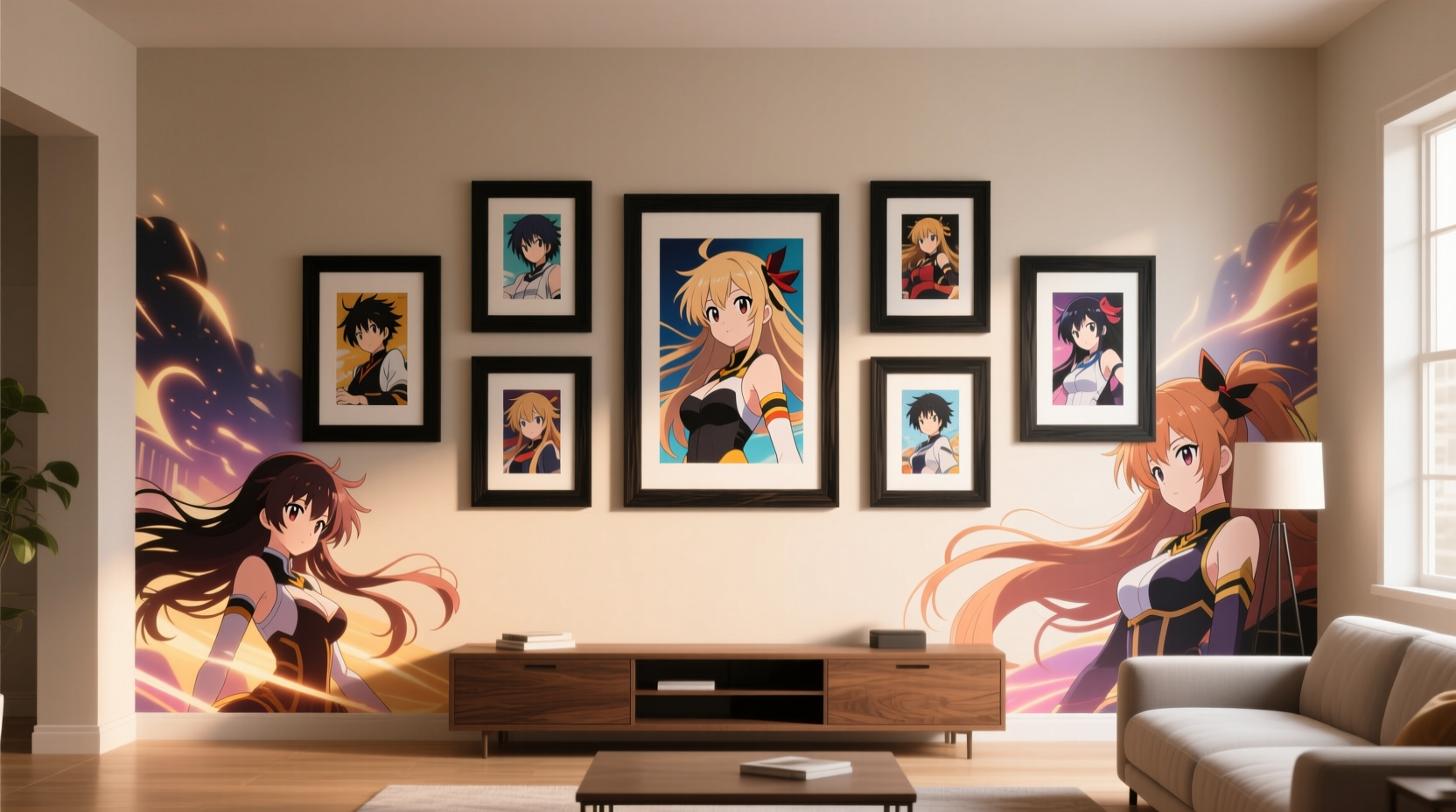
Anime wallpaper transforms a room into an immersive environment. When applied across one or multiple walls, it creates a panoramic backdrop that envelops the viewer. This approach works particularly well in bedrooms, gaming spaces, or home offices where mood and atmosphere are central to the experience. A high-resolution image of a beloved scene—such as Studio Ghibli’s floating castle or a dynamic moment from *Demon Slayer*—can act as a narrative centerpiece, drawing attention and setting a thematic tone.
In contrast, framed prints operate on the principle of curated focus. Rather than covering large surfaces, they function like gallery pieces, emphasizing individual moments or characters. A single print of Spike Spiegel from *Cowboy Bebop*, elegantly framed and lit, can command attention without dominating the entire space. This method aligns with minimalist and modern interior philosophies, where less is more and every object has intention.
Tip: Use anime wallpaper on a single accent wall to avoid overwhelming smaller rooms while still achieving visual depth.Psychological and Emotional Effects
The psychological impact of each medium differs significantly. Wallpapers, due to their scale and continuity, evoke a sense of presence. They can make viewers feel “inside” the world of the anime, fostering comfort and nostalgia. This effect is especially potent in personal retreats such as bedrooms, where emotional safety and familiarity are key.
Framed prints, however, invite contemplation. Their boundaries suggest importance, prompting viewers to pause and engage with the artwork. This makes them ideal for social areas or workspaces where conversation and inspiration matter. A well-placed print of *Neon Genesis Evangelion*’s Unit-01 emerging from the shadows may spark discussion or serve as a motivational symbol during long study sessions.
“Large-scale murals activate peripheral vision and influence mood subconsciously, while framed art engages focused attention and cognitive interpretation.” — Dr. Lena Torres, Environmental Psychologist
Customization and Flexibility
Anime wallpaper offers limited flexibility once installed. Most wallpapers are printed on rolls or custom-cut panels designed for specific dimensions. Changing them requires removal, which may damage paint or leave adhesive residue. However, advancements in removable vinyl wallpapers have made temporary installations feasible. These peel-and-stick options allow fans to rotate themes seasonally—perhaps switching from a *My Hero Academia* action scene in summer to a cozy *K-On!* winter classroom in December.
Framed prints excel in adaptability. Swapping frames, changing layouts, or rotating collections takes minutes. A grid layout of nine small frames featuring *Sailor Moon* transformations can be reconfigured into a diagonal cascade or replaced entirely with *Attack on Titan* character portraits. This modularity supports evolving tastes and seasonal updates without renovation.
Material Quality and Longevity
Durability plays a crucial role in long-term satisfaction. High-quality anime wallpaper—especially those made from non-woven or washable vinyl—can last 5 to 10 years with proper care. They resist fading if shielded from direct sunlight and can be gently cleaned with a damp cloth. However, humidity and frequent touching may degrade edges over time, particularly in high-traffic areas.
Framed prints, when properly protected behind UV-filtering glass or acrylic, resist fading significantly longer. Archival inks and acid-free matting extend lifespan to 15–25 years under normal indoor lighting. The frame itself, whether wood, metal, or composite, adds structural protection and contributes to overall durability. Unlike wallpaper, prints can be stored flat in protective sleeves when not displayed, preserving condition across decades.
“A well-framed giclée print on cotton rag paper can retain vibrancy for generations, far outlasting most wall coverings.” — Marcus Lin, Fine Art Conservator
Cost and Installation Comparison
Initial investment varies widely between the two options. Anime wallpaper typically costs $50–$150 per roll (covering ~56 sq ft), plus potential labor if professionally installed. Custom murals or photo wallpapers can exceed $300 depending on size and resolution. While DIY application is possible, air bubbles, misalignment, or improper paste mixing can compromise results.
Framed prints range from $20 for mass-produced posters in basic frames to $200+ for limited-edition artist-signed pieces in museum-grade framing. Budget-conscious collectors can start small and expand gradually. Digital downloads paired with self-printing offer near-zero marginal cost after the initial purchase.
| Feature | Anime Wallpaper | Framed Prints |
|---|---|---|
| Average Cost (Single Wall) | $100–$300 | $20–$200 (per piece) |
| Installation Difficulty | Moderate to High | Low |
| Lifespan (with care) | 5–10 years | 15–25+ years |
| Sunlight Resistance | Moderate (fades over time) | High (with UV glass) |
| Removability | Difficult (may damage walls) | Easy (no residue) |
| Customization Frequency | Low (infrequent changes) | High (easy rotation) |
Design Integration with Room Themes
How each option integrates with existing décor determines its effectiveness in enhancing aesthetics. Anime wallpaper demands cohesive supporting elements. A vibrant *One Piece* island scene pairs well with nautical furniture, wooden textures, and warm lighting. Without complementary colors or balance, the wallpaper risks appearing chaotic or kitschy.
Framed prints integrate more seamlessly into diverse styles. In a Scandinavian-inspired room with neutral tones, a black-and-white sketch of *Akira*’s Kaneda on a motorcycle adds subtle edge without disrupting minimalism. In a retro-themed space, vintage-style frames around 90s anime art reinforce era authenticity. The discrete nature of prints allows them to complement rather than compete with surroundings.
Tip: Match frame finishes to other metallic accents in the room—brushed nickel, matte black, or gold—to create visual harmony.Mini Case Study: Transforming a Dorm Room
Julia, a university student and lifelong anime enthusiast, wanted to personalize her 12'x10' dorm room without violating housing regulations. She considered full-wall wallpaper but was deterred by strict removal policies. Instead, she opted for three framed prints: a serene *Your Name* skybridge scene, a bold *Jujutsu Kaisen* character lineup, and a hand-drawn-style *Frieren* landscape.
She arranged them above her bed in a horizontal triptych, using removable adhesive strips. LED strip lights mounted behind the frames added ambient glow at night. The result was a deeply personal yet polished look that received compliments from peers and visitors. When the semester ended, Julia disassembled the display in under ten minutes, preserving both artwork and wall integrity.
This case illustrates how framed prints offer a balanced solution for temporary living situations, combining emotional value with practicality.
Step-by-Step Guide to Choosing the Right Option
Selecting between anime wallpaper and framed prints involves evaluating several factors. Follow this sequence to make an informed decision:
- Assess your space. Measure wall dimensions and note lighting conditions. South-facing rooms with strong sunlight favor UV-protected framed prints.
- Define your goal. Are you seeking immersion (wallpaper) or accentuation (prints)? Consider whether you want the anime theme to dominate or subtly enhance.
- Review budget and timeline. If funds are limited, start with one high-impact print and expand later. Wallpaper requires upfront investment and time.
- Check rental or ownership status. Renters should prioritize non-damaging solutions. Removable wallpaper or framed art with adhesive hooks are safer bets.
- Test with mockups. Use digital tools or tape outlines to visualize scale. A life-sized print layout prevents overcrowding.
- Source quality materials. Choose fade-resistant inks, archival paper, or washable wallpaper depending on your choice.
- Install thoughtfully. Use level tools, proper hangers, and consider sightlines. Art should be visible at natural eye level (approx. 57–60 inches from floor to center).
Common Pitfalls to Avoid
- Over-saturating the space. Too many characters or busy scenes can create visual clutter. Stick to 1–3 focal points.
- Ignoring color harmony. Ensure the palette of your anime art complements existing furniture and textiles.
- Using low-resolution images. Pixelation ruins immersion. Always use 300 DPI or higher for prints and wallpapers.
- Neglecting lighting. Shadows or glare can diminish impact. Position lights to highlight key features without reflection.
- Forgetting balance. Pair asymmetrical anime compositions with symmetrical furniture or vice versa to maintain equilibrium.
Frequently Asked Questions
Can I combine anime wallpaper and framed prints?
Yes, and doing so can create layered depth. Use wallpaper on an accent wall and hang framed prints in front or adjacent to it. Just ensure the styles complement rather than clash—for example, pair a soft-focus *Clannad* background with clean-lined character portraits in simple frames.
Which option holds better resale value?
Framed prints, especially limited editions or artist-signed pieces, can appreciate in value. Wallpaper has no resale benefit and may even deter buyers unfamiliar with the theme. Collectors often preserve framed anime art as part of niche memorabilia markets.
Are there eco-friendly options for either choice?
Yes. Look for wallpapers made from recycled paper or biodegradable vinyl with water-based adhesives. For prints, choose sustainably sourced wood frames and FSC-certified paper. Some studios now offer carbon-neutral printing services for anime merchandise.
Conclusion: Elevate Your Space with Intention
The choice between anime wallpaper and framed prints isn't about which is objectively better—it's about alignment with your lifestyle, space, and aesthetic goals. Wallpaper delivers drama and depth, ideal for private sanctuaries where immersion matters. Framed prints offer elegance, longevity, and adaptability, making them superior for evolving tastes and shared environments.
Ultimately, the most effective enhancement comes not from the medium itself, but from thoughtful curation. Whether you’re drawn to the cinematic sweep of a painted sky from *Spirited Away* or the quiet power of a solo portrait from *Tokyo Revengers*, let intention guide your decision. Design is not decoration—it’s storytelling. Make yours worth watching.
🚀 Ready to transform your space? Start by selecting one meaningful piece—whether a mural or a frame—and build around it with purpose. Share your anime room journey online and inspire others to decorate boldly and wisely.