In recent years, anime plushies have evolved from simple comfort objects into coveted collectibles with serious market value. What was once seen as a niche interest for fans of Japanese animation has transformed into a global phenomenon, where rare plush toys sell for hundreds—or even thousands—of dollars. Behind the soft fabric and embroidered eyes lies a complex ecosystem of fandom, scarcity, nostalgia, and investment. For many collectors, these plushies are more than just merchandise; they represent emotional connections, cultural identity, and in some cases, financial assets.
The surge in demand isn't accidental. It's driven by a combination of limited production runs, iconic character popularity, and the growing legitimacy of pop culture memorabilia as an investment class. Understanding why fans spend big on anime plushies requires looking beyond cuteness and diving into psychology, economics, and digital culture.
The Rise of Anime Plushies as Collectibles
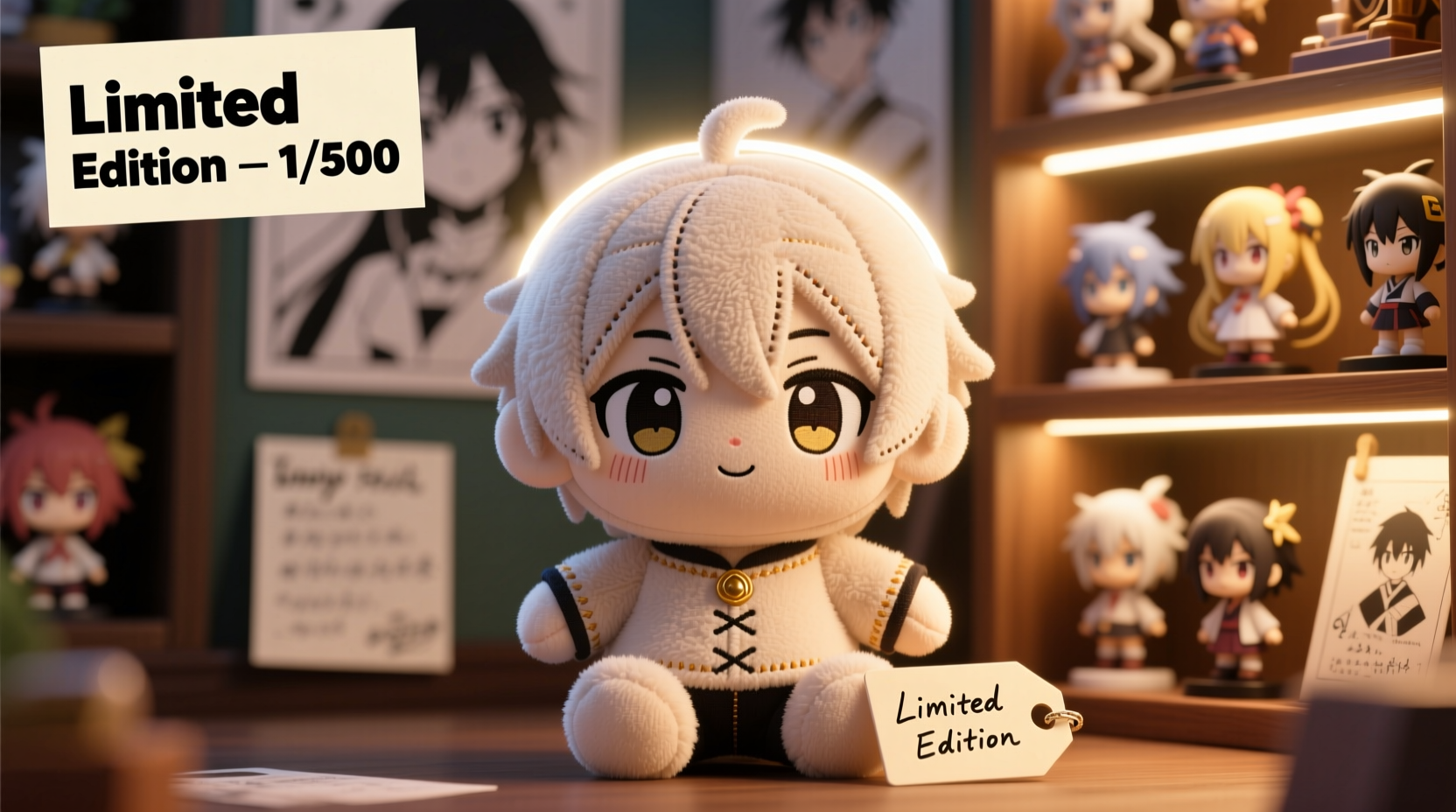
While plush toys have long been associated with children, the modern anime plushie market is dominated by adult collectors. This shift began in the early 2000s, as anime gained mainstream traction outside Japan. Series like *Sailor Moon*, *Pokémon*, and *Naruto* introduced Western audiences to emotionally rich storytelling and distinctive character designs—many of which were later adapted into plush form.
What set anime plushies apart was their attention to detail: accurate color schemes, character-specific accessories (like Sailor Moon’s wand or Pikachu’s tail), and high-quality materials. Limited edition releases from companies like Banpresto, Good Smile Company, and Animate further elevated their status. These weren’t mass-market toys—they were premium products released in small batches, often tied to seasonal events or anniversaries.
As online communities grew, so did the secondary market. Platforms like eBay, Mandarake, and Yahoo! Japan Auctions became hubs for trading and reselling rare items. A $30 My Melody x Demon Slayer crossover plush could fetch over $300 within months if it sold out quickly. Scarcity bred desire, and desire fueled prices.
Tip: Always check production labels and packaging authenticity when buying high-value plushies—counterfeits are common in the resale market.Factors That Determine Collectible Value
Not all anime plushies appreciate in value. Like any collectible, several key factors determine whether a plush will become a sought-after item:
- Limited availability: Plushies produced for a short time or in small quantities (e.g., store exclusives, event giveaways) tend to hold or increase value.
- Character popularity: Characters from hit series (*Demon Slayer*, *Jujutsu Kaisen*, *My Hero Academia*) command higher prices, especially if they’re fan favorites.
- Condition: Mint-condition plushies with original tags and packaging can be worth significantly more than used ones.
- Collaborations: Crossover merch (e.g., Sanrio x Attack on Titan) creates buzz and rarity.
- Aesthetic appeal: Cute, chibi-style designs or unique variants (glow-in-the-dark, flocked fabric) attract collectors.
“Scarcity combined with emotional resonance turns a plush toy into a cultural artifact.” — Dr. Lena Takahashi, Cultural Anthropologist specializing in otaku communities
Real Example: The Case of the Sold-Out Hug Me Saitama
In 2021, Animate released a life-sized “Hug Me” plush of Saitama from *One Punch Man*. Standing at nearly four feet tall, it featured weighted arms designed to simulate hugging back. Only 500 units were made worldwide, each priced at ¥12,800 (~$115 USD). Within hours, every unit sold out.
On resale sites, the plush began appearing for $400–$600. By 2023, verified listings reached $1,200. One collector in Los Angeles purchased it not for display but as part of a curated anime memorabilia portfolio, citing its uniqueness and brand recognition as long-term value drivers.
This case illustrates how exclusivity, humor, and physical novelty contribute to desirability—and price inflation.
Why Fans Spend Big: The Psychology Behind the Purchase
Spending hundreds on a stuffed animal may seem irrational to outsiders, but for fans, the decision is deeply personal. Several psychological and social factors come into play:
Nostalgia and Emotional Connection
Many collectors first encountered their favorite anime during formative years. Owning a plush of that character provides a tactile link to childhood memories, comfort, or personal growth. A *Neon Genesis Evangelion* plush might remind someone of getting through a difficult period while watching the series—a symbol of resilience.
Fandom Identity and Belonging
Displaying rare plushies signals membership in a community. At conventions or on social media, owning a hard-to-find item earns respect and sparks conversations. It becomes a badge of dedication—not just consumption, but participation.
The Thrill of the Hunt
Chasing down a rare release activates the same reward centers in the brain as gaming or gambling. The anticipation of restocks, the adrenaline of winning an auction, and the pride of finally acquiring a grail piece create powerful emotional highs.
Investment Mindset
An increasing number of buyers treat plushies as alternative assets. With traditional investments volatile, some see collectibles as tangible, passion-driven alternatives. While not liquid like stocks, rare plushies have shown steady appreciation—especially those linked to enduring franchises.
| Factor | Impact on Value | Example |
|---|---|---|
| Limited Run (under 1,000 units) | High | Studio Ghibli x Muji Totoro plush – now sells for 5x retail |
| Main Character from Hit Series | Medium-High | Goku Super Saiyan – consistently strong resale |
| Event-Exclusive Release | Very High | Tokyo Game Show 2019 Luffy figure – sold for $800+ |
| Open Packaging/Used | Low | Opened Naruto plush loses ~40% value |
| Counterfeit | Negative | Fake Nendoroid plushes flood markets |
How to Build a Valuable Plushie Collection: A Step-by-Step Guide
Collecting anime plushies with an eye toward value requires strategy. Follow this timeline to build a meaningful, appreciating collection:
- Define Your Focus (Month 1): Choose 1–2 series or studios to specialize in (e.g., Studio Ghibli, *Demon Slayer*, or Sanrio crossovers). Specialization increases expertise and helps spot undervalued items.
- Research Past Sales (Month 2): Use Mandarake, Yahoo! Auctions, and eBay completed listings to understand price trends. Look for patterns: Which characters hold value? When do restocks occur?
- Set a Budget & Stick to It (Ongoing): Decide how much you’re willing to spend monthly. Prioritize condition and authenticity over quantity.
- Monitor Official Channels (Weekly): Follow retailers like Animate, AmiAmi, and HobbyLink Japan. Sign up for newsletters and join Discord servers dedicated to anime merch drops.
- Purchase Smart (As Opportunities Arise): Buy directly from authorized sellers. Avoid third-party markups unless the item is already rare and fairly priced.
- Store Properly (Immediately After Purchase): Keep plushies in climate-controlled environments, away from sunlight. Use sealed plastic bins with silica gel to prevent dust and moisture damage.
- Track Value Over Time (Quarterly): Reassess your collection’s market worth. Note which pieces have appreciated and consider insuring high-value items.
Common Pitfalls to Avoid
Even passionate collectors make mistakes. Here are frequent errors and how to sidestep them:
- Buying solely for speculation: Not every limited plush will rise in value. If you don’t love the character, reconsider the purchase.
- Ignoring authentication: Fake plushies often mimic packaging and logos. Compare stitching quality and fabric texture with verified examples.
- Overpaying at launch: Wait 30–60 days after release. Prices often stabilize or drop slightly if demand doesn’t spike.
- Poor storage: Heat and humidity cause yellowing and mildew. Never store plushies in attics or basements.
- Skipping documentation: Keep receipts, box photos, and purchase records. They add credibility if you ever sell.
Checklist: Pre-Purchase Evaluation
- ☑ Is this a limited or exclusive release?
- ☑ Is the character currently popular or historically significant?
- ☑ Am I buying from a reputable seller?
- ☑ Does the plush come with original packaging and tags?
- ☑ Have I checked recent resale prices for similar items?
- ☑ Do I have space to store it properly?
FAQ: Your Top Questions Answered
Do anime plushies really increase in value?
Some do—particularly limited editions of popular characters from enduring franchises. However, most plushies retain only sentimental value. Research and patience are essential to identify potential appreciators.
How can I tell if a plush is authentic?
Check for official logos, consistent embroidery, correct color palettes, and packaging details. Compare with product images on official studio or retailer websites. Authentic plushies often have serial numbers or holographic stickers.
Should I open my collectible plush?
If you plan to resell, keep it sealed. For display, opening is acceptable—but handle carefully to avoid loose threads or stains. Once opened, value typically drops by 30–60%, depending on rarity.
Conclusion: More Than Just a Toy
Anime plushies occupy a unique space between art, emotion, and economy. Their collectible value stems not just from scarcity, but from the stories they represent and the communities that cherish them. For fans, spending big isn’t frivolous—it’s an act of devotion, memory, and sometimes, foresight.
Whether you're drawn to the whimsy of a chibi Naruto or the imposing presence of a life-sized Levi Ackerman, each plush carries meaning beyond thread and stuffing. And as anime continues to shape global culture, these soft sculptures may well become the heirlooms of a new generation.
💬 What’s your most prized anime plush? Share your story or collection tips in the comments—your insight could help another collector make their next great find.