For anime collectors, preserving the condition of limited-edition figures, plushies, posters, and exclusive box sets is more than a hobby—it’s an investment in passion. Over time, exposure to light, dust, humidity, and physical contact can degrade even the most carefully acquired items. Two popular solutions dominate the market: storage boxes and display cases. While both aim to protect collectibles, their effectiveness varies significantly depending on usage, environment, and type of merchandise. Understanding the strengths and limitations of each option is essential for anyone serious about maintaining the value and appearance of their collection.
Differences in Design and Functionality
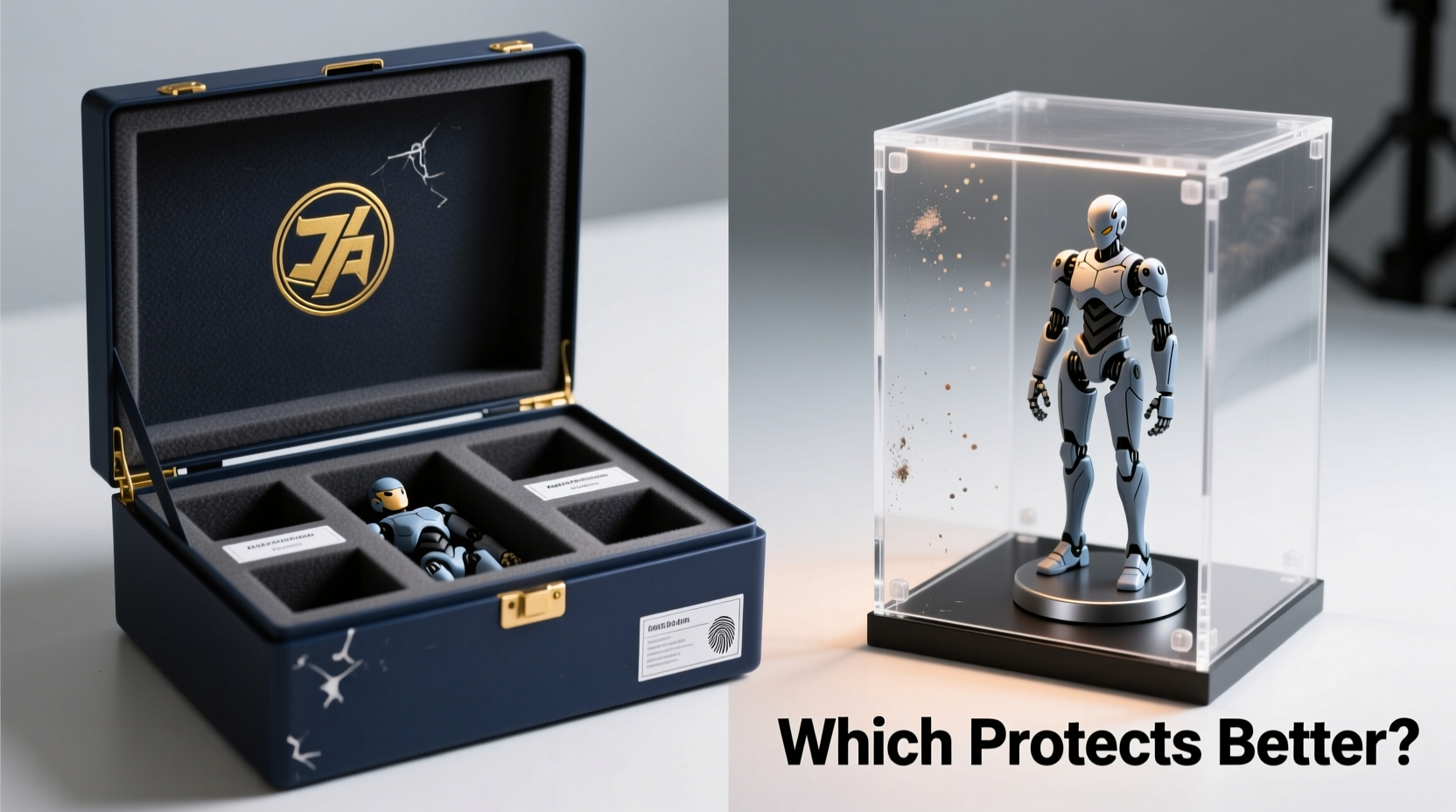
Storage boxes and display cases serve distinct purposes rooted in their design. Storage boxes are typically closed containers made from materials like cardboard, plastic, or fabric-covered chipboard. They prioritize concealment and stacking efficiency, often featuring lids, handles, or zip closures. Their primary function is containment—keeping items out of sight and protected during transport or long-term storage.
Display cases, on the other hand, are transparent enclosures—usually constructed from acrylic or glass—with fixed or hinged panels that allow visibility while limiting direct access. These units are designed for aesthetic presentation, enabling fans to showcase their prized possessions without constant handling.
The fundamental trade-off lies in accessibility versus protection. Display cases offer visual appeal but may compromise on environmental shielding if not properly sealed. Storage boxes provide superior isolation from external elements but sacrifice immediate visibility.
Tip: Always remove price tags and adhesive labels before storing or displaying items—residue can cause permanent staining over time.Environmental Protection: Dust, Light, and Humidity
Three major threats to anime merchandise are airborne dust, ultraviolet (UV) radiation, and fluctuating humidity levels. Each plays a role in material degradation, color fading, and surface damage.
Dust accumulation is one of the most common issues. It settles on surfaces, clogs joints in articulated figures, and attracts moisture when combined with oils from fingerprints. Display cases with tight-sealing edges offer moderate defense, especially models with silicone gaskets. However, many budget-friendly acrylic cases have small gaps around hinges or corners, allowing fine particles to enter gradually. In contrast, fully enclosed storage boxes—particularly those with snap or slide-lock mechanisms—create near-total barriers against dust when kept closed.
UV exposure is particularly damaging to vinyl figures, printed artwork, and fabric-based goods like hoodies or tapestries. Prolonged sunlight causes pigments to break down, leading to yellowing and loss of vibrancy. Most display cases use clear acrylic, which blocks only about 50–60% of UV rays unless specifically treated. High-end versions may include UV-filtering coatings, but these come at a premium. Storage boxes, being opaque, completely eliminate light exposure when shut—making them inherently safer for sensitive items.
Humidity and temperature fluctuations pose silent risks. In humid climates, trapped moisture inside poorly ventilated cases can encourage mold growth on paper goods or corrosion on metallic accessories. Some collectors report “fogging” inside acrylic cases due to condensation changes between day and night temperatures. Storage boxes made from breathable materials like fabric-covered board can wick some moisture, but plastic bins with ventilation holes offer better airflow control. For maximum protection, silica gel packs should be used in both systems.
“Long-term preservation isn’t just about keeping items clean—it’s about minimizing all forms of environmental stress. Light, air, and touch are cumulative enemies.” — Dr. Lina Park, Conservator at the National Pop Culture Archive
Comparison Table: Key Protection Factors
| Protection Factor | Storage Boxes | Display Cases |
|---|---|---|
| Dust Resistance | Excellent (when sealed) | Moderate to Good (depends on seal quality) |
| UV/Light Exposure | None (opaque materials) | Poor to Moderate (unless UV-coated) |
| Physical Impact Protection | Good (rigid walls absorb shocks) | Fair (glass/acrylic can crack under pressure) |
| Visibility & Aesthetics | Poor (items hidden) | Excellent (360° viewing) |
| Humidity Control | Variable (can add desiccants) | Risk of condensation (especially in non-vented models) |
| Portability | High (stackable, lightweight options) | Low (bulky, fragile, hard to move) |
| Cost Efficiency | High (affordable bulk storage) | Lower (premium pricing for clarity and design) |
Real Collector Scenario: Preserving Limited-Edition Figures
Takeshi M., a collector from Osaka, owns over 120 anime figures, including rare Nendoroids and exquisitely painted statues from Aniplex and Good Smile Company. After purchasing a highly detailed Demon Slayer Nezuko figure for $450, he debated whether to display it proudly on his shelf or store it safely in its original packaging.
He initially placed it in a standard acrylic display case near a window. Within six months, he noticed subtle discoloration along the figure’s pink kimono and a faint haze forming on the acrylic interior. Upon inspection, he realized morning sunlight was streaming directly onto the case, generating heat buildup and UV exposure. Additionally, dust had accumulated inside despite weekly wiping.
After researching preservation methods, Takeshi switched to using archival-grade plastic storage boxes with foam padding. He lined each compartment with acid-free tissue paper and added silica gel packets. Though he could no longer view the figure daily, its condition remained pristine after two years. For select pieces he still wishes to show, he now uses museum-grade display cases with UV-blocking glass and climate-controlled room placement.
This case illustrates a balanced approach: total protection through storage, selective display under controlled conditions, and continuous monitoring of environmental factors.
Actionable Checklist: Choosing the Right System
- ✅ Assess your environment: Is your space prone to sunlight, high humidity, or frequent dust?
- ✅ Identify your priorities: Do you value visibility or long-term preservation more?
- ✅ Evaluate item fragility: Are your collectibles made of delicate materials like resin, fabric, or paper?
- ✅ Consider frequency of access: Will you handle items often, or leave them untouched for years?
- ✅ Budget for quality: Invest in UV-resistant cases or sealed plastic bins rather than flimsy alternatives.
- ✅ Combine strategies: Use display cases for rotation and storage boxes for backup preservation.
- ✅ Monitor regularly: Check for signs of wear, fogging, or pest activity every few months.
Best Practices for Long-Term Preservation
No single solution offers perfect protection. The most effective strategy combines the strengths of both storage boxes and display cases within a structured preservation plan. Here’s a step-by-step guide to maximizing collectible lifespan:
- Sort by Value and Fragility: Separate items into tiers—high-value/rare, frequently handled, decorative-only, and archival-only.
- Use Original Packaging When Possible: Factory boxes often include molded inserts and protective wraps ideal for storage.
- Choose Acid-Free Materials: Whether using storage boxes or internal padding, avoid acidic papers or foams that can transfer yellowing over time.
- Seal and Label: Clearly mark contents and dates on boxes. Use tamper-evident tape for added security.
- Rotate Displays Seasonally: Limit UV exposure by rotating displayed items every 3–6 months, storing others away.
- Control Room Conditions: Maintain indoor humidity between 45–55% and temperature around 70°F (21°C). Avoid basements and attics.
- Clean Safely: Use microfiber cloths and specialized cleaners formulated for plastics or fabrics. Never use household glass cleaners on acrylic cases.
Frequently Asked Questions
Can I use regular plastic bins as storage boxes for anime merch?
Yes, but ensure they are made from polypropylene or polyethylene—materials known for low chemical off-gassing. Avoid PVC containers, which can emit harmful vapors over time. Opt for bins with tight-fitting lids and consider adding soft lining to prevent scratches.
Do display cases prevent yellowing of figures?
Only partially. While cases shield against dust and handling, they do not stop UV-induced yellowing unless equipped with UV-filtering coatings. Clear acrylic naturally degrades under prolonged light exposure and may itself turn yellow. For best results, pair display cases with indirect lighting and periodic rotation.
Should I keep figures in their original boxes?
If long-term preservation is your goal, yes. Mint-in-box (MIB) items retain higher resale value, especially limited editions. However, store the boxes flat—not stacked vertically—to prevent crushing. Reinforce corners with cardboard inserts and wrap in breathable fabric covers if storing long-term.
Final Recommendation: Balance Visibility and Safety
The question isn’t whether storage boxes or display cases protect better—it’s how to use both wisely. For ultimate protection, storage boxes win decisively. They block light, limit oxygen exchange, resist dust, and simplify organization. But they lack emotional payoff; hiding your collection defeats the joy of ownership.
Display cases fulfill the desire to celebrate fandom, but they must be chosen and maintained carefully. Look for models with UV-resistant materials, positive-pressure seals, and optional ventilation. Place them away from windows and HVAC vents. And remember: what’s on display today can go into archival storage tomorrow.
The smart collector doesn’t choose one system over the other—they integrate both. Rotate showcased pieces. Keep backups sealed and labeled. Monitor conditions consistently. Treat your collection not just as memorabilia, but as cultural artifacts worthy of thoughtful care.
🚀 Take action today: Audit your current setup. Identify one item at risk and relocate it to proper storage. Share your journey with fellow fans—preservation starts with awareness.








