For collectors, limited edition anime figurines represent more than just decorative items—they’re investments in art, nostalgia, and fandom. Whether acquired through pre-orders, rare releases, or convention exclusives, these pieces often carry significant monetary and emotional value. However, their delicate materials—typically PVC, ABS resin, or hand-painted finishes—are vulnerable to environmental threats like dust, UV light, humidity, and accidental impact. Without proper storage, even the most pristine figurine can degrade over time. The right storage solution doesn’t just shield your collection; it preserves its condition, maintains resale value, and allows for elegant display. This guide explores practical, tested strategies to keep your limited-edition anime figurines safe, clean, and visually striking for years to come.
Understanding the Risks: What Damages Anime Figurines?
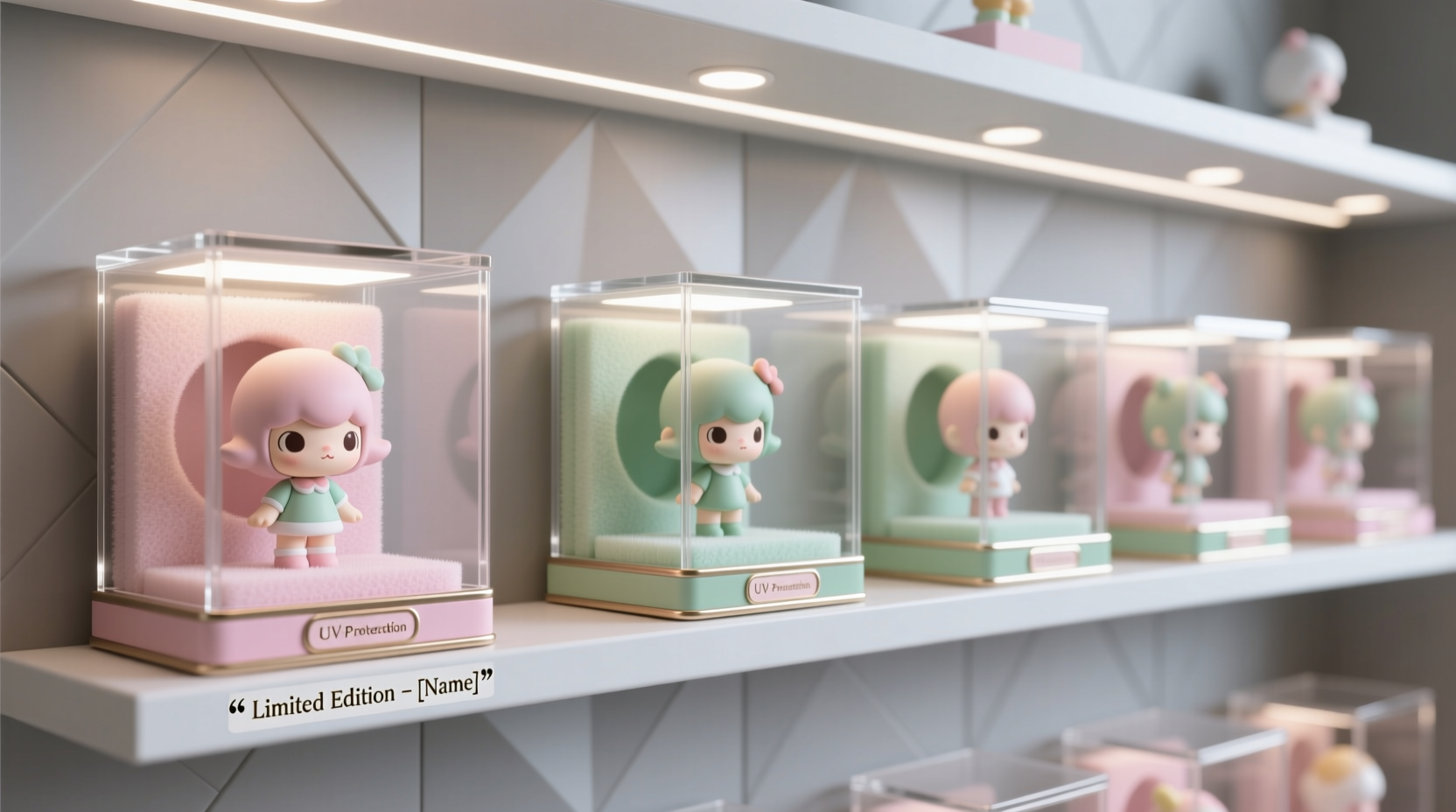
Limited edition anime figurines are often crafted with precision, featuring intricate paintwork, translucent parts, and fragile accessories. Unfortunately, several environmental factors can compromise their integrity:
- Dust accumulation: Fine particles settle on surfaces, dulling paint and clogging detailed crevices. Over time, dust becomes abrasive when wiped improperly.
- UV exposure: Sunlight or strong artificial lighting causes color fading, yellowing of clear plastics, and weakening of adhesives used in assembly.
- Humidity and temperature shifts: High moisture levels promote mold growth and degrade packaging materials. Rapid temperature changes cause expansion and contraction, potentially leading to cracks.
- Physical contact: Bumping, dropping, or overcrowding shelves can snap delicate parts like wings, weapons, or hair strands.
- Chemical exposure: Airborne pollutants, cleaning sprays, or improper polishes can react with plastic surfaces, causing cloudiness or stickiness.
Recognizing these risks is the first step toward effective preservation. Storage isn’t merely about hiding items away—it’s about creating a stable microenvironment that minimizes degradation while allowing appreciation of the artwork.
Tip: Never place figurines directly on windowsills or near air vents—both expose them to fluctuating conditions that accelerate aging.Best Storage Solutions for Limited Edition Figurines
The ideal storage method balances protection with visibility. Below are five proven approaches, each suited to different collection sizes, budgets, and display preferences.
1. Acrylic Display Cases
Acrylic cases are among the most popular choices for serious collectors. They offer full visibility while shielding figurines from dust, fingerprints, and minor impacts. Look for cases with UV-protective coatings to prevent color fading. Modular designs allow stacking or wall-mounting, making them ideal for corner shelves or dedicated display rooms.
2. Glass Cabinet with Sealed Edges
For maximum protection, glass cabinets with gasket seals minimize air exchange and block dust effectively. Tempered glass resists breakage, and locking mechanisms deter accidental openings. These are especially useful in high-traffic homes or households with pets and children.
3. Original Packaging (When Applicable)
If you're preserving figurines as collectibles rather than display pieces, keeping them sealed in original boxes—with inner foam or plastic inserts—is a smart move. Store boxes upright in dry, dark closets. Use acid-free tissue paper inside if resealing after inspection.
4. Floating Shelves with Back Panels
Modern floating shelves equipped with acrylic back panels create a minimalist look while blocking rear dust entry. Pair them with LED strip lighting (low heat, non-UV) to highlight details without risking damage.
5. Climate-Controlled Display Rooms
For large collections, consider dedicating a room with controlled temperature (68–72°F) and humidity (45–55%). Install a dehumidifier and use HVAC filters to reduce airborne contaminants. This level of care is common among professional collectors and museums.
“Long-term preservation starts with environment control. Even the sturdiest case won’t help if the room itself is damp or sunlit.” — Kenji Tanaka, Collector & Preservation Consultant, Tokyo Figurine Archive
Do’s and Don’ts of Figurine Storage
| Do’s | Don’ts |
|---|---|
| Store in low-light areas away from direct sunlight | Place near windows or under skylights |
| Use anti-static cloths for gentle dusting | Wipe with household cleaners or alcohol wipes |
| Handle figurines by their base, not delicate protrusions | Hold by arms, hair, or weapon accessories |
| Rotate displayed pieces seasonally to reduce light exposure | Leave the same figurine under constant light for months |
| Label storage boxes clearly to avoid stacking pressure | Bury boxes under heavy items in storage |
Step-by-Step Guide: Setting Up a Protective Display System
Creating a long-term storage and display setup requires planning. Follow this timeline to build a system that protects your investment:
- Assess Your Collection (Week 1): Inventory all figurines, noting size, material, and current condition. Separate those meant for display vs. archival storage.
- Choose Locations (Week 2): Identify rooms with stable temperatures and minimal foot traffic. Avoid kitchens, bathrooms, and attics due to humidity fluctuations.
- Select Enclosures (Week 3): Purchase acrylic cases or cabinets based on your largest and most valuable pieces. Ensure internal dimensions allow space around each figurine (at least 2 inches clearance).
- Install Lighting (Week 4): Use LED lights with timers or motion sensors to limit exposure. Position lights above or below displays, never shining directly onto surfaces.
- Implement Maintenance Schedule (Ongoing): Plan bi-monthly inspections for dust, discoloration, or structural issues. Clean only when necessary using approved methods.
- Add Environmental Controls (Optional, Week 5–6): Introduce a hygrometer and small dehumidifier if humidity exceeds 60%. Consider UV-filtering window film if natural light is unavoidable.
Real Collector Example: Preserving a 10-Year Gurren Lagann Collection
Tyler M., a collector from Vancouver, began acquiring limited-run Gurren Lagann figurines in 2014. His centerpiece—a 1:1 scale Lagann head—was purchased at a Japan-exclusive event and valued at over $1,200. Initially displayed on an open shelf, he noticed subtle fading on the red accents within two years. After consulting preservation forums, Tyler upgraded to a custom-built, UV-filtered glass cabinet with internal climate monitoring. He now rotates his figurines every three months, stores spares in padded archival boxes, and uses a handheld air blower for dust removal. “I lost one piece to a pet accident early on,” he recalls. “Now everything stays behind glass. It’s worth it to keep them museum-grade.”
Essential Care Checklist for Long-Term Protection
Use this checklist monthly to ensure your storage system remains effective:
- ✅ Inspect each figurine for signs of yellowing, chipping, or loose parts
- ✅ Wipe down exterior case surfaces with a microfiber cloth
- ✅ Replace silica gel desiccants if color indicator shows saturation
- ✅ Verify that lighting systems are functioning without overheating
- ✅ Check for pest activity (e.g., silverfish or mold) near storage units
- ✅ Confirm that no new sources of vibration (e.g., speakers, appliances) are nearby
- ✅ Document condition with dated photos for insurance or resale purposes
Frequently Asked Questions
Can I use regular glass instead of acrylic for display cases?
Yes, but tempered glass is safer than standard glass due to its resistance to shattering. However, acrylic is lighter, less reflective, and offers better UV protection when coated. For tall or multi-tiered displays, acrylic reduces weight stress on shelves.
How often should I clean my figurines?
Cleaning should be minimal. Dust gently with a soft brush or compressed air every 4–6 weeks. Deep cleaning—such as removing smudges or fingerprints—should only occur when absolutely necessary and done with a cotton swab lightly dampened with distilled water. Never submerge PVC figurines.
Is it safe to store figurines in basements or garages?
No. Basements and garages typically experience wide swings in temperature and humidity, increasing the risk of warping, mold, and condensation. These environments also tend to attract pests. Always store valuable collectibles in interior, climate-stable rooms.
Conclusion: Protect Passion with Purpose
Limited edition anime figurines are more than merchandise—they’re milestones in a fan’s journey. Every detail, from the sculpt to the paint application, reflects craftsmanship worth honoring. By investing in thoughtful storage, you’re not just preventing dust buildup or scratches; you’re safeguarding memories, artistic value, and future enjoyment. Whether you have one prized possession or a room-sized collection, the principles remain the same: control the environment, minimize handling, and prioritize long-term stability over short-term convenience. A well-maintained figurine today could become a sought-after heirloom tomorrow.
💬 Have a unique storage solution or preservation story? Share your experience in the comments—your insight might help fellow collectors protect their treasures just a little better.








