The arrival of December often means one thing in many households: the return of the Elf on the Shelf. This festive tradition has evolved from a simple storybook character into a full-blown holiday phenomenon, with families eagerly awaiting their elf’s nightly antics. But as technology advances, a new version has entered the scene—an animated, moving, talking elf. These high-tech versions promise louder laughs, more surprises, and greater interaction. Yet, traditionalists argue that the charm lies in the stillness—the imagination-fueled adventures of a static figurine perched on a shelf. So, which version truly captures children’s attention and fosters deeper engagement?
Engagement isn’t just about excitement; it’s about sustained interest, emotional connection, and creative participation. While an animated elf may dazzle with lights and sound, a static elf relies on storytelling and child-led interpretation. Understanding how each type influences a child’s behavior, imagination, and family dynamics is key to deciding which approach aligns best with your household’s values and traditions.
The Magic of Movement: How Animated Elves Capture Attention
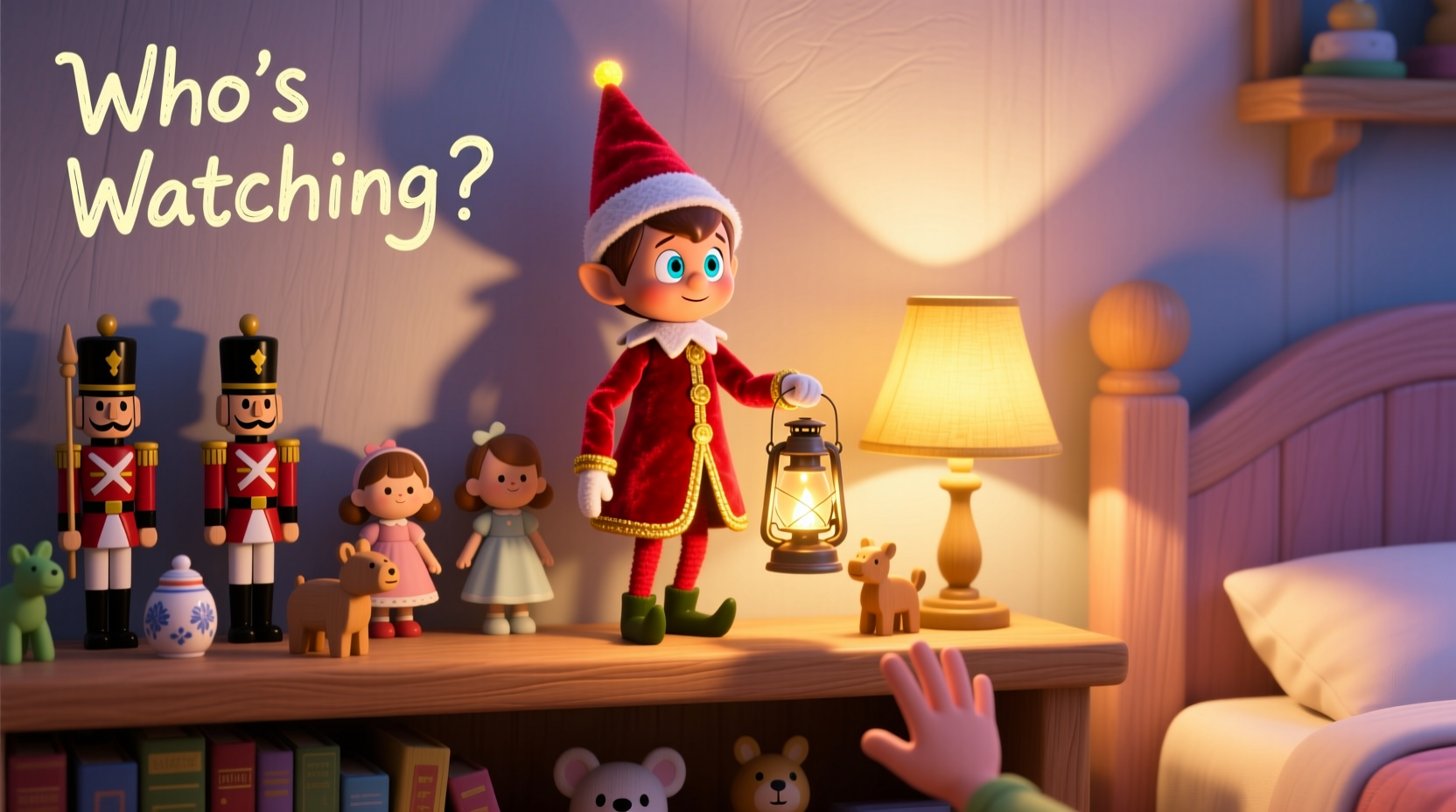
Animated elves are designed to grab attention immediately. With motion sensors, pre-recorded phrases, glowing eyes, and even remote-controlled movement, these elves offer a sensory experience that feels more like entertainment than tradition. Many parents report that their children run to check on the elf each morning, drawn by the novelty of finding it mid-action—waving, singing, or spinning in place.
This instant gratification can be powerful, especially for younger children who respond well to auditory and visual stimuli. The surprise factor is amplified when the elf speaks or moves unexpectedly. Some models even come with apps that allow the elf to “text” messages to parents or play holiday songs on command. These features create moments of shared laughter and photo-worthy scenes, making social media sharing easy and fun.
However, the very elements that make animated elves exciting can also shorten their lifespan of wonder. Children may quickly learn the patterns—how the sensor triggers, what phrases repeat, or how limited the movements are. Once the novelty wears off, the elf risks becoming background noise rather than a source of daily anticipation.
Tip: To extend the magic of an animated elf, vary its placement and pair its actions with handwritten notes or small clues to keep the narrative evolving.The Power of Imagination: Why Static Figurines Foster Deeper Engagement
In contrast, a static Elf on the Shelf does nothing on its own. It doesn’t speak, move, or light up. Its power lies entirely in the story surrounding it—the belief that it watches quietly during the day and flies back to the North Pole each night to report to Santa. The magic is not in what the elf does, but in what the child imagines it could have done.
Because the figurine remains motionless, children are invited to interpret its new position each morning. Why is it balancing on the bookshelf? Why is it holding a candy cane? What mischief did it get into overnight? These questions spark narrative thinking, creativity, and problem-solving. Parents often enhance the experience by leaving tiny clues, crafting elaborate scenes, or writing notes in glittery handwriting.
Educational psychologists emphasize the developmental benefits of open-ended play. According to Dr. Laura Jana, pediatrician and author of The Toddler Brain, “When children are given the space to imagine, they build cognitive flexibility, language skills, and emotional intelligence.” A static elf, by design, creates that space. It doesn’t dictate the story—it invites the child to co-author it.
“Imagination is not a break from reality—it’s practice for it. When kids invent stories around a still figure, they’re rehearsing empathy, cause-and-effect reasoning, and narrative structure.” — Dr. Karen Russ, Child Development Specialist
Comparing Engagement: A Side-by-Side Analysis
To better understand the differences between animated and static elves, consider how each performs across key engagement metrics. The table below outlines core aspects of interaction, longevity, creativity, and parental effort.
| Factor | Animated Elf | Static Figurine |
|---|---|---|
| Initial Excitement | High – Immediate sensory impact | Moderate – Builds gradually with storytelling |
| Creativity Required | Low – Scripted actions limit open-ended play | High – Encourages imaginative interpretation |
| Longevity of Interest | Shorter – May lose appeal after repetition | Longer – Sustained by evolving narratives |
| Parental Effort | Moderate – Setup and charging, but less storytelling | Higher – Requires daily setup and note-writing |
| Emotional Connection | Surface-level joy and surprise | Deeper bonding through shared storytelling |
The data suggests that while animated elves win in initial \"wow\" factor, static figurines foster richer, longer-lasting engagement. The trade-off is effort: maintaining a compelling static elf routine demands time and creativity from caregivers. But for many families, that investment pays dividends in meaningful interaction and lasting memories.
A Real Family Experience: Two Approaches, One Household
The Thompson family of Portland, Oregon, decided to test both types of elves during the 2023 holiday season. They introduced an animated elf named Jingle on December 1st, complete with voice activation and dance routines. Their 6-year-old daughter, Mia, was thrilled at first—rushing downstairs every morning, giggling when the elf waved or sang snippets of “Jingle Bells.”
But by the second week, Mia began predicting the elf’s behavior. “He’s going to say ‘I saw you eating cookies!’ again,” she’d sigh. The family noticed her checking less frequently, sometimes not until after school.
On December 15th, they quietly replaced Jingle with a traditional static elf named Sprinkle. No sounds, no movement—just a new pose each morning. This time, the parents leaned into storytelling: Sprinkle left tiny footprints in flour, “accidentally” knocked over a reindeer ornament, and once appeared wearing a paper crown made from cereal box scraps.
Mia’s engagement transformed. She started creating her own explanations: “Sprinkle had a snowball fight with the cat!” or “He was trying to fix the TV remote!” She began drawing pictures of his adventures and asking her parents to write down his “reports” to Santa. The shift wasn’t about losing magic—it was about reclaiming it through imagination.
By Christmas Eve, Mia wrote Sprinkle a thank-you note. “You were my favorite elf because you let me tell your story,” she wrote. The family plans to retire the animated version and stick with static elves moving forward.
How to Maximize Engagement, Regardless of Elf Type
Whether you choose an animated or static elf, the key to sustained engagement lies in consistency, creativity, and connection. Here’s a practical checklist to keep the magic alive throughout the season:
- Create a backstory: Give your elf a personality, likes, and quirks (e.g., afraid of dogs, loves marshmallows).
- Vary locations strategically: Place the elf where it interacts with daily life—on the toothbrush holder, in the pet’s bed, peeking from behind the fridge.
- Leave clues or notes: Use glitter, tiny footprints, or crumpled “North Pole parchment” to deepen the narrative.
- Incorporate family values: Have the elf model kindness, such as leaving a note praising a sibling for sharing toys.
- Involve older kids: Let them help stage scenes or write notes—this builds ownership and reduces parental burden.
- End with meaning: On Christmas Eve, send the elf “home” with a farewell message or small ritual.
For those using animated elves, consider limiting their use to weekends or special days (like the start of vacation or Christmas Eve countdown) to preserve novelty. Pair their appearances with unique events—“Elf Dance Party Night” or “Santa’s Final Inspection”—to prevent desensitization.
Frequently Asked Questions
Do animated elves scare younger children?
Some toddlers and preschoolers may find sudden noises or movements startling, especially if the elf activates unexpectedly. It’s wise to introduce animated features gradually and observe your child’s reaction. For sensitive kids, a static elf may be a gentler introduction to the tradition.
Can I switch from an animated to a static elf mid-season?
Yes—and many families do. You can explain the change as part of the elf’s journey: perhaps the magic wore off, or Santa needed the animated units back for training. Framing it as a story development maintains believability while allowing flexibility.
Are static elves worth the extra effort?
For families prioritizing creativity, connection, and long-term tradition-building, yes. The effort invested in staging scenes and writing notes often becomes a cherished part of the holiday rhythm. Many parents report that the quiet moments of setting up the elf become reflective, joyful rituals in themselves.
Conclusion: Choosing the Right Kind of Magic
The debate between animated and static elves isn’t about which is objectively better—it’s about what kind of engagement you want to cultivate in your home. Animated elves deliver spectacle and instant delight, perfect for families seeking low-effort, high-energy moments. But if you value imagination, storytelling, and emotional depth, a static figurine offers something rarer: the gift of co-created wonder.
Children grow up fast. The years they believe in flying elves are fleeting. In that window, the goal isn’t just to entertain them—it’s to connect with them, to enter their world, and to help them see magic in the ordinary. A motionless doll on a shelf can do that more powerfully than any battery-operated performance.
💬 What kind of elf do you use—and why? Share your family’s tradition, tips, or funny elf moments in the comments. Let’s keep the spirit of playful storytelling alive this holiday season.