Texas homeowners face unique challenges when it comes to maintaining lush, attractive landscapes. With hot summers, irregular rainfall, and frequent droughts, keeping a vibrant yard can seem expensive and unsustainable. However, smart planning and cost-effective strategies make it possible to achieve beautiful outdoor spaces without draining your wallet or overusing precious water resources. From efficient irrigation systems to native plant selection, this guide explores practical, budget-friendly approaches tailored to the Lone Star State’s climate and soil conditions.
Understanding Texas Climate and Soil Challenges
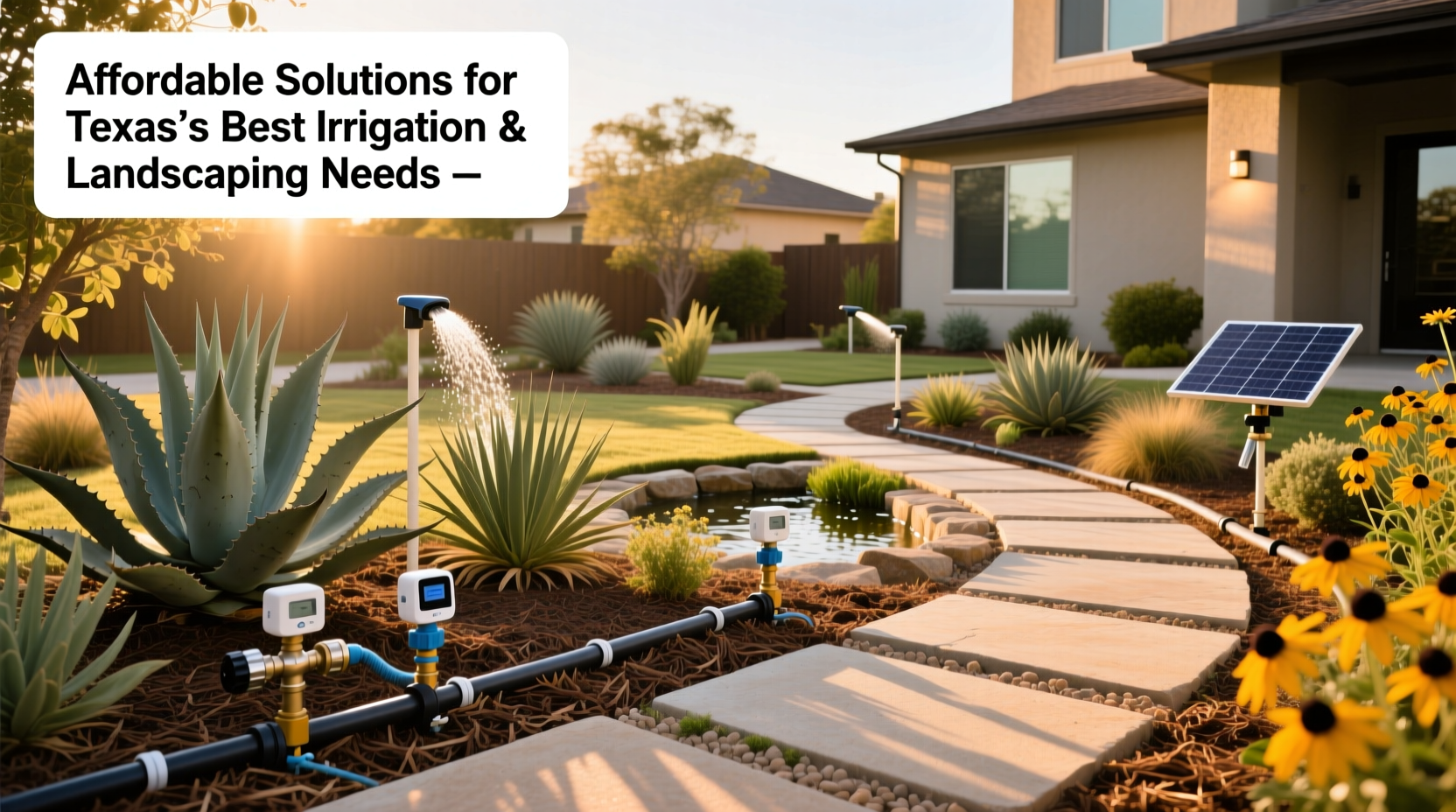
Texas spans multiple climate zones—from humid east to arid west—each presenting different landscaping demands. Most regions experience high evaporation rates, alkaline soils, and extended dry periods. These factors increase water demand and stress on non-native plants, leading to higher maintenance costs and resource waste.
The key to affordability lies in working with nature, not against it. Choosing drought-tolerant species, improving soil health, and reducing dependency on constant watering are foundational steps. Municipalities like Austin and San Antonio offer rebates for water-saving upgrades, making now an ideal time to invest in sustainable changes.
“Landscaping that aligns with local ecology doesn’t just save water—it saves homeowners hundreds annually in maintenance and utility costs.” — Dr. Luis Mendez, Texas A&M AgriLife Extension Specialist
Cost-Effective Irrigation Upgrades
Traditional sprinkler systems can waste up to 50% of water due to evaporation, runoff, or overspray. Modern, low-cost irrigation improvements significantly enhance efficiency while minimizing long-term expenses.
Tip: Water early in the morning (before 7 AM) to reduce evaporation and prevent fungal growth.Smart Timers and Sensors
Upgrading to a smart irrigation controller is one of the most impactful yet affordable changes. These devices adjust watering schedules based on weather data, soil moisture, and seasonal changes. Units like the RainMachine or Orbit B-hyve start at around $100 and often pay for themselves within a year through reduced water bills.
Drip Irrigation Systems
Drip lines deliver water directly to plant roots, minimizing waste. They’re especially effective for flower beds, vegetable gardens, and shrubs. DIY kits from hardware stores cost between $50 and $150, depending on yard size, and installation typically takes under a day.
Rainwater Harvesting
Installing a rain barrel (starting at $80) captures runoff from rooftops for later use. In central Texas, a single inch of rain on a 1,000 sq ft roof yields about 600 gallons. Many cities offer discounts—San Antonio provides up to $50 per barrel.
| Irrigation Method | Avg. Cost | Water Savings | Best For |
|---|---|---|---|
| Traditional Sprinklers | $0 (existing) | Baseline | Large lawns (high water use) |
| Smart Controller | $100–$250 | 20–40% | All system types |
| Drip Irrigation | $50–$150 (kit) | 30–50% | Beds, gardens, trees |
| Rain Barrel | $80–$150 | 5–15% | Supplemental watering |
Xeriscaping: Beauty Without the Water Bill
Xeriscaping—a landscaping method designed for minimal irrigation—is gaining popularity across Texas. It emphasizes native plants, mulch use, and efficient design to create resilient, low-maintenance yards.
Contrary to myth, xeriscaped yards aren’t just rocks and cacti. With thoughtful plant selection, they can be colorful, inviting, and biodiverse. Common native species include:
- Black-eyed Susan (Rudbeckia hirta)
- Lanceleaf coreopsis (Coreopsis lanceolata)
- Agave americana (for accent)
- Desert willow (Chilopsis linearis)
- Blue grama grass (drought-tolerant turf alternative)
Transitioning part of your lawn to xeriscape can cut irrigation needs by up to 75%. For example, replacing a 500 sq ft section of St. Augustine grass with native ground cover and rock mulch may cost $400–$600 upfront but saves $200+ annually in water and mowing.
Mini Case Study: The Garcia Family, Austin, TX
The Garcias replaced their front lawn with a xeriscape garden featuring gravel paths, native wildflowers, and a small drip-irrigated tree. Initial investment: $1,200 (DIY labor). Within two years, their water bill dropped by 38%, saving them $420 per year. They also qualified for a $250 city rebate and reduced mowing time from 3 hours weekly to less than 30 minutes monthly.
Step-by-Step Guide to Affordable Landscape Transformation
Follow this timeline to upgrade your yard affordably over 6–8 months:
- Month 1: Audit current water usage and identify high-waste zones (e.g., runoff areas, overwatered sections).
- Month 2: Install a rain barrel and smart irrigation controller.
- Month 3: Remove 20–30% of turf grass, starting with shaded or underused areas.
- Month 4: Prepare soil with compost and lay mulch to retain moisture.
- Month 5: Plant native drought-tolerant species in phases.
- Month 6: Add drip irrigation to new beds.
- Months 7–8: Apply for local rebates and assess results for future expansion.
Checklist: Your Budget-Friendly Landscaping Plan
- ☐ Conduct a free water audit (offered by many Texas utilities)
- ☐ Install a smart irrigation controller
- ☐ Add one or more rain barrels
- ☐ Replace 20% of turf with native ground cover or mulch
- ☐ Use compost to improve soil water retention
- ☐ Plant at least three native, drought-resistant species
- ☐ Apply 2–3 inches of organic mulch to all planting beds
- ☐ Sign up for municipal rebates or conservation programs
Frequently Asked Questions
Can I save money without completely removing my lawn?
Absolutely. Focus on reducing lawn size gradually, upgrading irrigation, and switching to drought-tolerant grasses like Bermuda or Buffalo grass, which require 30–50% less water than traditional options.
Are native plants more expensive than regular landscaping plants?
No. Native plants are often less expensive because they’re adapted to local conditions, require fewer fertilizers, and survive with minimal care. Nurseries like Barton Springs Nursery in Austin specialize in affordable regional species.
How soon will I see savings after making these changes?
Most homeowners notice lower water bills within 2–3 billing cycles. Full return on investment for upgrades like smart controllers or drip systems typically occurs within 12–18 months.
Conclusion: Smart Choices, Lasting Results
Affordable landscaping in Texas isn’t about cutting corners—it’s about making intelligent, sustainable choices that respect the environment and your budget. By combining efficient irrigation, native plants, and strategic design, you can create a landscape that thrives in Texas heat without excessive cost or water use. These solutions aren’t temporary fixes; they build long-term resilience and value into your property.
🚀 Ready to transform your yard? Start with one upgrade this month—install a rain barrel, replace a patch of grass, or apply for a rebate. Small steps lead to big savings and a greener, more beautiful Texas home.