
Maintaining a sharp edge on your pocket knife isn’t just about performance—it’s a matter of safety, efficiency, and longevity. A dull blade requires more force, increasing the risk of slips and accidents. Yet many users avoid sharpening because they assume it demands expensive equipment or advanced skills. The truth is, there are several affordable and reliable options that deliver professional-level results with minimal effort. From pull-through sharpeners to precision guided systems, the right tool can make routine maintenance quick, consistent, and accessible to everyone.
Why Pocket Knife Maintenance Matters
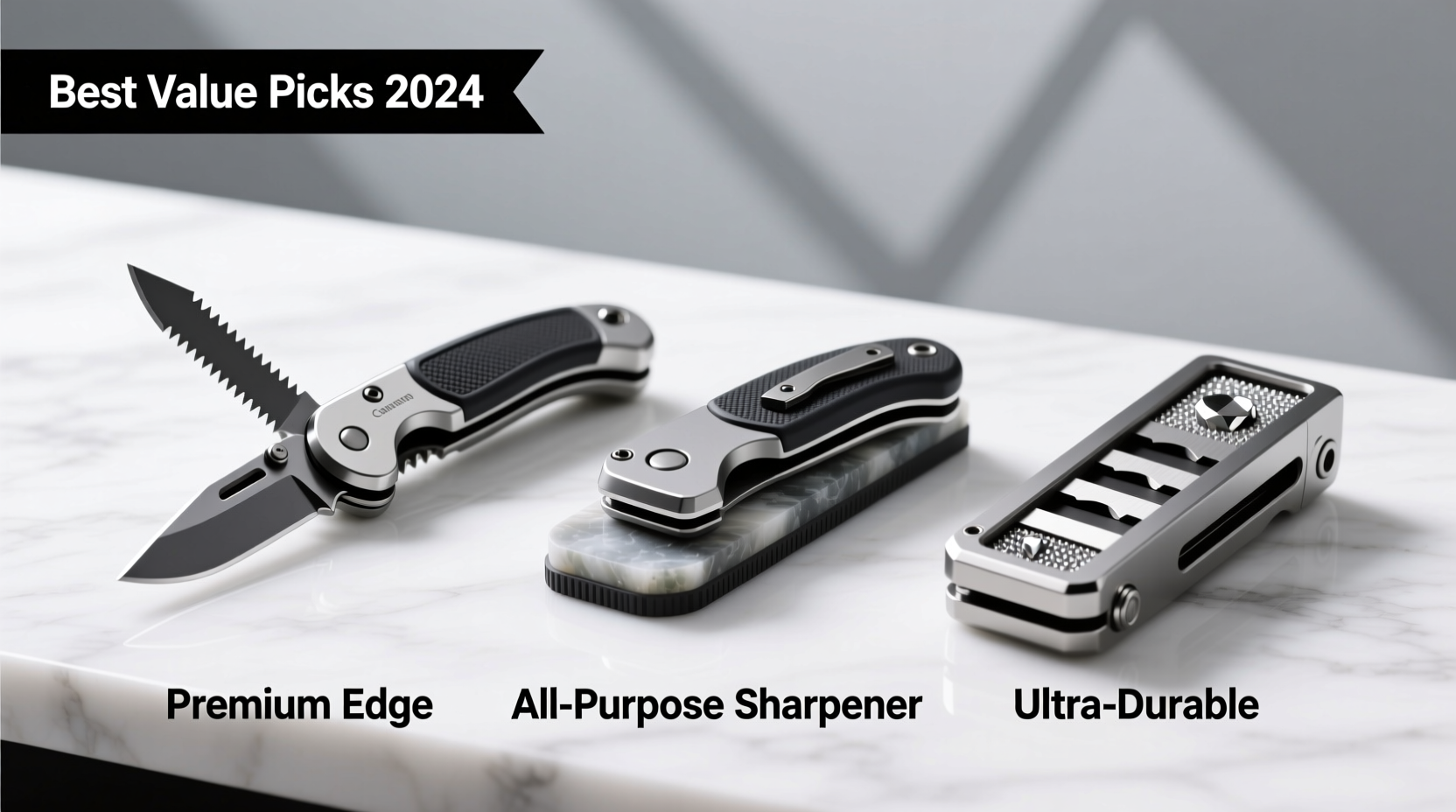
A well-maintained pocket knife performs better, lasts longer, and remains safer to use. Regular sharpening preserves the blade geometry and prevents excessive metal loss from aggressive reprofiling later. Most pocket knives are made from stainless or high-carbon steel, both of which benefit from frequent touch-ups rather than infrequent deep sharpening.
Field dressing game, cutting rope, opening packages, or preparing food—all these tasks become frustrating when your knife drags instead of slices. Keeping an edge means you’re always ready, whether in the wild, workshop, or kitchen drawer.
Tip: Sharpen your pocket knife after every few uses rather than waiting until it's completely dull. This preserves the edge and reduces long-term wear.Key Features of a Reliable Pocket Knife Sharpener
Not all sharpeners are created equal. When selecting one that’s both affordable and dependable, consider these essential factors:
- Angle Consistency: Most pocket knives perform best at a 15° to 20° angle per side. Look for guides or fixed slots that maintain this precision.
- Material Compatibility: Ensure the sharpener works with common blade steels without damaging them. Ceramic rods and diamond-coated surfaces handle harder alloys well.
- Portability: Since pocket knives are often used on the go, a compact, lightweight sharpener adds value.
- Durability: A quality sharpener should last years—even with regular use. Avoid flimsy plastic housings or poorly secured abrasives.
- Price-to-Performance Ratio: The best options cost under $30 but still offer repeatable, clean results.
“Consistent sharpening at the correct angle extends blade life by up to 50%. It’s not about how hard you work, but how smart.” — Daniel Reeves, Cutlery Technician & Tool Instructor
Top Affordable and Reliable Sharpeners Compared
The following tools have earned strong reputations among outdoor enthusiasts, EDC (Everyday Carry) communities, and tradespeople for delivering dependable results without breaking the bank.
| Product | Type | Best For | Price Range | Pros | Cons |
|---|---|---|---|---|---|
| Work Sharp PK2 | Guided manual system | Precision sharpening | $25–$30 | Adjustable angles, durable ceramic stones, compact | Slightly steeper learning curve |
| Smith’s PP1 Pocket Pal | Pull-through carbide + ceramic | Quick field touch-ups | $10–$15 | Inexpensive, ultra-portable, easy to use | Limited angle control, aggressive on soft steel |
| Shapton Kuromaku Ceramic Stones (5000/1000) | Water stones (manual) | Fine finishing and refinement | $20–$25/set | Exceptional edge polish, long-lasting | Requires flattening, water management |
| Leatherman Raptor Sharpener | Mini tapered diamond rod | Tight spaces, serrated edges | $12–$18 | Pocket-sized, excellent for detail work | Not ideal for full bevels, slower material removal |
| Idahone Two-Stage Diamond Plate | Foldable dual-sided plate | Balanced coarse/fine sharpening | $20–$25 | Durable, no power needed, great portability | Less precise angle guidance |
Step-by-Step Guide to Effective Pocket Knife Sharpening
Using the right technique ensures optimal results regardless of the tool. Follow this sequence for a consistently sharp edge:
- Inspect the Blade: Check for nicks, rust, or rolled edges. Clean the knife thoroughly before sharpening.
- Choose Your Tool: Match the sharpener to your goal—quick touch-up (Smith’s PP1), refinement (Shapton), or versatility (Work Sharp PK2).
- Secure the Knife: Hold it firmly or clamp if possible. Stability prevents slipping and uneven bevels.
- Start with Coarse Grit (if needed): Address dullness or damage using a coarse surface. Use light pressure and consistent strokes.
- Refine with Fine Grit: Switch to a finer abrasive to smooth the burr and polish the edge.
- Deburr: Gently run the edge across leather, cardboard, or a fine stone in a trailing motion to remove any remaining micro-burr.
- Test the Edge: Perform a paper test or tomato peel check. A clean slice indicates success.
Real-World Example: A Hiker’s Routine
Mark, an avid backpacker in Colorado, carries a Spyderco Tenacious daily. After six months of trail use—cutting paracord, preparing kindling, and slicing jerky—he noticed decreased performance. Instead of replacing the knife, he invested $14 in a Smith’s Pocket Pal. In under five minutes, he restored a functional edge during a campsite break. Over the next year, he touched up the blade monthly, extending its peak performance far beyond what he expected. “I thought I’d need something complicated,” Mark says. “But this little red sharpener saved me time and money.”
Essential Checklist Before Buying a Sharpener
Use this checklist to ensure you choose a sharpener that fits your needs and budget:
- ✅ Compatible with your knife’s steel type (stainless, carbon, tool steel)
- ✅ Maintains a consistent sharpening angle (15°–20° preferred)
- ✅ Compact enough to store with your EDC gear or survival kit
- ✅ Includes both coarse and fine stages for repair and refinement
- ✅ Made with durable abrasives (ceramic, diamond, or tungsten carbide)
- ✅ Under $30 for true affordability without sacrificing reliability
- ✅ Easy to clean and maintain (no complex mechanisms or batteries)
Frequently Asked Questions
How often should I sharpen my pocket knife?
For regular users, a light touch-up every 2–4 weeks is sufficient. If you notice drag or reduced cutting ability, it’s time to sharpen. Frequent maintenance prevents deep wear and keeps the edge geometry intact.
Can I use a pocket knife sharpener on serrated blades?
Yes, but only certain types. Tapered diamond rods (like the Leatherman Raptor model) or specialized serrated sharpeners work best. Standard flat sharpeners won’t reach into the grooves effectively.
Are pull-through sharpeners bad for knives?
Not inherently—but cheap models with rigid, non-adjustable angles can damage blades over time. High-quality pull-through units like the Work Sharp PK2 or Smith’s PP1 are safe for occasional use, especially when portability is key.
Final Thoughts: Invest in Edge Longevity
Choosing an affordable and reliable pocket knife sharpener doesn’t mean compromising on quality. Tools like the Work Sharp PK2, Smith’s Pocket Pal, and Idahone plates prove that precision, durability, and convenience can coexist at accessible price points. The small time investment in regular sharpening pays off in performance, safety, and the extended life of your favorite blades.
Whether you're a daily commuter, outdoor adventurer, or tradesperson, keeping your knife sharp should be as routine as charging your phone. With the right tool in hand, it takes less than five minutes—and transforms how your knife feels and functions.
💬 Ready to upgrade your sharpening game? Pick one of the tools reviewed here, try it out, and share your experience. What’s your go-to method for keeping your pocket knife razor-sharp?