
Green paprika is one of the most misunderstood spices in modern kitchens. Often overshadowed by its red counterpart or mistaken for a mere color variation, green paprika possesses a distinct botanical identity, flavor complexity, and culinary versatility that deserves attention. Unlike sweet or smoked red paprika, green paprika comes from unripe peppers, offering a sharper, more vegetal bite with subtle heat and aromatic depth. For home cooks aiming to elevate savory dishes with freshness and controlled spice, understanding green paprika’s nuances is essential. This guide reveals seven critical insights—ranging from sourcing and flavor chemistry to professional techniques and substitution strategies—that transform how you use this underrated ingredient.
Definition & Overview
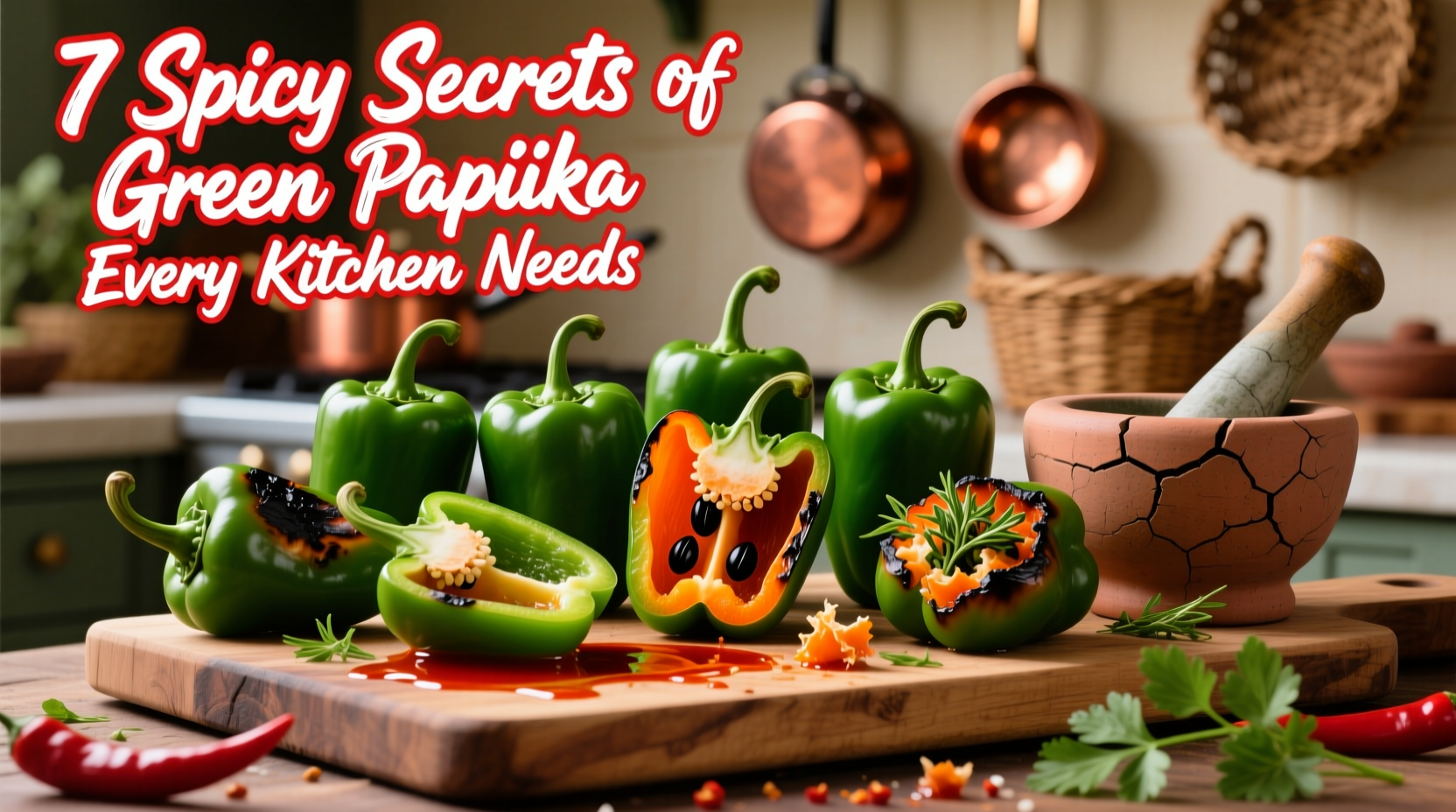
Green paprika refers to ground dried green bell peppers or immature chili peppers harvested before full ripening. While red paprika dominates supermarket shelves due to its sweetness and vibrant hue, green paprika originates from the same *Capsicum annuum* species but at an earlier developmental stage. It is not simply “unripe red paprika”—its chemical composition differs significantly, resulting in lower sugar content, higher chlorophyll concentration, and elevated levels of certain volatile compounds responsible for grassy, bitter, and mildly pungent notes.
The use of green paprika is most prominent in Central European, Balkan, and parts of Middle Eastern cuisines, where it features in stews, rubs, and fermented vegetable preparations. In Hungary and Serbia, for example, fresh green peppers are sometimes sun-dried and milled specifically for seasonal dishes requiring a fresher, less sweet pepper base. Though less common than red varieties, artisanal producers now offer true green paprika as specialty ingredients for chefs seeking layered spice profiles.
Key Characteristics
| Characteristic | Description |
|---|---|
| Flavor Profile | Grassy, slightly bitter, with raw pepper sharpness; minimal sweetness compared to red paprika. |
| Aroma | Earthy, green-stem-like, faintly peppery with herbal top notes. |
| Color/Form | Olive-green to lime-tinted powder; may darken slightly when heated. |
| Heat Level (Scoville) | Mild to medium (500–2,000 SHU), depending on cultivar; generally hotter than sweet red paprika. |
| Culinary Function | Adds vegetal depth, subtle heat, and aroma without overwhelming sweetness. |
| Shelf Life | 6–9 months if stored properly; degrades faster than red paprika due to chlorophyll sensitivity. |
Secret #1: It Captures the Essence of Unripe Peppers — Not Just Color
The first and most fundamental secret of green paprika lies in its origin: it reflects the biochemical state of peppers picked early. As bell or chili peppers mature, their starches convert to sugars, chlorophyll breaks down into carotenoids (giving red hues), and capsaicin increases. Green paprika retains high chlorophyll, low sugar, and moderate capsaicin, creating a profile closer to fresh green chilies than dried red ones.
This makes green paprika ideal for mimicking the taste of raw or lightly cooked green peppers in long-cooked dishes. For instance, adding half a teaspoon to a slow-simmered bean stew introduces a bright undercurrent that survives prolonged heating better than fresh peppers, which can turn muddy. Chefs in Slovenia use it in *jota*, a sourdough-kale-bean soup, to preserve the garden-fresh character lost during fermentation and boiling.
TIP: Use green paprika when you want the crisp edge of green peppers without textural interference. It integrates seamlessly into braises, soups, and grain pilafs where fresh peppers would disintegrate or dilute flavors.
Secret #2: Heat Isn’t Uniform — Know Your Cultivar
Not all green paprikas are created equal. The heat level depends entirely on the variety used. Some are made purely from green bell peppers—technically zero Scoville units—but still carry bitterness. Others derive from semi-ripe jalapeños, serranos, or Hungarian wax types, introducing measurable spiciness.
- Bell-based green paprika: Mild, herbaceous, best for color and vegetal lift without burn.
- Chili-based green paprika: Noticeable tingle (1,000–3,000 SHU), suitable for salsas, marinades, and spice blends.
- Fermented green paprika: Rare, but available through niche suppliers; offers umami-rich tang similar to gochujang starter.
Always check the label or source. If purchasing online, look for descriptors like “spicy,” “hot,” or “mild.” When in doubt, test with a pinch on the tongue before incorporating into a dish.
Secret #3: Reacts Differently to Heat Than Red Paprika
While red paprika benefits from blooming in oil—a technique that enhances sweetness and smokiness—green paprika behaves differently under heat. Excessive sautéing causes chlorophyll degradation, leading to dull gray tones and intensified bitterness. To preserve its integrity:
- Never bloom green paprika in hot oil longer than 30 seconds.
- Add it after aromatics (onion, garlic) have softened but before liquids are introduced.
- For cold applications (dressings, herb oils), mix directly without heating.
In Serbian ajvar variations, some cooks add a small amount of green paprika post-cooking to layer fresh pepper notes atop roasted sweetness. This dual-use strategy—roasted red for body, green for brightness—is a hallmark of advanced pepper cookery.
Secret #4: Superior in Fermented and Pickled Applications
Green paprika excels in environments where microbial activity shapes flavor. Its natural enzyme content and mild antiseptic properties help regulate fermentation while contributing vegetal complexity. Artisan pickle-makers in Croatia blend it into brines for pickled cucumbers, green tomatoes, and cabbage, where it supports lactic acid development without overpowering.
To replicate this at home:
Use ½ tsp green paprika per quart of brine in fermented vegetables. Combine with mustard seed, dill, and garlic for balanced tang and depth. Avoid using red paprika here—it can bleed color and add unwanted sweetness.
Variants & Types
Understanding the forms of green paprika ensures proper usage across recipes. Availability varies by region, but these are the primary types encountered:
| Type | Best Used For | Notes |
|---|---|---|
| Dried & Ground (Standard) | Soups, stews, spice rubs | Most accessible; store away from light |
| Freeze-Dried Fresh Green Pepper Powder | Garnishes, cold sauces, finishing | Retains brighter color and aroma; pricier |
| Smoked Green Paprika | Grilled meats, smoky salsas | Rare; made by smoking unripe peppers over hardwood |
| Liquid Extract / Tincture | Cocktails, vinaigrettes, precision dosing | Used in molecular gastronomy; highly concentrated |
Comparison with Similar Ingredients
Green paprika is frequently confused with other green or spicy powders. Knowing the distinctions prevents recipe mishaps.
| Ingredient | How It Differs from Green Paprika |
|---|---|
| Matcha Powder | From green tea leaves; intensely bitter, grassy, caffeine-containing; no relation to peppers. |
| Cayenne Powder | Made from ripe red chilies; much hotter (30,000–50,000 SHU); lacks green paprika’s vegetal nuance. |
| Herbes de Provence | Blend of dried herbs (thyme, rosemary); earthy-floral, not spicy or pepper-derived. |
| Green Chili Powder (commercial) | Often contains fillers or anti-caking agents; verify it's pure ground green chili. |
| Red Paprika (sweet/hot/smoked) | Sweeter, deeper color, more stable when heated; does not substitute 1:1 for green. |
“Green paprika isn't a substitute—it's a statement. It brings forward the youth of the pepper, the moment before sugar takes over. That’s invaluable in balancing rich, fatty, or fermented foods.” — Luka Vuković, Executive Chef, Beograd Kitchen Lab
Secret #5: Enhances Umami in Plant-Based Cooking
Plant-based cuisine often struggles with depth. Green paprika contributes glutamates and pyrazines—compounds associated with savory, roasted, and green-pepper flavors—that amplify umami perception. When combined with mushrooms, soy sauce, or nutritional yeast, it creates a synergistic effect that mimics meatiness without animal products.
Try this combination in vegan ragù:
- Sauté onions, carrots, celery.
- Add 1 tsp green paprika and stir 20 seconds.
- Incorporate lentils, crushed tomatoes, and a splash of red wine.
- Simmer 45 minutes—the result is deeply savory with a clean pepper backbone.
Secret #6: A Natural Color Preserver in Alkaline Dishes
Chlorophyll in green paprika remains stable in slightly alkaline conditions—a rare trait among natural pigments. In traditional cornbread or polenta enriched with wood ash or baking soda, green paprika helps maintain a vivid hue that would otherwise fade. While not a food coloring per se, it functions as both flavorant and pigment stabilizer in heritage recipes from Eastern Europe.
Note: Do not expect neon green results. The tint is subtle—more olive-lime—but noticeable against pale grains.
Secret #7: Storage Is Critical — Light Kills It Fast
Green paprika degrades faster than any common spice due to photosensitivity. Exposure to light breaks down chlorophyll rapidly, turning the powder brownish-gray and amplifying bitterness. Oxidation also diminishes volatile aromatics within weeks if improperly stored.
Q: How should I store green paprika?
A: Keep in an airtight, opaque container in a cool, dark cupboard—never above the stove or near sunlight. For extended shelf life (up to 12 months), refrigerate in a sealed glass jar. Allow to reach room temperature before opening to prevent condensation.
Q: Can I substitute dried green paprika with fresh peppers?
A: Partially. Use 1 tbsp finely minced fresh green chili or bell pepper for every 1 tsp green paprika. However, fresh versions lack concentration and won’t survive long cooking. Best added late in preparation.
Q: Is green paprika safe for sensitive stomachs?
A: Generally yes, especially bell-based versions. But chili-derived types may irritate due to capsaicin. Start with small doses if prone to acid reflux.
Q: What dishes showcase green paprika best?
A: Fermented vegetables, lentil soups, grilled fish marinades, vegetarian pâtés, and egg-based casseroles. It pairs exceptionally well with lemon, dill, feta, and smoked cheese.
STORAGE CHECKLIST:
✓ Store in amber or metal container
✓ Label with purchase date
✓ Keep below 70°F (21°C)
✓ Replace after 9 months
✓ Never store in clear spice racks
Practical Usage Guide
Integrating green paprika effectively requires timing and pairing awareness. Below are tested applications:
For Home Cooks
- Scrambled Eggs: Add ¼ tsp to butter before eggs; finish with chives.
- Marinades: Blend with olive oil, garlic, lemon zest, and oregano for chicken or tofu.
- Salad Dressings: Whisk ½ tsp into vinaigrette for a peppery lift.
Professional Techniques
- Infused Oils: Steep 1 tsp green paprika in warm (not boiling) oil for 2 hours, then strain. Drizzle over grilled vegetables.
- Dusting Finishing Spice: Sift finely ground green paprika over chilled soups like cucumber-yogurt or avocado.
- Spice Blends: Combine with cumin, coriander, and black pepper for a “fresh heat” rub ideal for seafood.
Summary & Key Takeaways
Green paprika is far more than a color variant—it is a functional, flavorful, and biologically distinct ingredient that fills a unique niche in culinary practice. These seven secrets clarify its role:
- It captures the unripe essence of peppers, offering grassy, bitter, and mildly spicy notes absent in red paprika.
- Heat levels vary by cultivar; always verify source and type before use.
- Responds poorly to prolonged heat; add early but briefly, or off-heat.
- Excels in fermented and pickled foods, enhancing microbial balance and flavor layering.
- Boosts umami in plant-based dishes when paired with glutamate-rich ingredients.
- Acts as a natural color stabilizer in alkaline batters and grains.
- Degrades quickly—store in darkness and replace regularly for peak performance.
By treating green paprika not as an alternative but as a standalone ingredient with specific strengths, cooks unlock new dimensions in seasoning. Whether crafting a rustic stew or refining a modern vegan menu, this overlooked spice delivers clarity, contrast, and complexity few others can match.
Start experimenting today: Add ¼ tsp green paprika to your next batch of hummus or potato salad. Notice how it lifts the flavor without dominating—proof that sometimes, the quietest spices make the loudest difference.









