
Waking up with a steady drip or noticing yellow discharge throughout the day can be more than just an annoyance—it’s often a signal from your body that something is off. Unlike clear mucus, which typically indicates allergies or mild irritation, yellow nasal discharge suggests changes in immune activity, infection, or inflammation. Understanding what causes this symptom and how to interpret its severity helps determine whether home care is sufficient or if medical evaluation is necessary.
What Causes Yellow Nasal Discharge?
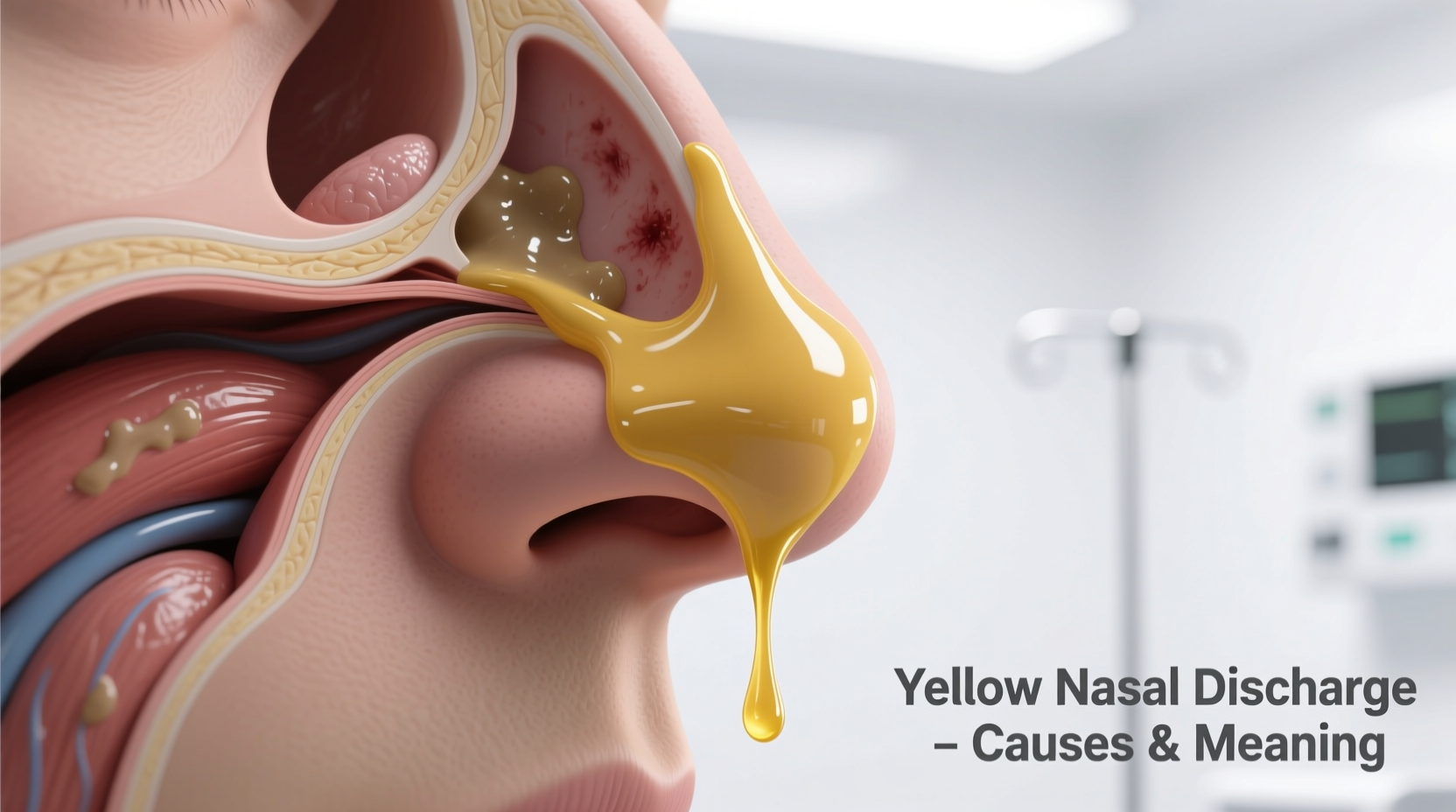
Yellow fluid from the nose results from the accumulation of white blood cells, dead bacteria, and other cellular debris. When your body fights off an infection, immune cells rush to the site, leading to thicker, discolored mucus. While not always alarming, persistent or worsening yellow drainage warrants attention.
- Viral infections: The common cold often begins with clear mucus but progresses to yellow as the immune system responds. This change usually occurs around days 3–5 and doesn’t necessarily mean a bacterial infection has developed.
- Bacterial sinusitis: If yellow mucus persists beyond 10 days without improvement—or worsens after initial recovery—it may indicate a bacterial infection. Accompanying symptoms like facial pain, fever, and congestion support this diagnosis.
- Allergies with secondary infection: Chronic allergic rhinitis can inflame nasal passages, making them vulnerable to bacterial overgrowth. In such cases, prolonged congestion and postnasal drip may evolve into yellow discharge.
- Nasal dryness and irritation: Crusting inside the nostrils due to dry air or frequent nose-blowing can lead to minor tissue damage. Mixed with normal mucus and small amounts of blood, this may appear yellowish.
- Cerebrospinal fluid (CSF) leak – rare but serious: In very rare instances, especially following head trauma, a clear-to-yellow watery fluid could be CSF leaking from the brain. This condition requires immediate medical assessment.
How to Interpret the Color and Consistency
The shade and texture of nasal fluid offer clues about underlying conditions. While color alone isn't diagnostic, it serves as a useful indicator when combined with other symptoms.
| Color/Consistency | Possible Meaning | Action Recommended |
|---|---|---|
| Clear and runny | Allergies, viral onset, or environmental irritants | Monitor; consider antihistamines if allergy-related |
| Yellow and thick | Immune response active—likely viral or early bacterial infection | Rest, hydrate; reassess after 7–10 days |
| Green and foul-smelling | Bacterial sinus infection likely | Consult doctor; antibiotics may be needed |
| Clear, watery, one-sided | Possible CSF leak (especially after injury) | Seek emergency evaluation immediately |
| Yellow with blood streaks | Dryness, irritation, or forceful blowing | Use saline spray; avoid aggressive nose-blowing |
“Mucus color gives us a window into the immune battle happening inside the sinuses. Yellow doesn’t automatically mean antibiotics are needed—but persistence does require evaluation.” — Dr. Lena Torres, Otolaryngologist
When to Seek Medical Attention
Most cases of yellow nasal discharge resolve within a week or two with supportive care. However, certain red flags suggest the need for prompt medical intervention:
- Fever lasting more than 3–4 days
- Facial swelling or severe pressure around eyes, cheeks, or forehead
- Symptoms worsening after initial improvement
- Headache that intensifies when leaning forward
- Stiff neck, sensitivity to light, or confusion (signs of possible meningitis, especially if CSF leak is suspected)
- Discharge from only one nostril persisting beyond a few days
Mini Case Study: Recognizing Sinusitis Early
Mark, a 34-year-old teacher, noticed increasing nasal congestion during flu season. By day five, his mucus turned yellow, and he felt fatigued. Assuming it was part of a cold, he used decongestants and rest. But by day 12, facial pain emerged, and his vision became slightly blurred. He visited an ENT specialist who diagnosed acute maxillary sinusitis with near-abscess formation. A short course of antibiotics and nasal steroids resolved the issue. His case underscores the importance of tracking symptom duration—not just color.
Home Care and Prevention Strategies
In many cases, yellow nasal discharge improves with simple interventions aimed at supporting natural clearance and reducing inflammation.
Step-by-Step Guide to Managing Mild Symptoms
- Stay hydrated: Drink plenty of water to thin mucus and promote drainage.
- Use saline nasal irrigation: Rinse nasal passages daily with a neti pot or saline spray to flush out irritants and microbes.
- Apply warm compresses: Place a warm cloth over the sinuses to ease pressure and improve circulation.
- Elevate your head while sleeping: Reduces nighttime congestion and postnasal drip.
- Avoid irritants: Steer clear of smoke, strong perfumes, and dry indoor air.
- Run a humidifier: Adds moisture to dry environments, preventing crust formation and irritation.
Checklist: Daily Habits to Reduce Recurrent Nasal Issues
- ✅ Blow nose gently, one side at a time
- ✅ Wash hands frequently during cold and flu season
- ✅ Replace toothbrush after a sinus infection to prevent reinfection
- ✅ Clean humidifiers weekly to prevent mold buildup
- ✅ Avoid close contact with individuals showing respiratory symptoms
- ✅ Get annual flu vaccination to reduce risk of secondary infections
Frequently Asked Questions
Is yellow nasal discharge always a sign of infection?
No. While yellow mucus often indicates immune activity, it doesn’t confirm a bacterial infection. Viral illnesses, allergies, and even dehydration can cause discoloration. Duration and associated symptoms matter more than color alone.
Can I treat yellow nasal drip at home safely?
Yes, in most cases. Supportive measures like hydration, saline rinses, and rest are effective for mild-to-moderate symptoms lasting less than 10 days. However, if symptoms persist or worsen, consult a healthcare provider before starting any medication.
Could yellow fluid from the nose be brain fluid?
It’s rare, but possible—especially after head trauma or recent surgery. Cerebrospinal fluid (CSF) leaks often present as clear, watery drainage from one nostril that worsens when tilting the head forward. It may have a slightly sweet or salty taste. If suspected, seek emergency care immediately for testing and imaging.
Conclusion: Listen to Your Body’s Signals
Yellow liquid dripping from the nose is commonly a benign phase of a cold or allergy flare-up. However, ignoring prolonged or worsening symptoms can allow complications like chronic sinusitis or orbital infections to develop. Pay attention to timing, consistency, and accompanying discomfort. Most people recover fully with proper self-care, but knowing when to reach out to a medical professional makes all the difference.
💬 Have you experienced persistent yellow nasal discharge? Share your story or questions below. Your experience might help others recognize warning signs earlier.








