Physical training is only one half of the fitness equation. The real transformation—muscle growth, strength gains, endurance improvements, and injury prevention—happens not during the workout, but in the hours and days that follow. Recovery between workouts is a biological necessity, not a luxury. Despite this, many athletes and fitness enthusiasts overlook rest, pushing through fatigue in pursuit of progress. This approach often backfires, leading to burnout, plateaus, or even injury. Understanding the role of recovery empowers you to train smarter, not harder.
The Science Behind Recovery: What Happens When You Rest?
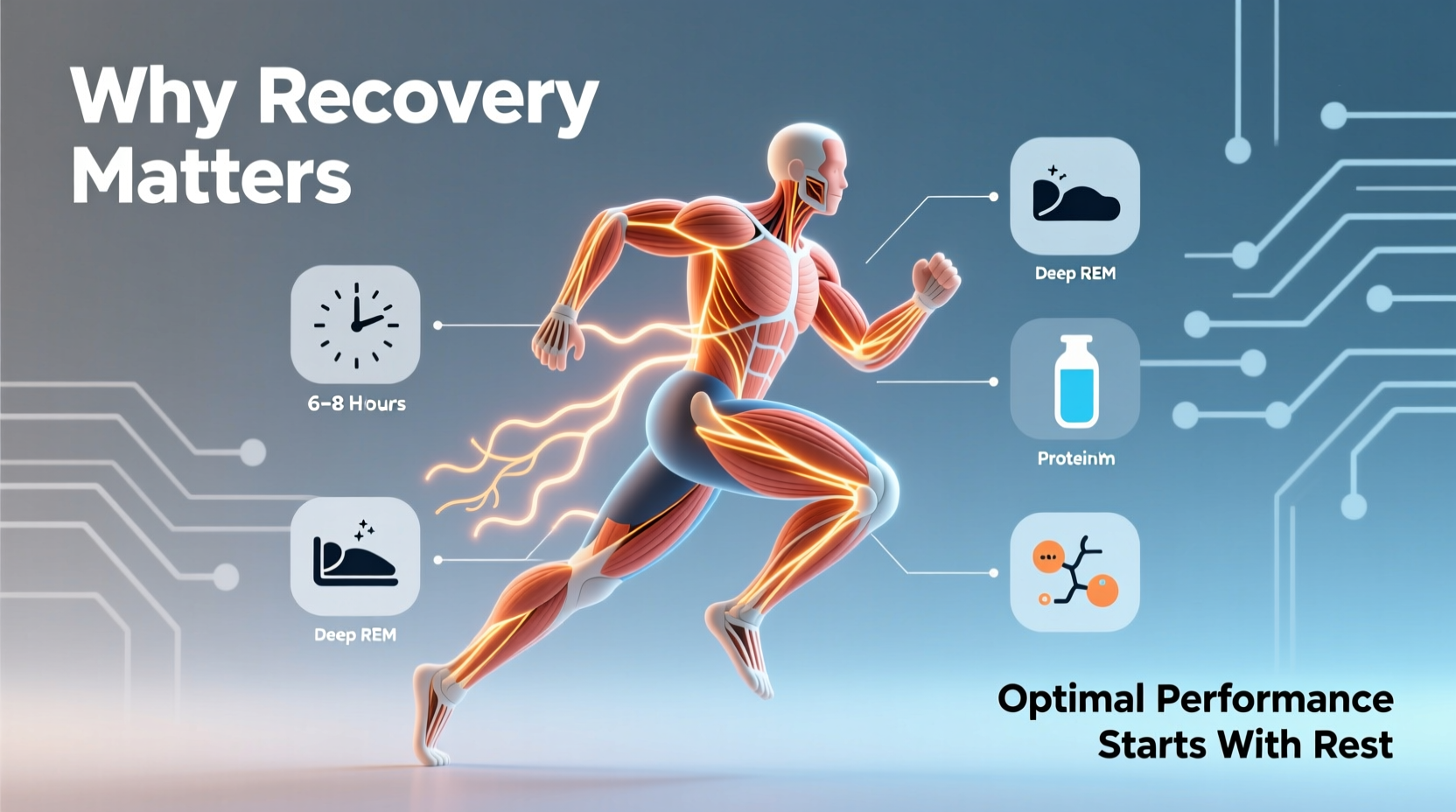
When you exercise, especially with resistance or high-intensity training, your body undergoes controlled stress. Muscles experience micro-tears, energy stores deplete, and the nervous system becomes fatigued. These changes are necessary to stimulate adaptation—but they don’t lead to improvement unless followed by adequate recovery.
During rest, several critical physiological processes take place:
- Muscle Repair and Growth: Satellite cells repair damaged muscle fibers, fusing them to increase size and strength (hypertrophy).
- Glycogen Replenishment: Your muscles restore stored carbohydrates, which are essential for sustained energy in future workouts.
- Hormonal Balance: Cortisol (a stress hormone) decreases while testosterone and growth hormone levels rise, supporting tissue regeneration.
- Nervous System Reset: The central nervous system recovers from the strain of coordinating intense movement, improving reaction time and coordination.
Without sufficient downtime, these systems remain compromised. Overtraining syndrome—a condition marked by persistent fatigue, declining performance, insomnia, and mood disturbances—can develop when recovery is chronically neglected.
“Recovery isn't just about taking days off—it's an active process that determines whether your training leads to progress or breakdown.” — Dr. Lena Torres, Sports Physiology Researcher, University of Colorado
Key Benefits of Proper Recovery Between Workouts
Intentional recovery enhances every aspect of physical performance. It’s not passive idleness; it’s strategic restoration. Here’s what effective recovery delivers:
1. Improved Muscle Growth and Strength Gains
Muscles grow during rest, not during lifting. After resistance training, protein synthesis peaks within 24–48 hours. If another intense session occurs before this process completes, gains are diminished. Allowing 48 hours between training the same muscle group maximizes hypertrophy.
2. Reduced Risk of Injury
Fatigued muscles and connective tissues are more prone to strains, sprains, and overuse injuries. Tendons and ligaments adapt more slowly than muscles, making them vulnerable when overstressed. Recovery allows time for structural reinforcement.
3. Enhanced Performance and Endurance
Well-rested athletes perform better. A study published in the Journal of Strength and Conditioning Research found that power output and sprint times improved significantly when athletes incorporated structured rest days versus continuous training.
4. Better Mental Focus and Motivation
Mental fatigue accumulates with physical exertion. Chronic training without rest can dull motivation and focus, increasing dropout rates. Recovery restores mental clarity and enthusiasm for training.
5. Stronger Immune Function
Intense exercise temporarily suppresses immune response. Without recovery, this suppression can become chronic, increasing susceptibility to illness. Sleep and rest support immune cell production and inflammation regulation.
Tip: If you're feeling unusually sore, irritable, or tired, it may be a sign your body needs more recovery—not more training.Recovery Checklist: 7 Actions to Optimize Post-Workout Restoration
Recovery isn’t automatic. To get the most from your rest periods, incorporate these evidence-based practices:
- Prioritize Sleep: Aim for 7–9 hours nightly. Deep sleep is when growth hormone peaks and tissue repair accelerates.
- Hydrate Consistently: Replace fluids lost during exercise. Even mild dehydration slows recovery and impairs cognitive function.
- Nutrient-Timing: Consume a mix of protein and carbohydrates within 30–60 minutes post-workout to jumpstart muscle repair.
- Active Recovery: Light activities like walking, swimming, or yoga increase blood flow and reduce stiffness without adding strain. <5> Stretch or Foam Roll: Helps release muscle tension and improve flexibility, reducing delayed onset muscle soreness (DOMS).
- Manage Stress: High cortisol from emotional stress hinders recovery. Mindfulness, breathing exercises, or meditation can help.
- Track Readiness: Use tools like heart rate variability (HRV) monitors or subjective wellness scores to assess recovery status daily.
Common Recovery Mistakes and How to Avoid Them
Even well-intentioned individuals make errors that undermine their recovery. Below is a comparison of common pitfalls and better alternatives:
| Mistake | Why It’s Harmful | Better Approach |
|---|---|---|
| Training the same muscle group daily without rest | Prevents full repair, increases injury risk | Allow 48–72 hours between intense sessions for major muscle groups |
| Sleeping only 5–6 hours regularly | Reduces protein synthesis and immune function | Protect sleep as non-negotiable; create a consistent bedtime routine |
| Skipping post-workout nutrition | Delays glycogen replenishment and muscle repair | Consume 15–25g protein + 30–50g carbs after training |
| Ignoring signs of overtraining | Leads to burnout, hormonal imbalance, chronic fatigue | Monitor mood, energy, and performance weekly; adjust training accordingly |
Real-World Example: From Plateau to Progress Through Recovery
James, a 34-year-old software engineer and amateur runner, trained six days a week for a half-marathon. Despite his dedication, his pace stalled, and he began experiencing knee pain. He assumed he needed to push harder. Instead, he consulted a sports therapist who recommended cutting back to four runs per week and adding two active recovery days—light cycling and stretching.
Within three weeks, James noticed reduced joint discomfort, improved sleep, and a surprising 90-second drop in his 5K time. His body had been begging for rest, and once granted, responded with renewed vigor. “I thought rest meant losing momentum,” he said. “It turned out rest was the momentum.”
Step-by-Step Guide: Building a Recovery-Focused Weekly Routine
Integrate recovery into your schedule with this practical plan:
- Day 1 – Intense Workout: Upper-body strength or interval training. Follow with 20g whey protein and a banana.
- Day 2 – Active Recovery: 30-minute walk or yoga. Focus on deep breathing and mobility.
- Day 3 – Moderate Workout: Lower-body training at 70% intensity. Monitor form and avoid max lifts.
- Day 4 – Full Rest or Light Activity: No structured exercise. Prioritize hydration and early bedtime.
- Day 5 – Skill or Technique Work: Practice sport-specific drills at low intensity to reinforce neuromuscular patterns.
- Day 6 – High-Intensity Session: Only if rested. Otherwise, switch to moderate effort.
- Day 7 – Complete Recovery: Spend time outdoors, meditate, or engage in relaxing hobbies. Reflect on weekly progress.
This rhythm balances stimulus and restoration, preventing cumulative fatigue while maintaining consistency.
Frequently Asked Questions
How do I know if I’m recovering enough?
Signs of adequate recovery include steady performance improvements, normal resting heart rate, good sleep quality, stable mood, and minimal lingering soreness. If you feel drained, irritable, or notice declining workout results, you may need more rest.
Can I work out every day if I change muscle groups?
Yes—this is called split training and is effective when managed properly. However, even with different muscle groups, your nervous system still accumulates fatigue. Include at least one full rest day per week for optimal long-term results.
Is more recovery always better?
No. Excessive rest without sufficient stimulus leads to detraining and loss of fitness. The goal is balance. Most adults benefit from 1–2 rest days per week, depending on training intensity and life stressors.
Final Thoughts: Make Recovery a Priority, Not an Afterthought
Progress in fitness isn’t measured solely by how hard you train, but by how well you recover. The strongest athletes aren’t those who never stop moving—they’re the ones who understand the power of pause. By honoring your body’s need for rest, you enable adaptation, prevent injury, and sustain long-term success. Recovery isn’t weakness; it’s the foundation of strength.
🚀 Ready to transform your results? Start tracking your recovery as closely as your workouts. Adjust one habit this week—sleep longer, hydrate better, or take a real rest day—and observe the difference. Share your journey in the comments below.








