
Sourdough bread has been a staple in human diets for thousands of years—long before commercial yeast became widespread. Unlike modern bread made with fast-rising yeast, sourdough relies on a natural fermentation process using wild yeast and lactic acid bacteria. This ancient method not only gives sourdough its distinctive tangy flavor and chewy texture but also enhances its nutritional profile in ways that benefit overall health. Today, as more people seek out functional foods that support digestion, immunity, and metabolic balance, sourdough is experiencing a well-deserved revival.
The key to sourdough’s health advantages lies in its fermentation. During this slow process, beneficial microbes break down complex carbohydrates and proteins, making nutrients more accessible and reducing compounds that can interfere with digestion. As a result, sourdough is not just another type of bread—it's a smarter choice for those looking to enjoy grains with fewer digestive drawbacks and greater nutritional rewards.
Natural Fermentation Enhances Digestibility
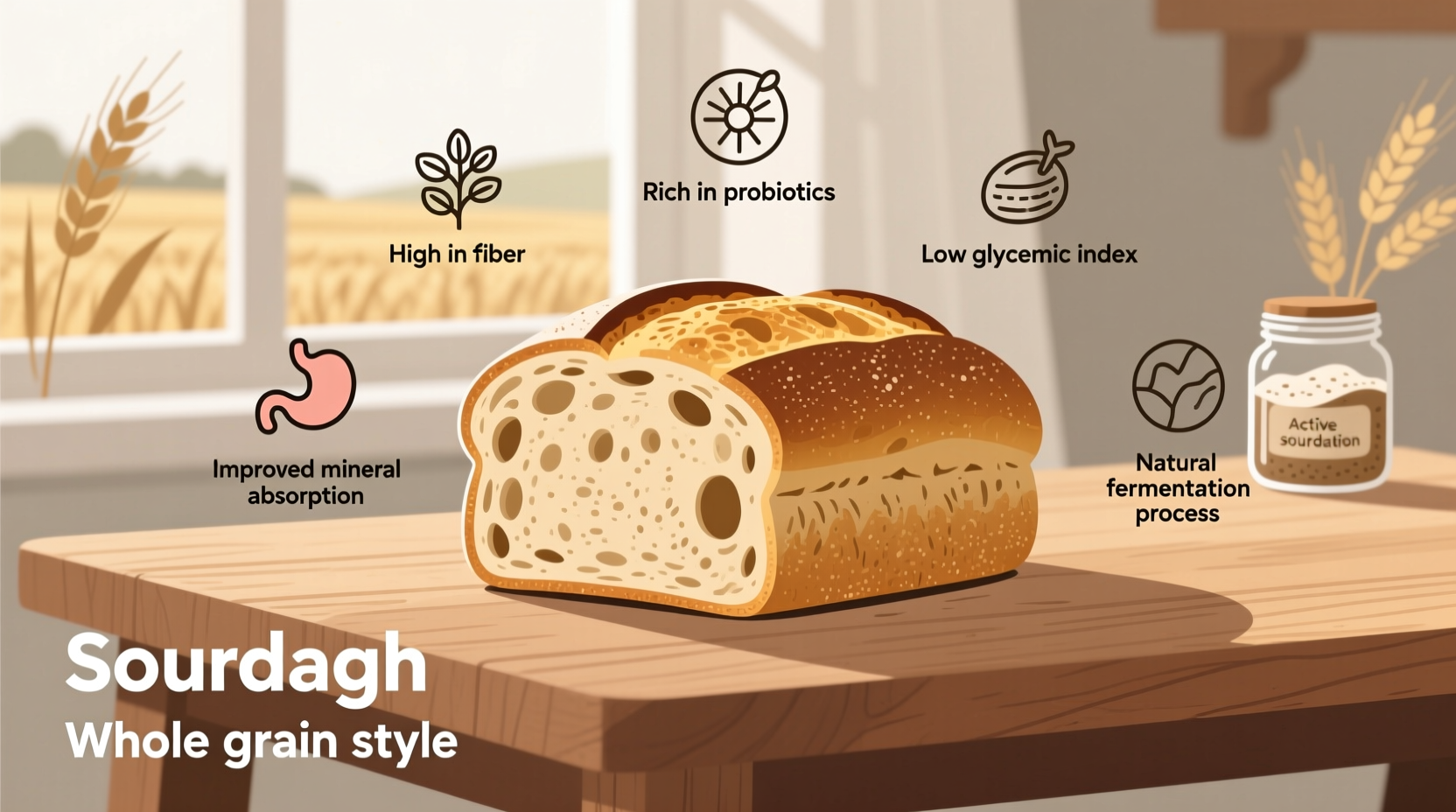
One of the most significant benefits of sourdough is how fermentation improves digestibility. The lactic acid bacteria (LAB) present in a sourdough starter produce organic acids that gradually break down gluten and phytic acid—two components in wheat that can be hard on the digestive system.
Phytic acid, naturally found in grains, binds to essential minerals like iron, zinc, and magnesium, preventing their absorption in the gut. Sourdough fermentation significantly reduces phytic acid levels, allowing your body to absorb more of these vital nutrients. Studies have shown reductions of up to 70% in phytic acid after prolonged sourdough fermentation.
For individuals with mild gluten sensitivity (not celiac disease), sourdough may be easier to tolerate. The long fermentation allows enzymes and microbes to pre-digest gluten proteins, lowering their concentration and potentially reducing gastrointestinal discomfort.
Tip: Opt for traditionally fermented sourdough with a fermentation time of at least 8–12 hours for maximum digestibility and nutrient availability.Better Blood Sugar Control Compared to Regular Bread
Despite being made from flour, sourdough has a lower glycemic index (GI) than most commercially baked breads. The GI measures how quickly a food raises blood sugar levels; lower values are associated with steadier energy and reduced insulin spikes.
Sourdough typically scores between 35 and 53 on the glycemic index, compared to 70+ for white sandwich bread. This difference is largely due to the acetic acid produced during fermentation, which slows the rate at which starches are broken down into glucose.
A study published in the journal *Food Chemistry* found that participants who ate sourdough bread experienced significantly lower post-meal blood glucose and insulin responses than those consuming whole wheat bread made with baker’s yeast. For people managing prediabetes, insulin resistance, or simply aiming for stable energy throughout the day, this makes sourdough a far superior grain-based option.
“Sourdough fermentation alters starch structure and acidity in ways that modulate glucose metabolism—making it one of the few breads I recommend to patients focused on metabolic health.” — Dr. Lena Patel, Registered Dietitian and Gut Health Specialist
Gut Health Support Through Prebiotics and Probiotic-Like Activity
While sourdough itself does not contain live probiotics (the baking process kills microbes), the fermentation generates several compounds that act as prebiotics—food for beneficial gut bacteria.
Lactic acid, oligosaccharides, and other byproducts of fermentation nourish the microbiome, promoting a balanced intestinal environment. A healthy gut microbiota is linked to improved immunity, mood regulation, and reduced inflammation.
Additionally, some strains of lactic acid bacteria in sourdough starters, such as *Lactobacillus plantarum* and *L. reuteri*, are known for producing antimicrobial substances and enhancing gut barrier function. Though they don’t survive baking, their metabolic activity during fermentation leaves behind beneficial residues that contribute to gut-friendly chemistry in the final product.
Nutritional Comparison: Sourdough vs. Conventional Breads
| Nutrient/Feature | Sourdough Bread | White Bread | Whole Wheat Bread |
|---|---|---|---|
| Glycemic Index | 35–53 | 70–85 | 60–70 |
| Phytic Acid Level | Low (reduced by fermentation) | High | High |
| Gluten Content | Moderately reduced | Full | Full |
| Mineral Bioavailability | High (due to lower phytates) | Low | Moderate |
| Shelf Life (without preservatives) | 5–7 days | 2–3 days | 3–4 days |
| Fermentation Process | Natural (wild yeast + LAB) | Commercial yeast only | Commercial yeast only |
This table highlights why sourdough stands out—not because it’s inherently “low calorie,” but because its processing enhances functionality and tolerance within the body.
Real-World Example: Sarah’s Shift to Sourdough
Sarah, a 38-year-old teacher with a family history of type 2 diabetes, had struggled with afternoon energy crashes and bloating after meals. She enjoyed toast for breakfast but noticed she felt sluggish within an hour. After switching from store-bought whole wheat bread to locally made sourdough, she observed dramatic changes within two weeks.
Her morning blood sugar readings stabilized, her bloating decreased, and she no longer needed a mid-morning snack to stay alert. While she didn’t eliminate carbs, choosing sourdough allowed her to include them without negative side effects. Her experience mirrors clinical findings: the quality of carbohydrate processing matters as much as the quantity.
How to Choose Truly Beneficial Sourdough
Not all bread labeled “sourdough” delivers the same health benefits. Many supermarket versions use shortcuts—adding vinegar for tartness or minimal fermentation—to mimic real sourdough without the effort. To ensure you’re getting the full advantages, follow this checklist:
- Check the ingredient list: True sourdough contains only flour, water, salt, and possibly a starter. Avoid added yeast, sugars, or preservatives.
- Look for a tangy taste: Authentic sourdough has a noticeable sourness from lactic acid development.
- Ask about fermentation time: Ideally, bulk fermentation should last 8–24 hours at room temperature or with controlled cold proofing.
- Buy from artisan bakers: Local bakeries that make bread in-house are more likely to use traditional methods.
- Observe shelf life: Real sourdough resists mold longer due to natural acids—no need for calcium propionate or other mold inhibitors.
Frequently Asked Questions
Is sourdough safe for people with gluten sensitivity?
Sourdough can be easier to digest for those with non-celiac gluten sensitivity due to partial gluten breakdown during fermentation. However, it still contains gluten and is not safe for individuals with celiac disease unless specifically labeled gluten-free and produced in a dedicated facility.
Can I make sourdough at home to maximize health benefits?
Absolutely. Homemade sourdough gives you full control over ingredients and fermentation time. Using whole grain flours like rye or einkorn further boosts fiber and micronutrient content. Just remember: longer fermentation equals greater digestibility.
Does sourdough have more nutrients than other breads?
In terms of raw macronutrients (calories, protein, carbs), sourdough is similar to other breads made from the same flour. However, its enhanced mineral absorption, lower glycemic impact, and improved protein structure make its nutritional value superior despite similar labels.
Conclusion: Make the Smart Carb Choice
Sourdough isn’t just a trend—it’s a return to a wiser way of preparing grains. By harnessing natural fermentation, it transforms simple bread into a food that supports blood sugar balance, gut health, and nutrient uptake. In a world where refined carbohydrates often come with hidden costs, sourdough offers a rare exception: a delicious, satisfying carb source that works with your body, not against it.
🚀 Ready to upgrade your bread game? Try switching to real, slow-fermented sourdough for one week and track how you feel. Share your results in the comments below—we’d love to hear your story!








