
Private health insurance remains a cornerstone of financial and medical security for millions, yet its rising cost continues to strain household budgets. While essential for accessing timely care and avoiding overwhelming out-of-pocket expenses, premiums have climbed steadily over the past two decades. Understanding why private health insurance is so expensive isn't just about economics—it's about empowerment. When consumers grasp the underlying forces driving up prices, they're better equipped to make informed decisions, advocate for change, and explore alternatives that align with their needs and financial realities.
Rising Healthcare Costs Drive Premium Increases
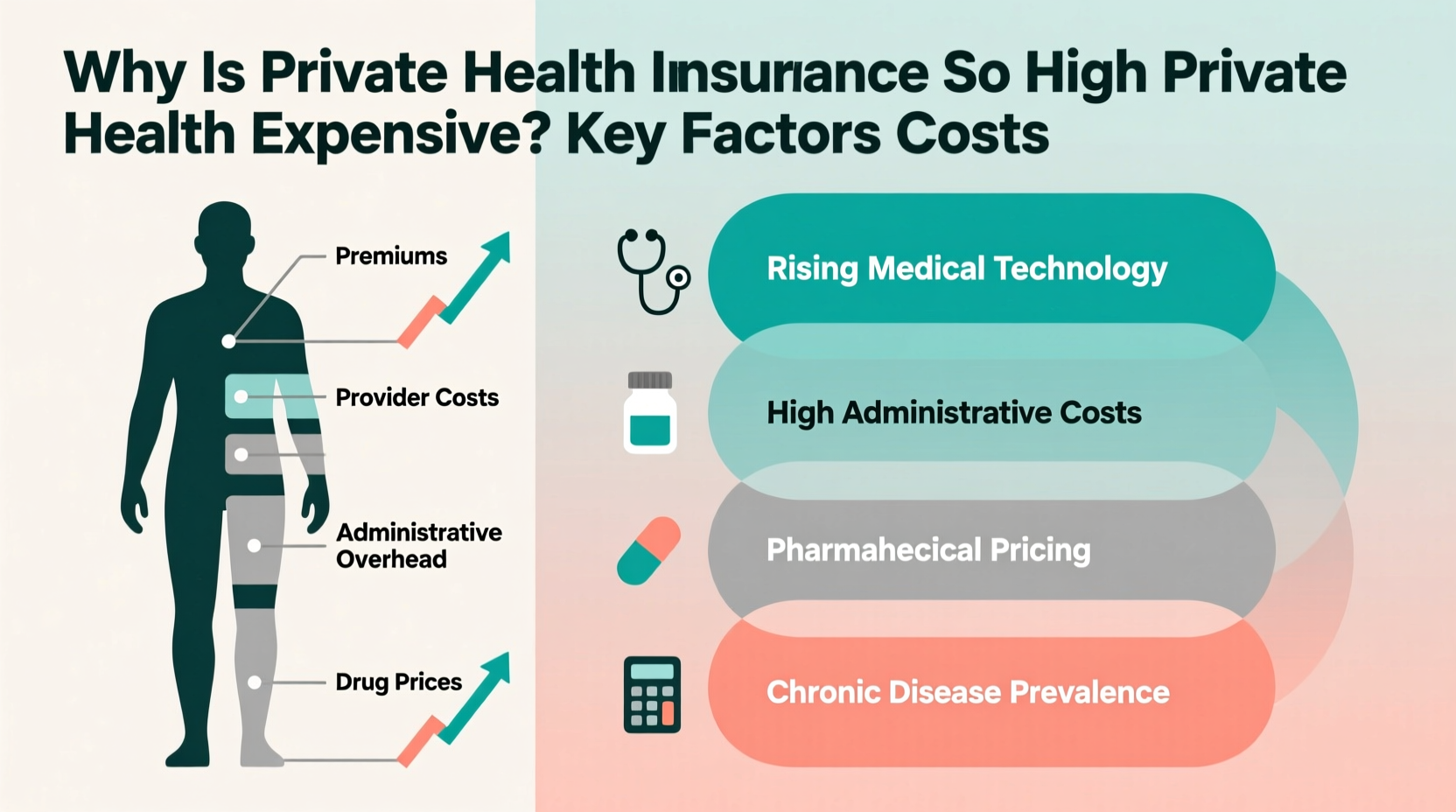
The most direct contributor to high insurance premiums is the increasing cost of healthcare services themselves. Hospitals, specialists, diagnostic tests, and prescription drugs are all becoming more expensive. According to the Centers for Medicare & Medicaid Services (CMS), U.S. healthcare spending reached $4.5 trillion in 2022, accounting for nearly 18% of GDP. Insurers pass these escalating costs directly to policyholders through higher monthly premiums.
Hospital care alone accounts for about 30% of total health spending. As hospitals consolidate and gain market power, they often negotiate higher reimbursement rates from insurers. These inflated provider charges are then reflected in plan pricing. Similarly, specialty medications—such as those used to treat cancer, autoimmune diseases, or rare conditions—can cost tens of thousands of dollars per year. Even with negotiated discounts, insurers must absorb significant portions of these costs, which influence overall premium structures.
Tip: Review your plan’s formulary annually to anticipate changes in drug coverage and costs.Administrative Overhead and Profit Margins
Unlike many countries with single-payer systems, the U.S. relies heavily on private insurers, each operating complex administrative infrastructures. Billing, claims processing, network management, marketing, and customer service all require substantial staffing and technology investments. Studies estimate that administrative costs consume between 12% and 25% of total healthcare spending in the U.S.—significantly higher than in nations with streamlined public systems.
Additionally, private insurers are for-profit entities. While not the largest driver of cost increases, profit margins contribute to pricing. In years when medical claims run lower than expected, insurers may retain surplus revenue, but during high-utilization periods, they raise premiums to maintain profitability. This risk-based model inherently builds financial cushioning into every policy, further inflating consumer costs.
“Insurance isn’t just paying for care—it’s also paying for the system that delivers it, including layers of billing, coding, and negotiation.” — Dr. David Howard, Health Policy Researcher, Emory University
Demographic Shifts and Aging Populations
As the population ages, particularly with the Baby Boomer generation entering retirement, demand for healthcare services intensifies. Older adults typically require more frequent doctor visits, chronic disease management, and hospitalizations—all of which increase the average cost per insured individual. Even if you’re young and healthy, you’re subsidizing this broader risk pool through community-rated pricing models used in many states.
Actuaries design premiums based on expected utilization across the entire enrollment base. When a growing segment of that base requires high-cost care, insurers adjust rates accordingly. This demographic pressure is compounded by declining birth rates, meaning fewer younger, healthier individuals are entering the insurance pool to balance out older, sicker enrollees.
Regulatory Requirements and Coverage Mandates
Federal and state regulations play a dual role: they ensure comprehensive coverage but also add to the cost of plans. The Affordable Care Act (ACA) mandates that all qualified health plans cover ten essential health benefits, including maternity care, mental health services, preventive screenings, and pediatric dental. While these provisions improve access and equity, they expand the scope—and therefore the price—of insurance.
States can impose additional requirements. For example, some mandate coverage for acupuncture, infertility treatments, or specific therapies. Each added benefit increases actuarial value and, consequently, premiums. Plans sold outside the ACA marketplace may offer skimpier coverage at lower prices, but they often lack critical protections like caps on out-of-pocket spending or guaranteed issue.
| Mandated Benefit | Impact on Premiums | Common States Requiring It |
|---|---|---|
| Mental Health Parity | Increases by ~3–5% | All (federal) |
| Infertility Treatment | Increases by ~4–7% | IL, NJ, MA |
| Chiropractic Care | Increases by ~1–2% | CA, NY, TX |
| Pediatric Dental | Minimal increase | National (ACA) |
Limited Competition and Market Consolidation
In many regions, consumers face limited choices among insurers due to market consolidation. When only one or two companies dominate a local exchange, there’s little competitive pressure to keep prices low. Rural areas are especially vulnerable, where provider shortages and sparse insurer participation create monopolistic conditions.
Similarly, hospital and physician group mergers reduce competition on the supply side. A 2023 study published in Health Affairs found that patients in highly concentrated markets paid 12% more for identical procedures compared to those in competitive markets. Insurers have less leverage to negotiate favorable rates, ultimately passing the burden to enrollees.
Mini Case Study: The Twin Cities Insurance Gap
In a mid-sized city in the Midwest, residents once had access to four major insurers on the state exchange. Over five years, three exited the market due to sustained losses, leaving a single provider. Within two years, average premiums rose by 27%, far outpacing national trends. Meanwhile, the region’s largest hospital system acquired two smaller clinics, gaining control over 78% of inpatient care. With no alternative providers and only one insurer, consumers had no viable options to escape rising costs—even healthy individuals saw their premiums double.
Actionable Steps to Manage Private Insurance Costs
While systemic issues drive much of the cost, individuals aren’t powerless. Strategic planning and informed decision-making can significantly reduce financial exposure.
Tip: Consider a high-deductible health plan (HDHP) paired with an HSA if you’re generally healthy—it offers tax advantages and long-term savings potential.Checklist: Reducing Your Health Insurance Burden
- Evaluate all plan options during open enrollment—not just premiums, but deductibles, copays, and out-of-pocket maximums
- Confirm that your doctors and preferred hospitals are in-network
- Compare tiered drug coverage and pharmacy options
- Explore subsidies through Healthcare.gov or state exchanges if income qualifies
- Use preventive services—they’re 100% covered under ACA plans and can catch issues early
- Consider short-term plans only as stopgap measures; they lack essential benefits
- Contribute to a Health Savings Account (HSA) if eligible for tax-free growth and withdrawals
FAQ
Why did my premium go up even though I didn’t use any care last year?
Insurance operates on pooled risk. Your premium reflects the collective cost of care for all enrollees in your plan, not just your personal usage. If others in the pool required expensive treatments—or if overall healthcare prices increased—premiums rise across the board.
Are employer-sponsored plans cheaper than individual ones?
Typically, yes. Employers often subsidize a significant portion of premiums—averaging 83% for single coverage according to the Kaiser Family Foundation. Additionally, payroll deductions are usually pre-tax, enhancing affordability.
Can I get financial help with private insurance?
If you purchase coverage through the Marketplace, you may qualify for premium tax credits or cost-sharing reductions based on income. Those earning between 100% and 400% of the federal poverty level often receive substantial assistance.
Conclusion
The high cost of private health insurance stems from a complex interplay of medical inflation, administrative complexity, regulatory mandates, demographic trends, and market dynamics. No single factor explains the full picture—but understanding each helps demystify the numbers on your monthly bill. While structural reform remains slow, individuals can take meaningful steps today to navigate the system more wisely. By comparing plans strategically, leveraging tax-advantaged accounts, and staying informed about policy changes, you can protect both your health and your finances.
🚀 Ready to take control of your health coverage? Review your current plan, explore subsidy eligibility, and make your next enrollment decision with confidence. Share this guide to help others understand the true cost of private health insurance.








