
Blurry vision affects millions of people worldwide, disrupting daily activities like reading, driving, and using digital screens. While occasional blurriness may be harmless, persistent or sudden changes in visual clarity can signal underlying health issues. Understanding the root causes and knowing which treatment paths are available empowers individuals to take timely action. This article explores the most frequent reasons for blurred vision, evidence-based treatments, and practical steps to maintain optimal eye health.
Common Causes of Blurry Vision
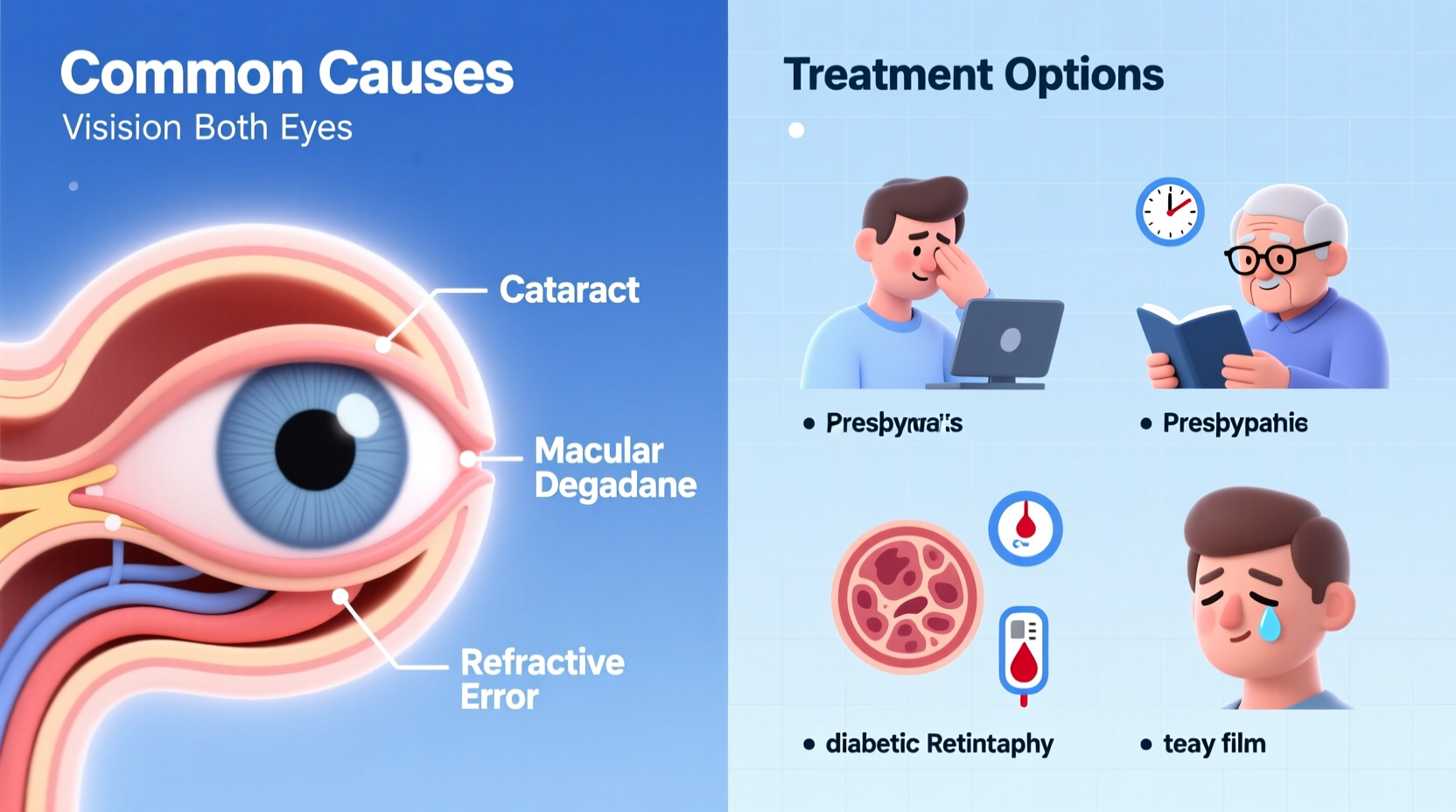
Blurry vision is not a condition in itself but a symptom of various ocular or systemic problems. Some causes are temporary and easily corrected; others require medical intervention.
- Refractive errors: Nearsightedness (myopia), farsightedness (hyperopia), astigmatism, and presbyopia are the most common culprits. These occur when the eye doesn’t bend light properly, resulting in unfocused images.
- Dry eye syndrome: Insufficient tear production or poor tear quality leads to irritation and fluctuating vision, especially after prolonged screen use.
- Cataracts: A clouding of the eye’s natural lens, typically age-related, causing gradual blurring, glare sensitivity, and faded colors.
- Diabetic retinopathy: High blood sugar damages blood vessels in the retina, potentially leading to swelling (macular edema) and vision loss.
- Glaucoma: Increased intraocular pressure damages the optic nerve, often starting with peripheral vision loss but sometimes presenting with hazy central vision.
- Migraine with aura: Visual disturbances such as shimmering lights or blind spots may precede or accompany headaches.
- Eye infections or inflammation: Conditions like uveitis or keratitis cause redness, pain, and blurred vision due to swelling in internal eye structures.
Treatment Options Based on Cause
Effective treatment depends entirely on accurate diagnosis. Self-diagnosis can delay proper care, so professional evaluation is essential.
| Condition | Treatment Approach | Expected Outcome |
|---|---|---|
| Refractive Errors | Corrective lenses (glasses/contacts), LASIK surgery | Immediate improvement with correction |
| Dry Eye Syndrome | Artificial tears, prescription drops (e.g., cyclosporine), punctal plugs | Gradual relief over weeks to months |
| Cataracts | Surgical removal and lens implantation | Significant vision restoration post-surgery |
| Diabetic Retinopathy | Blood sugar control, anti-VEGF injections, laser therapy | Slows progression; may improve macular edema |
| Glaucoma | Eyedrops, laser treatment, surgery | Preserves remaining vision; prevents further damage |
“Early detection through regular eye exams can prevent up to 90% of diabetes-related blindness.” — Dr. Linda Chen, Ophthalmologist and Director of Retinal Services at National Eye Institute
Step-by-Step Guide to Responding to Blurry Vision
If you notice changes in your vision, follow this structured approach to ensure appropriate care:
- Assess the onset and pattern: Was the blurriness sudden or gradual? Is it constant or intermittent? Does it affect one or both eyes?
- Note associated symptoms: Include pain, double vision, floaters, halos around lights, or headaches.
- Review recent behaviors: Have you increased screen time? Started new medications? Experienced head trauma?
- Check blood sugar levels (if diabetic): Fluctuations can temporarily distort the lens shape.
- Schedule an appointment with an eye care professional: An optometrist or ophthalmologist can perform comprehensive testing, including refraction, tonometry, and retinal imaging.
- Follow prescribed treatment: Whether it’s updating your glasses prescription or beginning medication, consistency improves outcomes.
- Monitor progress: Keep a log of symptoms and report any worsening immediately.
Prevention and Daily Eye Care Tips
Many causes of blurry vision develop slowly and can be mitigated with proactive habits.
Tip: Follow the 20-20-20 rule: Every 20 minutes, look at something 20 feet away for 20 seconds to reduce digital eye strain.- Wear UV-blocking sunglasses outdoors to protect against cataract formation.
- Maintain stable blood sugar and blood pressure if managing diabetes or hypertension.
- Use lubricating eye drops if working in dry or air-conditioned environments.
- Avoid smoking, which increases the risk of macular degeneration and cataracts.
- Eat a diet rich in leafy greens, omega-3 fatty acids, and antioxidants like lutein and zeaxanthin.
Real-Life Example: Recognizing Diabetic Eye Changes
Sarah, a 54-year-old teacher with type 2 diabetes, began noticing that her vision became foggy after lunch. At first, she assumed she needed reading glasses. However, when the blurriness persisted for days and was accompanied by floaters, she consulted her ophthalmologist. A dilated eye exam revealed diabetic macular edema. With prompt initiation of anti-VEGF injections and tighter glucose control, Sarah stabilized her condition and avoided significant vision loss. Her case underscores the importance of not dismissing subtle vision changes—especially with pre-existing health conditions.
FAQ
Can dehydration cause blurry vision?
Yes. Severe dehydration reduces tear production and alters the fluid balance in the eyes, leading to temporary blurriness. Rehydrating usually resolves the issue quickly.
Is blurry vision in one eye serious?
It can be. Sudden monocular blurring may indicate optic neuritis, retinal detachment, or a vascular event. Immediate evaluation is crucial to prevent permanent damage.
How often should adults get eye exams?
Adults aged 18–60 should have comprehensive eye exams every two years. Those with diabetes, glaucoma risk, or existing vision problems should be seen annually—or more frequently as recommended.
Conclusion: Take Action Before It’s Too Late
Blurry vision should never be ignored, even if it seems mild or temporary. The eyes are often the first indicators of broader health concerns, from diabetes to neurological disorders. By understanding potential causes, recognizing warning signs, and seeking timely care, you can preserve your vision and overall well-being. Don’t wait for symptoms to worsen—schedule a comprehensive eye exam today and make eye health a non-negotiable part of your routine.
💬 Your eyes speak volumes about your health. Share this article with someone who’s been squinting lately—they might just need a reminder to see an eye doctor.








