A full or thick-looking neck can be a source of frustration, especially when it affects confidence in photos or everyday appearance. While the term “fat neck” is commonly used, the reality is more complex than simple weight gain. The appearance of a bulky neck often results from a combination of factors including overall body fat, posture, muscle tone, and even genetics. The good news: with targeted strategies, most people can achieve a more defined, slimmer neckline over time.
Common Causes of a Thick-Looking Neck
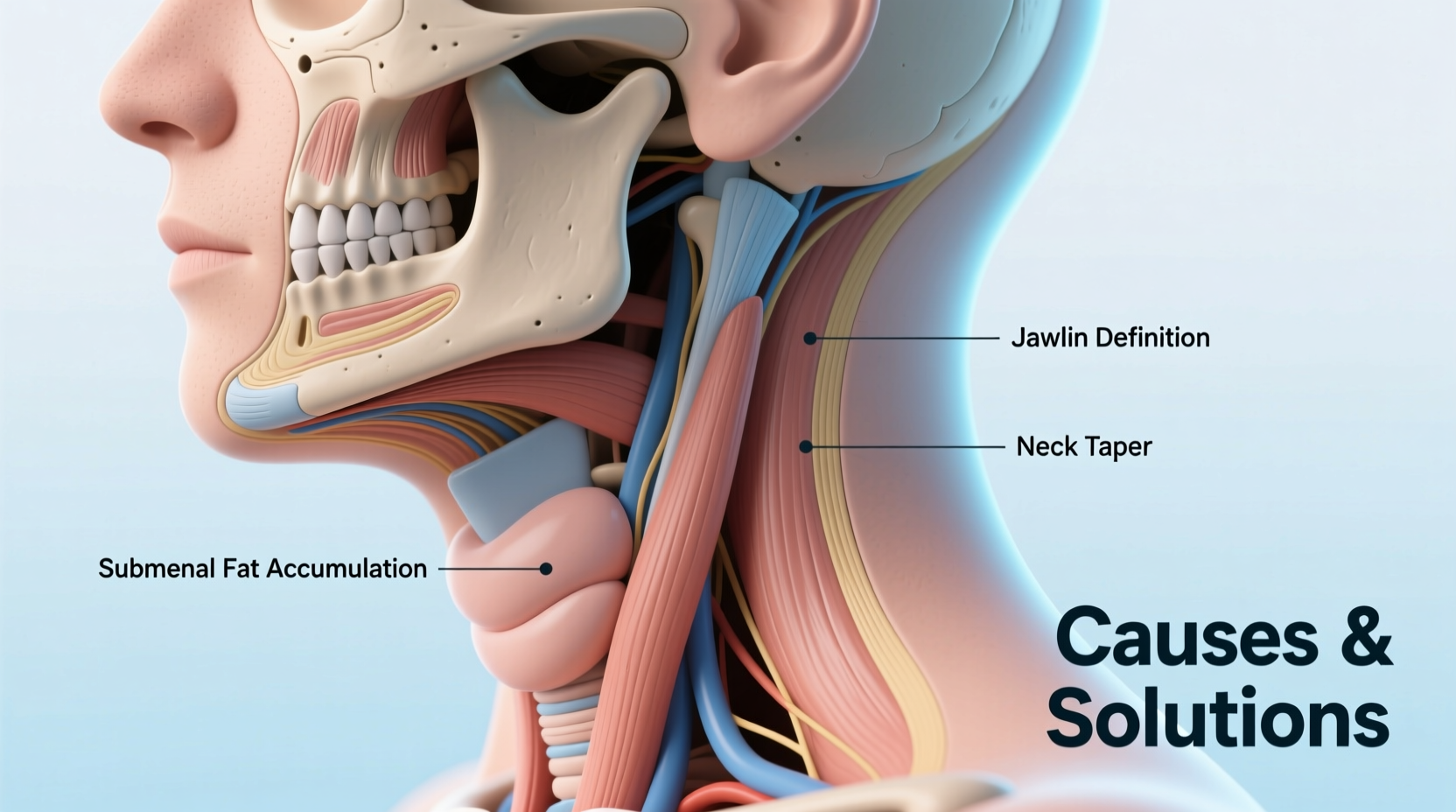
The accumulation of fat around the neck and jawline isn’t always isolated—it’s usually part of broader physiological patterns. Understanding the root causes is essential before beginning any slimming strategy.
- Excess Body Fat: When body fat increases, it often deposits in areas like the neck, jawline, and under the chin (commonly called a \"double chin\"). This is one of the most frequent contributors.
- Poor Posture: Forward head posture—common among desk workers and smartphone users—can weaken neck muscles and create the illusion of a heavier neck by shortening the cervical spine and compressing soft tissue.
- Genetics: Some individuals naturally store more fat in the submental area (under the chin) due to hereditary patterns.
- Age-Related Changes: As we age, skin elasticity decreases, and muscle tone diminishes, which can lead to sagging and a less defined jawline.
- Lack of Neck Muscle Tone: Weak platysma and sternocleidomastoid muscles contribute to a shapeless neck profile.
- Water Retention: High sodium intake, hormonal fluctuations, or dehydration can cause temporary puffiness in the face and neck.
“Neck fullness is rarely just about localized fat. It's often a reflection of overall metabolic health, posture habits, and facial structure.” — Dr. Lena Patel, Board-Certified Physical Medicine Specialist
How to Slim Down Your Neck: Proven Strategies
There is no spot-reduction for fat loss, meaning you can't burn fat exclusively from your neck. However, reducing overall body fat while improving muscle tone and posture can significantly enhance the appearance of your neck and jawline.
1. Reduce Overall Body Fat
Since neck fat is typically a result of general adiposity, losing weight through a calorie deficit is the most effective starting point. A 5–10% reduction in total body weight can noticeably improve facial and neck contours.
Tip: Focus on sustainable fat loss rather than crash diets. Rapid weight loss can worsen skin laxity, making the neck appear looser.2. Adopt a Balanced, Low-Inflammation Diet
Diet plays a crucial role in both fat storage and water retention. Prioritize whole foods and minimize processed items high in sugar and sodium.
| Recommended Foods | Foods to Limit |
|---|---|
| Leafy greens, lean proteins, berries, nuts, avocados | Sugary drinks, white bread, processed meats, salty snacks |
| Green tea, water, herbal infusions | Alcohol, soda, energy drinks |
| Omega-3 rich fish (salmon, mackerel) | Fried foods, trans fats |
3. Strengthen Neck and Jaw Muscles
Targeted exercises can firm the muscles beneath the chin and along the neck, enhancing definition. Perform these daily for best results:
- Chin Lifts: Tilt your head back, look at the ceiling, and push your lower jaw forward to feel a stretch under the chin. Hold for 10 seconds, repeat 10 times.
- Tongue Press: Press your tongue firmly against the roof of your mouth, then slowly tilt your head back. Hold for 5 seconds. This engages the platysma muscle.
- Neck Flexion Resistance: Place your hand on your forehead and gently press your head into it while resisting with your hand. Do not move your head—just engage the muscles. Hold 5 seconds, repeat 8 times.
- Jaw Release Rolls: Open your mouth slightly and roll your jaw in slow circles—5 clockwise, 5 counterclockwise. Helps relieve tension and improve circulation.
4. Improve Posture
Correcting forward head posture can dramatically change the appearance of your neck. When your head juts forward, it stretches the back of the neck and compresses the front, creating a thicker visual profile.
Tip: Set a phone reminder every hour to check your posture. Keep ears aligned over shoulders and avoid craning forward when using screens.Practice this daily alignment drill:
- Stand against a wall with heels, hips, shoulders, and head touching it.
- Hold for 2 minutes, focusing on tucking the chin slightly and lengthening the neck.
- Repeat 2–3 times daily to retrain muscle memory.
Mini Case Study: Real-Life Transformation
Sarah, a 38-year-old office worker, noticed her neck appeared heavier after gaining 15 pounds during a stressful work period. She also spent long hours looking down at her laptop. Over three months, she implemented changes: walking 8,000 steps daily, cutting sugary drinks, doing 10 minutes of neck exercises each morning, and adjusting her monitor height to eye level. She lost 9 pounds and reported that colleagues commented on her “more defined jawline,” even though she hadn’t targeted her neck directly.
Her results highlight how combining fat loss, posture correction, and muscle toning produces visible improvements—even without cosmetic procedures.
What Doesn’t Work (And What Might Help)
While many products promise quick fixes, few deliver lasting results. Here’s a clear breakdown:
| Do’s | Don’ts |
|---|---|
| Stay hydrated to reduce puffiness | Use chin straps expecting major fat loss |
| Get consistent sleep (7–8 hours) | Rely on detox teas for neck slimming |
| Practice mindful eating to control calories | Overdo neck exercises causing strain |
| Consider professional treatments if appropriate | Ignore chronic pain or swelling |
For persistent concerns, some turn to non-invasive treatments like CoolSculpting® (cryolipolysis) or Kybella® (deoxycholic acid injections), which target submental fat. These are FDA-approved but require multiple sessions and medical consultation.
Step-by-Step 6-Week Neck Slimming Plan
Follow this structured approach to see gradual improvement:
- Week 1–2: Track food intake, eliminate added sugars, and begin daily neck exercises (5 minutes). Adjust workstation ergonomics.
- Week 3–4: Add 30 minutes of moderate cardio (brisk walking, cycling) 4x/week. Increase water intake to 2+ liters daily.
- Week 5–6: Incorporate resistance training 2x/week to preserve muscle during fat loss. Practice posture checks hourly. Take progress photos.
By week six, many notice tighter skin under the chin and improved neck angle, especially when combined with even modest fat loss.
FAQ
Can you lose fat just in your neck?
No, spot reduction isn’t possible. Fat loss occurs systemically. However, the face and neck are often among the first areas to show changes as overall body fat decreases.
Why does my neck look fatter after weight gain?
The submental area (under the chin) is a common site for fat deposition, especially with visceral fat accumulation. Hormonal shifts and insulin resistance can also promote upper body fat storage.
Are neck exercises safe for everyone?
Most people can perform gentle neck toning safely. However, those with cervical spine issues, arthritis, or chronic pain should consult a physical therapist before starting.
Checklist: How to Slim Your Neck – Action Steps
- ✅ Assess current posture and correct screen height
- ✅ Drink at least 2 liters of water daily
- ✅ Eliminate sugary beverages and excess salt
- ✅ Perform neck-strengthening exercises daily
- ✅ Aim for 7–8 hours of quality sleep
- ✅ Walk or do cardio 4–5 times per week
- ✅ Monitor progress with monthly photos
- ✅ Consult a doctor if swelling or lumps are present
Final Thoughts: Patience and Consistency Win
Improving the appearance of your neck isn’t about drastic measures—it’s about consistent, intelligent habits. Genetics may influence your starting point, but lifestyle choices determine your trajectory. By managing body composition, refining posture, and toning key muscles, you can achieve a more sculpted neckline naturally.
💬 Start today—your future self will appreciate the effort. Share your journey or questions in the comments below and inspire others working toward the same goal.








