
It’s normal to lose between 50 and 100 hairs a day. But when you notice clumps in your brush, clogged shower drains, or thinning patches, it’s natural to worry. Sudden hair shedding—often called telogen effluvium—is more common than many realize, especially after major life events or physiological stressors. The good news: in most cases, it’s temporary and reversible. Understanding the root causes and knowing which nutrients support healthy hair growth can make all the difference.
What Triggers Sudden Hair Shedding?
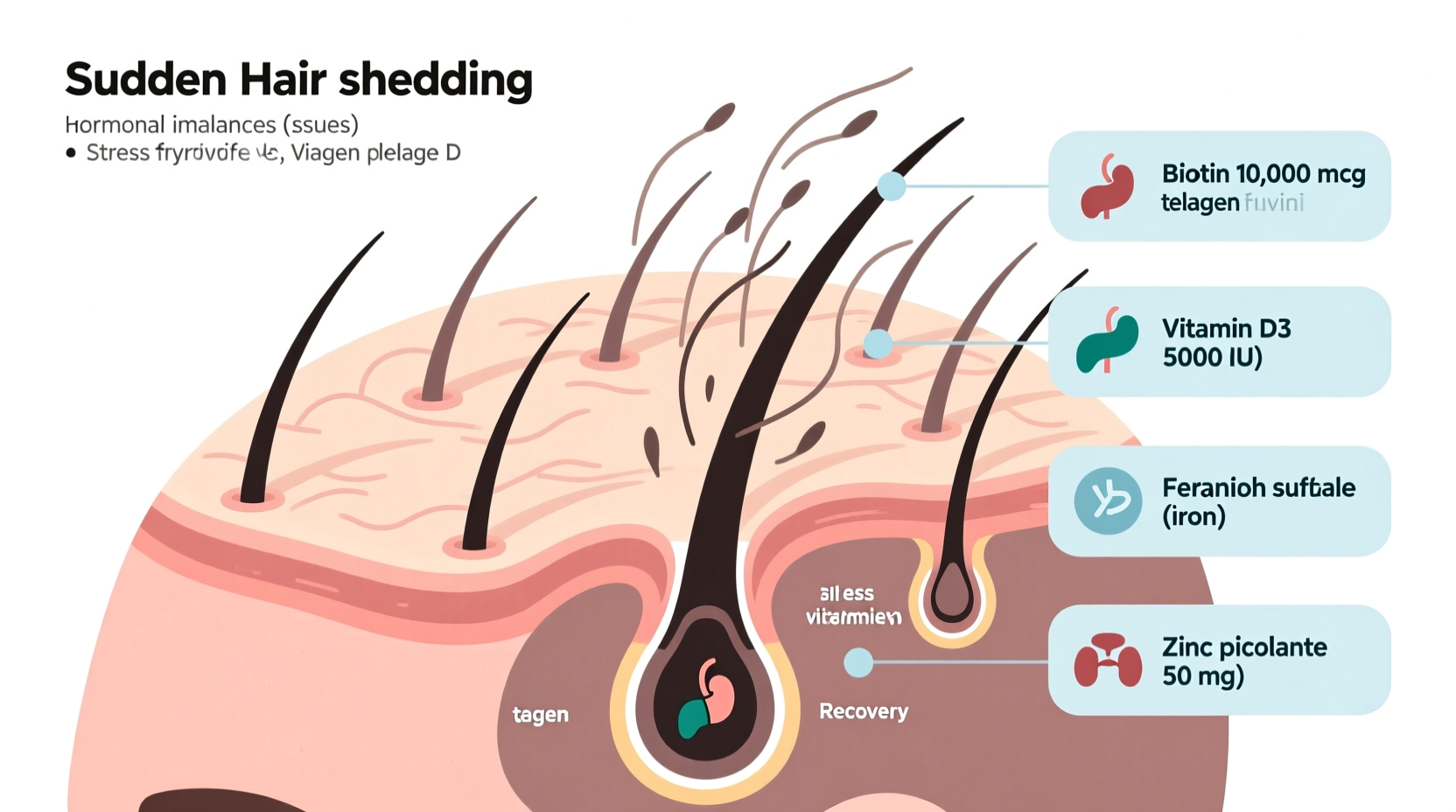
Hair grows in cycles: anagen (growth), catagen (transition), and telogen (resting). Normally, about 90% of your hair is in the growth phase. When something disrupts this balance, a large number of follicles can prematurely shift into the resting phase, leading to noticeable shedding two to three months later. This condition is known as telogen effluvium.
Sudden hair loss isn’t usually due to genetics or aging—at least not initially. Instead, it’s often a response to internal or external stressors that signal your body to conserve energy by pausing non-essential functions like hair growth.
Tip: Track recent lifestyle changes—medications, illness, diet shifts, or emotional stress—within the past 3 months. These are likely triggers.Common Medical Causes of Sudden Hair Loss
- Thyroid disorders: Both hypothyroidism and hyperthyroidism disrupt hormone balance critical for hair cycling.
- Iron deficiency anemia: Low ferritin (stored iron) is one of the most frequent nutritional culprits behind excessive shedding.
- Hormonal imbalances: PCOS, postpartum changes, and menopause can trigger androgen-related hair thinning.
- Infections: Scalp fungal infections like tinea capitis cause patchy hair loss and inflammation.
- Autoimmune conditions: Alopecia areata causes immune-mediated attacks on hair follicles.
“Hair is a barometer of internal health. When patients report sudden shedding, I always check thyroid function, iron levels, and vitamin D first.” — Dr. Lena Patel, Board-Certified Dermatologist
Lifestyle and Environmental Factors
Beyond medical issues, daily habits play a powerful role in hair health. Chronic stress, poor nutrition, and harsh styling practices can compound biological vulnerabilities.
- Chronic stress: Elevated cortisol levels shorten the growth phase and push more hairs into shedding.
- Poor diet: Crash diets, low protein intake, and micronutrient deficiencies impair keratin production.
- Medications: Antidepressants, blood pressure drugs, retinoids, and chemotherapy are known to cause hair loss.
- Post-surgery or illness: High fevers, infections, or surgeries can shock the system and trigger shedding weeks later.
- Overstyling: Tight ponytails, chemical treatments, and heat damage weaken strands and lead to breakage.
Vitamins and Nutrients That Support Hair Regrowth
While supplements aren’t a magic fix, correcting nutrient deficiencies can dramatically improve hair density and strength. The right vitamins support keratin synthesis, reduce inflammation, and maintain healthy follicle function.
Essential Vitamins for Hair Health
| Nutrient | Role in Hair Health | Best Food Sources | Recommended Daily Intake (Adults) |
|---|---|---|---|
| Vitamin D | Stimulates follicle cycling and reduces inflammation | Fatty fish, fortified dairy, sunlight exposure | 600–800 IU (15–20 mcg) |
| Vitamin B7 (Biotin) | Supports keratin infrastructure and cell turnover | Eggs, nuts, sweet potatoes, salmon | 30 mcg |
| Vitamin E | Antioxidant that protects follicles from oxidative stress | Almonds, sunflower seeds, spinach | 15 mg (22.4 IU) |
| Vitamin A | Regulates sebum production but excess causes shedding | Carrots, squash, liver (use cautiously) | 700–900 mcg (avoid high-dose supplements) |
| Iron (Ferritin) | Delivers oxygen to hair follicles; low levels strongly linked to shedding | Red meat, lentils, spinach, fortified cereals | Women: 18 mg | Men: 8 mg |
| Zinc | Supports tissue repair and enzyme function in follicles | Oysters, pumpkin seeds, chickpeas | 8–11 mg |
| Omega-3 Fatty Acids | Reduce scalp inflammation and support oil production | Fatty fish, flaxseeds, chia seeds | 1.1–1.6 g/day |
Biotin: Myth vs. Reality
Biotin (vitamin B7) is heavily marketed for hair growth, but its benefits are often overstated. While crucial for metabolic function and keratin production, supplementation only helps if you’re deficient—which is rare. Deficiency typically occurs after prolonged antibiotic use, malabsorption, or consuming raw egg whites (which contain avidin, a biotin-binding protein).
High-dose biotin supplements can also interfere with lab tests, including cardiac markers and thyroid panels, leading to misdiagnosis. The FDA has issued warnings about this risk.
“We see patients every week who take 10,000 mcg of biotin daily, thinking it will grow hair faster. In reality, unless they’re deficient, it’s flushing money down the drain—and potentially masking serious health issues.” — Dr. Alan Kim, Clinical Biochemist
When to See a Doctor
Not all hair loss is temporary. Persistent shedding beyond six months, visible scalp through thinning areas, or bald patches require professional evaluation. A dermatologist or endocrinologist can perform blood work and scalp analysis to rule out permanent conditions like androgenetic alopecia or scarring alopecia.
Diagnostic Tests You May Need
- Complete Blood Count (CBC): Checks for anemia or infection.
- Ferritin and Iron Panel: Assesses stored iron levels—ideal ferritin for hair health is above 50 ng/mL.
- Thyroid Function Test (TSH, T3, T4): Identifies hypo- or hyperthyroidism.
- Vitamin D Level: Deficiency is widespread and linked to chronic shedding.
- Hormone Panel: For women, checks testosterone, DHEA-S, and estrogen if PCOS is suspected.
- Scalp Biopsy (if needed): Rules out autoimmune or inflammatory causes.
Mini Case Study: Recovering from Postpartum Hair Loss
Sarah, a 32-year-old mother of twins, began losing hair six months after delivery. She found clumps in her brush and noticed her part widening significantly. Initially panicked, she consulted a dermatologist who ordered bloodwork. Results showed low ferritin (18 ng/mL), borderline vitamin D (24 ng/mL), and mild thyroid imbalance.
With guidance, Sarah started taking a gentle iron bisglycinate supplement (18 mg/day), vitamin D3 (2000 IU/day), and increased her protein intake. She also reduced heat styling and switched to a sulfate-free shampoo. Within four months, shedding decreased by 80%, and new baby hairs appeared along her hairline. Full recovery took nine months, but Sarah now monitors her levels annually.
Tip: Postpartum shedding peaks at 3–4 months after birth. It’s usually self-limiting, but nutrient replenishment speeds recovery.Step-by-Step Guide to Managing Sudden Hair Shedding
If you're experiencing unexpected hair loss, follow this practical timeline to identify causes and restore balance:
- Week 1–2: Assess & Document
- Take photos of your scalp and hairline for comparison.
- Track shedding: Count hairs lost daily or note changes in brush buildup.
- List any recent stressors, illnesses, medications, or diet changes.
- Week 3–4: Get Tested
- Request blood tests: CBC, ferritin, TSH, vitamin D, zinc, and basic hormone panel.
- Consult a dermatologist if shedding is severe or patchy.
- Month 2: Begin Targeted Support
- Correct deficiencies: Start supplements only if labs confirm need.
- Improve diet: Prioritize protein (1.2–1.6g/kg body weight), leafy greens, healthy fats.
- Reduce stress: Practice mindfulness, yoga, or deep breathing for 10 minutes daily.
- Month 3–6: Monitor Progress
- Re-test key markers (especially ferritin and vitamin D).
- Adjust dosage or diet based on results.
- Expect gradual improvement—hair grows ~0.5 inches per month.
- Month 6+: Reassess Long-Term Strategy
- If shedding persists, consider advanced testing or prescription options (e.g., minoxidil).
- Maintain nutrient baseline with seasonal blood checks.
Frequently Asked Questions
Can stress really cause hair to fall out?
Yes. Physical or emotional stress can trigger telogen effluvium by shifting hair follicles into the resting phase. This shedding typically appears 2–3 months after the stressful event. Managing stress through sleep, exercise, and therapy can help reverse it.
How long does it take for hair to stop shedding after starting vitamins?
Most people see reduced shedding within 8–12 weeks of correcting deficiencies. However, full regrowth takes time—often 6–9 months—as new hairs need to grow out visibly. Patience and consistency are essential.
Are hair growth supplements worth it?
Only if you have a deficiency. Supplements like biotin, collagen, or marine extracts may support hair when diet falls short, but they won’t override genetic balding or replace medical treatment. Look for third-party tested products with transparent dosing.
Action Plan Checklist
Use this checklist to take control of sudden hair shedding:
- ✅ Take baseline photos of your scalp and hairline
- ✅ Schedule blood work (ferritin, thyroid, vitamin D, CBC)
- ✅ Increase protein intake to at least 20–30g per meal
- ✅ Add iron-rich foods (spinach, lentils, red meat) or supplement if deficient
- ✅ Take 1000–2000 IU vitamin D daily if levels are low
- ✅ Minimize heat styling and tight hairstyles
- ✅ Practice stress-reduction techniques daily
- ✅ Re-evaluate progress at 3 and 6 months
Final Thoughts: Hair Loss Is Often Reversible
Sudden hair shedding is alarming, but in most cases, it’s a sign your body is responding to change—not failing. By identifying the underlying cause, whether it’s low iron, hormonal shifts, or chronic stress, you can take meaningful steps toward recovery. Nutrition plays a foundational role: without adequate protein, iron, and key vitamins, hair simply can’t regenerate effectively.
The journey back to thicker, healthier hair isn’t overnight. It requires patience, consistent care, and sometimes medical support. But with the right approach, most people regain their hair density fully. Don’t suffer in silence—track your symptoms, get tested, and take action. Your hair’s resilience may surprise you.
💬 Have you experienced sudden hair loss? What helped you recover? Share your story in the comments—your experience could guide someone else toward answers.








