
Cats are known for their love of sleep. It’s not unusual to find your feline curled up in a sunbeam or nestled in a cozy corner, dozing the day away. On average, adult cats sleep between 12 to 16 hours daily, while kittens and senior cats may sleep up to 20 hours. However, when your cat begins sleeping noticeably more than their usual pattern, it can raise concerns. While some changes in sleep behavior are perfectly normal, others may signal underlying health problems. Understanding the difference is essential for responsible pet ownership.
Sleep is a vital part of a cat’s life—it supports immune function, tissue repair, and mental well-being. But just like humans, cats can experience disruptions in their rest patterns due to age, environment, or illness. The key lies in observing subtle shifts in behavior, energy levels, and overall routine. Recognizing early warning signs allows you to intervene before minor issues become serious conditions.
Normal vs. Abnormal Sleep Patterns in Cats
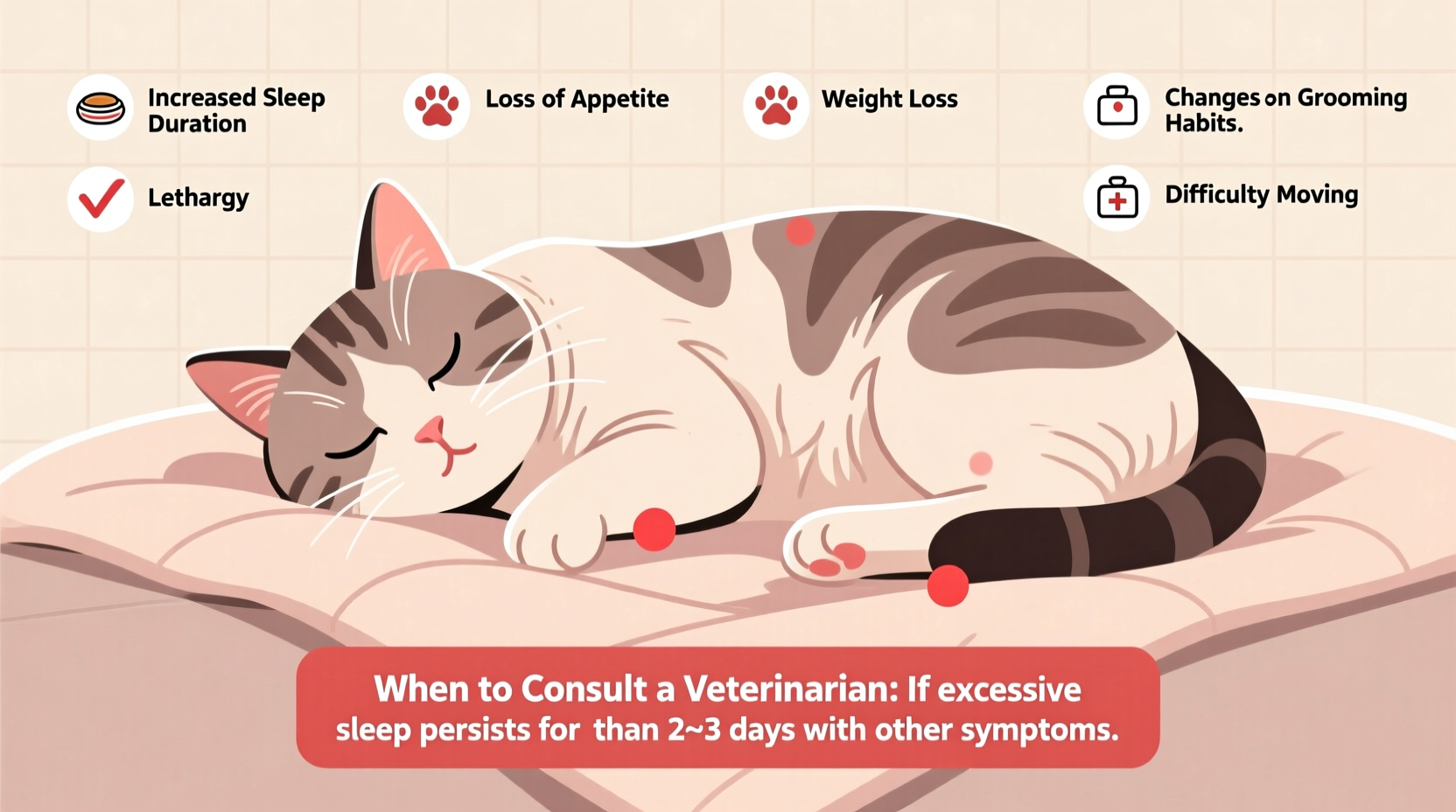
All cats have individual sleep rhythms influenced by age, activity level, and personality. A young kitten might burst with energy one moment and crash into deep sleep the next. An older cat may nap frequently due to decreased mobility or metabolic changes. Seasonal factors also play a role—cats often sleep more during colder months when daylight is shorter and indoor activity is limited.
What matters most is consistency. If your cat typically sleeps 14 hours a day and suddenly starts sleeping 18–20 hours with little interest in food, play, or interaction, that shift warrants attention. Similarly, if your usually active cat now spends entire days motionless except to eat or use the litter box, this could indicate something beyond typical laziness.
Tip: Keep a simple log of your cat’s daily habits—eating, grooming, playing, and sleeping—for a week. This baseline helps identify meaningful deviations.Common Reasons Cats Sleep More Than Usual
Increased sleep isn’t always alarming. Several benign factors can explain why your cat is resting more:
- Seasonal changes: In winter, reduced sunlight and cooler temperatures naturally lead to longer rest periods.
- Age-related shifts: Senior cats (over 10 years) often slow down and require more recovery time after minimal exertion.
- Boredom or low stimulation: Indoor-only cats without enrichment may sleep simply because there’s nothing else to do.
- Weather sensitivity: Some cats are sensitive to barometric pressure changes before storms and become lethargic.
- Post-vaccination or medication effects: After routine vet visits or starting new treatments, temporary drowsiness is common.
These causes generally resolve on their own within a few days. However, persistent excessive sleep—especially when paired with other symptoms—should never be ignored.
When to Be Concerned: Red Flags That Require Attention
While occasional extra naps are harmless, certain accompanying behaviors suggest an underlying medical issue. These red flags should prompt a veterinary consultation:
- Lack of response to stimuli: Your cat doesn’t react when called, touched, or presented with favorite toys or treats.
- Changes in appetite or thirst: Eating less, refusing food entirely, or drinking significantly more or less than usual.
- Weight loss or gain: Sudden changes despite consistent diet.
- Difficulty moving: Limping, reluctance to jump, stiffness, or vocalizing in pain.
- Vomiting or diarrhea: Especially if recurring or accompanied by dehydration.
- Labored breathing: Rapid breaths, open-mouth breathing, or hunched posture.
- Excessive hiding: Withdrawal from family members or avoidance of social interaction.
- Dull coat or poor grooming: Mats, greasy fur, or strong odor may indicate inability or unwillingness to self-clean.
If your cat exhibits any combination of these signs along with prolonged sleep, it’s time to seek professional evaluation. Conditions such as kidney disease, diabetes, hyperthyroidism, infections, or even cancer can manifest initially through lethargy and increased rest.
“Cats are masters at masking illness. By the time they show obvious symptoms like sleeping too much or refusing food, the condition may already be advanced.” — Dr. Rachel Nguyen, DVM, Feline Internal Medicine Specialist
Medical Conditions Linked to Excessive Sleep
Several health issues commonly present with increased sleep as a primary symptom. Early detection improves outcomes dramatically.
| Condition | How It Affects Sleep | Other Symptoms to Watch For |
|---|---|---|
| Kidney Disease | Toxins build up, causing fatigue and weakness | Increased urination, vomiting, bad breath, weight loss |
| Diabetes Mellitus | Poor glucose utilization leads to low energy | Excessive thirst, frequent urination, ravenous appetite |
| Hyperthyroidism | Initially causes restlessness, but later stages bring exhaustion | Weight loss despite eating more, rapid heart rate, anxiety |
| Anemia | Reduced oxygen-carrying capacity results in tiredness | Pale gums, rapid breathing, weakness |
| Arthritis or Chronic Pain | Pain discourages movement; cat conserves energy | Stiffness, limping, reluctance to climb stairs |
| Infections (e.g., UTI, respiratory) | Body diverts energy to fight illness | Fever, discharge, straining to urinate, sneezing |
It’s important not to diagnose your cat at home. Only a veterinarian can perform blood work, urinalysis, imaging, and physical exams to determine the root cause.
What to Check at Home Before Calling the Vet
Before rushing to the clinic, conduct a careful at-home assessment. This information will help your vet make a faster, more accurate diagnosis.
Tip: Use a smartphone timer to count your cat’s breaths per minute while they’re resting. Normal respiration is 20–30 breaths/minute.Step-by-Step At-Home Evaluation
- Observe responsiveness: Gently call your cat’s name or shake a treat bag. Do they lift their head? Approach you?
- Check gum color: Lift the lip gently. Healthy gums are pink. Pale, white, blue, or yellow gums indicate potential problems.
- Feel the ears and paws: Are they unusually cold or hot? Cold extremities may suggest poor circulation.
- Monitor water intake: Note how often they drink. Increased frequency may point to kidney or endocrine issues.
- Inspect litter box habits: Look for changes in volume, consistency, or effort when urinating or defecating.
- Assess body condition: Run your hands over their ribs and spine. Can you feel bones easily? Is there noticeable weight loss?
- Listen for breathing sounds: Wheezing, raspy inhalations, or open-mouth breathing are urgent signs.
Document your findings clearly. Include dates, times, and specific observations. This record becomes invaluable during the vet visit.
Mini Case Study: Bella, the 12-Year-Old Tabby
Bella had always been a lively presence in her household, greeting her owner at the door and chasing feather toys each evening. Over three weeks, her owner noticed she was sleeping nearly all day, only waking briefly to eat small amounts. Initially dismissed as aging, concern grew when Bella stopped jumping onto the bed—a habit she’d never abandoned.
The owner checked Bella’s gums (pale), noted increased water consumption, and recorded her breathing rate at 40 breaths per minute. A vet visit followed immediately. Blood tests revealed early-stage kidney disease and mild anemia. With dietary changes, fluid therapy, and medication, Bella regained energy within two weeks. Her sleep normalized, and she resumed short play sessions.
This case illustrates how subtle clues—when taken together—can reveal serious conditions long before collapse or severe illness occurs. Early intervention made a critical difference.
Preventive Checklist: Monitoring Your Cat’s Health
Stay proactive with this monthly checklist to catch issues early:
- ✅ Weigh your cat monthly using a digital scale
- ✅ Track daily food and water intake
- ✅ Observe interaction levels and play behavior
- ✅ Inspect coat quality and grooming habits
- ✅ Monitor litter box usage (frequency and appearance)
- ✅ Schedule biannual wellness exams for cats over 7 years old
- ✅ Update vaccinations and parasite prevention as recommended
For senior cats, consider home monitoring tools like smart feeders or activity trackers that alert you to significant drops in movement or eating patterns.
Frequently Asked Questions
Is it normal for older cats to sleep all day?
Senior cats do tend to sleep more—up to 18 hours a day—but they should still have periods of alertness and engagement. If your older cat no longer responds to their name, avoids contact, or shows other physical changes, consult your vet. Age isn’t a disease, and excessive lethargy is not inevitable.
Can stress cause a cat to sleep more?
Yes. While stress often causes hyperactivity or hiding, some cats respond by withdrawing and sleeping excessively. Major changes like moving, new pets, or loud noises can trigger this. Address environmental stressors and provide safe spaces with familiar scents.
Should I wake my cat if they’re sleeping too much?
No. Forcibly waking a cat can cause anxiety or defensive aggression. Instead, encourage gentle interaction during their natural waking moments—offer treats, brush them, or use interactive toys. If they consistently refuse to engage, that’s the real concern.
Conclusion: Trust Your Instincts and Act Early
Your cat relies on you to interpret their needs, especially when they can’t speak. While increased sleep may stem from harmless causes, it can also be the first whisper of a deeper health issue. There’s no benefit in waiting until symptoms worsen. By learning your cat’s baseline behavior, watching for red flags, and knowing what to check at home, you empower yourself to act decisively.
Veterinary medicine has advanced significantly, and many conditions that once led to rapid decline are now manageable with early treatment. Don’t hesitate to schedule an appointment if something feels off—even if you can’t pinpoint exactly what. As animal caregivers, our greatest tool is observation, and our best decision is timely action.
💬 Have you noticed changes in your cat’s sleep habits? Share your experience or questions below—your story might help another pet owner recognize a warning sign early.








