
When a cat starts urinating outside the litter box, it’s one of the most common yet distressing behaviors for pet owners. The immediate reaction might be frustration or confusion, but this behavior is never arbitrary. Cats don’t “act out” for spite; they communicate through actions. Peeing outside the box is a symptom—not a character flaw. Understanding whether the cause is medical or behavioral is crucial to resolving the issue effectively and humanely.
While both medical conditions and emotional stress can lead to inappropriate elimination, the treatment paths differ significantly. Misdiagnosing a urinary tract infection as a territorial protest can delay vital treatment. Conversely, treating anxiety with antibiotics won’t solve anything. This guide breaks down the key differences between medical and behavioral causes, outlines diagnostic steps, and provides actionable strategies to restore harmony in your home.
Medical Causes: When Health Is the Root Issue
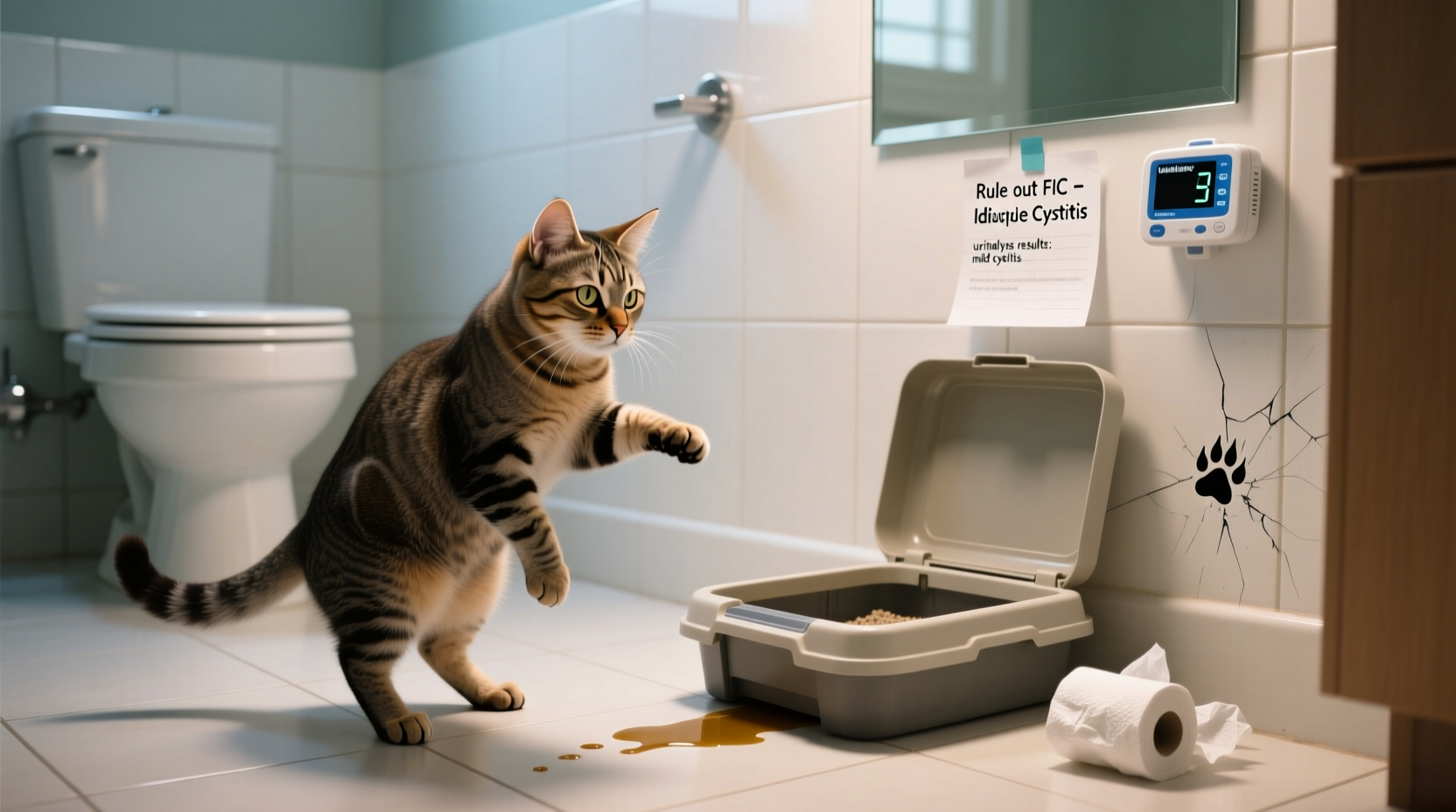
Before assuming behavioral problems, rule out medical conditions. Urinary issues are among the most frequent health concerns in cats and can be life-threatening if ignored. Conditions such as urinary tract infections (UTIs), bladder stones, kidney disease, diabetes, and feline lower urinary tract disease (FLUTD) often manifest through changes in elimination habits.
Cats are masters at hiding pain, so subtle signs like straining to urinate, frequent trips to the box with little output, vocalizing during urination, or blood in the urine may go unnoticed. If your cat suddenly begins peeing on cool surfaces like tile floors, bathtubs, or near water sources, this could indicate discomfort associated with inflammation or blockage.
Tip: Any sudden change in litter box use warrants a veterinary visit—even if your cat seems otherwise healthy.Male cats are especially vulnerable to urethral obstructions, which are medical emergencies. A blocked urethra prevents urine from leaving the body, leading to toxin buildup, kidney failure, and death within 48–72 hours if untreated. Symptoms include repeated unsuccessful attempts to urinate, lethargy, vomiting, and crying.
“Never assume inappropriate urination is purely behavioral. A thorough physical exam and urinalysis should be the first step.” — Dr. Karen Bennett, Feline Internal Medicine Specialist
Common Medical Conditions Linked to Litter Box Avoidance
| Condition | Symptoms | Diagnosis Method |
|---|---|---|
| Urinary Tract Infection (UTI) | Frequent urination, straining, blood in urine, licking genital area | Urinalysis, urine culture |
| Bladder Stones | Intermittent blockage, pain, recurrent UTIs | Ultrasound, X-ray, urinalysis |
| FLUTD (Feline Lower Urinary Tract Disease) | Urgency, inappropriate urination, vocalization while urinating | Clinical signs, imaging, exclusion of other causes |
| Diabetes | Increased thirst, frequent urination, weight loss | Blood glucose test, fructosamine levels |
| Kidney Disease | Increased water intake, poor coat, lethargy, decreased urination over time | Blood work (BUN, creatinine), urinalysis |
If your veterinarian confirms a medical issue, treatment will depend on the diagnosis. Antibiotics for infections, dietary changes for stone management, insulin for diabetes, or fluid therapy for kidney support may be prescribed. Once the underlying condition is managed, litter box behavior often improves—provided no secondary behavioral patterns have taken root.
Behavioral Causes: Stress, Territory, and Environment
Once medical causes are ruled out, behavioral factors become the primary focus. Behavioral urination is typically rooted in stress, fear, or dissatisfaction with the litter environment. Unlike medical cases, these incidents often involve small amounts of urine sprayed on vertical surfaces (spraying), though some cats will pee flat on horizontal areas too.
Common triggers include:
- New pets or people in the home
- Changes in routine (work schedules, moving furniture)
- Litter box aversion (dirty box, wrong location, covered box discomfort)
- Multi-cat household tensions
- Outdoor cats visible through windows
- Past trauma associated with the litter box (e.g., being startled while using it)
Cats are creatures of habit. They thrive on predictability and control over their territory. When that sense of security is disrupted, they may mark their space with urine to reassert familiarity. This isn’t defiance—it’s an attempt to cope.
Distinguishing Spraying from Inappropriate Elimination
It’s important to differentiate between spraying and full urination outside the box:
- Spraying: Cat stands upright, tail flicks, deposits small amounts of urine on vertical surfaces (walls, doors, furniture).
- Inappropriate elimination: Cat squats and leaves a puddle on horizontal surfaces (rugs, beds, laundry).
Spraying is almost always behavioral and territorial. Full squatting outside the box can be either medical or behavioral, depending on context.
Tip: Neutering reduces spraying by up to 90% in male cats and lowers territorial marking in females.Step-by-Step Guide to Diagnosing and Resolving the Problem
Resolving inappropriate urination requires a methodical approach. Follow this timeline to identify and address the root cause:
- Observe and document: Note where, when, and how often accidents occur. Is it spraying or full voiding? Are multiple locations involved?
- Schedule a vet visit: Request a complete physical, urinalysis, and possibly blood work to rule out medical causes.
- Review litter box setup: Ensure you have enough boxes (one per cat plus one extra), clean them daily, use unscented clumping litter, and place them in quiet, accessible locations.
- Eliminate stressors: Identify environmental changes. Use pheromone diffusers (like Feliway), create safe zones, and avoid punishment.
- Thoroughly clean accidents: Use enzymatic cleaners to break down odor molecules. Avoid ammonia-based products, which mimic urine scent.
- Monitor progress: Track improvements over 2–4 weeks. If no change, consider consulting a veterinary behaviorist.
Patience is essential. Even after the cause is addressed, it may take time for your cat to relearn appropriate habits.
Real-Life Example: Luna’s Story
Luna, a 4-year-old female tabby, began urinating on her owner’s bed shortly after a new kitten was adopted. The owner initially assumed Luna was jealous and retaliating. After multiple cleaning attempts and failed deterrents, Luna was taken to the vet.
The urinalysis revealed a mild UTI, likely triggered by stress-induced immune suppression. She was treated with antibiotics and a urinary-support diet. Meanwhile, the owner implemented gradual reintroduction techniques between the cats, added a third litter box in a separate room, and installed a Feliway diffuser.
Within three weeks, the accidents stopped. The case highlighted how behavioral stress can precipitate medical issues—and how both must be addressed together for full resolution.
Checklist: What to Do When Your Cat Pees Outside the Box
- ✅ Schedule a veterinary exam immediately
- ✅ Collect a fresh urine sample if possible (use non-absorbable litter or special collection tray)
- ✅ Count and inspect all litter boxes (cleanliness, number, location)
- ✅ Switch to unscented, clumping litter if not already using it
- ✅ Clean soiled areas with enzymatic cleaner—never steam clean or use vinegar alone
- ✅ Reduce household stress with pheromone diffusers and safe retreats
- ✅ Avoid yelling, rubbing the cat’s nose in urine, or physical punishment
- ✅ Monitor interactions in multi-cat homes for bullying or avoidance
- ✅ Consult a certified cat behavior consultant if issues persist
Frequently Asked Questions
Can anxiety really cause my cat to pee outside the box?
Absolutely. Cats are highly sensitive to environmental changes. Anxiety from moving, new family members, loud noises, or even rearranged furniture can trigger marking behavior. Chronic stress affects the bladder and can lead to FLUTD flare-ups, creating a cycle of medical and behavioral issues.
How many litter boxes should I have?
The general rule is one litter box per cat, plus one extra. For example, two cats need three boxes. Boxes should be placed in different areas of the home to prevent guarding and give each cat privacy.
Is it okay to confine my cat to one room temporarily?
Yes—under supervision. If accidents are widespread, confining your cat to a single room with food, water, scratching post, toys, and two litter boxes can help retrain habits. Gradually reintroduce access to other areas once consistent box use resumes.
Conclusion: Compassion Over Correction
Addressing inappropriate urination isn’t about enforcing obedience—it’s about listening to your cat. Whether the cause is a painful infection or silent anxiety, your response shapes the trust and bond you share. Rushing to judgment only prolongs suffering. A thoughtful, evidence-based approach respects your cat’s needs and leads to lasting solutions.
💬 Your experience matters. Have you resolved your cat’s litter box issues? Share your story in the comments—your insight could help another worried pet owner find hope and answers.








