Bearded dragons are expressive reptiles, and subtle changes in their behavior can signal underlying issues. One such behavior—closing one eye while the other remains open—often alarms owners. While occasional eye closure may be normal, persistent or unilateral eye closure can point to infections, environmental imbalances, or nutritional deficiencies. Understanding the reasons behind this behavior is crucial for maintaining your pet’s long-term health and comfort.
Unlike mammals, reptiles don’t show pain or illness through obvious vocalizations or dramatic movements. Instead, they rely on physical cues. A bearded dragon closing one eye could be reacting to irritation, infection, or even improper habitat conditions. Recognizing the difference between benign habits and serious health concerns allows you to respond appropriately and prevent complications.
Common Causes of One-Eyed Closure
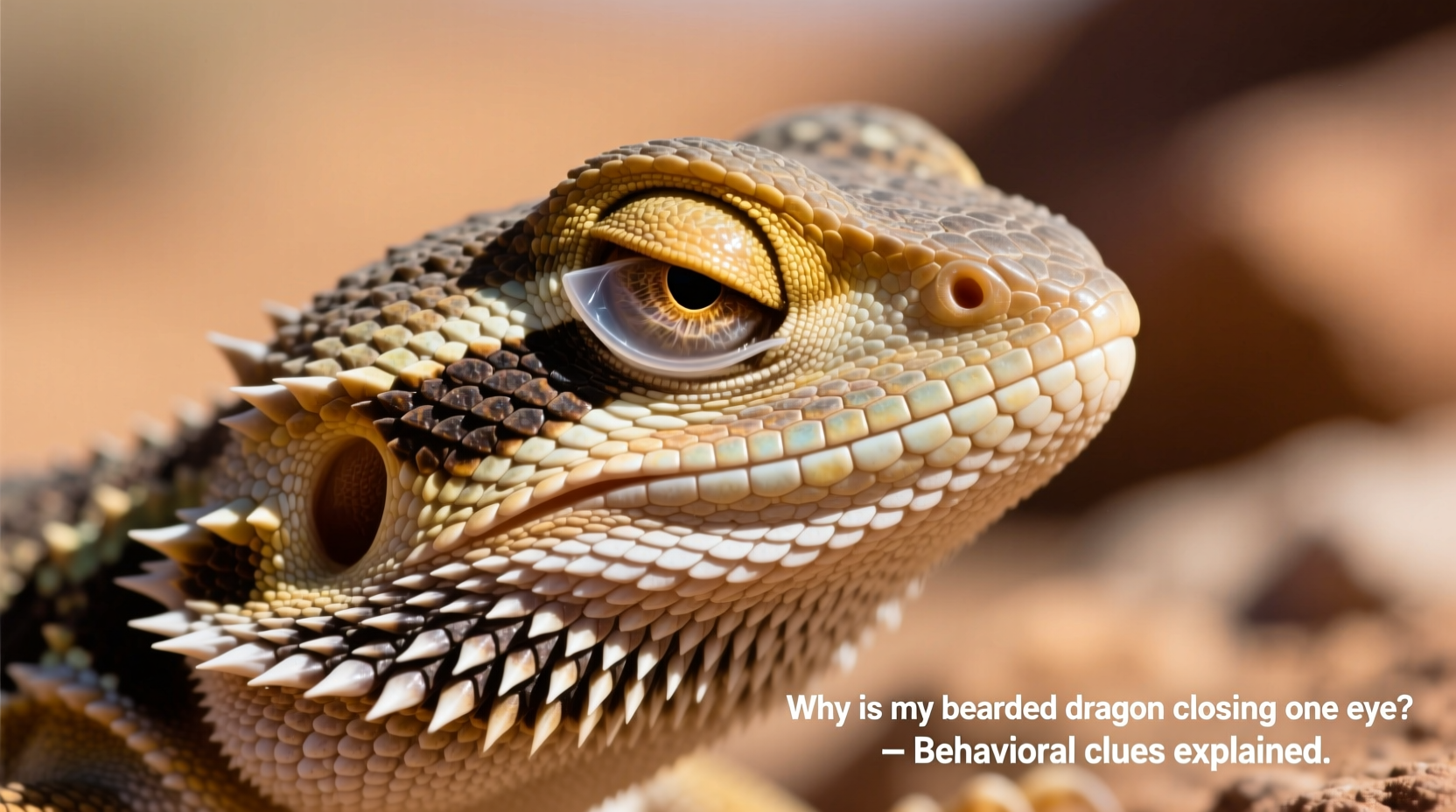
There are several potential explanations for why a bearded dragon closes one eye. Some are minor and easily corrected, while others require prompt veterinary attention.
- Eye Infection (Conjunctivitis): Bacterial or fungal infections often cause swelling, discharge, and reluctance to open the affected eye. This is one of the most frequent medical causes.
- Vitamin A Deficiency: Bearded dragons need adequate vitamin A for proper mucous membrane and eye health. Deficiency leads to swollen eyelids and retained shed around the eyes.
- Foreign Object or Irritation: Dust, substrate particles, or shed skin trapped under the eyelid can cause discomfort, prompting the dragon to keep the eye shut.
- Poor Hydration: Dehydration affects tear production and can make the eye feel dry or gritty, leading to partial closure.
- UVB Lighting Issues: Inadequate UVB exposure disrupts calcium metabolism and overall immune function, indirectly contributing to eye problems.
- Trauma or Injury: Accidental bumps, fights with tank mates, or sharp décor can injure the eye or surrounding tissue.
- Normal Resting Behavior: Occasionally, beardies rest one eye at a time, especially in low-light environments. If both eyes open normally later, it may not be concerning.
Environmental Factors That Contribute to Eye Problems
The habitat plays a major role in your bearded dragon’s ocular health. Suboptimal enclosure conditions are frequently linked to recurring eye issues.
Dust from substrates like sand or crushed walnut shell can become airborne and irritate sensitive eye tissues. Low humidity levels lead to dry eyes, especially during shedding periods. Overhead lighting that is too bright or improperly filtered may also cause discomfort, prompting squinting or partial closure.
Additionally, incorrect basking temperatures impair digestion and nutrient absorption. If your dragon isn’t processing food efficiently, even a balanced diet may not deliver essential vitamins like A and D3, which are critical for eye and immune health.
| Factor | Optimal Range | Risk if Improper |
|---|---|---|
| Basking Temperature | 95–110°F (35–43°C) | Poor digestion, nutrient deficiency |
| UVB Light Duration | 10–12 hours daily | Weakened immunity, metabolic bone disease |
| Ambient Humidity | 30–40% | Dry eyes, difficult shedding |
| Substrate Type | Non-particulate (tile, reptile carpet) | Dust irritation, impaction risk |
Step-by-Step Guide to Assessing and Responding
If you notice your bearded dragon consistently closing one eye, follow this structured approach to determine severity and next steps.
- Observe Closely: Watch for additional symptoms—swelling, mucus, crust, lethargy, or loss of appetite.
- Check Habitat Conditions: Verify temperature gradients, UVB bulb age (replace every 6 months), and humidity levels.
- Inspect the Eye: Use a flashlight to examine the closed eye. Look for redness, bulging, or foreign material.
- Try Gentle Cleaning: Dampen a soft cloth or cotton ball with lukewarm saline solution and gently wipe around the eye. Do not apply pressure.
- Assess Diet: Ensure intake of vitamin-A-rich foods like collard greens, carrots, and sweet potatoes. Avoid over-supplementing.
- Monitor for 24–48 Hours: If the eye opens on its own and no other symptoms appear, the issue may have been temporary.
- Contact a Reptile Veterinarian: If the eye remains closed beyond two days, shows discharge, or your dragon acts unwell, seek professional help immediately.
“Unilateral eye closure in bearded dragons should never be ignored. Early intervention prevents corneal damage and systemic illness.” — Dr. Lena Reyes, DVM, Exotic Animal Specialist
When It’s More Than Just an Eye Issue
Sometimes, eye problems are symptoms of deeper health challenges. Metabolic Bone Disease (MBD), caused by calcium and vitamin D3 deficiency, weakens the skeletal structure and can affect the bones around the eye socket, leading to nerve compression or misalignment. In severe cases, this manifests as asymmetrical eye movement or chronic closure.
Infections can spread from the eye to the sinuses or brain if left untreated. Signs of systemic illness include weight loss, tremors, difficulty moving, and refusal to eat. These warrant urgent veterinary evaluation and possibly blood tests or radiographs.
Parasites, though less common, can also contribute to poor nutrient absorption and weakened immunity, making your dragon more susceptible to secondary infections, including ocular ones.
Tip: Maintain a health journal tracking feeding, shedding, behavior, and any abnormalities. This helps vets identify patterns over time.Mini Case Study: Luna the Bearded Dragon
Luna, a two-year-old female bearded dragon, began closing her right eye after her owner switched to a new calcium supplement. Initially, the owner assumed it was shedding-related and increased misting. However, after three days, the eye remained shut, and a yellowish discharge appeared.
A visit to the reptile vet revealed a bacterial conjunctivitis exacerbated by excessive vitamin D3 from the new supplement, which disrupted calcium balance. The vet prescribed topical antibiotics and advised switching back to a balanced multivitamin regimen. Within a week, Luna’s eye fully reopened, and her activity returned to normal.
This case highlights how well-intentioned changes—like altering supplements—can unintentionally harm reptile health if not carefully managed. Regular monitoring and professional guidance are key.
Prevention Checklist
Preventing eye issues starts with consistent husbandry practices. Follow this checklist to minimize risks:
- ✅ Use non-dusty, safe substrate (e.g., ceramic tile or reptile carpet)
- ✅ Replace UVB bulbs every 6 months, even if still glowing
- ✅ Provide a varied diet rich in vitamin A (dark leafy greens, squash)
- ✅ Mist lightly during shedding to aid skin removal
- ✅ Clean water bowl daily and sanitize enclosure weekly
- ✅ Schedule annual wellness exams with a reptile-savvy vet
- ✅ Avoid housing multiple adults together to reduce stress and injury risk
Frequently Asked Questions
Is it normal for bearded dragons to close one eye occasionally?
Yes, brief moments of single-eye closure can occur during rest or in bright light. However, if it persists beyond a few hours or is accompanied by swelling or discharge, it’s not normal and requires investigation.
Can I use human eye drops on my bearded dragon?
No. Human eye drops often contain preservatives or medications unsuitable for reptiles. Only use treatments prescribed by a veterinarian. Saline solution for irrigation is acceptable for gentle cleaning.
How do I know if my bearded dragon has a vitamin A deficiency?
Signs include chronically swollen eyes, difficulty opening the eyes, retained eye caps during shedding, and dull skin. A vet can confirm through clinical signs and dietary history. Correcting the deficiency involves adjusting diet and, in some cases, injectable supplementation.
Conclusion: Act Early, Prevent Long-Term Harm
A bearded dragon closing one eye is a signal—not just a quirk. Whether due to environmental irritation, nutritional imbalance, or infection, the underlying cause needs attention before it escalates. Many eye conditions are treatable when caught early, but delayed care can lead to permanent vision damage or systemic illness.
By maintaining optimal habitat conditions, providing a nutritionally complete diet, and staying alert to behavioral changes, you give your pet the best chance at a healthy life. Don’t hesitate to consult a qualified reptile veterinarian when in doubt. Your vigilance today ensures your bearded dragon’s comfort and longevity tomorrow.
💬 Have you noticed your bearded dragon closing one eye? Share your experience or questions in the comments—your story might help another owner spot a problem early.








