
In an era dominated by screens, sedentary jobs, and fast food, the importance of regular physical activity cannot be overstated. Exercise is not just a tool for weight management—it’s a cornerstone of holistic health. From reducing the risk of chronic disease to improving mood and cognitive function, movement plays a vital role in nearly every aspect of well-being. Despite overwhelming evidence, many still underestimate its impact or struggle to integrate it into daily life. This article explores the science-backed benefits of exercise, practical strategies to stay consistent, and real-world insights that underscore why making time for movement is non-negotiable.
Physical Health: The Foundation of Longevity
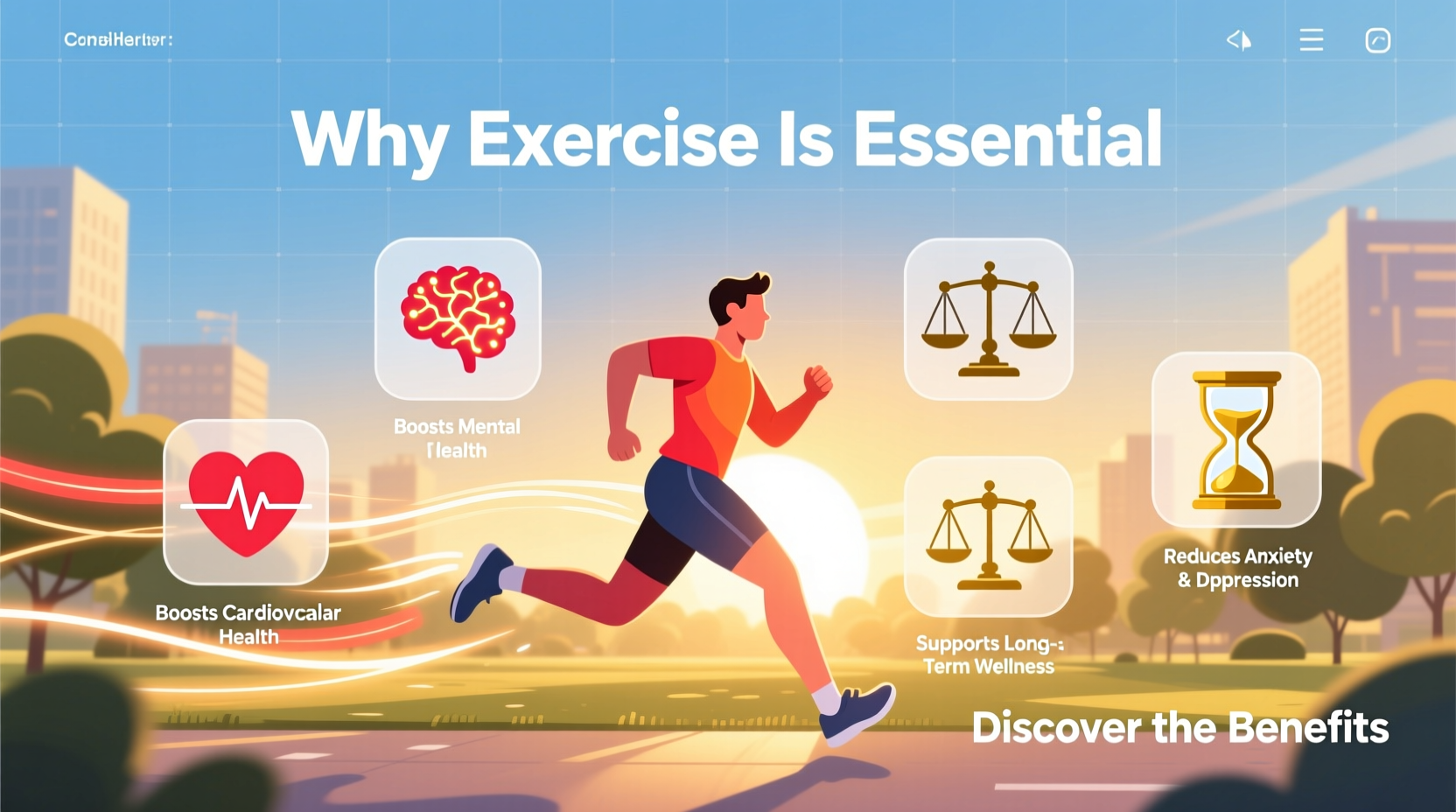
The most visible benefits of exercise are often physical, but their implications extend far beyond appearance. Regular physical activity strengthens the cardiovascular system, enhances muscular endurance, and supports metabolic health. The American Heart Association recommends at least 150 minutes of moderate-intensity aerobic activity per week—a guideline rooted in decades of research linking exercise to reduced risks of heart disease, stroke, type 2 diabetes, and certain cancers.
Muscle-strengthening activities, such as resistance training or bodyweight exercises, help preserve lean mass, especially as we age. After 30, adults lose 3–5% of muscle mass per decade—a process known as sarcopenia. Resistance training twice weekly can slow or even reverse this decline, maintaining strength, balance, and independence later in life.
Tip: Even short bursts of activity—like a 10-minute walk after meals—can improve blood sugar control and support heart health.Mental and Emotional Well-Being: A Natural Mood Enhancer
Exercise is one of the most effective, accessible tools for managing stress, anxiety, and depression. Physical activity stimulates the release of endorphins, serotonin, and dopamine—neurochemicals associated with improved mood and reduced perception of pain. Studies show that individuals who engage in regular aerobic exercise report lower levels of perceived stress and fewer symptoms of depression compared to sedentary peers.
A 2023 meta-analysis published in *JAMA Psychiatry* found that both aerobic and resistance training significantly reduced depressive symptoms across diverse populations, with effects comparable to psychotherapy or medication in mild to moderate cases. Moreover, exercise fosters neuroplasticity—the brain’s ability to adapt and reorganize—supporting emotional resilience over time.
“Exercise isn’t just about building stronger muscles; it’s about building a stronger mind. The psychological benefits are profound and often immediate.” — Dr. Lena Torres, Clinical Psychologist & Behavioral Health Researcher
Cognitive Performance and Brain Health
Beyond emotional regulation, physical activity enhances cognitive function. Aerobic exercise increases blood flow to the brain, promoting the growth of new neurons in the hippocampus—the region responsible for memory and learning. Longitudinal studies have consistently shown that active individuals experience slower rates of cognitive decline and lower risks of neurodegenerative diseases like Alzheimer’s.
Even single bouts of exercise can boost attention, processing speed, and executive function. Students who engage in morning physical activity often perform better on concentration-based tasks during school hours. For professionals, a midday walk can sharpen focus and creativity in the afternoon.
Benefits of Exercise on Brain Function
| Benefit | Description |
|---|---|
| Improved Memory | Enhanced hippocampal volume and neural connectivity |
| Sharper Focus | Increased prefrontal cortex activation |
| Faster Learning | Elevated BDNF (brain-derived neurotrophic factor) levels |
| Reduced Brain Aging | Slower white matter deterioration and cortical thinning |
Real-Life Impact: A Mini Case Study
Consider James, a 42-year-old software developer who spent most of his day seated. Over five years, he gained 35 pounds, developed prediabetes, and began experiencing frequent fatigue and low mood. After a routine checkup revealed elevated blood pressure and cholesterol, his doctor recommended lifestyle changes—specifically, 30 minutes of brisk walking five days a week and two strength sessions.
James started small: walking during lunch breaks and doing bodyweight squats and push-ups at home. Within three months, he noticed increased energy, better sleep, and improved concentration at work. By six months, he had lost 22 pounds, reversed his prediabetes diagnosis, and reported feeling “more in control” emotionally. His story isn’t unique—it reflects a pattern seen in countless clinical and observational studies.
Practical Strategies to Make Exercise Sustainable
Knowing the benefits is one thing; integrating exercise into daily life is another. Many fail not due to lack of motivation, but because of unrealistic expectations or poor planning. Here’s a step-by-step approach to building lasting habits:
- Start Small: Begin with 10–15 minutes of activity daily. A short walk counts.
- Choose Enjoyable Activities: You’re more likely to stick with something you like—dancing, hiking, swimming, or cycling.
- Schedule It: Treat exercise like a meeting. Block time in your calendar.
- Track Progress: Use a journal or app to log workouts and celebrate consistency, not just results.
- Build Gradually: Increase duration or intensity by no more than 10% per week to avoid burnout or injury.
Exercise Do’s and Don’ts
| Do | Don't |
|---|---|
| Warm up before intense activity | Jump straight into high-intensity workouts without preparation |
| Listen to your body’s signals | Push through sharp pain or dizziness |
| Vary your routine to prevent plateaus | Stick to the same workout every day |
| Stay hydrated and fuel properly | Exercise on an empty stomach if prone to dizziness |
Frequently Asked Questions
Can I get benefits from less than 30 minutes a day?
Absolutely. Research shows that even 10–15 minutes of daily exercise provides measurable health benefits. The key is consistency. Short, frequent sessions can be just as effective as longer ones, especially when accumulated throughout the day.
Is exercise safe for older adults or people with chronic conditions?
Yes, in most cases. Low-impact activities like walking, swimming, or chair yoga are excellent options. However, individuals with heart conditions, arthritis, or other medical concerns should consult a healthcare provider before starting a new program.
What if I don’t have time to go to the gym?
Gym access is not required. Home workouts, outdoor walks, stair climbing, or active chores like gardening all count as physical activity. The goal is movement, not location.
Action Plan Checklist
- ✅ Assess current activity level (e.g., steps per day)
- ✅ Choose 1–2 enjoyable types of exercise
- ✅ Schedule 3–5 sessions per week (start with 10–20 minutes)
- ✅ Track progress for at least 30 days
- ✅ Adjust intensity or duration based on energy and recovery
- ✅ Celebrate milestones (e.g., 10 consecutive days active)
Conclusion: Move More, Live Better
Exercise is not a luxury or a punishment for eating too much—it’s a fundamental component of a healthy, vibrant life. Its benefits span physical resilience, mental clarity, emotional stability, and long-term disease prevention. The best part? It’s never too late to start, and every step counts. Whether it’s a walk around the block or a full-body workout, each effort contributes to a stronger, healthier future.
💬 Ready to take the first step? Pick one form of movement you enjoy and commit to doing it three times this week. Share your goal in the comments—accountability starts with action.








