
Air travel is a modern necessity, but many frequent flyers notice a frustrating pattern: within hours or days of landing, their skin erupts in breakouts. It’s not just you—this is a common experience rooted in the harsh environment of airplane cabins. The combination of low humidity, recycled air, stress, and disrupted routines creates the perfect storm for acne flare-ups. Understanding the science behind post-flight breakouts allows you to take proactive steps to protect your skin. This guide explains exactly why flying affects your complexion and provides practical, dermatologist-approved strategies to maintain clear skin no matter how long the flight.
The Science Behind Post-Flight Breakouts
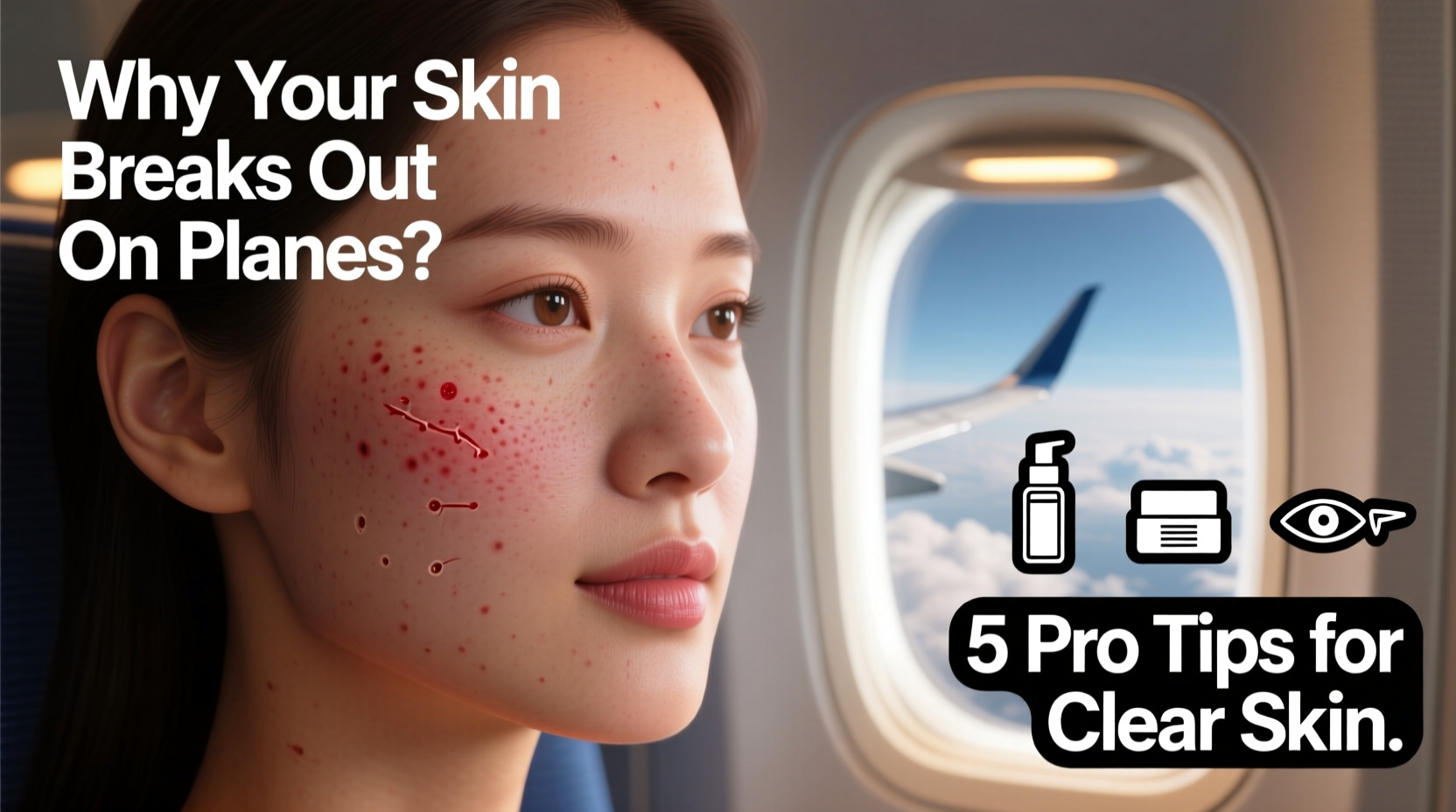
Airplane cabins are pressurized to simulate an altitude of about 6,000–8,000 feet, which means oxygen levels are lower and humidity drops dramatically. Cabin humidity often falls below 20%, compared to the ideal indoor level of 40–60%. This extreme dryness strips moisture from your skin’s outermost layer, compromising the skin barrier. When the barrier weakens, it becomes more vulnerable to irritation, inflammation, and bacterial invasion—all key triggers for acne.
Additionally, the recycled air in planes circulates microbes, allergens, and pollutants that can settle on your skin and clog pores. Touching tray tables, armrests, or seatbelt buckles transfers bacteria like Propionibacterium acnes, which thrives in oily, compromised skin. Combine this with dehydration, changes in diet, sleep disruption, and increased cortisol from travel stress, and it's no surprise your skin reacts negatively.
“Air travel creates a triple threat for skin: dehydration, microbial exposure, and circadian disruption. These factors collectively increase sebum production and inflammation, setting the stage for breakouts.” — Dr. Lena Patel, Board-Certified Dermatologist
Key Factors That Trigger Acne During Flights
- Low Humidity: Rapid moisture loss leads to transepidermal water loss (TEWL), prompting your skin to overproduce oil as compensation.
- Recycled Airborne Particles: Dust, bacteria, and allergens accumulate on your face, especially if you rest against the headrest or touch your face frequently.
- Dehydration: Inadequate water intake during flights thickens sebum, making it more likely to clog pores.
- Hormonal Shifts from Stress: Travel anxiety and jet lag elevate cortisol, which stimulates oil glands and promotes inflammation.
- Skincare Neglect: Skipping cleansing routines or using heavy, pore-clogging products inflight worsens congestion.
Pre-Flight Skincare Preparation
Your skincare routine should begin at least 24–48 hours before departure. Preparing your skin in advance strengthens its resilience against environmental stressors.
- Exfoliate Gently: Use a mild chemical exfoliant (like salicylic acid or lactic acid) the night before your flight to remove dead skin cells and prevent pore blockage. Avoid physical scrubs, which can irritate already sensitive skin.
- Hydrate Deeply: Incorporate a hyaluronic acid serum and a nourishing moisturizer into your routine. Look for ingredients like ceramides and squalane to reinforce the lipid barrier.
- Stay Hydrated Internally: Drink at least 2–3 liters of water the day before flying. Limit alcohol and caffeine, which dehydrate and exacerbate inflammation.
- Pack Smart: Bring only non-comedogenic, travel-sized products. Avoid heavy creams or occlusives unless absolutely necessary.
What to Pack: A Clear Skin Travel Checklist
Checklist:- Travel-sized gentle cleanser (fragrance-free)
- Hyaluronic acid serum
- Non-comedogenic moisturizer
- Sunscreen (SPF 30+, even for cloudy flights)
- Salicylic acid spot treatment
- Facial mist with thermal water or glycerin
- Cotton pads and disposable face wipes (alcohol-free)
- Lip balm with shea butter or ceramides
- Reusable silicone facial cup (to avoid touching sink surfaces)
In-Flight Skin Protection Routine
Most breakouts start mid-flight due to unchecked dehydration and bacterial buildup. Follow this timeline to keep your skin balanced while airborne.
Timeline: Step-by-Step Care During the Flight
| Time | Action | Purpose |
|---|---|---|
| Boarding – Takeoff | Remove makeup, cleanse with micellar water | Eliminate impurities before exposure to dry air |
| 30 mins after takeoff | Apply hyaluronic acid serum + moisturizer | Lock in hydration before cabin pressure stabilizes |
| Every 90 minutes | Mist face with hydrating spray | Maintain surface moisture without heaviness |
| Before meal service | Wipe hands and clean tray table | Reduce bacterial transfer to face |
| During sleep | Reapply moisturizer; consider silk eye mask | Prevent friction and moisture loss overnight |
| 1 hour before landing | Light cleanse, rehydrate, apply sunscreen | Refresh skin and protect against UV exposure |
Use a facial mist every 90 minutes, especially if you’re sitting near vents. Hold the bottle 8–10 inches from your face and close your eyes while spraying. Let it absorb naturally—don’t wipe it off. If you must nap, avoid resting your cheek on the window or headrest unless covered with a clean scarf or disposable tissue.
Tip: Bring a small reusable spray bottle filled with rosewater or thermal spring water for frequent hydration without chemicals.Post-Flight Recovery: Resetting Your Skin
The first 24 hours after landing are critical for preventing delayed breakouts. Even if your skin looks fine initially, inflammation may be building beneath the surface.
- Cleanse Immediately: As soon as you reach your destination, wash your face with a gentle foaming or cream cleanser to remove accumulated bacteria and pollutants.
- Hydrate Intensively: Apply a hydrating mask or use your hyaluronic acid serum on damp skin, followed by a rich moisturizer.
- Spot Treat Early: If you feel any bumps forming, apply a 2% salicylic acid solution or benzoyl peroxide (1–2%) to affected areas.
- Drink Water & Eat Clean: Replenish fluids and consume antioxidant-rich foods like berries, leafy greens, and nuts to support skin repair.
- Avoid New Products: Don’t introduce actives like retinoids or acids immediately after flying—they may irritate sensitized skin.
Mini Case Study: Sarah’s Post-Flight Breakout Solution
Sarah, a marketing executive who travels weekly between New York and London, struggled with recurring jawline acne after every long-haul flight. Despite using high-end skincare, her skin would flare up within two days of landing. After consulting a dermatologist, she adjusted her routine: she began removing all makeup before boarding, switched to a minimalist inflight regimen (cleanser, hyaluronic serum, and lightweight moisturizer), and committed to drinking one liter of water during the flight. She also started using a facial mist hourly and avoided touching her face. Within three trips, her post-flight breakouts decreased by 80%. “It wasn’t about expensive products,” she said. “It was consistency and protecting my skin from the moment I stepped onto the plane.”
Do’s and Don’ts: Airplane Skincare Guidelines
| Do’s | Don’ts |
|---|---|
| Use fragrance-free, non-comedogenic products | Wear full makeup during the flight |
| Drink water regularly (one cup per hour) | Consume alcohol or excessive coffee |
| Cleanse your face mid-flight if possible | Touch your face with unwashed hands |
| Apply sunscreen—even on cloudy days or window seats | Use heavy oils or occlusive balms (like petroleum jelly) unless extremely dry |
| Change neck pillows and scarves frequently | Share skincare products or applicators |
“Many patients don’t realize that UV rays penetrate airplane windows. UVA exposure during daylight flights contributes to oxidative stress and can worsen acne scarring.” — Dr. Rajiv Mehta, Cosmetic Dermatologist
Frequently Asked Questions
Why does my skin breakout only after long flights, not short ones?
Long-haul flights expose your skin to extended periods of low humidity and stress. The longer the flight, the more severe the dehydration and circadian disruption, increasing the likelihood of breakouts. Short flights typically don’t provide enough time for significant sebum buildup or barrier damage.
Can drinking more water really prevent acne after flying?
Yes. While water alone won’t stop acne, proper hydration supports your skin’s natural detoxification processes and prevents compensatory oil production. Dehydrated skin signals the sebaceous glands to produce more sebum, which can clog pores. Aim for consistent sipping—not chugging—throughout the flight.
Is it safe to use acne treatments like salicylic acid on the plane?
Yes, but with caution. Salicylic acid is effective for preventing clogged pores, but inflight skin is more sensitive. Use it sparingly—only on prone areas—and follow with moisturizer. Avoid combining it with alcohol-based toners or harsh wipes, which can cause irritation.
Conclusion: Take Control of Your Skin Health While Traveling
Breakouts after flying aren’t inevitable—they’re preventable with informed care. By understanding how airplane environments affect your skin and adopting a targeted routine before, during, and after flights, you can maintain a clear, healthy complexion regardless of your destination. The key is preparation, consistency, and protecting your skin’s barrier at every stage of travel. Small habits like misting your face, staying hydrated, and avoiding unnecessary product buildup make a significant difference over time.
💬 Ready to fly with confidence? Start implementing these tips on your next trip and share your results. Have a personal inflight skincare hack? Leave a comment and help fellow travelers achieve clear skin at 30,000 feet!








