Itching after a fresh wash should be the last thing you experience. You’ve just cleaned your hair, used your favorite shampoo, and yet—within minutes or hours—an insistent itch creeps in. This discomfort is more than a minor annoyance; it can disrupt daily life, affect confidence, and even lead to flaking or irritation if left unchecked. The good news is that most causes of post-wash scalp itching are treatable with the right approach. Understanding the root causes—from product sensitivity to underlying skin conditions—is the first step toward lasting relief.
Dry Scalp: A Common but Misunderstood Culprit
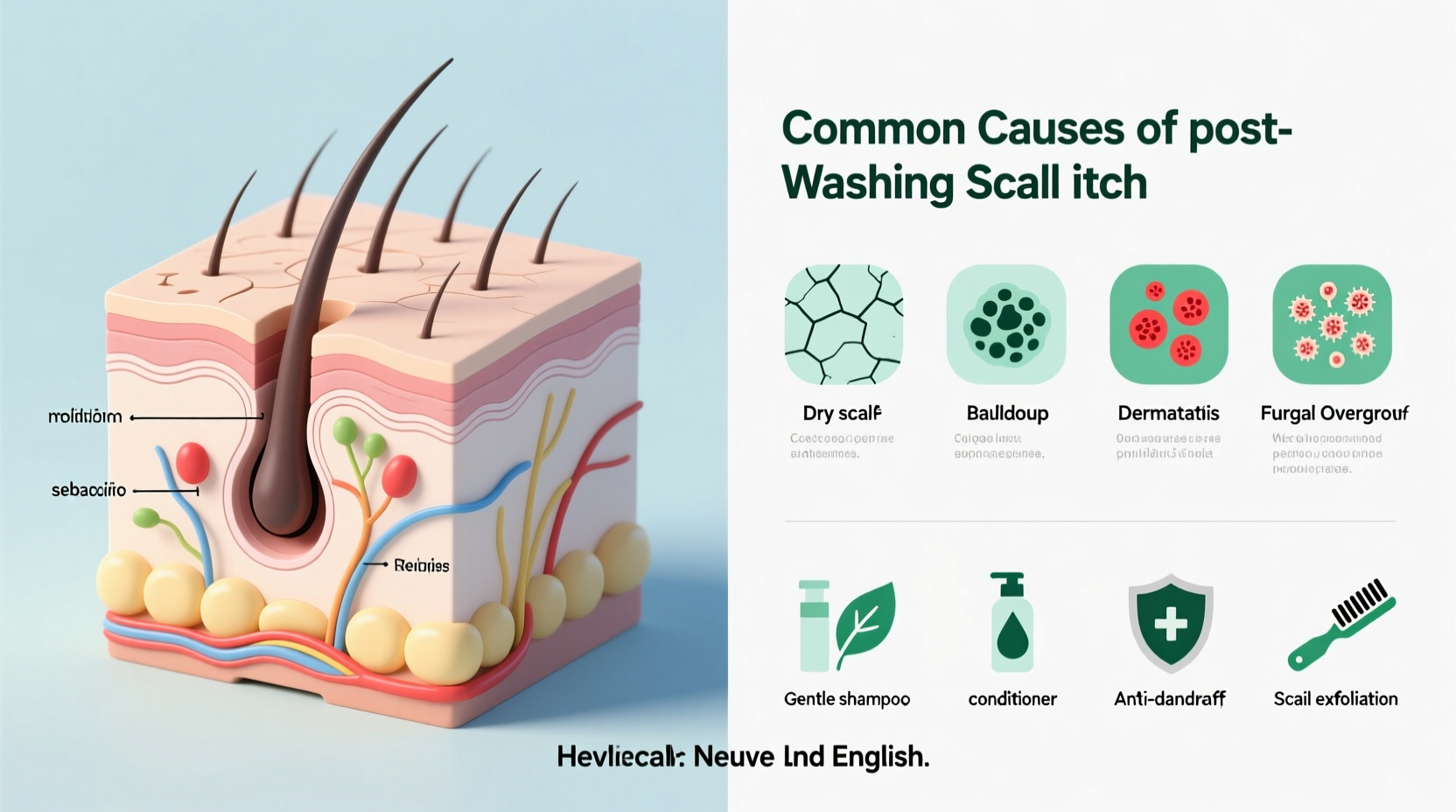
Dry scalp is one of the most frequent reasons people experience itching after washing their hair. Unlike dandruff, which involves flaking due to excess oil and yeast overgrowth, dry scalp results from a lack of natural moisture. When your scalp’s protective lipid barrier is compromised, it loses hydration quickly, especially after exposure to water and cleansing agents.
Shampoos, particularly those with sulfates like sodium lauryl sulfate (SLS), strip away natural oils along with dirt and buildup. While this may leave hair feeling “squeaky clean,” it often leaves the scalp parched. Cold weather, low humidity, and excessive blow-drying worsen the condition. Symptoms include fine, white flakes, tightness, and persistent itching that intensifies after washing.
Tip: Switch to a sulfate-free shampoo formulated for dry or sensitive scalps to preserve natural moisture.Product Sensitivity and Allergic Reactions
Not all shampoos and conditioners are created equal. Many contain fragrances, preservatives, and synthetic additives that can trigger allergic reactions or irritant contact dermatitis. These reactions may not appear immediately but build up over time with repeated use.
Common allergens include methylisothiazolinone (a preservative), cocamidopropyl betaine (a foaming agent), and artificial fragrances. If your scalp itches shortly after rinsing out your products, check the ingredient list. Even natural ingredients like essential oils (e.g., tea tree, lavender) can cause sensitivities in some individuals.
A patch test before using a new product can prevent full-blown reactions. Apply a small amount behind your ear or on your inner forearm and wait 24–48 hours. Redness, swelling, or itching indicates a potential issue.
“Patients often don’t realize they’re reacting to their haircare products until they switch to a fragrance-free, hypoallergenic formula.” — Dr. Lena Torres, Board-Certified Dermatologist
Seborrheic Dermatitis and Dandruff
Seborrheic dermatitis is a chronic inflammatory skin condition affecting oily areas of the body, including the scalp. It presents as red, greasy patches covered with yellowish or white scales, accompanied by intense itching—often worse after washing when the scalp is damp.
The condition is linked to an overgrowth of *Malassezia*, a type of yeast naturally present on the skin. When it proliferates, it triggers inflammation and accelerates skin cell turnover, leading to flaking and irritation. Factors like stress, hormonal changes, and cold weather can exacerbate symptoms.
Unlike simple dryness, seborrheic dermatitis requires medicated treatment. Over-the-counter shampoos containing ketoconazole, selenium sulfide, zinc pyrithione, or coal tar can help control flare-ups. Use them two to three times a week, leaving the lather on for at least five minutes before rinsing.
| Active Ingredient | How It Works | Recommended Frequency |
|---|---|---|
| Ketoconazole | Antifungal that reduces Malassezia yeast | 2–3 times/week |
| Zinc Pyrithione | Antibacterial and antifungal properties | Every other wash |
| Coal Tar | Slows skin cell turnover and reduces scaling | 2 times/week (avoid sun exposure) |
| Selenium Sulfide | Reduces fungus and excess oil production | Once or twice weekly |
Buildup from Hair Products and Hard Water
Even if your products aren’t irritating, residue accumulation can clog hair follicles and create an itchy scalp. Styling gels, mousses, dry shampoos, and silicones in conditioners form a film over time. When combined with minerals from hard water—such as calcium and magnesium—this buildup becomes difficult to remove with regular shampooing.
Hard water reduces the effectiveness of cleansers and leaves a chalky film on the scalp, disrupting pH balance and causing irritation. Signs include dull hair, difficulty lathering shampoo, and persistent itchiness despite frequent washing.
To combat this, incorporate a clarifying shampoo every 7–10 days. Look for formulas with citric acid, salicylic acid, or chelating agents like EDTA. For those in hard water areas, installing a shower filter can significantly reduce mineral deposits and improve overall scalp health.
Mini Case Study: Sarah’s Persistent Itch
Sarah, a 32-year-old graphic designer, struggled with an itchy scalp for months. She washed her hair every other day with a popular volumizing shampoo and used dry shampoo between washes. Despite trying different brands, the itch worsened after each wash. A dermatologist reviewed her routine and noticed heavy use of aerosol dry shampoo and a silicone-rich conditioner.
After switching to a sulfate-free shampoo, reducing dry shampoo use, and adding a biweekly clarifying treatment, Sarah’s symptoms improved within three weeks. A water test revealed high calcium levels in her tap water, prompting her to install a shower filter. Her scalp itch resolved completely, and she now maintains a balanced routine focused on gentle cleansing and periodic detoxification.
Psoriasis and Other Skin Conditions
Scalp psoriasis affects up to 50% of people with psoriasis and often goes undiagnosed. It appears as thick, silvery-white scales over red, inflamed patches. Itching can be severe and typically flares after washing due to increased blood flow and stimulation of nerve endings.
Unlike dandruff, psoriasis plaques are well-defined and may extend beyond the hairline onto the forehead, neck, or ears. Scratching can lead to bleeding and temporary hair loss (telogen effluvium). While there’s no cure, treatments like medicated shampoos with salicylic acid, topical corticosteroids, and phototherapy can manage symptoms.
If over-the-counter remedies fail and you notice thick scaling, bleeding, or lesions outside the scalp, consult a dermatologist for proper diagnosis and treatment planning.
Step-by-Step Guide to Soothe and Prevent Itchy Scalp
Resolving post-wash itching requires a strategic, consistent approach. Follow this six-step plan to identify and address the root cause:
- Assess Your Routine: Track what products you use, how often, and when itching occurs. Note any recent changes in water quality, climate, or stress levels.
- Switch to Gentle Products: Replace sulfates and fragrances with mild, pH-balanced shampoos. Look for labels like “for sensitive scalp” or “dermatologist-tested.”
- Clarify Weekly: Use a clarifying or chelating shampoo once a week to remove buildup. Rinse thoroughly to avoid residue.
- Treat Underlying Conditions: If dandruff or seborrheic dermatitis is suspected, use medicated shampoos consistently for at least four weeks before judging effectiveness.
- Moisturize Strategically: Apply lightweight scalp serums with ingredients like hyaluronic acid, aloe vera, or squalane. Avoid heavy oils unless recommended for specific conditions like psoriasis.
- Consult a Professional: If symptoms persist beyond a month, see a dermatologist. Chronic itching may require prescription treatments or allergy testing.
Checklist: How to Identify the Cause of Your Itchy Scalp
- ✔️ Does itching start immediately after rinsing? → Likely product sensitivity
- ✔️ Are flakes small, white, and dry? → Dry scalp
- ✔️ Are flakes yellowish, oily, and accompanied by redness? → Seborrheic dermatitis
- ✔️ Do you use many styling products? → Buildup-related irritation
- ✔️ Is water hard in your area? → Mineral buildup possible
- ✔️ Does itching persist despite changing products? → Consider psoriasis or eczema
- ✔️ Have you recently changed shampoos or conditioners? → Potential allergen
Frequently Asked Questions
Can drinking more water help with an itchy scalp?
While hydration supports overall skin health, drinking water alone won’t resolve an itchy scalp caused by product buildup, allergies, or skin conditions. However, chronic dehydration can contribute to dry skin, so maintaining adequate fluid intake is part of a holistic approach.
Is it bad to scratch my scalp when it itches?
Scratching may provide temporary relief but damages the skin barrier, increases inflammation, and raises the risk of infection. Use fingertips to gently massage the area instead, or apply a cool compress to soothe nerves.
Should I stop using conditioner if my scalp itches?
Not necessarily. Conditioner is meant for the mid-lengths and ends of hair, not the scalp. If you're applying it directly to your roots, that could be contributing to buildup and irritation. Focus application below the ears and rinse thoroughly.
Conclusion: Take Control of Your Scalp Health
An itchy scalp after washing doesn’t have to be a permanent struggle. Whether the cause is dryness, product reaction, or a medical condition, identifying the trigger is half the battle. With mindful product choices, proper cleansing habits, and timely professional input, most cases can be resolved effectively.
Your scalp is living skin—treat it with the same care you give your face. Adjust your routine with intention, listen to your body’s signals, and don’t hesitate to seek expert advice when needed. Small changes today can lead to long-term comfort and healthier hair tomorrow.
💬 Have you found a solution that works for your itchy scalp? Share your experience in the comments and help others discover what might work for them.








