
Dry shampoo has become a staple in modern hair care routines, offering a quick fix for oily roots, second-day hair, or rushed mornings. It absorbs excess sebum, adds volume, and extends time between washes—making it a favorite among busy individuals and those with fine or oily hair. However, many users report an uncomfortable side effect: an itchy, irritated scalp after application. If you’ve ever wondered why this happens and how to stop it without giving up the convenience of dry shampoo, you’re not alone.
The truth is, dry shampoo isn’t inherently harmful, but its ingredients, application method, and frequency of use can disrupt your scalp’s natural balance. Understanding the root causes of post-dry-shampoo itching—and knowing how to counteract them—can transform your experience from irritating to seamless.
Understanding How Dry Shampoo Works
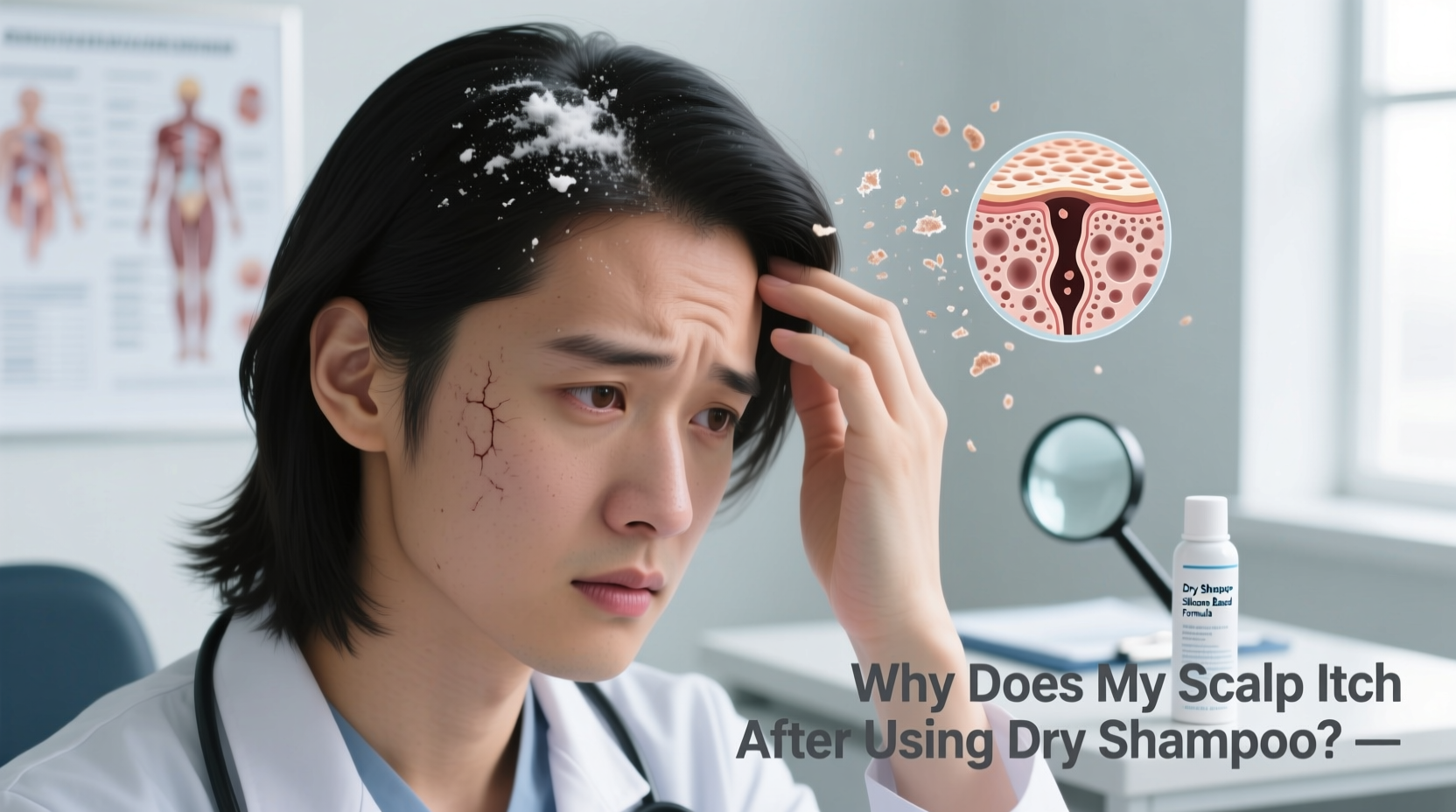
Dry shampoo typically contains alcohol, starches (like rice or corn), or silica-based powders designed to absorb oil from the scalp and hair follicles. These ingredients bind to sebum, creating a matte finish and instantly refreshing hair without water. While effective, they don’t remove dirt, sweat, or product buildup like traditional shampooing does.
Because dry shampoo sits on the surface rather than cleansing deeply, residue can accumulate over time. This buildup creates a breeding ground for bacteria, clogs hair follicles, and alters the scalp’s pH—leading to irritation, flaking, and persistent itching.
Tip: Always shake the bottle well before use and hold it 6–8 inches from your scalp to minimize overspray and ensure even distribution.Common Causes of Scalp Itching After Dry Shampoo Use
Several factors contribute to scalp discomfort after applying dry shampoo. Identifying which one applies to you is key to finding relief.
1. Ingredient Sensitivity or Allergies
Many commercial dry shampoos contain alcohol denat, propellants (like butane or propane), fragrance, and synthetic preservatives—all known irritants for sensitive skin. Fragrance, in particular, is a frequent culprit behind allergic contact dermatitis, which manifests as redness, stinging, and itching.
2. Product Buildup on the Scalp
Repeated use without thorough washing leads to layering of starches, oils, and aerosol residues. This film prevents the scalp from breathing properly, traps moisture, and encourages microbial growth. Over time, follicles become inflamed, triggering itchiness and even dandruff-like scaling.
3. Disruption of the Scalp Microbiome
Your scalp hosts a delicate ecosystem of beneficial microbes that protect against pathogens and maintain skin barrier integrity. Alcohol-heavy dry shampoos can strip away natural oils and disrupt this balance, leaving the scalp vulnerable to irritation and overgrowth of yeast like *Malassezia*, which is linked to seborrheic dermatitis.
4. Overuse and Infrequent Washing
While dry shampoo reduces the need for daily washing, relying on it too heavily prevents proper cleansing. Sweat, dead skin cells, and environmental pollutants remain trapped at the roots. The longer these sit, the higher the risk of inflammation and pruritus (itching).
5. Poor Application Technique
Spraying too close to the scalp, focusing only on visible areas, or failing to massage the product in thoroughly can leave concentrated deposits that harden and scratch the skin. Additionally, overspraying near the temples or hairline may affect more sensitive facial skin, causing secondary irritation.
“Dry shampoo should be a temporary solution, not a replacement for regular cleansing. Chronic use without proper washing compromises scalp health.” — Dr. Lena Patel, Board-Certified Dermatologist
Solutions That Help Soothe and Prevent Itching
Relief begins with adjusting both product choice and usage habits. Implementing the following strategies can significantly reduce or eliminate scalp discomfort.
Choose the Right Formula for Your Scalp Type
Not all dry shampoos are created equal. Look for formulas labeled “fragrance-free,” “alcohol-free,” or “scalp-safe.” Natural alternatives using oat flour, arrowroot powder, or kaolin clay tend to be gentler and less likely to cause reactions.
| Ingredient Type | Pros | Cons |
|---|---|---|
| Alcohol-Based | Fast drying, strong oil absorption | Drying, irritating for sensitive scalps |
| Starch-Based (e.g., rice, corn) | Gentle, natural feel | Can build up if not washed out |
| Silica/Clay-Based | Non-comedogenic, lightweight | May feel gritty if not blended well |
| Fragrance-Free & Sulfate-Free | Lower allergy risk, ideal for sensitivities | Fewer scent options |
Limit Frequency and Rotate with Cleansing Days
Aim to wash your hair with a mild shampoo at least every 3–4 days, even if you're using dry shampoo. This clears accumulated residue and restores pH balance. For heavy users, consider a clarifying shampoo once a week to deep-cleanse the scalp.
Apply Correctly to Minimize Irritation
Follow this step-by-step guide to apply dry shampoo effectively without aggravating your scalp:
- Section your hair: Part hair into small sections to access the roots directly.
- Hold the can 6–8 inches away: Prevents oversaturation and ensures even misting. <3> Spray briefly at the roots: Focus on oily zones (crown, part line, nape) for 1–2 seconds per section.
- Wait 30 seconds: Allows the product to absorb oil before brushing.
- Massage gently with fingertips: Distributes powder and loosens debris without scratching.
- Brush through thoroughly: Removes excess residue and prevents flakiness.
Incorporate Scalp Treatments Between Washes
If itching persists, introduce soothing treatments such as aloe vera gel, diluted apple cider vinegar rinses (1 part ACV to 3 parts water), or tea tree oil sprays (with carrier oil). These help rebalance pH, reduce inflammation, and combat microbial overgrowth.
Mini Case Study: Recovering From Chronic Dry Shampoo Irritation
Sophia, a 29-year-old graphic designer, used dry shampoo nearly every day to manage her oily roots and save time during long workweeks. After six months, she began experiencing intense itching, flaking, and occasional bumps along her hairline. She initially assumed it was dandruff and tried medicated shampoos, but symptoms worsened.
After visiting a dermatologist, she learned that prolonged dry shampoo buildup had clogged her follicles and caused mild folliculitis. Her treatment plan included stopping dry shampoo for two weeks, using a salicylic acid shampoo twice weekly, and switching to a non-aerosol, starch-based alternative when resuming use.
Within three weeks, her scalp healed completely. Today, she limits dry shampoo to twice a week and always follows up with a full wash within 48 hours. “I didn’t realize I was suffocating my scalp,” she says. “Now I treat it like skin—it needs to breathe.”
Checklist: How to Use Dry Shampoo Without Itching
- ✔ Patch test new products behind the ear before full application
- ✔ Choose fragrance-free, low-alcohol formulas if you have sensitive skin
- ✔ Apply only to oily areas, not the entire scalp
- ✔ Massage in thoroughly and brush out excess
- ✔ Wash hair every 3–4 days to prevent buildup
- ✔ Use a clarifying shampoo once a week if you use dry shampoo regularly
- ✔ Avoid spraying near eyes, ears, or broken skin
- ✔ Store in a cool place to prevent propellant expansion
Frequently Asked Questions
Can dry shampoo cause permanent damage to my scalp?
No, dry shampoo doesn’t cause permanent damage when used correctly. However, chronic misuse—such as daily application without washing—can lead to persistent inflammation, follicle blockage, and temporary hair thinning due to traction or irritation. Regular cleansing reverses most issues.
Is there a difference between aerosol and non-aerosol dry shampoos for sensitive scalps?
Yes. Aerosol versions often contain propellants and finer particles that can penetrate deeper into follicles and increase irritation risk. Non-aerosol options (powders or sprays pumped manually) typically have simpler ingredient lists and allow better control over dosage, making them preferable for sensitive users.
How do I know if my itchy scalp is due to dry shampoo or another condition?
If itching improves after discontinuing dry shampoo and doing a clarifying wash, the product was likely the trigger. However, if redness, oozing, or spreading rash occurs, consult a dermatologist. Conditions like psoriasis, eczema, or fungal infections require medical diagnosis and treatment.
Conclusion: Balance Convenience With Scalp Health
Dry shampoo remains a valuable tool in modern hair care—but only when used mindfully. An itchy scalp isn't just uncomfortable; it's a signal that your scalp environment is out of balance. By selecting gentle formulas, applying them correctly, and ensuring regular deep cleansing, you can enjoy the benefits of fresh, voluminous hair without compromising comfort or long-term health.
💬 Have you struggled with dry shampoo irritation? Share your story or tips in the comments below—your insight could help someone find relief!








