
If you’ve noticed a stubborn pimple appearing like clockwork on the same area of your face—especially around your chin, jawline, or lower cheeks—you’re not imagining things. This pattern is more common than you think, particularly among women and people with hormonal fluctuations. Unlike random breakouts caused by diet or stress, recurring acne in the exact same location often points to deeper physiological triggers. Understanding why this happens is the first step toward finally breaking the cycle.
This article explores the science behind monthly facial breakouts, identifies root causes such as hormones, skincare habits, and lifestyle factors, and provides practical, dermatologist-backed solutions to prevent recurrence. Whether it's a painful cyst under your chin or a cluster of small bumps near your mouth, you’ll gain insight into what’s really driving the issue—and how to stop it for good.
Hormonal Fluctuations: The Primary Culprit
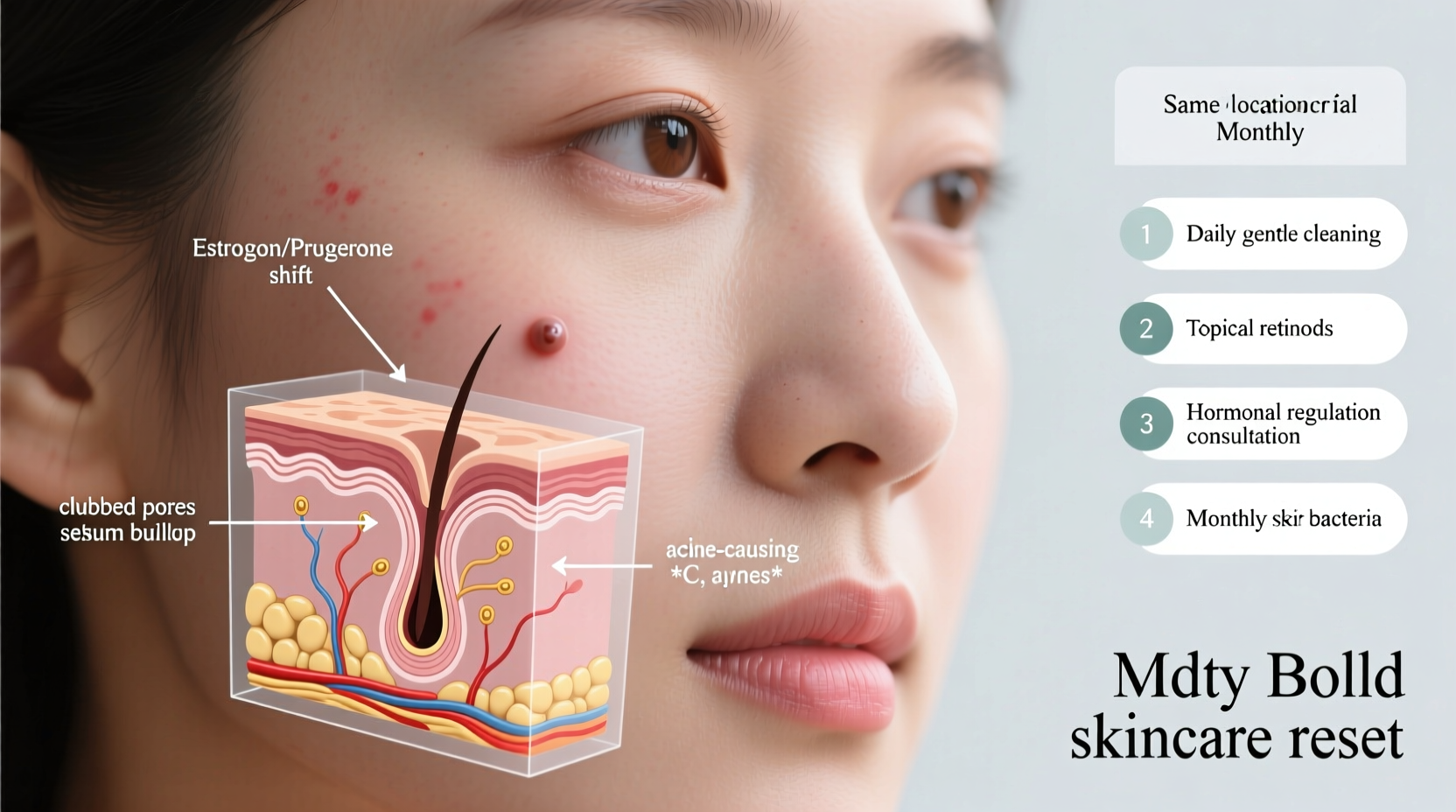
The most common reason for recurring breakouts in the same facial zone each month is hormonal changes tied to the menstrual cycle. Androgens—male hormones present in all bodies—fluctuate throughout the month, peaking just before menstruation begins. These hormones stimulate the sebaceous (oil) glands in your skin, increasing sebum production. Excess oil can clog pores, creating an ideal environment for acne-causing bacteria like Propionibacterium acnes to thrive.
Areas rich in oil glands—such as the lower third of the face including the jawline, chin, and upper neck—are especially vulnerable. This pattern, known as “hormonal acne,” typically appears 3–7 days before your period starts and resolves shortly after menstruation ends. Over time, repeated inflammation in the same follicle can create a sort of “acne memory,” where the pore becomes prone to reinfection due to residual scarring or persistent irritation.
“Hormonal acne tends to be deep, painful, and recurrent in specific zones. It’s not surface-level; it originates from within the body’s endocrine system.” — Dr. Lena Torres, Board-Certified DermatologistTip: Track your breakouts alongside your menstrual cycle for at least two months. Use a calendar app or journal to identify timing patterns and confirm if your acne is hormonally driven.
Skin Microenvironment and Pore Memory
Beyond hormones, there’s a lesser-known phenomenon called “pore memory” or “follicular hyper-reactivity.” When a pore experiences repeated trauma—whether from picking, harsh products, or chronic inflammation—it can become sensitized. This means that even minor triggers later on may cause the same pore to react aggressively, leading to another breakout in the exact same spot.
In addition, some areas of the face naturally have larger sebaceous glands or are more exposed to friction. For example:
- Chin and jawline: Frequently touched by hands, phones, or hair, introducing bacteria.
- Near the mouth: Exposed to toothpaste residue, lip products, or saliva during sleep.
- Temple area: In contact with unwashed pillowcases or oily hair products.
If your daily routine consistently exposes one area to irritants, that spot will remain a hotspot for breakouts regardless of overall skin health.
Common Triggers That Reinforce Monthly Breakouts
While hormones set the stage, external factors often act as the final push that triggers a breakout in a vulnerable area. Consider these frequent contributors:
Dietary Influences
High-glycemic foods (sugars, white bread, processed snacks) spike insulin levels, which in turn can increase androgen activity and sebum production. Dairy—especially skim milk—has also been linked to acne flare-ups due to its hormone content and ability to elevate insulin-like growth factor 1 (IGF-1).
Skincare Product Buildup
Heavy moisturizers, comedogenic oils (like coconut oil), or long-wearing makeup can accumulate in pores over time. If applied unevenly or not fully removed, these products may disproportionately affect one side of the face—especially if you sleep on that side or apply more product there unconsciously.
Touching Your Face
Habitual touching transfers bacteria, oils, and dirt directly onto the skin. If you tend to rest your hand on your chin or cheek while working or thinking, you could be re-infecting the same area repeatedly.
Pillowcase and Phone Hygiene
Frequent contact with unclean surfaces introduces Propionibacterium and other microbes. A single pillowcase used for multiple nights without washing can harbor enough bacteria to trigger localized breakouts—especially if you always sleep on the same side.
Stress and Sleep Disruption
Chronic stress elevates cortisol, which increases oil production and weakens the skin barrier. Combined with poor sleep, this creates systemic inflammation that manifests in acne-prone zones.
| Trigger | How It Contributes | Prevention Strategy |
|---|---|---|
| Hormonal shifts | Increases sebum production pre-menstrually | Track cycle, consider hormonal treatments |
| Dairy & sugar intake | Elevates IGF-1 and insulin, stimulating oil glands | Reduce high-glycemic foods and dairy |
| Comedogenic products | Clogs pores, especially in oily zones | Switch to non-comedogenic labels |
| Poor phone hygiene | Transfers bacteria to chin/cheek | Wipe phone daily with alcohol wipe |
| Pillowcase buildup | Accumulates oil, dead skin, bacteria | Change weekly, use silk/cotton covers |
Effective Fixes: A Step-by-Step Approach
Breaking the cycle of monthly breakouts requires both consistency and precision. Here’s a targeted plan to address recurring acne at its source.
- Confirm the Pattern: For two full cycles, record when your breakout appears, its severity, and any lifestyle changes (diet, stress, product use). This helps isolate whether it’s truly cyclical.
- Adjust Your Cleansing Routine: Use a gentle salicylic acid cleanser (0.5%–1%) nightly during the week leading up to your period. Salicylic acid penetrates oil to exfoliate inside the pore, preventing clogs.
- Spot-Treat Proactively: Begin applying a benzoyl peroxide (2.5%) or adapalene gel to the affected area 5–7 days before your expected breakout. This reduces bacterial load and prevents inflammation.
- Eliminate Comedogenic Products: Check ingredient lists for known pore-cloggers like lanolin, cocoa butter, or isopropyl myristate. Replace them with lightweight, non-comedogenic alternatives.
- Improve Surface Hygiene: Wash pillowcases twice weekly in hot water. Wipe your phone screen daily with a disinfectant cloth. Avoid resting your hands on your face.
- Optimize Diet and Stress Management: Reduce refined carbohydrates and dairy. Incorporate omega-3s (from fish, flaxseeds) and antioxidants (berries, leafy greens). Practice mindfulness or moderate exercise to regulate cortisol.
- Consult a Dermatologist if Needed: If topical methods fail, hormonal therapies such as birth control pills, spironolactone, or anti-androgen medications may be appropriate, especially for jawline and chin acne.
When to Seek Medical Help
Occasional hormonal breakouts are normal, but persistent, painful cysts or scarring require professional evaluation. A board-certified dermatologist can determine if your acne is part of a broader condition like polycystic ovary syndrome (PCOS), which affects up to 10% of women of reproductive age and often presents with resistant chin and jawline acne, irregular periods, and excess facial hair.
Prescription options include:
- Topical retinoids (tretinoin, adapalene): Normalize cell turnover and prevent clogged pores.
- Oral antibiotics (doxycycline): For inflammatory acne, short-term use only.
- Hormonal therapy: Combined oral contraceptives or spironolactone to block androgen receptors.
- Intralesional cortisone injections: For large, painful cysts that won’t resolve on their own.
“Treating hormonal acne isn’t about spot-zapping—it’s about regulating internal balance and protecting the skin’s integrity over time.” — Dr. Anika Patel, Clinical Dermatology Researcher
Mini Case Study: Sarah’s Jawline Breakout Cycle
Sarah, a 28-year-old graphic designer, had struggled for years with a painful cyst forming on her left jawline exactly one week before her period. She tried countless spot treatments, extraction tools, and natural remedies—but nothing stopped the recurrence.
After tracking her cycle and skincare routine, she realized she was using a heavy facial oil every night, often applying extra to her lower face. She also slept on her left side and rarely changed her pillowcase. Her dermatologist diagnosed hormonal acne exacerbated by occlusive products and surface contamination.
Her treatment plan included:
- Discontinuing the facial oil and switching to a gel moisturizer labeled non-comedogenic.
- Using adapalene gel every evening starting day 15 of her cycle.
- Changing pillowcases every 5 days and wiping her phone twice daily.
- Starting a low-dose combined oral contraceptive to stabilize hormone levels.
Within three months, Sarah’s breakout frequency dropped by 80%. By the sixth month, the cyst had not returned. Consistency and addressing both internal and external factors made the difference.
Checklist: Stop Monthly Breakouts for Good
Use this actionable checklist to target recurring acne systematically:
- ☑ Track breakouts and menstrual cycle for at least two months
- ☑ Switch to non-comedogenic skincare and makeup products
- ☑ Introduce a salicylic acid or benzoyl peroxide cleanser
- ☑ Apply topical retinoid 5–7 days before expected breakout
- ☑ Change pillowcases at least twice weekly
- ☑ Clean your phone screen daily with disinfectant
- ☑ Minimize face-touching throughout the day
- ☑ Reduce sugar and dairy intake, especially pre-period
- ☑ Consult a dermatologist if breakouts persist or scar
- ☑ Consider hormonal evaluation if acne is severe or accompanied by other symptoms
Frequently Asked Questions
Why does my chin breakout happen every month even though I wash my face daily?
Daily cleansing removes surface oil and dirt but doesn’t address internal hormonal surges that increase sebum production beneath the skin. If your breakout is cyclical and located on the chin or jawline, it’s likely hormone-driven. Topical care helps, but you may need preventive treatments or medical intervention to correct the underlying imbalance.
Can stress really cause the same spot to break out every month?
Yes. Chronic stress elevates cortisol, which stimulates oil glands and promotes inflammation. If you experience monthly stress peaks—such as work deadlines or emotional strain coinciding with your cycle—this can reinforce the timing and location of breakouts. Managing stress through sleep, exercise, and relaxation techniques can reduce flare-ups.
Is it bad to pop the same pimple every month?
Yes. Repeatedly picking or popping a blemish damages the surrounding tissue, increases inflammation, and raises the risk of scarring and hyperpigmentation. It also introduces new bacteria, potentially worsening the infection. Instead, treat the area proactively with topical agents and allow lesions to heal naturally.
Take Control of Your Skin Health
Recurring facial breakouts in the same spot aren’t just bad luck—they’re signals from your body. Whether driven by hormones, habits, or hidden irritants, these patterns offer valuable clues about your skin’s needs. With careful observation, consistent care, and targeted interventions, you can disrupt the cycle and achieve clearer, healthier skin.
Start today: begin tracking your breakouts, audit your current products, and implement one change at a time. Small, sustainable adjustments often yield the most lasting results. If over-the-counter methods don’t bring relief, don’t hesitate to seek expert guidance. Clear skin isn’t about perfection—it’s about understanding and responding to your body with compassion and knowledge.
💬 Have you cracked the code on your monthly breakout? Share your story or tip in the comments—your experience could help someone else finally find relief.








