
If you’ve ever settled into your favorite chair only for your cat to climb onto your lap and rhythmically press their paws into your thigh—alternating between left and right, as if working dough—you’ve witnessed one of the most endearing quirks in feline behavior: kneading. Often called “making biscuits,” this motion resembles a baker shaping bread, but for cats, it’s deeply rooted in instinct, emotion, and communication. While it may seem random or even slightly uncomfortable (especially with claws involved), kneading is a complex behavior shaped by evolution, early development, and emotional expression. Understanding the science behind it not only demystifies the habit but also deepens the bond between cats and their humans.
The Origins of Kneading: A Behavior Born in Kittenhood
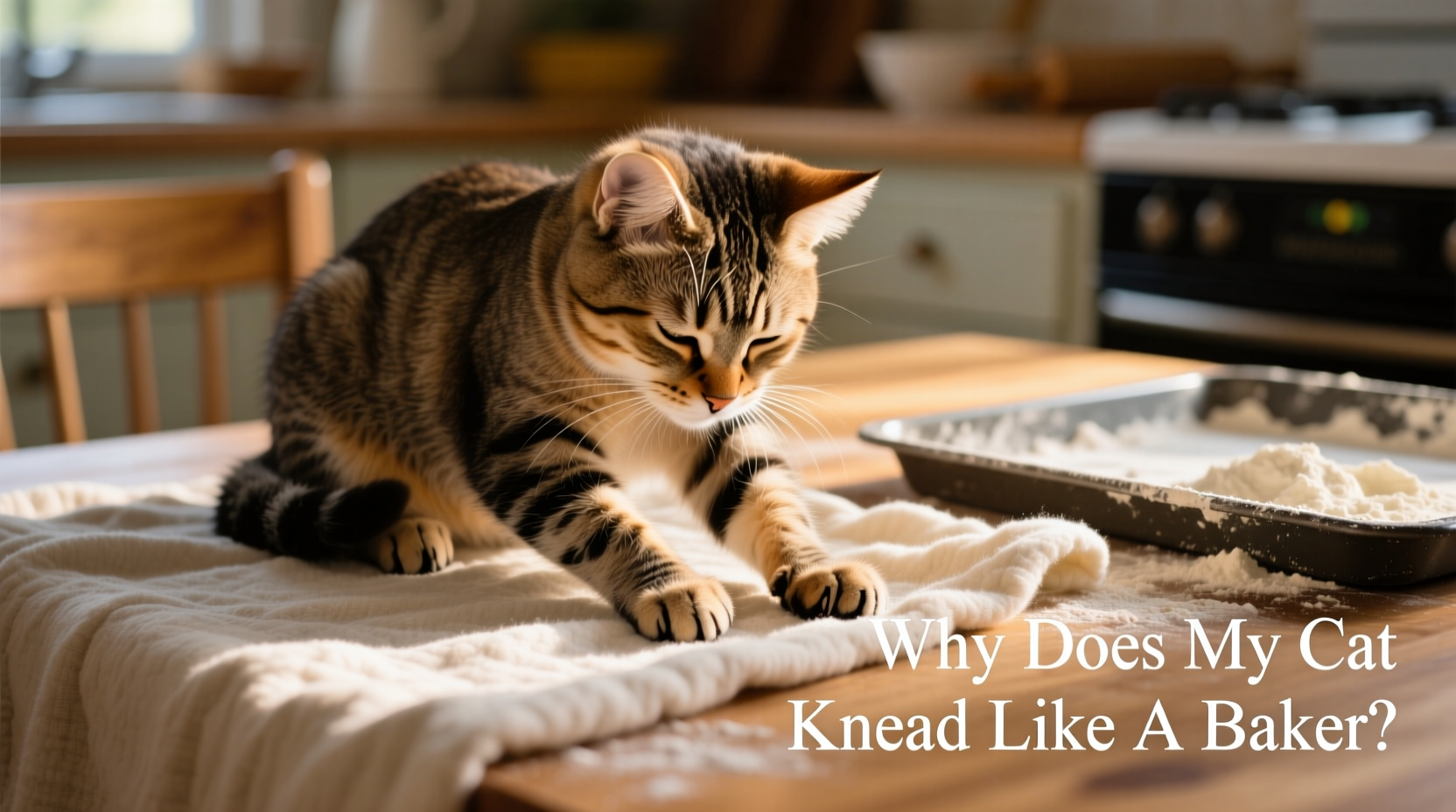
Kneading begins in the earliest days of a cat’s life. Newborn kittens rely on this motion to stimulate milk flow from their mother’s mammary glands. By pressing their tiny paws against her belly, they trigger the release of milk—a survival mechanism hardwired into their instincts. This action is linked to comfort, nourishment, and warmth, forming powerful positive associations that persist into adulthood.
Even after weaning, many cats continue to knead, especially when feeling secure or content. The behavior often occurs during moments of relaxation—when curled up on a soft blanket, nestled beside their human, or settling into a sunlit spot. In these instances, kneading serves as a throwback to kittenhood, signaling safety and emotional well-being.
Tip: If your cat kneads while purring and half-closed eyes, they’re likely experiencing deep contentment—similar to a human sighing after a warm bath.Biological and Emotional Triggers Behind Adult Kneading
While the roots of kneading are developmental, adult cats engage in the behavior for multiple overlapping reasons. Behavioral scientists and veterinarians have identified several key motivations:
- Comfort and Security: Cats often knead in environments or situations that mimic the safety of early life. A familiar scent, a warm lap, or a cozy surface can trigger the behavior as a self-soothing mechanism.
- Scent Marking: Cats have scent glands in the pads of their paws. Each press releases pheromones, marking the surface—or person—as part of their trusted territory. This is a sign of affection and ownership.
- Nesting Instinct: Even indoor cats retain nesting behaviors. Kneading helps them shape a soft area into a comfortable resting spot, a remnant of wild ancestors who would trample down grass or leaves to create a nest.
- Stress Relief: Some cats knead more frequently during times of change or anxiety. The rhythmic motion appears to have a calming effect, much like repetitive behaviors in humans (e.g., rocking or fidgeting).
“Kneading is a window into a cat’s emotional world. It’s not just a leftover kitten behavior—it’s a multifaceted signal of trust, comfort, and territorial belonging.” — Dr. Sarah Thompson, Feline Behavior Specialist, American Veterinary Society
When Kneading Crosses the Line: Signs of Concern
While kneading is typically harmless and even heartwarming, certain patterns may indicate underlying issues. Excessive or sudden changes in kneading behavior warrant attention, particularly if accompanied by other symptoms.
| Normal Kneading | Potentially Problematic Kneading |
|---|---|
| Occurs during relaxed states | Happens obsessively, even during sleep |
| Involves gentle pressure | Includes biting, drooling excessively, or vocalizing |
| Targets soft surfaces or people | Focused on hard or inappropriate objects (e.g., walls) |
| Stops when redirected | Resists interruption, appears distressed when stopped |
Excessive kneading combined with drooling or zoning out could point to a compulsive disorder or, in rare cases, neurological conditions such as feline hyperesthesia syndrome. Similarly, if a previously non-kneading cat suddenly starts, it might reflect stress, pain, or hormonal shifts—especially in unspayed females preparing for nesting.
Tip: Monitor changes in frequency, intensity, or context. Sudden behavioral shifts should prompt a vet consultation.Managing Kneading: Comfort vs. Practicality
For many owners, the real challenge isn’t understanding kneading—it’s managing it. While the behavior signals love and trust, sharp claws on bare skin or delicate fabrics can turn a sweet moment into an uncomfortable one. The goal isn’t to stop the behavior entirely but to redirect it safely and humanely.
Step-by-Step Guide to Managing Kneading
- Trim Claws Regularly: Keep your cat’s nails clipped every 1–2 weeks to minimize discomfort during kneading sessions.
- Use a Barrier: Place a thick blanket, towel, or cushion over your lap when expecting kneading. Choose materials your cat likes—many prefer fleece or wool.
- Provide Alternatives: Offer a dedicated “kneading pad”—a soft, washable mat or old sweater placed in their favorite lounging spot.
- Redirect Gently: If kneading becomes too intense, softly lift your cat and guide them to their alternative surface while offering praise.
- Train with Positive Reinforcement: Reward calm behavior on appropriate surfaces with treats or affection to reinforce good habits.
Avoid punishing your cat for kneading. Since it’s an instinctive, emotionally driven act, discipline can damage trust and increase anxiety. Instead, focus on environmental adjustments and gentle guidance.
Checklist: Cat-Friendly Kneading Management
- ☑ Trim nails weekly
- ☑ Keep a soft blanket on hand for lap sessions
- ☑ Designate a kneading zone with a favored blanket or bed
- ☑ Use double-sided tape on furniture to deter unwanted kneading
- ☑ Introduce pheromone diffusers (like Feliway) if stress is suspected
- ☑ Schedule regular vet check-ups to rule out medical causes
Real-Life Example: Luna and the Midnight Kneading Ritual
Maria adopted Luna, a three-year-old domestic shorthair, after she was found as a stray. At first, Luna was skittish, avoiding contact and hiding under the bed. Over months, with patience and routine, she began to trust Maria. One evening, six months after adoption, Maria sat on the couch reading. Luna jumped into her lap, circled twice, then began kneading slowly—eyes half-closed, purring softly.
It was the first time Maria had seen the behavior. She later learned from her vet that Luna’s kneading was a milestone: a sign that she finally felt safe. Interestingly, Luna only kneaded on Maria’s lap on weekends, never during weekdays. After observing patterns, Maria realized Luna associated her softer weekend clothes (sweatpants and knits) with comfort. On workdays, Maria wore stiffer fabrics, which Luna avoided.
This case illustrates how kneading is not just instinctual but context-sensitive. For Luna, it wasn’t just about the motion—it was about texture, scent, timing, and emotional security. By respecting the ritual and providing a consistent, soft surface, Maria reinforced Luna’s sense of safety.
FAQ: Common Questions About Cat Kneading
Why does my cat drool when kneading?
Drooling during kneading is common and usually harmless. It’s often linked to extreme relaxation and nostalgia for nursing. Many cats associate the motion with the comfort of suckling, which naturally triggered saliva production. As long as the drool isn’t excessive or accompanied by illness signs, it’s a sign of deep contentment.
Do all cats knead?
No—not all cats knead. Some never develop the habit, while others may do so only occasionally. Factors include early separation from the mother, individual temperament, and environment. Cats raised in nurturing settings with prolonged maternal contact are more likely to retain the behavior. Lack of kneading doesn’t mean a cat is unhappy; it simply reflects individual variation.
Can neutered or spayed cats still knead?
Yes. Although kneading is sometimes associated with reproductive behaviors (such as female cats preparing nests before heat cycles), it is not hormone-dependent. Neutered and spayed cats knead just as frequently as intact ones, primarily due to emotional and instinctual triggers rather than reproductive urges.
Conclusion: Embracing the Quirks of Feline Love
Kneading is more than a funny habit—it’s a language. When your cat presses their paws into your leg, they’re speaking in the dialect of kittenhood, saying, “I feel safe here. This is my place. You are mine.” The rhythmic push-pull of their paws carries echoes of survival, comfort, and connection. Far from being random, this behavior is a testament to the depth of feline emotion and the enduring power of early experiences.
Understanding the science behind kneading allows us to respond with empathy rather than frustration. Instead of pushing our cats away during these moments, we can lean into them—literally and figuratively—by creating spaces where they feel secure enough to express their most vulnerable instincts.
💬 Does your cat knead? Share your story or tips in the comments—your experience could help another cat owner understand their furry companion better.








