It’s a familiar scene: moments of passion, emotional connection, and physical release—followed by soft breathing and the unmistakable signs that your partner has drifted off to sleep. You’re left awake, perhaps wanting to talk or cuddle, wondering why he always seems to pass out right after sex. This experience is more common than you might think, especially among heterosexual couples. While it can sometimes feel personal or even frustrating, the truth is that biology, neurochemistry, and evolutionary psychology play major roles in this post-coital crash. Understanding the science behind it can ease concerns and deepen intimacy.
The Neurochemical Cascade Behind Post-Sex Sleepiness
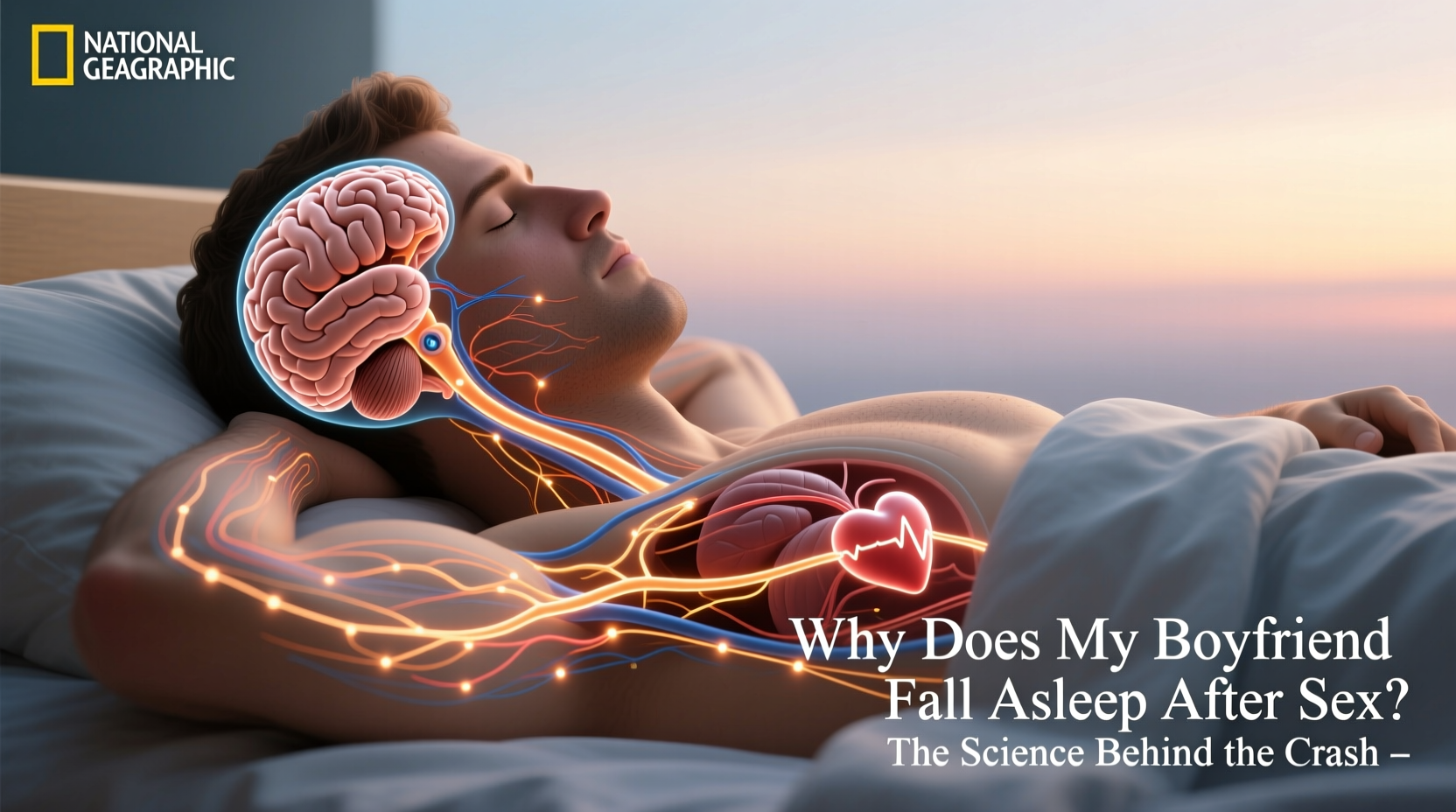
Sexual climax triggers a powerful cascade of neurochemicals in the brain, particularly in men. These biochemical changes are central to the immediate drowsiness many men experience. The most significant contributors include prolactin, oxytocin, vasopressin, and endorphins—all of which promote relaxation, satisfaction, and sleep.
One of the most studied compounds in this context is **prolactin**, which surges immediately after orgasm. Research from the University of Groningen found that prolactin levels spike up to 400% higher after ejaculation compared to non-orgasmic arousal. Prolactin is strongly linked to sexual satiety and the refractory period—the time during which men cannot achieve another erection. It also plays a role in inducing drowsiness. In fact, elevated prolactin is associated with feelings of calmness and reduced sexual motivation, effectively signaling the body that the reproductive goal has been achieved.
“Post-orgasmic sleepiness isn’t laziness—it’s a hardwired physiological response driven by hormones like prolactin and oxytocin.” — Dr. Nicole Prause, Neuroscientist and Sexual Health Researcher
Oxytocin, often called the “bonding hormone,” is released in both partners during sex but tends to have pronounced sedative effects in men when combined with other factors like physical exertion and dopamine depletion. Vasopressin, another neuropeptide involved in male social bonding and circadian rhythms, further contributes to drowsiness and a desire to remain still after intercourse.
Physical Exertion and Energy Expenditure
While sex may not seem as physically demanding as a workout, it can still be a moderate-intensity cardiovascular activity. Depending on duration and intensity, a man can burn between 100 to 200 calories during a 20–30 minute session. Heart rate increases, muscles contract, and adrenaline rises—only to drop sharply after climax. This sudden shift from high arousal to deep relaxation mimics the body’s response after exercise, often triggering fatigue.
Additionally, muscle tension built up during arousal is rapidly released at orgasm. This physical \"unwinding\" can feel like a wave of heaviness washing over the body, making sleep almost irresistible. For men who are already tired due to work, stress, or poor sleep hygiene, sex acts as the final trigger that tips them into unconsciousness.
Tip: If you'd like more post-sex connection, try initiating intimacy earlier in the evening when both partners are well-rested and less likely to crash.Evolutionary Psychology: Rest After Reproduction
From an evolutionary standpoint, falling asleep after sex may have served a survival purpose. In ancestral environments, conserving energy after reproduction would have increased chances of recovery and readiness for future challenges. There was no need for prolonged post-coital interaction once insemination occurred—unlike in pair-bonding species where emotional connection supports long-term child-rearing.
Some researchers suggest that men's tendency to disengage after sex could be rooted in biological priorities. While women may benefit more from extended closeness (due to higher investment in pregnancy and child care), men historically gained reproductive advantage by seeking additional mating opportunities. However, in modern monogamous relationships, this instinct clashes with emotional expectations of intimacy and communication.
That said, individual differences matter greatly. Cultural norms, relationship quality, attachment styles, and personal habits all influence whether a man stays awake or falls asleep. Not all men doze off—and those who don’t may simply have different hormonal responses, better sleep regulation, or stronger emotional motivations to remain engaged.
Psychological and Relationship Factors
Biology isn't the whole story. Emotional availability, relationship dynamics, and mental health also shape post-sex behavior. A man who feels secure and emotionally connected may be more inclined to stay awake and nurture the bond through conversation or affection. Conversely, if there’s underlying anxiety, avoidance, or discomfort with vulnerability, falling asleep can serve as an unconscious way to avoid deeper emotional engagement.
In some cases, habitual post-sex sleep may reflect broader issues such as:
- Chronic sleep deprivation
- Low testosterone (which affects energy and libido)
- Depression or emotional detachment
- Performance pressure leading to mental exhaustion
However, it’s important not to pathologize normal behavior. Just because someone falls asleep doesn’t mean they’re emotionally distant or uninterested. For many men, sleeping after sex is a sign of comfort, trust, and physical satisfaction—not rejection.
Real Example: Mark and Lena’s Weekend Mornings
Mark and Lena had been together for three years. On weekends, they often enjoyed slow morning sex. But every time, within minutes of finishing, Mark would roll over and fall asleep. Lena initially felt hurt, interpreting it as indifference. She began avoiding initiation, worried she wasn’t satisfying him or that he didn’t value connection.
After reading about the hormonal basis of post-sex fatigue, she approached Mark gently. They talked openly—he explained that he wasn’t ignoring her; his body just “shut down” involuntarily. Together, they adjusted their routine: they started talking and cuddling before sex instead of after. This small shift improved Lena’s sense of closeness without asking Mark to fight his biology.
How to Navigate Post-Sex Sleepiness in Relationships
Misunderstandings around post-sex sleep can create resentment if not addressed with empathy. Open communication is key. Rather than framing the issue as a personal failing (“You always fall asleep!”), approach it as a shared challenge rooted in science and mutual needs.
Consider these strategies to balance physical satisfaction with emotional intimacy:
- Cuddle before climax: Build connection during foreplay and intercourse so emotional needs are met before the neurochemical crash.
- Adjust timing: Have sex earlier in the evening when energy levels are higher, reducing the likelihood of immediate sleep.
- Set expectations: Discuss each other’s desires for post-sex interaction. Some people crave talk; others prefer silence. Knowing this helps prevent assumptions.
- Use touch without pressure: Gentle stroking or holding hands after sex allows closeness even if one partner drifts off.
- Acknowledge differences: Accept that men and women often experience sex and its aftermath differently—without judgment.
| Factor | Effect on Post-Sex Sleepiness | What You Can Do |
|---|---|---|
| Prolactin surge | Triggers drowsiness and sexual refractory period | Understand it’s natural; don’t take personally |
| Physical exertion | Increases fatigue, especially if tired already | Choose lower-energy positions or shorter sessions if needed |
| Emotional avoidance | Sleep used subconsciously to escape intimacy | Discuss feelings; seek counseling if patterns persist |
| Poor sleep hygiene | Amplifies post-sex crash | Improve overall sleep routine for both partners |
| Hormonal imbalances | Low testosterone or high cortisol may increase fatigue | Encourage medical check-up if fatigue is constant |
Frequently Asked Questions
Is it normal for men to fall asleep immediately after sex?
Yes, it is very common and considered normal. The combination of hormonal release (especially prolactin), physical exertion, and psychological relaxation makes sleep a frequent outcome. As long as it doesn’t cause distress or relationship conflict, it’s typically nothing to worry about.
Do women ever fall asleep after sex too?
Absolutely. Women also experience oxytocin and endorphin release, which can induce relaxation and sleepiness. However, studies suggest women are more likely to desire post-sex conversation or emotional connection, so they may resist sleep longer—even if physically tired.
Can anything reduce post-sex sleepiness?
While you can’t change the hormonal response entirely, certain factors help. Staying well-rested, having sex earlier in the day, staying hydrated, and minimizing alcohol intake can reduce the intensity of the crash. Emotional motivation—such as wanting to talk or connect—can also keep someone awake despite biological urges.
Step-by-Step Guide to Improving Post-Sex Connection
If post-sex disengagement is affecting your relationship, follow this practical sequence to foster understanding and closeness:
- Reflect on your feelings: Identify whether you’re feeling neglected, lonely, or insecure—and why.
- Pick a neutral time to talk: Avoid bringing it up right after sex. Choose a calm moment to discuss preferences.
- Use “I” statements: Say “I feel more connected when we talk afterward” instead of “You always ignore me.”
- Listen to his experience: Ask how he feels physically and emotionally after sex. Learn his perspective.
- Collaborate on solutions: Agree on small changes—like 10 minutes of cuddling before sleep or shifting intimacy to earlier hours.
- Reassess after two weeks: Check in on whether the new approach feels better for both of you.
When to Be Concerned
While occasional or consistent post-sex sleep is usually harmless, be mindful of red flags such as:
- Complete emotional withdrawal after intimacy
- Consistent disinterest in sex or affection outside the bedroom
- Excessive daytime fatigue unrelated to sexual activity
- Snoring or gasping during sleep—possible signs of sleep apnea
If your partner shows signs of chronic fatigue, depression, or sleep disorders, encourage a visit to a healthcare provider. Sometimes, what appears to be a simple post-sex habit may point to larger health issues.
Conclusion: Bridging Biology and Intimacy
The reason your boyfriend falls asleep after sex isn’t about love, attraction, or effort—it’s largely about biology. Hormones like prolactin and oxytocin, combined with physical exertion and evolutionary instincts, create a perfect storm for post-coital sleep. Recognizing this can transform frustration into compassion.
Healthy relationships thrive not on identical behaviors, but on mutual understanding and adaptation. Instead of expecting your partner to defy his physiology, focus on creating intimacy in ways that honor both your needs. Whether it’s prioritizing connection before climax or simply accepting that sleep is part of his process, small shifts can make a big difference.
💬 Have you experienced this dynamic in your relationship? Share your thoughts, tips, or questions in the comments—your insight could help others feel less alone.








