Bearded dragons are expressive reptiles, and subtle changes in their behavior can signal underlying health issues. One common concern among owners is when their pet consistently closes one eye while leaving the other open. While occasional eye closure may be harmless, persistent unilateral eye closure can indicate problems ranging from environmental irritation to serious infection. Understanding the reasons behind this behavior—and knowing when to seek veterinary help—is essential for maintaining your dragon’s long-term health.
Normal vs. Abnormal Eye Behavior
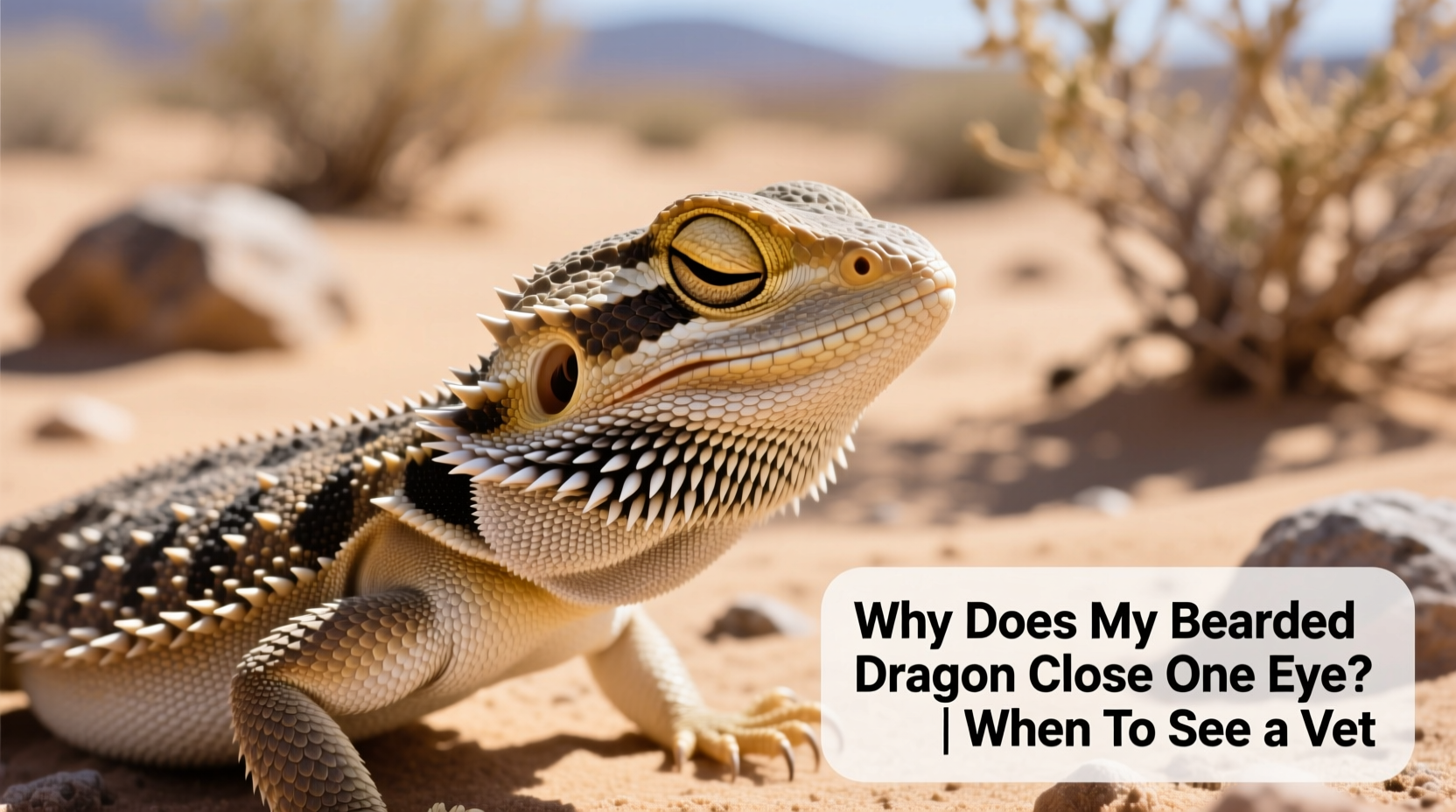
It’s not uncommon for bearded dragons to close one eye briefly during basking or when exposed to bright light. This can be a natural response to reduce glare or manage heat distribution. In some cases, they may also squint one eye when observing their surroundings, similar to how humans might half-close an eye to focus. These momentary actions are typically normal and resolve quickly.
However, if your bearded dragon keeps one eye shut for hours at a time, appears lethargic, or shows swelling, discharge, or crust around the eye, the behavior crosses into concerning territory. Unlike mammals, reptiles don’t produce tears in the same way, so any mucus or crusting is a red flag.
Tip: Observe your bearded dragon during active periods—especially midday basking—to assess whether the eye opens normally under ideal conditions.Common Causes of One-Eyed Closure
Several factors can lead to a bearded dragon closing one eye. Some are easily corrected with husbandry adjustments; others require prompt medical attention.
Dryness and Dehydration
Dehydration is a leading cause of eye issues in captive bearded dragons. When the humidity in their enclosure is too low (typically below 30%), the delicate tissues around the eyes can dry out. This leads to discomfort, swelling, and difficulty opening the eyelid. Dehydrated dragons may also exhibit sunken eyes, dry skin, and reduced appetite.
A lack of hydration impairs shedding, which can result in retained shed skin over the eye—commonly known as \"eye caps.\" This stuck shed physically prevents the eye from opening fully and increases the risk of infection.
Environmental Irritants
Substrate particles such as sand, coconut fiber, or loose bedding can become airborne during digging or movement and lodge in the eye. Even fine dust from feeder insects or decor items can cause irritation. The dragon may close the affected eye to protect it, especially if blinking doesn’t dislodge the foreign body.
Bright lighting without proper shade zones in the enclosure can also contribute. UVB and basking lights that are too intense or improperly positioned may cause photophobia in one eye, particularly if there’s pre-existing inflammation.
Infections and Abscesses
Bacterial or fungal infections are frequent culprits behind persistent eye closure. These often arise from untreated injuries, poor hygiene, or compromised immune function due to stress or improper diet. Symptoms include:
- Pus or yellow/green discharge
- Swelling around the eye socket
- Redness or warmth in the surrounding tissue
- Foul odor (in severe cases)
If left untreated, an infection can progress to an abscess—a pocket of pus trapped beneath the skin—which requires surgical drainage and antibiotics.
Vitamin A Deficiency (Hypovitaminosis A)
Vitamin A is crucial for maintaining healthy epithelial tissues, including those in the eyes and respiratory tract. A deficiency leads to metaplasia, where normal cells transform into tougher, keratinized types that block glands and ducts. In the eye, this causes the tear gland to malfunction, resulting in dryness, swelling, and chronic inflammation.
This condition is surprisingly common in dragons fed primarily on iceberg lettuce or mealworms without proper supplementation. It’s more prevalent in young or rapidly growing individuals with high metabolic demands.
Trauma or Injury
Minor scrapes from cage mates, sharp decorations, or rough handling can injure the eye or eyelid. Even a small scratch can become infected quickly in a reptile’s environment. Trauma may not always be visible but can cause pain-induced squinting.
“Unilateral eye closure in bearded dragons should never be dismissed as ‘just a quirk.’ It’s one of the earliest indicators of localized disease.” — Dr. Rebecca Tran, DVM, Exotic Animal Specialist
When to Check a Vet: Warning Signs
While mild, temporary eye closure may resolve on its own, certain symptoms demand professional evaluation. Delaying treatment can lead to permanent damage or systemic illness.
| Symptom | Urgency Level | Action Required |
|---|---|---|
| Eye closed for more than 24 hours | Moderate | Schedule vet visit within 48 hours |
| Discharge (pus, mucus, crust) | High | Seek immediate veterinary care |
| Swelling or bulging around the eye | High | Possible abscess—urgent evaluation needed |
| Visible injury or foreign object | Moderate to High | Do not attempt removal; consult vet |
| Lethargy + loss of appetite | High | Systemic illness likely—emergency visit |
| Retained shed over eye | Low to Moderate | Try humidification first; if unresolved in 12–24 hrs, see vet |
Step-by-Step: What to Do at Home First
Before rushing to the vet, perform a careful assessment and take these steps to rule out simple causes:
- Inspect the Environment: Check for sharp objects, dusty substrate, or direct light shining into the dragon’s face. Adjust layout if needed.
- Assess Hydration: Gently pinch the skin on the back. If it doesn’t snap back quickly, your dragon is dehydrated. Offer water via dropper or mist lightly.
- Check for Retained Shed: Use a magnifying glass to examine the closed eye. If you see white, flaky skin stuck on the eyelid, proceed to step four.
- Provide Humidity Therapy: Place your dragon in a “hospital box” with a damp paper towel and covered container for 15–20 minutes. Repeat 2–3 times daily. This often loosens stuck shed.
- Clean Gently: With a cotton swab moistened in lukewarm saline solution, wipe around (not inside) the eye to remove debris. Never force the eye open.
- Monitor Appetite and Activity: Track eating habits and movement. Refusal to eat for over 24 hours warrants a vet call.
Mini Case Study: Leo the Lethargic Dragon
Leo, a two-year-old male bearded dragon, began closing his right eye after his owner switched to a new calcium-dusted cricket brand. At first, the owner assumed it was dust irritation and misted the enclosure more frequently. But after three days, Leo stopped eating, developed a swollen eyelid, and started hiding under his hide.
The owner brought him to an exotic veterinarian, who diagnosed a bacterial conjunctivitis secondary to vitamin A deficiency. Lab analysis revealed poor gut absorption due to chronic low basking temperatures. Leo received injectable vitamins, topical antibiotics, and instructions to correct his thermal gradient. Within ten days, his eye reopened fully, and he resumed normal feeding.
This case highlights how multiple factors—nutrition, environment, and hygiene—can converge to create a health crisis. Early intervention prevented corneal ulceration and potential vision loss.
Prevention Checklist
Proactive care reduces the risk of eye problems significantly. Follow this checklist to maintain optimal ocular health:
- ✅ Maintain humidity between 30–40% using a digital hygrometer
- ✅ Provide a balanced diet rich in vitamin A (e.g., collard greens, carrots, squash)
- ✅ Dust food with a multivitamin supplement containing vitamin A twice weekly
- ✅ Use paper towels or tile instead of loose substrates to minimize particle exposure
- ✅ Clean food and water dishes daily; spot-clean feces immediately
- ✅ Ensure proper UVB lighting (replace bulbs every 6 months)
- ✅ Monitor shedding cycles and assist with misting if needed
- ✅ Schedule annual wellness exams with a reptile-savvy vet
Frequently Asked Questions
Can I treat my bearded dragon’s eye at home?
Mild cases caused by dryness or minor irritation may improve with increased humidity and gentle cleaning. However, if there’s no improvement within 24 hours, or if discharge, swelling, or lethargy develops, do not delay veterinary care. Home remedies cannot address infections or nutritional deficiencies.
Is it normal for baby bearded dragons to close one eye?
Less so than adults. Juveniles shed more frequently, increasing the chance of retained eye caps. However, persistent closure—even in babies—should be evaluated. Young dragons are more vulnerable to dehydration and infection due to their rapid growth and developing immune systems.
How much does a reptile vet visit cost for eye issues?
Costs vary by region but typically range from $75 to $200 for an initial exam, diagnostics, and basic treatment. More complex cases involving cultures, imaging, or surgery can exceed $300. Pet insurance for exotics can help offset these expenses.
Conclusion: Prioritize Proactive Care
A bearded dragon closing one eye isn’t something to ignore, even if the rest of its behavior seems normal. The eye is a window into overall health, reflecting hydration status, nutrition, and environmental well-being. By learning to distinguish between benign quirks and warning signs, you empower yourself to act early and effectively.
Consistent husbandry, attentive observation, and timely veterinary partnerships form the foundation of a long, vibrant life for your pet. Don’t wait for symptoms to worsen—address concerns promptly, document changes, and keep your reptile care knowledge up to date.
💬 Have you noticed your bearded dragon closing one eye? Share your experience or questions below—your story could help another owner catch a problem early.