
It’s a common travel experience: you step off a long-haul flight, stretch your legs, and notice your ankles look puffy—maybe even tight inside your shoes. While occasional swelling might seem harmless, it can be uncomfortable, concerning, or in rare cases, a sign of something more serious. Understanding the root causes and practical solutions empowers travelers to fly smarter and land feeling better.
Ankle swelling after flying, known medically as peripheral edema, results from fluid accumulation in the lower extremities. It’s not just about comfort; prolonged immobility during air travel triggers physiological changes that affect circulation. The good news is that most post-flight swelling is temporary and preventable with proactive measures.
What Causes Ankle Swelling During and After Long Flights?
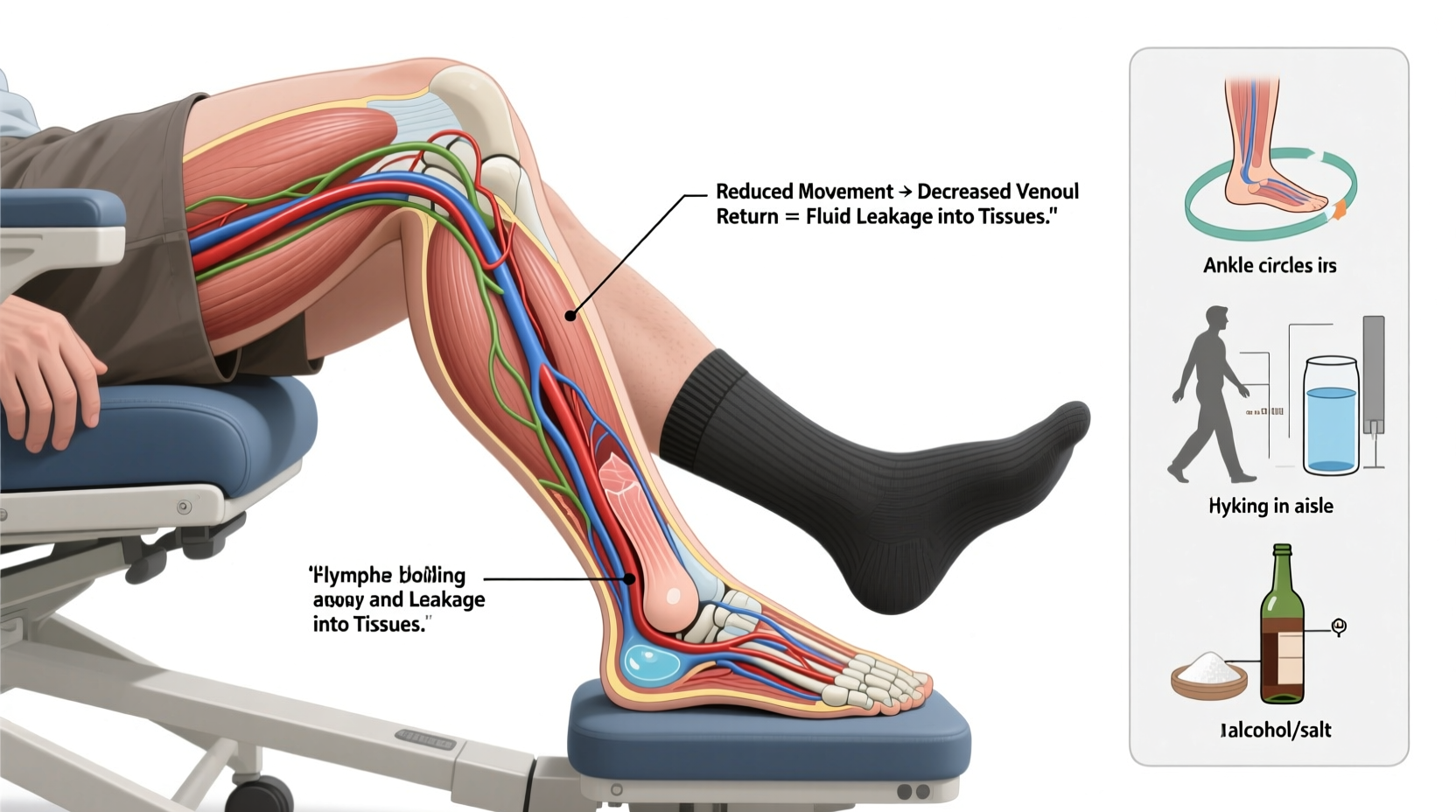
The cabin environment of an airplane plays a significant role in fluid dynamics within the body. At cruising altitude, cabin pressure is equivalent to being at 6,000–8,000 feet above sea level. This reduced oxygen level and lower atmospheric pressure cause blood vessels to dilate slightly, which can promote fluid leakage into surrounding tissues—especially in the legs and feet.
But pressure isn’t the only culprit. The primary driver of post-flight ankle swelling is **venous stasis**, a condition where blood flow slows due to prolonged sitting. When you remain seated for hours without moving, calf muscles—which normally act as pumps to return blood to the heart—become inactive. As circulation slows, gravity pulls fluid downward, leading to pooling in the ankles and feet.
Additional contributing factors include:
- Dehydration: Dry cabin air increases fluid loss through respiration. In response, the body may retain water as a compensatory mechanism, worsening swelling.
- High sodium intake: Snacks like pretzels, nuts, and meals served onboard are often high in salt, encouraging fluid retention.
- Reduced mobility: Tight seating limits leg movement, increasing venous pressure in the lower limbs.
- Hormonal fluctuations: Women may experience increased sensitivity to fluid shifts during certain phases of their menstrual cycle.
“Prolonged immobility in a pressurized cabin creates a perfect storm for dependent edema. The combination of low humidity, restricted movement, and dietary factors amplifies the risk.” — Dr. Alan Reyes, Vascular Medicine Specialist
How to Reduce Ankle Swelling During and After a Flight
Prevention is far more effective than treatment when it comes to post-flight swelling. Simple behavioral adjustments can significantly improve circulation and reduce discomfort. Start implementing these strategies before boarding and continue them upon arrival.
1. Move Regularly Throughout the Flight
Avoid sitting still for more than 60–90 minutes. Get up and walk the aisle every hour if possible. If mobility is limited, perform seated exercises such as ankle circles, toe raises, and calf pumps (pressing balls of feet down while lifting heels, then reversing).
Tip: Set a timer on your phone to remind you to move every 45–60 minutes—even small movements help maintain circulation.2. Stay Hydrated with Water, Not Alcohol or Caffeine
Drink plenty of water before and during the flight. Aim for 8–12 ounces every hour. Avoid alcohol and excessive caffeine, both of which contribute to dehydration and vasodilation, worsening fluid retention.
3. Wear Compression Socks
Graduated compression socks apply gentle pressure to the ankles and calves, helping veins push blood back toward the heart. Look for medical-grade socks with 15–20 mmHg pressure, available at pharmacies or travel stores.
4. Elevate Your Legs When Possible
If you're in a premium seat or have extra space, elevate your feet slightly using a carry-on or footrest. Even a few inches can assist venous return. After landing, lie down and prop your legs above heart level for 15–20 minutes.
5. Limit Salt Intake Before and During Travel
Reduce consumption of salty foods 24 hours before flying. Choose low-sodium snacks like fruit, yogurt, or unsalted granola bars. Request a low-sodium meal when booking your flight if available.
Step-by-Step Guide: What to Do Immediately After Landing
Recovery begins the moment you leave your seat. Follow this timeline to reduce swelling efficiently and restore normal circulation.
- Within 5 minutes of standing: Perform ankle rolls and toe flexes while waiting in the jet bridge or at baggage claim.
- First 30 minutes post-flight: Walk continuously—avoid sitting at the terminal unless necessary. Movement jumpstarts lymphatic drainage.
- After reaching your destination (within 1–2 hours):
- Elevate legs for 15–20 minutes.
- Drink 16 oz of water with electrolytes (avoid sugary drinks).
- Take a warm (not hot) shower to encourage circulation.
- Next 6–12 hours: Continue walking regularly, avoid crossing legs, and wear loose clothing to prevent constriction.
Do’s and Don’ts: Managing Post-Flight Swelling
| Do’s | Don’ts |
|---|---|
| Wear compression socks during flights over 4 hours | Sit still for more than 90 minutes without moving |
| Hydrate consistently with water | Consume alcohol or large amounts of coffee |
| Perform seated calf exercises hourly | Wear tight shoes or restrictive clothing |
| Elevate legs after landing | Stand in one place for long periods (e.g., at customs) |
| Pack light, breathable footwear for landing | Ignore persistent pain or asymmetrical swelling |
When Swelling Is More Than Just Discomfort: Recognizing Red Flags
Mild, symmetrical swelling in both ankles that resolves within a few hours of movement is typically benign. However, certain symptoms warrant immediate medical attention.
Be alert for:
- Swelling in only one leg, especially with redness or warmth
- Pain or tenderness along a vein (possible deep vein thrombosis)
- Shortness of breath or chest pain after landing (could indicate pulmonary embolism)
- Swelling that persists beyond 24 hours despite rest and elevation
Deep vein thrombosis (DVT) affects up to 1 in 1,000 long-haul travelers, according to the National Blood Clot Alliance. Risk increases with age, pregnancy, recent surgery, obesity, or personal/family history of clotting disorders. If you have any of these risk factors, consult your doctor before flying.
“Anyone with a history of blood clots should consider a pre-flight evaluation and possibly prophylactic measures like anticoagulants or higher-compression hosiery.” — Dr. Lena Patel, Hematology Consultant
Real Example: Sarah’s Experience with Post-Flight Swelling
Sarah, a 42-year-old marketing executive, flew frequently between New York and London. On a 7-hour overnight flight, she noticed her ankles were so swollen she couldn’t remove her sandals upon landing. Alarmed, she consulted her physician after repeated episodes.
Her doctor reviewed her habits: she often drank wine onboard, skipped walks due to work emails, and wore fashion boots that compressed her calves. After switching to compression socks, setting movement alarms, and choosing water over alcohol, her swelling decreased dramatically. A follow-up ultrasound ruled out DVT, but her case highlighted how lifestyle choices amplify natural physiological responses.
Now, Sarah packs a travel kit with compression socks, a reusable water bottle, and a list of in-seat exercises. “I used to think swelling was just part of flying,” she says. “Now I know it’s a signal to move—and I listen.”
FAQ: Common Questions About Ankle Swelling After Flights
Is ankle swelling after a flight dangerous?
In most cases, no. Mild, bilateral swelling that improves with activity is normal. However, sudden, painful, or one-sided swelling could indicate a blood clot and requires urgent evaluation.
Can drinking more water really help reduce swelling?
Yes. Dehydration causes the body to hold onto sodium and fluid. Proper hydration supports kidney function and helps flush excess fluids and salts, reducing edema.
Are there medical conditions that make swelling worse?
Certain conditions—including heart failure, kidney disease, liver cirrhosis, and chronic venous insufficiency—can predispose individuals to severe or prolonged swelling. If you have a diagnosed condition, discuss travel plans with your healthcare provider.
Essential Checklist for Swelling Prevention
Use this checklist before and during your next long flight to minimize ankle swelling:
- ✅ Pack graduated compression socks (15–20 mmHg)
- ✅ Fill a reusable water bottle before boarding
- ✅ Choose low-sodium snacks for the flight
- ✅ Download a reminder app for movement breaks
- ✅ Wear loose, non-restrictive clothing and shoes
- ✅ Perform seated calf and ankle exercises hourly
- ✅ Walk the aisle at least once every hour
- ✅ Elevate legs and hydrate immediately after landing
Conclusion: Take Control of Your Travel Comfort
Ankle swelling after long flights is a common but manageable issue. By understanding the interplay of cabin pressure, inactivity, and hydration, travelers can take meaningful steps to protect their circulatory health. Simple habits—like moving regularly, staying hydrated, and wearing compression gear—can transform a stiff, swollen landing into a smooth transition to your destination.
Your body responds to how you treat it, especially in challenging environments like air travel. Instead of accepting discomfort as inevitable, use this knowledge to travel smarter. Implement even a few of these strategies on your next trip, and you’ll likely notice a difference before your plane even taxis to the gate.
💬 Have a tip that helped you beat post-flight swelling? Share your experience in the comments and help fellow travelers stay comfortable and mobile.








