For millions of people who menstruate, a familiar pattern emerges in the days leading up to their period: breakouts. Whether it's a cluster of small bumps along the jawline or deep, painful cysts near the chin, premenstrual acne is both common and frustrating. Unlike random pimples, these flare-ups aren’t just bad luck—they’re driven by predictable hormonal shifts. Understanding the biology behind this cycle is the first step toward managing it effectively.
Hormonal fluctuations are a normal part of the menstrual cycle, but they don't have to mean monthly skin setbacks. With targeted skincare, lifestyle adjustments, and sometimes medical support, it’s entirely possible to reduce the severity and frequency of pre-period acne. This article breaks down the science, offers practical solutions, and provides real-world guidance for those tired of battling breakouts every month.
The Hormonal Link Between Your Period and Acne
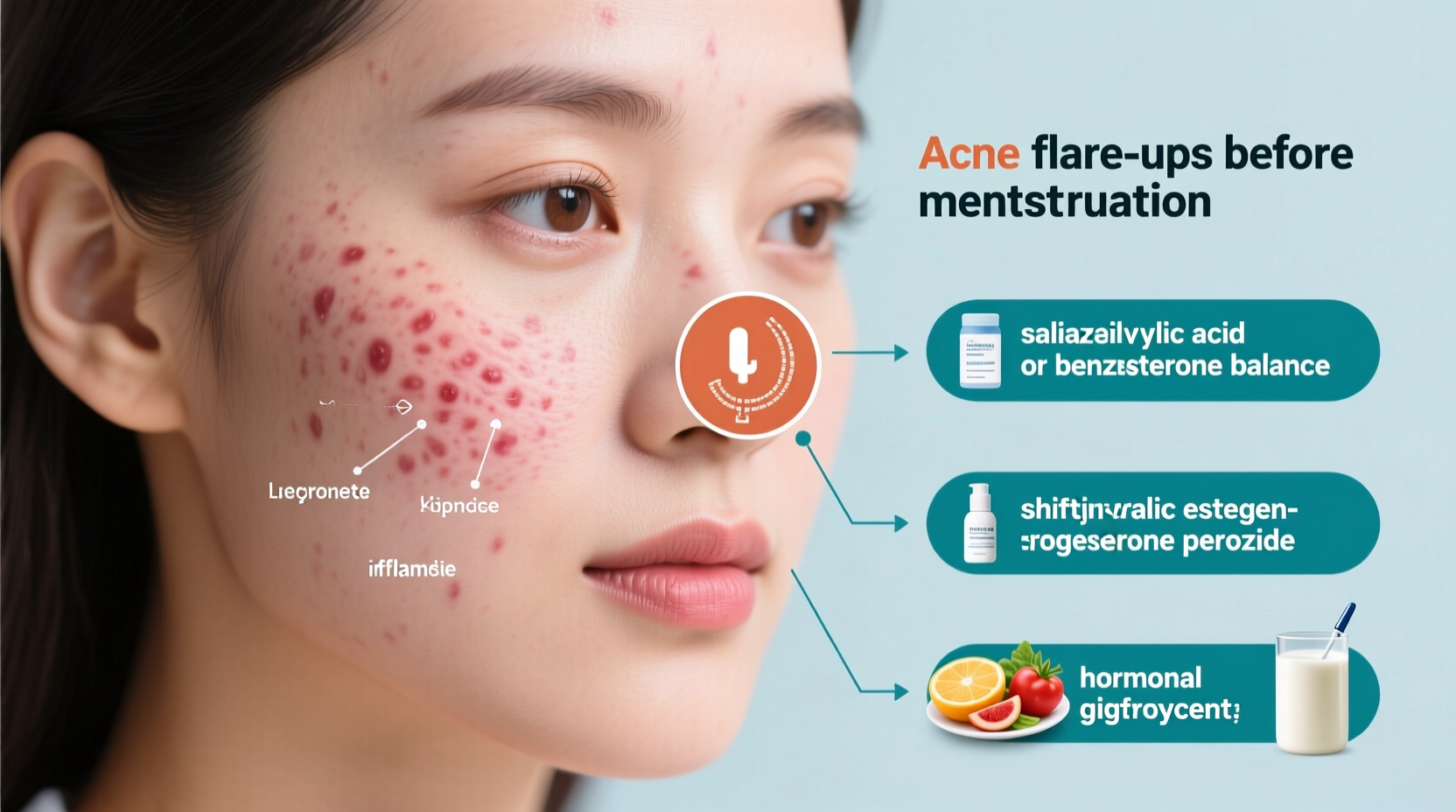
Acne before your period is primarily caused by changes in hormone levels during the luteal phase—the second half of your menstrual cycle, which begins after ovulation and ends when your period starts. During this phase, estrogen and progesterone levels rise initially, then drop sharply if pregnancy doesn’t occur. At the same time, testosterone (an androgen hormone) remains relatively stable, creating a temporary hormonal imbalance.
This shift increases sebum production—the oily substance secreted by sebaceous glands in the skin. Excess sebum clogs pores, creating an ideal environment for acne-causing bacteria (*Cutibacterium acnes*) to thrive. The result? Inflammation, redness, and breakouts—especially in the lower face, jawline, and neck, where hormone-sensitive oil glands are more concentrated.
“Premenstrual acne is one of the most common forms of hormonal acne, affecting up to 63% of menstruating individuals at some point.” — Dr. Sarah Kim, Dermatologist and Clinical Researcher
It’s important to distinguish between occasional hormonal fluctuations and conditions like polycystic ovary syndrome (PCOS), which can cause persistent hormonal acne. If your breakouts are severe, resistant to treatment, or accompanied by other symptoms such as irregular periods or excess facial hair, consult a healthcare provider to rule out underlying endocrine issues.
How to Prevent and Treat Pre-Period Breakouts
While you can’t stop your hormones from fluctuating, you can take proactive steps to minimize their impact on your skin. A combination of consistent skincare, lifestyle habits, and timing-based interventions works best.
Adjust Your Skincare Routine with Your Cycle
Your skin’s needs change throughout the month. In the week before your period, focus on prevention:
- Cleanse twice daily with a gentle, non-comedogenic cleanser to remove excess oil without stripping the skin.
- Incorporate salicylic acid (a beta-hydroxy acid) into your routine. It penetrates oil-filled pores and helps prevent clogging.
- Use benzoyl peroxide spot treatments at the first sign of a pimple. It kills acne-causing bacteria and reduces inflammation.
- Apply a lightweight, oil-free moisturizer to maintain the skin barrier—even oily skin needs hydration.
- Avoid heavy makeup or occlusive products that can trap oil and bacteria.
Don’t Over-Strip or Over-Treat
It’s tempting to aggressively treat breakouts with multiple strong products, but overuse of exfoliants or drying agents can compromise the skin barrier, leading to more inflammation and irritation. Stick to one active ingredient at a time unless advised otherwise by a dermatologist.
Medical and Hormonal Solutions
For many, topical skincare isn’t enough—especially when dealing with deep, cystic acne. In such cases, systemic (internal) treatments that address the root hormonal cause may be necessary.
Oral Contraceptives
Combined oral contraceptives containing estrogen and progestin can help regulate hormone swings and reduce androgen activity. Not all birth control pills are effective for acne; only certain types (like those containing drospirenone, norgestimate, or ethinyl estradiol) are FDA-approved for acne treatment.
Results typically appear after 3–6 months of consistent use. Always discuss risks and benefits with a gynecologist or dermatologist, especially if you have a history of blood clots, migraines, or high blood pressure.
Anti-Androgen Medications
Spironolactone, a medication originally used to treat high blood pressure, has become a go-to for hormonal acne due to its ability to block androgen receptors. By reducing the effect of testosterone on the skin, it significantly lowers sebum production.
Doses for acne range from 25 mg to 100 mg daily, often prescribed in conjunction with birth control. Side effects may include increased urination, fatigue, or electrolyte imbalances, so regular monitoring is recommended.
Topical Prescription Treatments
Tretinoin (a retinoid) and dapsone gel are prescription options that work well for inflammatory acne. Tretinoin accelerates cell turnover and prevents pore clogging, while dapsone has anti-inflammatory and antimicrobial properties.
“Hormonal acne requires a different approach than teenage acne. We need to treat the internal driver, not just the surface symptom.” — Dr. Lena Patel, Board-Certified Dermatologist
Actionable Strategies: A Weekly Prevention Checklist
Managing premenstrual acne is most effective when done proactively. Use this checklist to stay ahead of your cycle:
✅ Premenstrual Acne Prevention Checklist
- Track your menstrual cycle and identify your typical breakout window (usually days 19–28).
- Begin using salicylic acid cleanser or toner 5 days before expected breakouts.
- Switch to non-comedogenic, oil-free skincare and makeup products.
- Wash pillowcases and phone screens weekly to reduce bacterial transfer.
- Limit dairy and high-glycemic foods (sugar, white bread) in the luteal phase.
- Stay hydrated and maintain consistent sleep patterns.
- Apply benzoyl peroxide spot treatment at the first sign of a pimple.
- Schedule a dermatology checkup if breakouts persist despite home care.
Real-Life Example: Managing Monthly Breakouts
Meet Maya, a 28-year-old graphic designer who struggled with recurring jawline acne for years. She tried countless spot treatments, detox teas, and “natural” remedies, but her breakouts returned like clockwork—seven to ten days before her period.
After tracking her cycle for two months, she noticed a clear pattern: breakouts started around day 21, peaked just before her period, and faded within a few days of bleeding. She consulted a dermatologist, who confirmed hormonal acne and recommended starting a low-dose combined oral contraceptive.
In addition, she began using a nightly niacinamide serum and switched to a salicylic acid cleanser during the luteal phase. Within three months, her breakouts were less frequent and far milder. After six months, she rarely needed spot treatments.
Maya’s story highlights two key points: tracking your cycle reveals patterns, and combining internal regulation with external care delivers the best results.
Do’s and Don’ts of Hormonal Acne Management
| Do | Don’t |
|---|---|
| Track your menstrual cycle and breakout patterns | Assume all acne is the same—hormonal needs different treatment |
| Use non-comedogenic, fragrance-free products | Overuse harsh scrubs or alcohol-based toners |
| Consider hormonal therapy under medical supervision | Pop or pick at cystic acne—it worsens scarring |
| Wash your face twice daily and after sweating | Skip moisturizer thinking it will make oily skin worse |
| Eat a balanced diet rich in antioxidants and omega-3s | Rely solely on quick fixes instead of long-term strategy |
Frequently Asked Questions
Can stress make premenstrual acne worse?
Yes. Stress increases cortisol, which can stimulate oil glands and worsen inflammation. Chronic stress may also disrupt hormone balance, indirectly contributing to more severe breakouts. Incorporating stress-reducing practices like meditation, yoga, or regular exercise can support clearer skin.
Is it normal to get acne only before my period?
Yes. Many people experience cyclical acne limited to the premenstrual phase. If breakouts occur consistently during the same window each month and resolve shortly after menstruation begins, it’s likely hormonal. However, if acne persists throughout the cycle, further evaluation may be needed.
Are natural remedies like tea tree oil effective for hormonal acne?
Tea tree oil has antimicrobial and anti-inflammatory properties and may help mild surface acne when diluted properly. However, it does not address the hormonal root cause of premenstrual breakouts. While it can be a supplementary option, it should not replace proven treatments for moderate to severe hormonal acne.
Conclusion: Take Control of Your Skin and Cycle
Premenstrual acne is not something you have to accept as inevitable. It’s a signal—a response to internal hormonal rhythms that, once understood, can be managed with precision and care. From adjusting your skincare timing to exploring medical treatments, the tools exist to reduce flare-ups and protect your skin’s health.
The most powerful step you can take is awareness: track your cycle, observe your skin, and respond strategically. Small, consistent actions compound over time, turning monthly frustration into predictable, manageable maintenance.
💬 Your skin tells a story—start listening. Track your next cycle, try one new preventive step, and share your experience in the comments. You're not alone in this journey.








