Many people reach for a glass of wine or beer at the end of a long day, believing it helps them relax and fall asleep faster. While alcohol may induce drowsiness shortly after consumption, the relationship between alcohol and fatigue is more complex than it appears. Far from being a reliable sleep aid, alcohol disrupts the natural sleep cycle, reduces sleep quality, and often leads to daytime tiredness. Understanding the science behind this connection is key to making informed choices about drinking and sleep.
The Immediate Effect: Why Alcohol Feels Like a Sedative
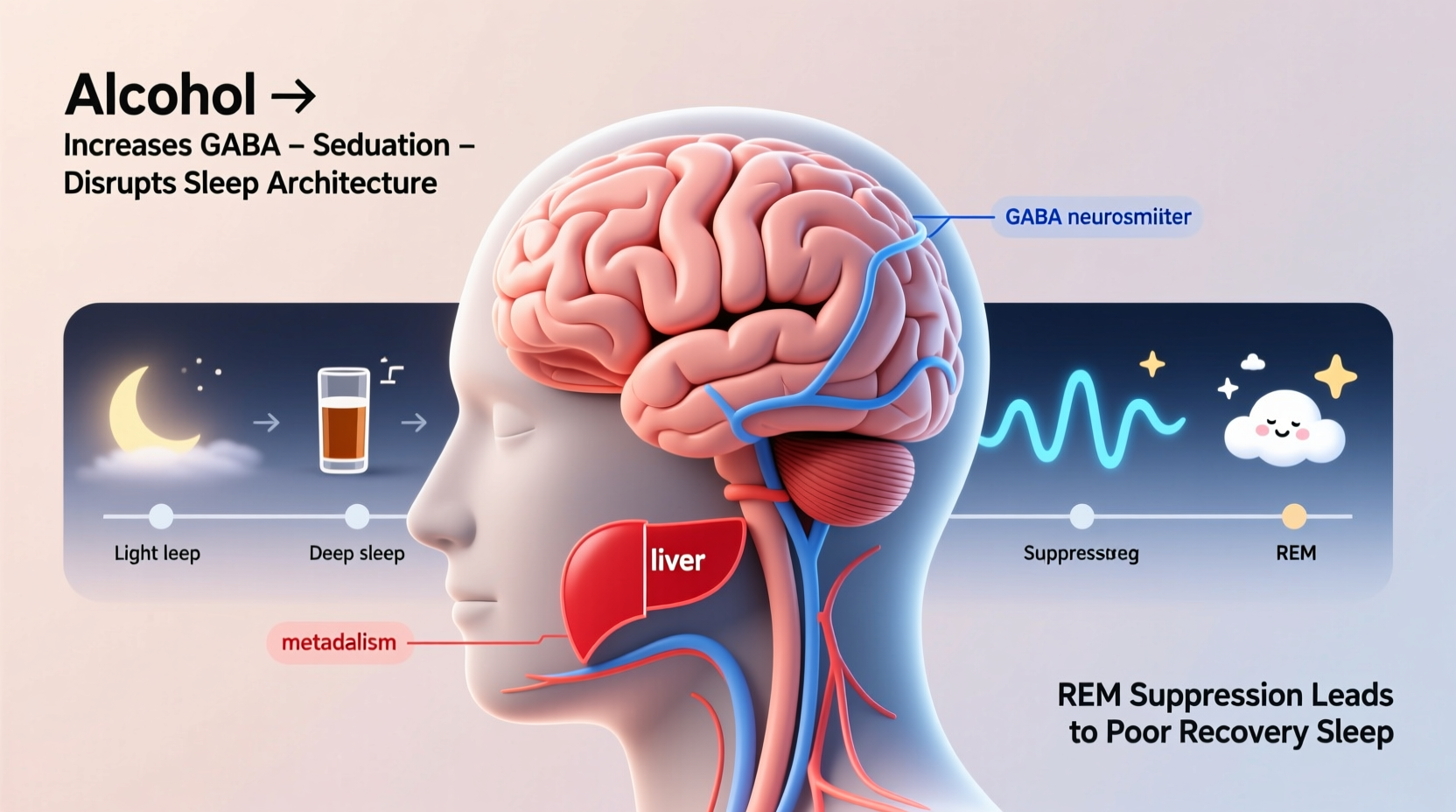
Alcohol is a central nervous system depressant. When consumed, it enhances the effect of gamma-aminobutyric acid (GABA), a neurotransmitter that slows brain activity. This produces a calming, sedative effect that can make you feel sleepy within minutes of drinking. For some, especially those with anxiety or racing thoughts, this initial relaxation seems beneficial for falling asleep.
However, this drowsiness is not the same as natural sleep onset. It’s a pharmacological effect—your brain is being chemically suppressed, not transitioning into restful sleep through its normal regulatory processes. As blood alcohol levels begin to drop a few hours into the night, the sedative effect wears off, often triggering disruptions in sleep architecture.
Tip: Avoid drinking alcohol within three hours of bedtime to minimize disruption to your sleep cycle.How Alcohol Disrupts Sleep Architecture
Sleep occurs in cycles, including light sleep, deep sleep (slow-wave sleep), and REM (rapid eye movement) sleep. Each stage plays a vital role in physical restoration, memory consolidation, and emotional regulation. Alcohol significantly alters this delicate balance.
In the first half of the night, alcohol increases slow-wave sleep, which might seem beneficial. However, it simultaneously suppresses REM sleep—the stage most associated with dreaming, cognitive processing, and mood regulation. As alcohol metabolizes, the body experiences a \"rebound effect,\" leading to REM sleep deprivation followed by fragmented, restless sleep in the second half of the night.
This disruption explains why, despite falling asleep quickly, many people wake up feeling unrested after drinking. The lack of sufficient REM sleep contributes to grogginess, poor concentration, and irritability the next day.
“Alcohol may help you fall asleep, but it robs you of the restorative stages of sleep your brain and body need.” — Dr. Rebecca Robbins, Sleep Scientist, Harvard Medical School
The Role of Blood Sugar and Dehydration
Beyond its impact on brain chemistry, alcohol influences other physiological factors that contribute to fatigue. One major factor is dehydration. Alcohol is a diuretic, increasing urine production and leading to fluid loss. Even mild dehydration can cause headaches, dry mouth, and low energy—common symptoms of both hangovers and poor sleep.
Additionally, alcohol affects blood sugar levels. Initially, it may cause a spike, especially when mixed with sugary drinks, followed by a sharp drop during the night. Hypoglycemia (low blood sugar) during sleep can trigger awakenings, sweating, and feelings of exhaustion upon waking.
These combined effects—dehydration, fluctuating glucose, and disrupted sleep stages—create a perfect storm for next-day fatigue, even after just one or two drinks.
Long-Term Impact on Sleep and Energy
Occasional drinking may only temporarily affect sleep, but regular alcohol use can lead to chronic sleep disturbances. Over time, the brain adapts to alcohol's presence, reducing its natural ability to initiate and maintain sleep without it. This can create a dependency loop: people drink to fall asleep, but their sleep becomes poorer, leading to daytime fatigue and increased reliance on alcohol the next night.
Chronic alcohol use is also linked to reduced melatonin production—the hormone responsible for regulating the sleep-wake cycle. Lower melatonin levels delay sleep onset and reduce sleep efficiency, further compounding tiredness.
Moreover, long-term drinkers often experience diminished deep sleep over time, impairing physical recovery, immune function, and hormonal balance. The cumulative result is persistent fatigue, reduced alertness, and a higher risk of sleep disorders like insomnia and sleep apnea.
Do’s and Don’ts: Managing Alcohol and Sleep
| Do | Don't |
|---|---|
| Limits drinks to 1–2 per day and avoid drinking close to bedtime | Use alcohol as a regular sleep aid |
| Hydrate with water between alcoholic beverages | Drink on an empty stomach |
| Establish a wind-down routine without screens or stimulants | Mix alcohol with caffeine or energy drinks |
| Monitor how you feel the next day to assess personal sensitivity | Ignore signs of dependence or worsening sleep |
Real-Life Example: Sarah’s Evening Glass That Backfired
Sarah, a 34-year-old marketing manager, began having trouble sleeping due to work stress. She started drinking a glass of red wine each night to \"unwind.\" At first, it seemed to help her fall asleep faster. But within weeks, she noticed she was waking up multiple times between 2 a.m. and 4 a.m., feeling anxious and unable to return to sleep.
During the day, she felt sluggish, struggled to focus, and relied on coffee to stay alert—only to find herself wired at bedtime. After consulting a sleep specialist, Sarah learned that her nightly wine was fragmenting her REM sleep and disrupting her circadian rhythm. By eliminating alcohol three hours before bed and adopting a consistent sleep schedule, her sleep quality improved within two weeks, and her daytime energy returned.
Step-by-Step Guide to Reducing Alcohol-Related Fatigue
- Track your intake: Note how much and when you drink, along with sleep quality and next-day energy.
- Set a cutoff time: Stop drinking at least 3 hours before bed to allow partial metabolism.
- Stay hydrated: Drink a glass of water for every alcoholic beverage consumed.
- Replace the ritual: Swap evening drinks with herbal tea, warm milk, or a short walk.
- Optimize your sleep environment: Keep the bedroom cool, dark, and quiet to support natural sleep.
- Seek alternatives: Practice mindfulness, journaling, or gentle stretching to manage stress without alcohol.
Frequently Asked Questions
Does any type of alcohol affect sleep differently?
While all alcohol disrupts sleep, darker drinks like red wine and whiskey contain congeners—byproducts of fermentation—that may worsen next-day fatigue and sleep disruption. Clear spirits like vodka or gin tend to have fewer congeners, potentially causing less severe effects, but they still impair sleep quality significantly.
Can I reverse the sleep damage from regular drinking?
Yes. The brain and body are highly adaptable. After stopping or reducing alcohol use, many people see improvements in sleep quality within days to weeks. Deep and REM sleep gradually return, and daytime alertness improves. Consistent healthy habits accelerate recovery.
Why do I feel more tired after drinking, even if I slept 8 hours?
Sleep duration doesn’t equal sleep quality. Alcohol fragments sleep cycles, reduces restorative stages, and causes dehydration and blood sugar swings—all of which leave you physically and mentally unrefreshed, regardless of how long you were in bed.
Conclusion: Take Control of Your Sleep and Energy
Alcohol’s reputation as a sleep aid is a myth rooted in short-term effects. In reality, it undermines the very foundation of restful sleep and leaves you more tired, not less. Recognizing this link empowers you to make better choices—whether that means adjusting your drinking habits, improving sleep hygiene, or seeking help for underlying issues like stress or insomnia.
You don’t have to give up alcohol entirely to protect your sleep. Small changes—like timing your last drink earlier, staying hydrated, and avoiding nightly reliance—can make a significant difference. Prioritize restorative sleep, and you’ll likely find you need less artificial relaxation and wake up ready to engage with your day.
💬 Your sleep matters. Share your experience or tips in the comments—how has alcohol affected your rest? What changes helped you feel more refreshed?








