Acne is more than just a teenage phase—it’s a persistent skin condition that can plague adults for years, especially when it keeps returning to the exact same area of the face or body. You treat it, it clears up, and just when you think you’ve won, it reappears like an unwelcome guest. This frustrating pattern isn’t random. There are biological, behavioral, and environmental reasons behind recurring acne in the same spot. Understanding these causes is the first step toward breaking the cycle and achieving long-term clarity.
The Science Behind Recurring Acne
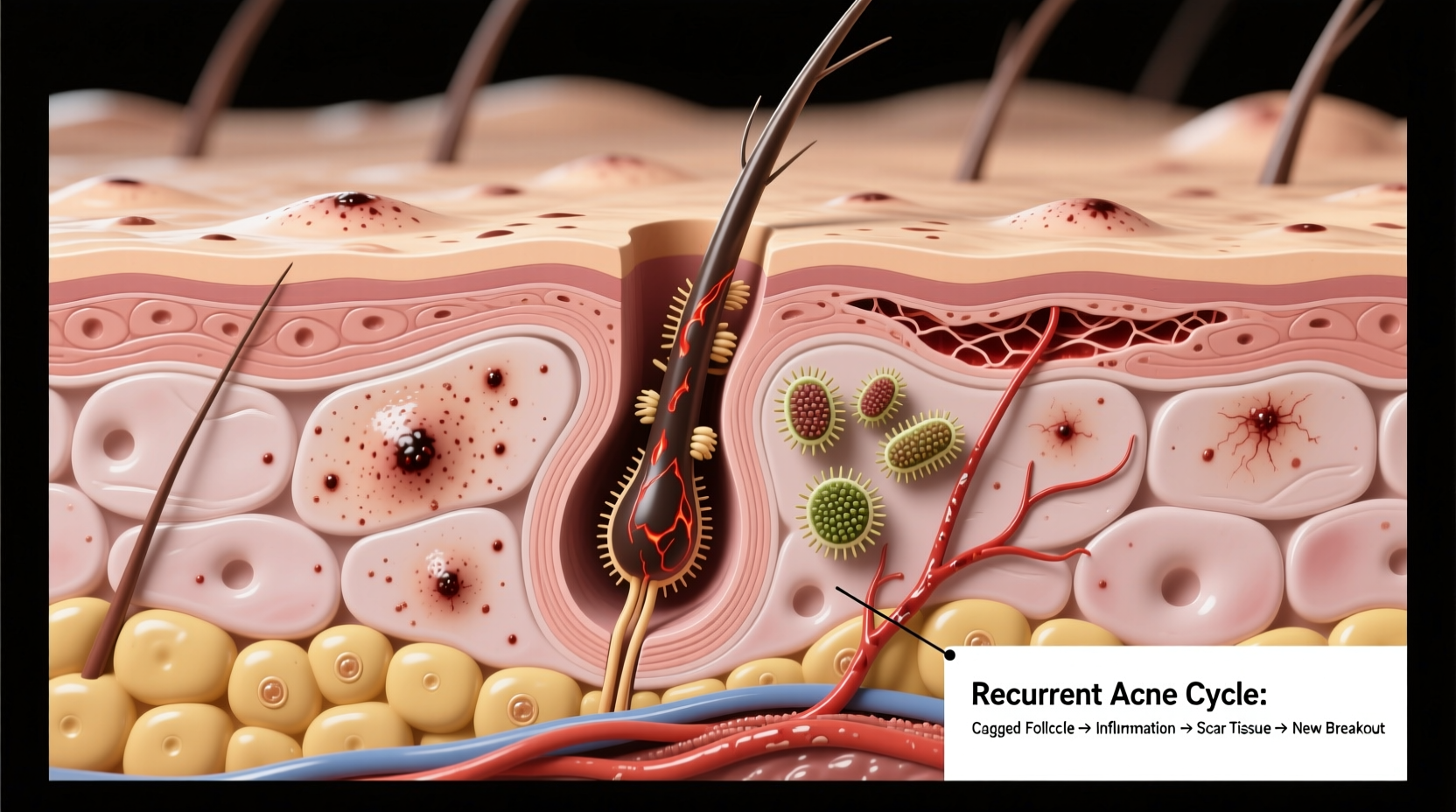
Acne forms when hair follicles become clogged with oil (sebum), dead skin cells, and bacteria—primarily Propionibacterium acnes (now known as Cutibacterium acnes). But not all acne is created equal, and certain areas of the face are more prone to repeated breakouts due to higher sebaceous gland concentration, frequent touch, or underlying inflammation.
When acne returns to the same location, it often means the root cause was never fully addressed. The visible pimple may have healed, but the environment beneath the skin remains primed for another breakout. This includes:
- Chronic micro-inflammation in the pore lining
- Persistent overproduction of sebum
- Residual bacterial colonization
- Scarring or structural changes from previous lesions
Some pores become “acne-prone” due to repeated damage. Each time a pimple forms, it weakens the follicle wall. Over time, this creates a sort of \"memory\" in the skin, making the area more susceptible to future flare-ups.
“Recurrent acne in one spot often reflects unresolved inflammation or ongoing irritation. It's not just surface-level—it’s embedded in the skin’s architecture.” — Dr. Lena Torres, Board-Certified Dermatologist
Common Triggers That Keep Acne Coming Back
Even with good hygiene and skincare, acne can persist due to hidden triggers. Identifying these factors is crucial for long-term management.
1. Touching Your Face
Frequent contact—whether from resting your chin on your hand, pushing hair back, or adjusting glasses—transfers oil, bacteria, and dirt directly into pores. Areas like the jawline, cheeks, and forehead are particularly vulnerable.
2. Incomplete Treatment Cycles
Many people stop using acne treatments once the pimple disappears. However, topical retinoids, benzoyl peroxide, or antibiotics need consistent use to prevent new formations. Discontinuing too early allows residual inflammation to reignite.
3. Hormonal Fluctuations
Hormones like testosterone and DHEA-S stimulate sebum production. For many, especially women, hormonal acne recurs cyclically along the jaw and chin during menstruation, stress, or conditions like PCOS.
4. Hair Products and Skincare Ingredients
Heavy conditioners, pomades, or makeup with comedogenic ingredients (like coconut oil or lanolin) can migrate onto facial skin, clogging pores along the hairline and temples.
5. Pillowcases and Phone Screens
These surfaces collect oil, sweat, and bacteria throughout the day. Pressing your face against them nightly creates a perfect storm for recurring breakouts on one side of the face.
Tip: Change pillowcases every 3–4 days and wipe your phone screen daily with an alcohol pad to reduce bacterial transfer.How to Break the Cycle: A Step-by-Step Plan
Breaking the recurrence cycle requires consistency, patience, and a strategic approach. Here’s a proven timeline to reset your skin and prevent repeat offenders.
- Week 1–2: Assess and Simplify
Stop using harsh scrubs or multiple active ingredients at once. Switch to a gentle cleanser, non-comedogenic moisturizer, and sunscreen. Let your skin barrier recover. - Week 3–4: Introduce Targeted Treatment
Begin using a topical retinoid (like adapalene) every other night to regulate cell turnover and prevent clogged pores. Pair with benzoyl peroxide spot treatment only on active blemishes. - Week 5–8: Monitor and Adjust
Track which areas flare up and note potential triggers (e.g., diet, stress, product use). If no improvement, consider adding salicylic acid (BHA) exfoliation 2–3 times per week. - Month 3+: Maintain and Prevent
Continue retinoid use 3–7 nights per week. Incorporate niacinamide serum to reduce inflammation and strengthen the skin barrier. Avoid picking or touching problem zones.
This gradual progression prevents irritation while building resilience in acne-prone areas. Remember: results take time. Most dermatologists recommend waiting 8–12 weeks before assessing treatment effectiveness.
Do’s and Don’ts for Stubborn, Recurrent Acne
| Do’s | Don’ts |
|---|---|
| Wash your face twice daily with a mild, pH-balanced cleanser | Over-wash or scrub aggressively—this increases irritation and oil production |
| Use non-comedogenic, fragrance-free moisturizers | Skip moisturizer—dehydrated skin produces more oil |
| Apply sunscreen daily—even if indoors | Use heavy makeup or occlusive sunscreens without cleansing thoroughly |
| Treat the entire zone, not just individual pimples | Spot-treat only—this ignores underlying congestion |
| Replace old makeup and applicators every 3–6 months | Share makeup or use expired products |
Real-Life Example: Sarah’s Jawline Breakout Pattern
Sarah, a 28-year-old graphic designer, struggled with recurring cystic acne on her left jawline for over two years. Despite trying antibiotics, she saw temporary relief but constant relapse. After consulting a dermatologist, she discovered several contributing factors:
- She rested her left cheek on her hand while working
- Her phone, rarely cleaned, pressed against the same area during calls
- She used a coconut oil-based beard oil that transferred when her partner kissed her
By implementing small changes—using speakerphone, cleaning her device daily, switching to water-based facial oils, and applying adapalene nightly—Sarah saw significant improvement within ten weeks. Her jawline cleared, and after six months, the area remained stable with maintenance care.
This case illustrates how localized acne can stem from repetitive physical habits rather than systemic issues alone. Addressing behavior alongside skincare was key to breaking the cycle.
Expert-Recommended Checklist to Prevent Recurrence
Follow this actionable checklist to minimize the chances of acne returning to the same spot:
- ✅ Cleanse gently morning and night with a sulfate-free formula
- ✅ Use a topical retinoid (e.g., adapalene 0.1%) 3–7 nights per week
- ✅ Apply a lightweight, non-comedogenic moisturizer daily
- ✅ Wear broad-spectrum SPF 30+ every day, even indoors
- ✅ Replace pillowcases every 3–4 days
- ✅ Sanitize your phone, glasses, and headphones weekly
- ✅ Avoid touching your face throughout the day
- ✅ Track breakouts in a journal or app to identify patterns
- ✅ Visit a dermatologist if cysts or scarring occur
- ✅ Consider hormonal evaluation if jawline/chin acne persists
Frequently Asked Questions
Why does my acne keep coming back in the same spot even after healing?
Healing doesn’t always mean resolution. Pores that have experienced repeated inflammation can develop structural changes, such as widened follicles or scar tissue, which trap oil and bacteria more easily. Additionally, lingering bacteria and chronic low-grade inflammation make the area a hotspot for future breakouts.
Can picking acne cause it to return in the same place?
Yes. Picking damages the follicle wall, spreads bacteria, and delays healing. It also increases post-inflammatory hyperpigmentation and scarring, which disrupts normal skin turnover. This disruption makes the pore more likely to clog again, restarting the cycle.
Is it possible to permanently stop acne from recurring?
While acne cannot always be “cured,” it can be effectively managed and prevented long-term. With consistent skincare, lifestyle adjustments, and professional guidance when needed, most people can achieve and maintain clear skin. The goal is control, not perfection.
Conclusion: Take Control of Your Skin’s Future
Recurring acne in the same spot isn’t bad luck—it’s a signal. Your skin is communicating that something in your routine, environment, or biology needs attention. Whether it’s a habit you haven’t noticed, a product that’s clogging pores, or a deeper hormonal imbalance, the solution lies in consistent, informed action.
Breaking the cycle isn’t about finding a miracle cure. It’s about building sustainable habits: treating the entire affected area, not just the visible pimple; protecting your skin from daily irritants; and giving treatments time to work. Small changes compound into lasting results.
💬 Ready to break the cycle? Start tonight: wash your pillowcase, clean your phone, and apply your retinoid. Share your journey or ask questions in the comments—your experience could help someone else finally find clarity.








