
Chewing ice may seem like a harmless habit—something done absentmindedly while drinking water or soda. But when the urge to crunch on ice becomes constant and overwhelming, it could signal something deeper than mere preference. Known medically as pagophagia, compulsive ice eating is more than a quirk; it’s often linked to underlying health issues, particularly nutritional deficiencies. While occasional ice chewing is generally safe, persistent cravings warrant attention. Understanding the reasons behind this behavior can help individuals recognize warning signs and seek appropriate care.
The Science Behind Ice Cravings
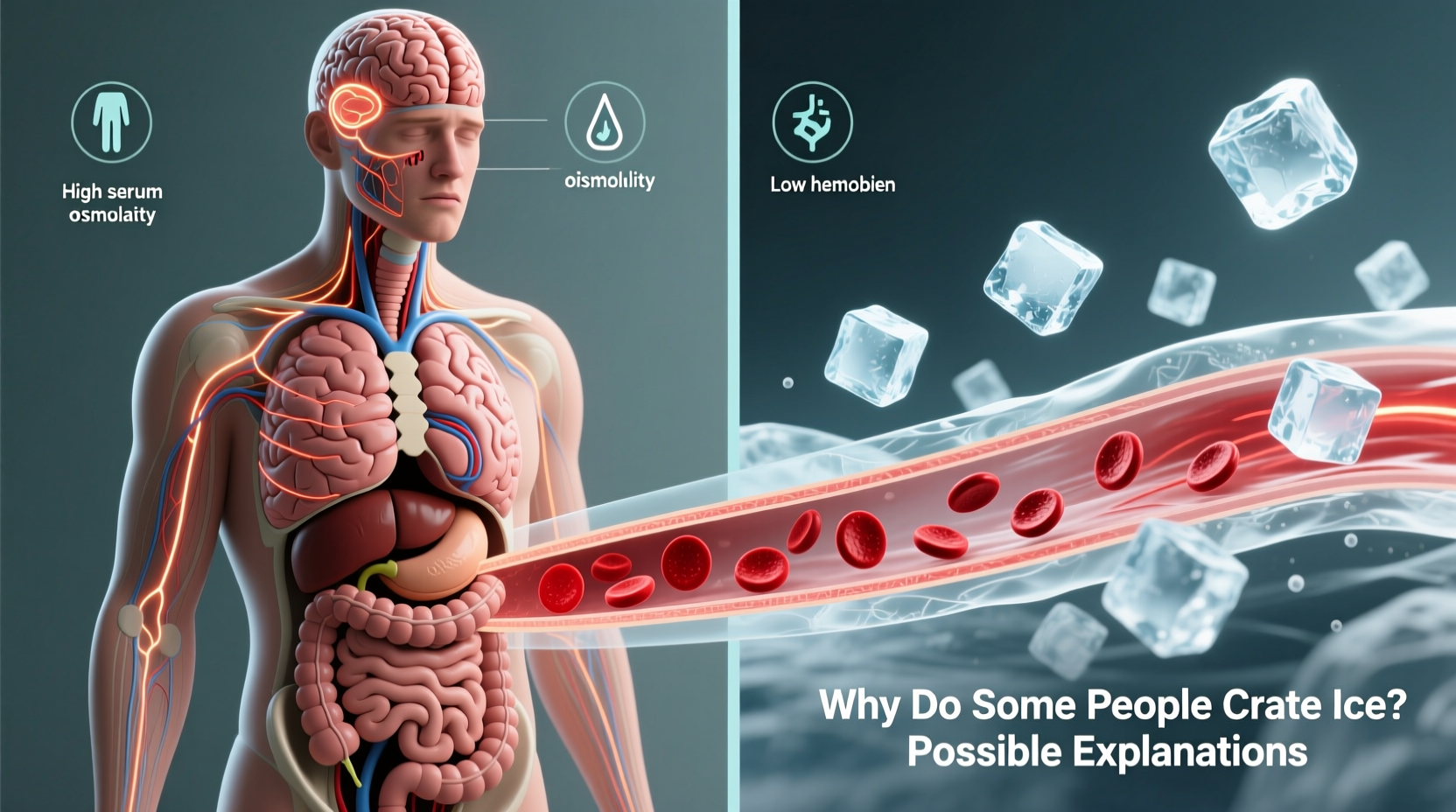
At first glance, craving a substance with no caloric or nutritional value—like plain ice—seems illogical. Yet, the human body sometimes sends signals in unexpected ways. Pagophagia, a subtype of pica (the consumption of non-nutritive substances), specifically refers to an intense desire to chew ice. Unlike other forms of pica that involve eating dirt, paper, or chalk, ice chewing doesn’t introduce foreign materials into the body, but its persistence often points to physiological imbalances.
One of the most well-documented links is between ice cravings and iron deficiency anemia. Research suggests that people with low iron levels frequently report an uncontrollable urge to chew ice. A 2014 study published in the Journal of the American Board of Family Medicine found that patients with iron deficiency were significantly more likely to exhibit pagophagia than those with normal iron levels—and their cravings often resolved after iron supplementation.
“Pagophagia is one of the few forms of pica with a clear association to a treatable medical condition. When a patient presents with chronic ice chewing, we immediately consider iron status.” — Dr. Lena Patel, Hematology Specialist
The exact mechanism remains under investigation, but theories suggest that chewing ice may provide a mental boost in iron-deficient individuals. Cold stimulation appears to increase alertness and cerebral blood flow, potentially counteracting the fatigue and brain fog associated with anemia. This temporary cognitive lift reinforces the behavior, making it difficult to stop even when aware of the underlying issue.
Iron Deficiency: The Primary Culprit
Iron plays a crucial role in hemoglobin production, the protein in red blood cells responsible for carrying oxygen throughout the body. When iron stores run low, oxygen delivery slows, leading to symptoms like weakness, dizziness, shortness of breath, and—interestingly—unusual cravings.
In cases of iron deficiency anemia, the tongue may become smooth and pale, and the mouth can develop cracks at the corners (angular cheilitis). These physical signs, combined with persistent ice chewing, form a clinical picture that prompts blood testing. Key diagnostic markers include:
- Serum ferritin (measures iron stores)
- Hemoglobin levels
- Mean corpuscular volume (MCV)
- Transferrin saturation
Women of reproductive age are especially vulnerable due to menstrual blood loss, but men and postmenopausal women with chronic gastrointestinal bleeding (e.g., from ulcers or colon polyps) can also develop deficiencies. Vegetarians and vegans may struggle with lower absorption of non-heme iron from plant sources, increasing risk without proper dietary planning.
Other Nutritional Deficiencies Linked to Ice Cravings
While iron deficiency dominates the conversation, other nutrient imbalances may contribute to unusual cravings:
- Magnesium: Involved in muscle and nerve function, low magnesium can cause muscle cramps, fatigue, and appetite disturbances.
- Zinc: Deficiency may alter taste perception and trigger pica-like behaviors, though less commonly tied to ice specifically.
- B vitamins: Particularly B12 and folate, which affect red blood cell formation and neurological health.
These deficiencies often coexist, especially in individuals with malabsorption disorders like celiac disease or Crohn’s disease, reinforcing the need for comprehensive evaluation rather than isolated supplementation.
Pregnancy and Hormonal Shifts
Pregnant women frequently report strange food cravings, including ice. This phenomenon isn’t merely anecdotal—studies show a notable spike in pagophagia during pregnancy, particularly in the first and second trimesters. The increased demand for iron to support fetal development and expanded maternal blood volume makes expectant mothers highly susceptible to deficiency.
A mini case study illustrates this pattern:
Maria, a 29-year-old expecting her first child, began craving ice so intensely she went through multiple freezers weekly. She initially dismissed it as a quirky pregnancy symptom until her prenatal checkup revealed a hemoglobin level of 9.8 g/dL (normal: ≥12 g/dL). After starting iron supplements, her energy improved and within three weeks, her ice cravings vanished completely.
Hormonal fluctuations during pregnancy may also influence taste and sensory preferences, amplifying oral fixation behaviors. However, healthcare providers stress that such cravings should never be ignored, as untreated anemia increases risks for preterm birth, low birth weight, and postpartum complications.
Psychological and Behavioral Factors
Not all ice cravings stem from physical deficiencies. In some cases, habitual ice chewing begins as a coping mechanism for stress, anxiety, or boredom. The repetitive action provides sensory feedback similar to fidgeting or nail-biting, offering a sense of control or distraction.
Individuals with obsessive-compulsive tendencies or autism spectrum disorder may engage in ice chewing as a form of stimming—self-stimulatory behavior that helps regulate emotions. For them, the texture, temperature, and sound of crunching ice serve a calming purpose.
In these scenarios, addressing the root psychological factor is essential. Cognitive-behavioral strategies, mindfulness techniques, or alternative oral stimulants (like sugar-free gum or chewable jewelry) can help reduce reliance on ice without treating a medical deficiency.
When Habits Become Harmful
While chewing ice might start innocently, long-term effects can damage oral health. Regularly gnawing on hard cubes stresses tooth enamel, leading to microfractures, increased sensitivity, and even cracked teeth. Dental professionals report seeing patients who require crowns or root canals due to chronic ice chewing.
Bruxism (teeth grinding) can worsen with frequent ice crunching, especially during sleep. Orthodontic work, such as braces or veneers, is particularly vulnerable. Dentists often advise switching to crushed ice or eliminating the habit altogether once structural risks are identified.
Diagnosis and Next Steps
If you or someone you know experiences relentless ice cravings, the best course is medical evaluation. Diagnosis typically involves:
- Medical history review: Assessing diet, menstrual patterns, gastrointestinal symptoms, and medication use.
- Physical examination: Checking for pallor, brittle nails, swollen tongue, or heart murmurs.
- Blood tests: Comprehensive panel focusing on iron studies, complete blood count (CBC), and inflammatory markers.
- Follow-up monitoring: Repeating labs after treatment to confirm improvement.
| Test | Normal Range | Low Result Implication |
|---|---|---|
| Ferritin | 15–150 ng/mL (varies by lab) | Indicates depleted iron stores |
| Hemoglobin | 12–16 g/dL (women), 14–18 g/dL (men) | Suggests anemia |
| MCV | 80–100 fL | Low values point to microcytic anemia (often iron-related) |
Action Plan: What You Can Do
Recognizing a potential problem is only the beginning. Taking structured steps ensures timely intervention and better outcomes. Here's a practical checklist:
📋 Ice Craving Action Checklist- ✅ Monitor frequency: Are you chewing ice daily? Multiple times a day?
- ✅ Note accompanying symptoms: Fatigue, paleness, dizziness, cold hands/feet?
- ✅ Schedule a blood test: Request iron panel and CBC from your primary care provider.
- ✅ Review diet: Are you consuming enough iron-rich foods (red meat, spinach, lentils)?
- ✅ Consider supplements only under supervision: Self-treating with iron can be dangerous if levels are normal.
- ✅ See a dentist: Evaluate any tooth wear or jaw pain related to chewing.
- ✅ Explore emotional triggers: Is stress or routine driving the habit?
Frequently Asked Questions
Is chewing ice harmful if I’m not anemic?
Even without deficiency, constant ice chewing poses dental risks. Enamel erosion, cracked teeth, and gum injury are common over time. If the habit persists, it’s wise to explore alternatives like chilled fruit or sugar-free popsicles.
Can children have ice cravings?
Yes, especially picky eaters or those with restricted diets. Pediatricians recommend evaluating iron levels in children who show signs of fatigue, poor concentration, or unusual eating behaviors. Pica in kids can also relate to developmental conditions and should be assessed by a specialist.
Will my cravings go away after treatment?
In most cases of iron deficiency, yes. Many patients report a dramatic reduction or complete disappearance of ice cravings within one to three weeks of starting effective iron therapy. This rapid response underscores the biological basis of the behavior.
Conclusion: Listen to Your Body’s Signals
Craving ice may seem trivial, but it can be one of the earliest and most consistent indicators of iron deficiency—anemia that affects millions worldwide, many undiagnosed. Unlike more obvious symptoms like extreme tiredness or shortness of breath, ice chewing stands out precisely because it’s unusual. It demands attention.
Whether rooted in nutrition, pregnancy, or psychological habits, persistent ice consumption shouldn’t be brushed off. With proper diagnosis and targeted care, most causes are manageable—and often reversible. Don’t wait for fatigue or fainting spells to take action. If your glass is always drained just for the cubes, make an appointment with your healthcare provider. Your body might be telling you something important.
💬 Your health journey matters. Share your experience with ice cravings in the comments—your story could help someone realize they’re not alone and inspire them to seek answers.








