Isolation is a complex human behavior that can stem from emotional, psychological, social, or even cultural factors. While solitude can be restorative when chosen intentionally, prolonged or involuntary self-isolation often signals deeper struggles. Understanding why people withdraw helps reduce stigma, fosters compassion, and opens pathways to healing. This article examines the root causes of isolation, its effects on mental health, and practical ways to respond—whether you're experiencing it yourself or supporting someone who is.
The Psychology Behind Self-Isolation
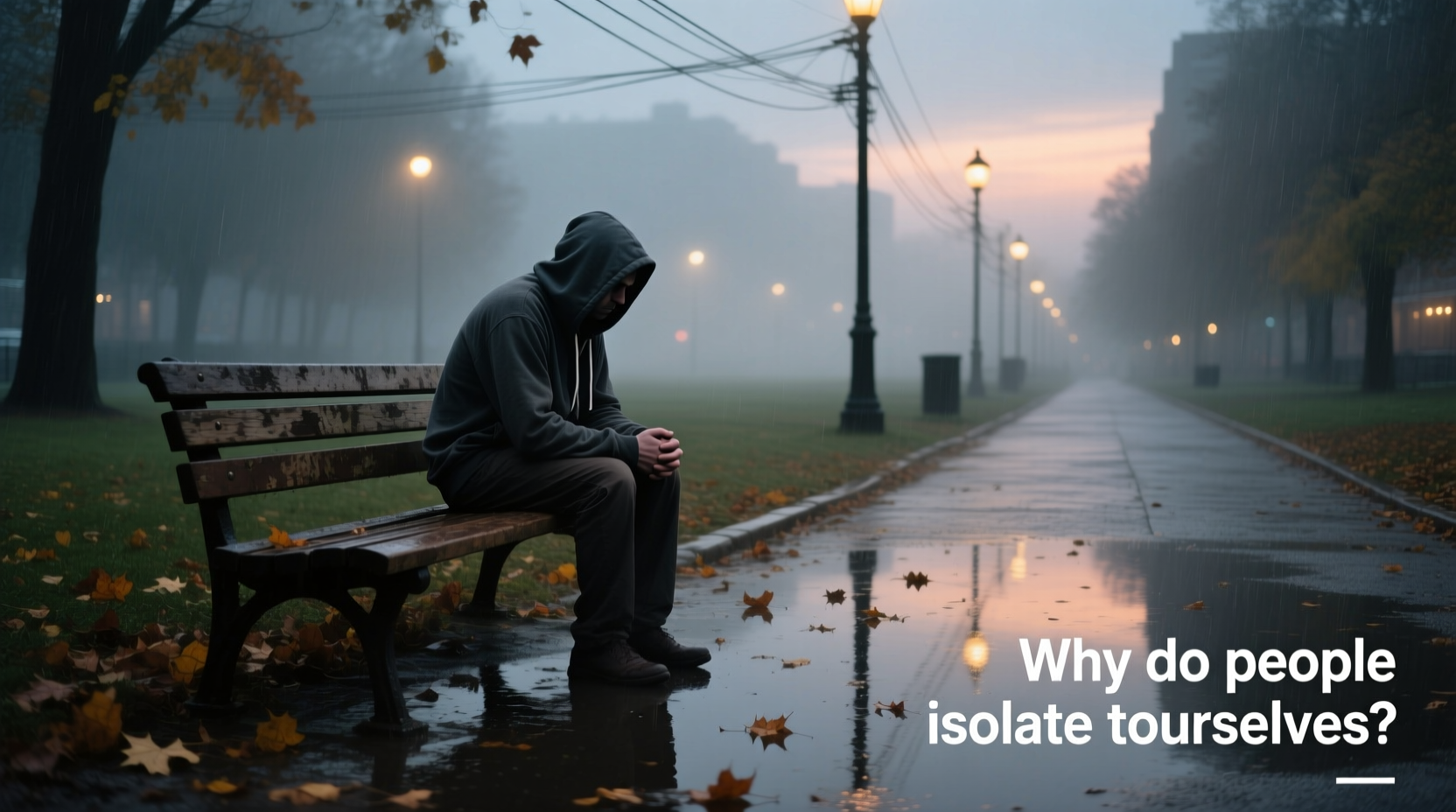
Self-isolation is not merely a physical act of staying alone—it’s often a coping mechanism in response to internal distress. The human brain is wired for connection; when that need is unmet or threatened, withdrawal can become a protective strategy. For some, isolation begins as a temporary refuge from stress, anxiety, or overstimulation. Over time, however, it may solidify into a pattern that reinforces loneliness and disconnection.
One key psychological driver is social anxiety. Individuals who fear judgment, rejection, or embarrassment may avoid interactions altogether. As Dr. Sarah Lin, a clinical psychologist specializing in anxiety disorders, explains:
“People don’t isolate because they dislike others—they isolate because they’re afraid of what might happen if they engage. It’s a survival response, not a character flaw.” — Dr. Sarah Lin, Clinical Psychologist
Other underlying conditions such as depression, trauma, or autism spectrum disorder can also contribute to withdrawal. In depression, low energy and feelings of worthlessness make socializing feel insurmountable. Trauma survivors may isolate to regain a sense of control after violation or betrayal. Meanwhile, neurodivergent individuals may retreat due to sensory overload or difficulties navigating unspoken social rules.
Common Triggers of Isolation
While the experience of isolation varies widely, certain life events and stressors frequently precede withdrawal. Recognizing these triggers can help identify when isolation shifts from healthy solitude to a cause for concern.
- Grief or loss: The death of a loved one can shatter one’s sense of belonging, leading to emotional retreat.
- Major life transitions: Moving, job loss, divorce, or retirement disrupt routines and social networks.
- Chronic illness or disability: Physical limitations or stigma may lead to reduced participation in social activities.
- Digital saturation: Paradoxically, constant online interaction can increase feelings of disconnection, prompting some to disconnect entirely.
- Cultural or familial expectations: In some environments, emotional expression is discouraged, pushing individuals inward.
Isolation vs. Solitude: Knowing the Difference
It’s essential to distinguish between chosen solitude and harmful isolation. Solitude is intentional and often rejuvenating—a chance to reflect, create, or recharge. Isolation, by contrast, tends to be involuntary, accompanied by feelings of emptiness, shame, or dread.
| Aspect | Solitude (Healthy) | Isolation (Harmful) |
|---|---|---|
| Motivation | Renewal, reflection, creativity | Fear, avoidance, numbness |
| Emotional State | Calm, centered, in control | Lonely, hopeless, anxious |
| Social Connection | Maintained; contact resumed willingly | Withdrawn; contact avoided |
| Duration | Temporary, purposeful | Prolonged, passive |
| Outcome | Increased clarity and well-being | Worsening mood, cognitive decline |
Understanding this distinction allows us to respond appropriately. Encouraging someone back into connection requires sensitivity—not pressure.
A Real-Life Perspective: Maria’s Story
Maria, a 34-year-old graphic designer, began withdrawing after her mother’s sudden passing. Initially, she told herself she just needed space to grieve. But weeks turned into months. She stopped answering calls, declined invitations, and worked from home without breaks. Her apartment became both sanctuary and prison.
“I didn’t want to burden anyone,” she shared in therapy. “Every text felt like an obligation. I was exhausted just thinking about pretending I was okay.”
Her turning point came when a former colleague left a care package at her door with a note: “No need to reply. Just know I’m here.” That small act of non-demanding kindness reopened the door to connection. With time and counseling, Maria learned to set boundaries while gradually re-engaging with trusted friends.
Maria’s story illustrates a crucial truth: isolation often persists not because people don’t want help, but because they feel unable to ask for it—or fear they’ll be misunderstood.
How to Support Someone Who Is Isolating
Supporting someone in isolation requires patience and emotional intelligence. Pushing too hard can reinforce their desire to withdraw. Instead, focus on consistent, low-pressure presence.
- Reach out gently: Send a brief message acknowledging their absence without guilt-tripping (“Thinking of you, no need to reply”).
- Offer specific help: Vague offers like “Let me know if you need anything” are rarely acted upon. Try, “Can I bring dinner Thursday?”
- Respect boundaries: If they decline, respond with warmth, not frustration. Say, “I understand. I’ll check in again next week.”
- Encourage professional support: Suggest therapy not as a fix, but as a space to explore feelings safely.
- Be patient: Rebuilding trust in relationships takes time. Celebrate small steps forward.
Checklist: Supporting a Loved One in Isolation
- ✔ Reach out regularly, even if unanswered
- ✔ Avoid judgmental language (“You should get out more”)
- ✔ Listen without rushing to solve
- ✔ Suggest joint activities that don’t require conversation (walks, errands)
- ✔ Educate yourself on depression, anxiety, or trauma
When to Seek Professional Help
Isolation becomes a serious concern when it interferes with daily functioning—neglecting hygiene, skipping meals, or expressing hopelessness. These signs may indicate clinical depression, PTSD, or other mental health conditions requiring intervention.
Warning signs include:
- Withdrawing from all forms of communication for extended periods
- Expressing beliefs like “No one would miss me” or “I’m a burden”
- Losing interest in previously enjoyed activities
- Noticeable changes in sleep, appetite, or energy levels
If these patterns persist for more than two weeks, professional evaluation is strongly recommended. Therapy, medication, or support groups can provide structure and relief.
FAQ
Is self-isolation always a sign of mental illness?
No. Temporary withdrawal during stressful periods is normal. However, persistent isolation that causes distress or impairs functioning may signal an underlying condition and warrants attention.
Can isolation physically affect your health?
Yes. Chronic loneliness is linked to increased risks of heart disease, weakened immunity, and cognitive decline. The body responds to social disconnection much like it does to physical threats.
What can I do if I’m isolating myself?
Start small: open the curtains, take a short walk, send one message. Consider journaling to understand your emotions. If isolation feels overwhelming, speaking with a therapist can provide clarity and support.
Taking the First Step Toward Connection
Isolation thrives in silence and shame. Breaking free begins with acknowledgment—either from within or through the compassionate outreach of others. Whether you're struggling with withdrawal or supporting someone who is, remember that healing doesn't require grand gestures. A single text, a quiet walk together, or simply sitting in shared presence can reignite the thread of connection.
Human beings are resilient. With empathy, education, and consistent support, isolation doesn’t have to be permanent. The path back to relationship starts not with fixing, but with seeing—and being seen.
💬 Your voice matters. If this resonated with you, share it with someone who might need to read it. Or leave a comment—your experience could be the lifeline another person is searching for.








