
Craving ice is more common than many realize. While chewing on ice cubes may seem like a harmless habit, persistent and intense cravings—especially during meals—can signal an underlying health condition. This specific craving, known medically as pagophagia, goes beyond mere preference. It’s often linked to nutritional deficiencies, particularly iron deficiency anemia, but can also stem from psychological or physiological triggers. Understanding why people crave ice during meals isn’t just about curiosity—it can be a vital clue to diagnosing and treating deeper health issues.
What Is Pagophagia?
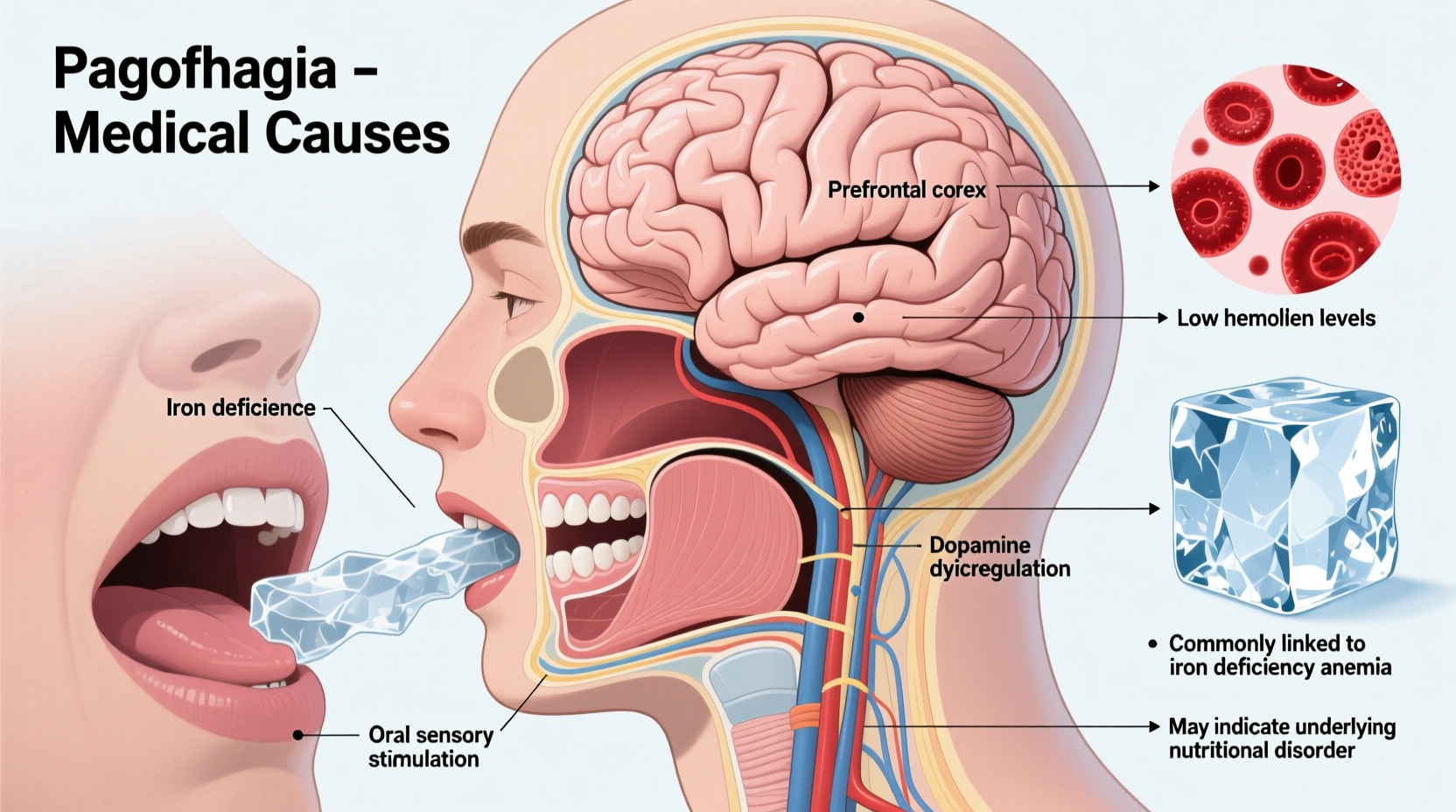
Pagophagia is a subtype of pica, a disorder characterized by the persistent consumption of non-nutritive substances. In this case, the substance is ice—pure, frozen water with no caloric or nutritional value. Unlike occasional ice-chewing, pagophagia involves a compulsive need to consume ice, often in large quantities throughout the day, especially during or after meals.
People with pagophagia don’t typically enjoy the taste of ice—they’re drawn to its texture, temperature, and the act of chewing itself. The relief or satisfaction they experience after chewing ice can be almost immediate, which reinforces the behavior. But unlike other forms of pica that involve eating dirt, chalk, or paper, pagophagia is unique because it doesn’t introduce harmful substances into the body—yet it still warrants medical attention due to its association with serious conditions.
Tip: If you find yourself reaching for ice constantly, especially when not thirsty, consider tracking how often it happens and whether it coincides with fatigue, dizziness, or pale skin—common signs of anemia.The Iron Deficiency Connection
The most well-documented medical cause of pagophagia is iron deficiency anemia. Multiple studies have shown a strong correlation between low serum ferritin levels (a marker of iron stores) and compulsive ice consumption. Though the exact mechanism remains under investigation, researchers believe that chewing ice may provide a temporary cognitive boost in individuals with iron-poor blood.
A 2014 study published in the journal Medical Hypotheses proposed that chewing ice increases alertness by triggering a “brain freeze” response, which constricts blood vessels and improves blood flow to the brain. For someone with anemia, whose brain may not receive adequate oxygen, this cooling effect could temporarily counteract mental sluggishness and brain fog.
“Patients with iron deficiency often report feeling more awake and focused while chewing ice. It’s not the ice itself they need—it’s the neurological feedback it provides.” — Dr. Jason Liu, Hematology Researcher, University of Toronto
This theory explains why many patients stop craving ice within days or weeks of starting iron supplementation—even before their hemoglobin levels fully normalize. The craving lifts because the brain no longer needs the stimulatory effect of cold-induced vasoconstriction.
Other Nutritional Deficiencies Linked to Ice Cravings
While iron deficiency is the primary suspect, other nutrient imbalances may contribute to or mimic pagophagia:
- Zinc deficiency: Though less studied, some reports suggest zinc imbalance may influence unusual cravings, including ice.
- Magnesium deficiency: Can lead to muscle cramps, fatigue, and altered sensory perception, possibly affecting oral behaviors.
- B-complex vitamins: Particularly B12 and folate, deficiencies in these can cause anemia and neurological symptoms that overlap with iron deficiency.
It’s important to note that while these deficiencies may coexist, they are rarely the sole cause of pagophagia without concurrent anemia.
Psychological and Behavioral Factors
Not all cases of ice craving are rooted in biology. For some, pagophagia is tied to stress, anxiety, or obsessive-compulsive tendencies. Oral fixation—a psychological need to keep the mouth occupied—is common in individuals with anxiety disorders or those undergoing high-stress periods.
In these cases, chewing ice serves as a coping mechanism, much like nail-biting or gum-chewing. The rhythmic motion provides sensory input that calms the nervous system. Over time, the behavior becomes habitual, persisting even after stressors are resolved.
Additionally, pagophagia can develop in individuals with developmental disorders such as autism spectrum disorder (ASD), where repetitive behaviors and sensory-seeking actions are more prevalent. In such cases, the focus shifts from medical correction to behavioral management and environmental support.
When Habits Mask Health Risks
Even if the root cause appears psychological, medical evaluation is essential. What starts as a stress-related habit can mask a developing deficiency. Conversely, correcting a deficiency may not immediately end the behavior if it has become ingrained over time.
Tip: Don’t assume ice-crunching is “just a habit.” If it’s frequent or interfering with daily life, consult a healthcare provider for blood tests and a full assessment.Who Is Most at Risk?
Certain populations are more prone to developing pagophagia due to higher rates of iron deficiency or increased physiological demands:
| Group | Risk Factors | Prevalence Notes |
|---|---|---|
| Pregnant Women | Increased blood volume, higher iron needs for fetal development | Up to 44% of pregnant women report pica behaviors, including ice cravings |
| Adolescent Girls | Menstrual blood loss, rapid growth, dietary restrictions | Peak onset age: 13–18 years |
| Individuals with GI Disorders | Celiac disease, Crohn’s, or gastric bypass reduce iron absorption | Chronic malabsorption increases deficiency risk |
| Vegans and Vegetarians | Plant-based iron (non-heme) is less absorbable than animal-based (heme) | Requires careful dietary planning and monitoring |
| People with Chronic Kidney Disease | Anemia of chronic disease, reduced erythropoietin production | Common comorbidity with pagophagia |
Recognizing these risk groups helps in early detection. Routine screening for iron status—especially ferritin levels—is recommended for anyone in these categories who exhibits unusual eating behaviors.
Diagnosis and Medical Evaluation
If you or someone you know is consuming ice excessively, the first step is a medical consultation. Diagnosis involves both clinical assessment and laboratory testing.
Step-by-Step Diagnostic Process
- Medical History Review: Doctors will ask about diet, menstrual patterns, gastrointestinal symptoms, and mental health history.
- Physical Examination: Signs like pallor, brittle nails, spoon-shaped nails (koilonychia), and tachycardia may point to anemia.
- Blood Tests:
- Serum ferritin (most sensitive marker for iron stores)
- Hemoglobin and hematocrit
- Mean corpuscular volume (MCV)
- Serum iron and total iron-binding capacity (TIBC)
- Differential Diagnosis: Rule out other causes of fatigue or pica, such as thyroid disorders, pregnancy, or psychiatric conditions.
- Treatment Trial: In unclear cases, a trial of iron supplementation may be used diagnostically—if ice cravings resolve, it supports an iron deficiency origin.
It’s crucial to avoid self-diagnosing or taking iron supplements without medical guidance. Excess iron can be toxic, especially in individuals with undiagnosed hemochromatosis or liver disease.
Treatment Approaches and Recovery Timeline
Effective treatment depends on identifying and addressing the root cause. When pagophagia stems from iron deficiency, the approach is twofold: correct the deficiency and manage the behavior.
Iron Repletion Strategies
- Oral Iron Supplements: Ferrous sulfate, ferrous gluconate, or ferrous fumarate are commonly prescribed. Best taken on an empty stomach with vitamin C to enhance absorption.
- Dietary Adjustments: Increase intake of heme iron sources (red meat, poultry, fish) and pair non-heme sources (spinach, lentils) with vitamin C-rich foods (citrus, bell peppers).
- Intravenous Iron: Used in cases of severe deficiency, malabsorption, or intolerance to oral iron.
Most patients notice a reduction in ice cravings within 5–7 days of starting effective iron therapy, often before lab values improve. Full recovery of iron stores may take 3–6 months.
Behavioral Support
For long-standing habits, behavioral strategies can help break the cycle:
- Replace ice-chewing with safer alternatives like sugar-free gum or crunchy vegetables.
- Practice mindfulness to recognize triggers (e.g., stress, boredom).
- Use habit-reversal training, especially if linked to anxiety or OCD.
“We’ve seen patients who chewed ice for years stop overnight once their iron levels were corrected. The body knows what it needs—and stops asking once it’s getting it.” — Dr. Lena Patel, Internal Medicine Specialist
Mini Case Study: Sarah’s Story
Sarah, a 28-year-old teacher, began craving ice heavily during lunch meetings. She carried a thermos filled with ice cubes, chewing constantly despite concerns from colleagues. She felt fatigued, had trouble concentrating, and noticed her heart racing during stairs.
After a routine check-up, her doctor ordered blood work. Results showed a serum ferritin of 8 ng/mL (normal: 15–150) and hemoglobin of 10.2 g/dL (low). She was diagnosed with iron deficiency anemia, likely due to heavy menstrual bleeding and a plant-based diet low in iron enhancers.
She started taking ferrous sulfate and added lean meats twice a week. Within four days, her ice cravings diminished. By week three, they were gone. Her energy improved, and follow-up labs at eight weeks showed normalized iron stores.
Sarah’s case illustrates how a simple habit can mask a treatable condition—and how timely intervention leads to rapid improvement.
Frequently Asked Questions
Is chewing ice bad for your teeth?
Yes. Chronic ice-chewing can lead to enamel erosion, cracked teeth, and damaged fillings. Dentists often recommend avoiding hard substances, especially for individuals with sensitive teeth or existing dental work.
Can you have pagophagia without being anemic?
Rarely. While most cases are linked to iron deficiency, some individuals report ice cravings during pregnancy or stress without confirmed anemia. However, low ferritin (even with normal hemoglobin) may still be present and worth investigating.
How much ice-chewing is too much?
There’s no set threshold, but if ice consumption interferes with eating, damages teeth, or feels uncontrollable, it should be evaluated. Daily, compulsive chewing lasting weeks or months is a red flag.
Action Checklist: What to Do If You Crave Ice
- Track your ice consumption: How many times a day? During meals? At night?
- Note any accompanying symptoms: fatigue, shortness of breath, paleness, dizziness.
- Schedule a doctor’s visit for a complete blood count (CBC) and iron panel.
- Review your diet: Are you getting enough iron-rich foods? Vitamin C?
- Consider mental health factors: Are you stressed, anxious, or using ice to cope?
- Follow medical advice: Do not self-treat with iron supplements without supervision.
- Explore alternatives: Try chilled cucumber slices or sugar-free gum if stopping is difficult.
Conclusion: Listen to Your Body’s Signals
Craving ice during meals isn’t just a quirky habit—it can be your body’s way of signaling a hidden deficiency or imbalance. Pagophagia is a surprisingly specific symptom with powerful diagnostic value. Ignoring it may delay treatment for conditions like iron deficiency anemia, which, if left untreated, can lead to heart problems, weakened immunity, and chronic fatigue.
On the other hand, recognizing the pattern early and seeking care can lead to fast, effective resolution. Whether the cause is nutritional, physiological, or psychological, understanding the root allows for targeted solutions. Don’t dismiss the crunch—investigate it.
💬 Have you or someone you know experienced ice cravings? Share your story in the comments—your experience could help others recognize the signs and seek help.