
Craving ice—specifically chewing on it with an almost compulsive need—is more common than many realize. While some dismiss it as a harmless habit or preference for cold textures, persistent ice cravings can signal an underlying physiological issue. Known medically as pagophagia, this form of pica (the craving and consumption of non-nutritive substances) often points to nutritional deficiencies, particularly iron deficiency anemia. But why would a lack of iron make someone want to chew ice? And when should a simple habit raise concern? This article explores the science, symptoms, risks, and solutions behind ice cravings, offering clarity for those who find themselves reaching for ice cubes long after their drink has melted.
The Science Behind Ice Cravings
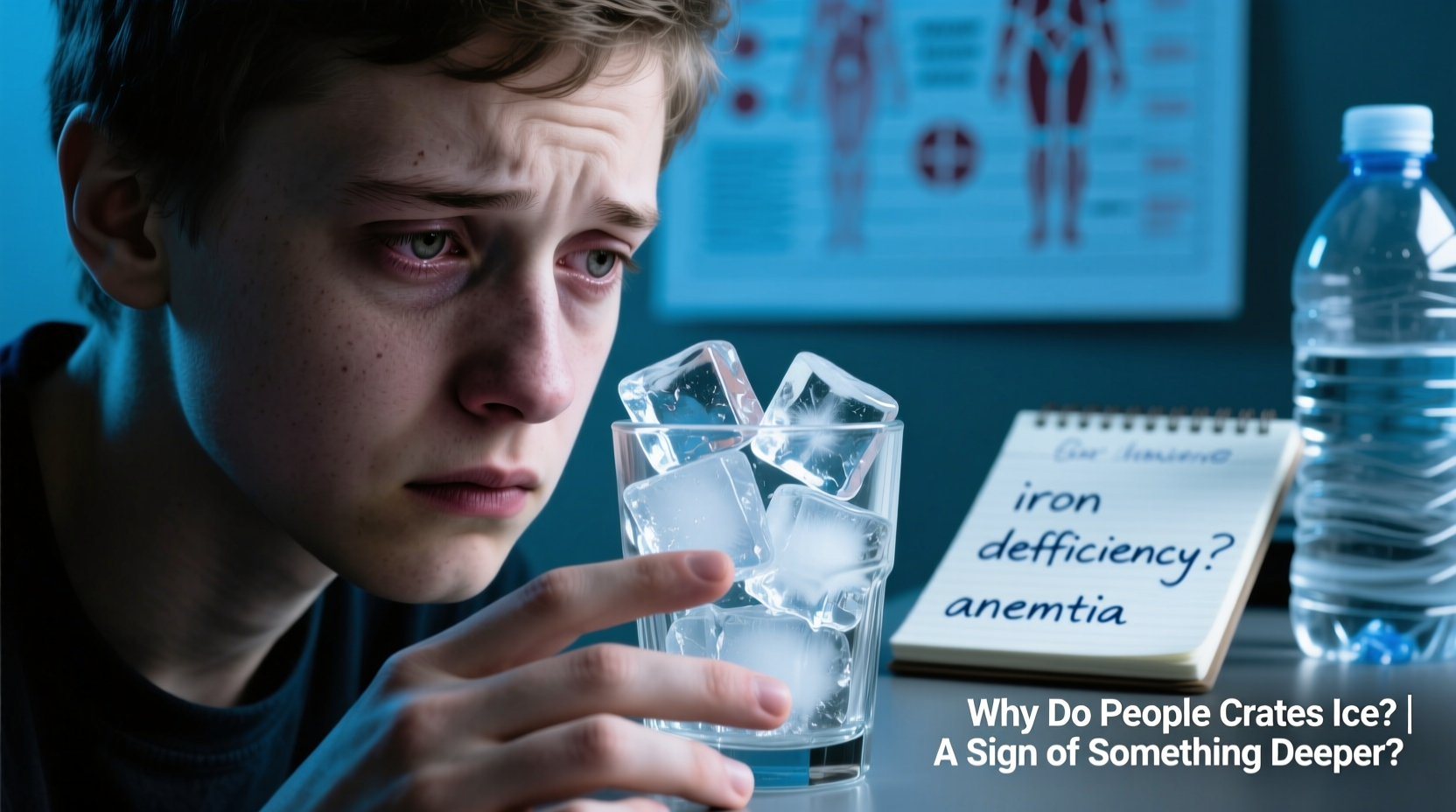
At first glance, ice seems like the most inert substance to crave—after all, it’s just frozen water. It provides no calories, nutrients, or flavor. Yet, for some individuals, the urge to chew ice is intense and difficult to resist. Research suggests this behavior isn't random but may be linked to neurochemical and physiological changes in the body.
One prominent theory centers on iron deficiency. A 2014 study published in the journal Medical Hypotheses proposed that chewing ice increases alertness in people with iron-deficiency anemia. The act of crunching ice may trigger a response in the brain known as the \"ice effect,\" which activates the autonomic nervous system and improves blood flow to the brain. For someone experiencing fatigue due to low iron, this temporary boost in mental clarity can become reinforcing—leading to habitual ice chewing.
Dr. Jason Freed, a hematologist at Harvard Medical School, explains:
“Patients with iron deficiency often report feeling more awake after chewing ice. We believe this is due to a cerebral vasoconstriction-relaxation cycle that enhances oxygen delivery to sluggish neural circuits.” — Dr. Jason Freed, Hematologist
This neurological feedback loop may not only explain the compulsion but also reinforce it, making it harder to stop even after meals or hydration needs are met.
Is Ice Craving a Sign of Iron Deficiency?
While not every person who chews ice has an iron problem, pagophagia is strongly associated with iron deficiency anemia. In fact, multiple clinical studies have found that treating iron deficiency often leads to the complete resolution of ice cravings within weeks.
Iron plays a crucial role in hemoglobin production—the protein in red blood cells that carries oxygen throughout the body. When iron levels drop, tissues receive less oxygen, leading to symptoms like fatigue, weakness, pale skin, dizziness, and shortness of breath. Chewing ice may serve as a subconscious coping mechanism to combat the brain fog and lethargy caused by poor oxygenation.
A 2020 review in the Journal of Clinical Medicine analyzed over 80 cases of pagophagia and found that 75% were linked to confirmed iron deficiency. Of those patients, 92% reported a significant reduction in ice cravings within one to two months of starting iron supplementation.
Tip: If you find yourself craving ice daily—especially if accompanied by fatigue, paleness, or brittle nails—consider asking your doctor for a complete blood count (CBC) and serum ferritin test.Other Possible Causes of Ice Cravings
While iron deficiency is the most well-documented cause, it’s not the only one. Several other medical and psychological factors may contribute to persistent ice chewing:
- Pregnancy: Hormonal shifts and increased iron demands during pregnancy can lead to temporary anemia and subsequent ice cravings.
- Mental Health Conditions: Pagophagia can occur in individuals with obsessive-compulsive disorder (OCD), autism spectrum disorder, or developmental disabilities.
- Gastrointestinal Disorders: Conditions like celiac disease or inflammatory bowel disease impair nutrient absorption, increasing the risk of iron deficiency.
- Dietary Restrictions: Vegans and vegetarians may be at higher risk of low iron if they don’t consume enough bioavailable iron sources.
- Chronic Kidney Disease: Anemia is common in kidney patients due to reduced erythropoietin production.
In rare cases, pagophagia may persist even after iron levels normalize, suggesting a behavioral or psychological component. Cognitive-behavioral therapy (CBT) has shown promise in helping individuals break the habit when it becomes compulsive.
When Ice Chewing Becomes Harmful
Occasional ice chewing is generally harmless. However, chronic and aggressive chewing can lead to dental complications. The extreme hardness of ice puts stress on tooth enamel, increasing the risk of:
- Enamel erosion
- Cracked or chipped teeth
- Damage to dental fillings or crowns
- Increased sensitivity to temperature
Dentists often notice signs of ice chewing during routine exams—microfractures, flattened molars, or worn-down edges. Left unchecked, these issues may require restorative procedures such as bonding, crowns, or root canals.
| Risk Factor | Short-Term Impact | Long-Term Consequences |
|---|---|---|
| Aggressive ice chewing | Tooth sensitivity, jaw pain | Cracked teeth, gum recession |
| Iron deficiency anemia | Fatigue, brain fog | Heart strain, weakened immunity |
| Untreated pagophagia | Habit reinforcement | Dental costs, social embarrassment |
Mini Case Study: Sarah’s Journey from Habit to Diagnosis
Sarah, a 32-year-old teacher from Portland, had been chewing ice for over five years. She kept a thermos filled with ice cubes at her desk and went through nearly a tray a day. “I thought I just liked the texture,” she said. “It helped me stay focused during long classes.”
After experiencing persistent fatigue and shortness of breath during a hiking trip, she visited her primary care physician. Blood work revealed a hemoglobin level of 9.8 g/dL (normal range: 12–16 g/dL) and a serum ferritin of 8 ng/mL (normal: 15–150 ng/mL)—indicating severe iron deficiency anemia.
Her doctor prescribed oral iron supplements and asked about unusual eating habits. When Sarah mentioned her ice chewing, the doctor nodded. “That’s a classic sign,” he said. Within six weeks of treatment, her energy returned—and so did the disappearance of her ice cravings.
“I didn’t realize how much mental fog I was living with until it lifted,” Sarah shared. “Now I barely think about ice.”
How to Address Ice Cravings: A Step-by-Step Guide
If you or someone you know is struggling with persistent ice cravings, taking proactive steps can uncover potential health issues and prevent complications. Follow this timeline to address the root cause:
- Week 1: Self-Assessment
- Track how often you chew ice—note triggers (e.g., fatigue, stress).
- Check for symptoms of anemia: tiredness, pale skin, dizziness, cold hands/feet.
- Week 2: Consult a Healthcare Provider
- Request a CBC and iron panel (including ferritin, transferrin saturation).
- Discuss diet, menstrual history (for women), and digestive health.
- Weeks 3–6: Begin Treatment (if needed)
- If diagnosed with iron deficiency, start prescribed supplements.
- Incorporate iron-rich foods: red meat, spinach, lentils, fortified cereals.
- Pair iron sources with vitamin C (e.g., oranges, bell peppers) to enhance absorption.
- Week 7 and Beyond: Monitor Progress
- Re-test iron levels as advised (usually after 8–12 weeks).
- Note changes in energy and ice cravings.
- Consider a dental check-up if chewing has been frequent.
Nutrition Tips to Support Iron Levels
Tip: Avoid drinking tea or coffee with meals—they contain tannins that inhibit iron absorption. Wait at least one hour after eating.FAQ: Common Questions About Ice Cravings
Can chewing ice cause anemia?
No, chewing ice does not cause anemia. Instead, it is typically a symptom of existing iron deficiency. The craving arises as a response to the body’s altered physiology, not as a cause of it.
Is it safe to chew ice if I’m not anemic?
Occasional ice chewing is generally safe for healthy individuals. However, frequent or forceful chewing increases the risk of dental damage. If the habit feels uncontrollable, it may be worth discussing with a dentist or doctor.
Are there alternatives to ice for oral stimulation?
Yes. If you enjoy the sensation of crunching, try frozen grapes, cucumber slices, or sugar-free frozen slush made from herbal tea. These provide texture without damaging teeth.
Final Checklist: What to Do If You Crave Ice
“Pagophagia should never be ignored. It’s one of the few pica behaviors with a clear diagnostic pathway.” — Dr. Lena Patel, Internal Medicine Specialist
- ✅ Track the frequency and context of your ice cravings
- ✅ Look for signs of fatigue, paleness, or shortness of breath
- ✅ Schedule a blood test to check iron and hemoglobin levels
- ✅ Review your diet for iron-rich foods and absorption inhibitors
- ✅ Visit a dentist to assess tooth wear from chewing
- ✅ Follow up with your doctor after starting treatment
Conclusion: Listen to Your Body’s Signals
Craving ice may seem trivial, but it can be a powerful indicator of what’s happening beneath the surface. The human body often communicates imbalances through subtle cues—changes in appetite, energy, or sensory preferences. Pagophagia is one such signal, frequently pointing to iron deficiency, though it can also intersect with mental health and chronic illness.
By paying attention to this habit—not dismissing it as mere preference—you open the door to early diagnosis and effective treatment. Whether it’s adjusting your diet, taking supplements, or seeking behavioral support, addressing the root cause can restore both physical health and peace of mind.
💬 Have you experienced ice cravings? Did testing reveal an underlying condition? Share your story in the comments—your experience could help someone else recognize the signs and take action.








