
Tooth pain that intensifies after bedtime is a surprisingly common complaint. Many people report that discomfort they barely notice during the day becomes unbearable once their head hits the pillow. This isn't just in your imagination—biological and environmental factors combine to amplify dental pain at night. Understanding the root causes and knowing how to respond can make the difference between restless nights and restful recovery.
Why Pain Feels Worse After Dark
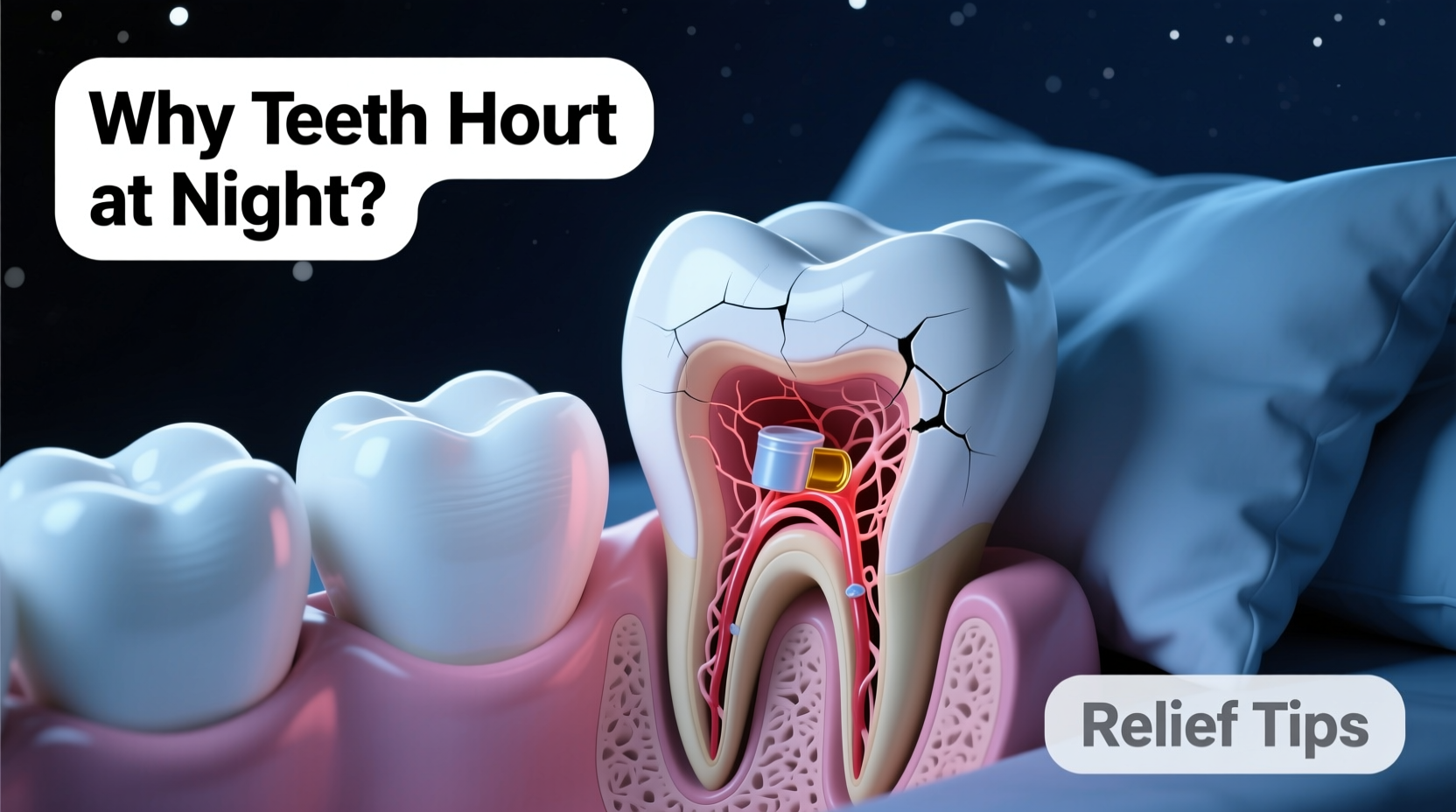
The human body undergoes subtle changes in posture, blood flow, and sensory focus as it prepares for sleep. When lying down, increased blood flow to the head can elevate pressure in inflamed areas, including infected or damaged teeth. This positional change often intensifies throbbing sensations. Additionally, daytime distractions—work, conversations, ambient noise—help mask discomfort. At night, with fewer stimuli, the brain focuses more acutely on persistent pain signals.
Stress and clenching also play a role. Many people grind their teeth or clench their jaws unconsciously during sleep (a condition known as bruxism), which places continuous pressure on teeth and surrounding nerves. Over time, this contributes to sensitivity, cracked enamel, and even temporomandibular joint (TMJ) strain—all of which may flare up at night.
Tip: Elevate your head slightly with an extra pillow to reduce blood pooling in the head and ease pressure-related tooth pain.Common Causes of Nighttime Tooth Pain
Nighttime dental pain rarely appears without an underlying issue. Some of the most frequent culprits include:
- Dental decay (cavities): Untreated cavities expose the inner pulp of the tooth, where nerves reside. Lying down increases pressure, worsening the ache.
- Infected pulp (tooth abscess): A bacterial infection inside the tooth leads to pus buildup. The resulting pressure causes severe, throbbing pain that worsens when horizontal.
- Gum disease (gingivitis or periodontitis): Inflamed gums can become more sensitive at night due to reduced saliva production and increased bacterial activity.
- Cracked or broken teeth: Microfractures may not hurt during chewing but expand slightly under pressure when lying down, irritating nerves.
- Impacted wisdom teeth: These molars often emerge partially or sideways, creating pockets where bacteria accumulate, leading to nighttime swelling and pain.
- Sinus congestion: Maxillary sinuses sit just above the upper molars. When clogged due to allergies or infection, pressure mimics tooth pain—often worse when lying flat.
“Nighttime tooth pain is often a red flag. It suggests active inflammation or infection that needs evaluation.” — Dr. Alan Kim, Endodontist
Immediate Relief Strategies at Home
While professional care is essential for long-term resolution, several at-home methods can offer temporary relief until you see a dentist:
- Rinse with warm salt water: Mix ½ teaspoon of salt in 8 oz of warm water. Swish gently for 30 seconds to reduce inflammation and flush debris.
- Use a cold compress: Apply ice wrapped in a cloth to the outside of your cheek for 15 minutes to numb pain and reduce swelling.
- Take over-the-counter pain relievers: Ibuprofen (Advil) or acetaminophen (Tylenol) can help manage pain and inflammation. Follow dosage instructions carefully.
- Apply clove oil: Dab a small amount of clove oil (eugenol) on a cotton ball and hold it near the painful tooth. Clove oil has natural analgesic and antibacterial properties.
- Avoid triggers: Stay away from hot, cold, or sugary foods and drinks before bed, as these can aggravate exposed nerves.
| Remedy | Effectiveness | Duration of Relief |
|---|---|---|
| Warm salt rinse | Moderate | 30–60 minutes |
| Cold compress | High (for swelling) | 1–2 hours |
| OTC painkillers | High | 4–6 hours |
| Clove oil | Moderate | 30–90 minutes |
| Elevating head | Low to moderate | Throughout night |
When to See a Dentist—and What to Expect
Home remedies are not substitutes for professional diagnosis. If your tooth pain lasts more than 1–2 days, wakes you up regularly, or is accompanied by fever, swelling, or foul taste, schedule a dental visit immediately. Delaying treatment can lead to serious complications like abscess spread, bone loss, or systemic infection.
During your appointment, the dentist will likely:
- Examine the affected area visually and with gentle tapping (percussion test).
- Take X-rays to assess decay depth, abscess presence, or bone involvement.
- Perform a pulp vitality test using cold or electric stimuli to determine nerve health.
Treatment depends on the diagnosis:
- Cavity: Filling or crown placement.
- Infected pulp: Root canal therapy followed by restoration.
- Cracked tooth: Bonding, crown, or extraction if severe.
- Bruxism: Custom night guard to protect teeth.
Mini Case Study: Sarah’s Late-Night Molar Pain
Sarah, a 34-year-old teacher, began experiencing sharp pain in her lower right molar only at night. She tried OTC painkillers with limited success. After two weeks of disrupted sleep, she visited her dentist. An X-ray revealed a deep cavity reaching the pulp, causing chronic inflammation. Because the pain was positional and persistent, the dentist diagnosed irreversible pulpitis. Sarah underwent a root canal and received a crown. Within days, her nighttime pain disappeared. Her case illustrates how seemingly minor daytime discomfort can signal significant internal damage.
Prevention Checklist for Long-Term Oral Health
Preventing nighttime tooth pain starts with consistent daily habits. Use this checklist to reduce risk:
Checklist: Prevent Nighttime Tooth Pain- Brush twice daily with fluoride toothpaste
- Floss every evening before bed
- Use an antibacterial mouthwash if prone to gum issues
- Wear a night guard if you grind your teeth
- Schedule dental checkups every 6 months
- Avoid excessive sugar and acidic drinks
- Stay hydrated to maintain protective saliva flow
Frequently Asked Questions
Can sinus infections cause tooth pain at night?
Yes. The roots of upper molars are close to the maxillary sinuses. When sinuses fill with fluid due to infection or allergies, pressure increases—especially when lying down—mimicking toothache. The pain is usually dull and affects multiple upper teeth, often accompanied by nasal congestion.
Is it safe to ignore occasional nighttime tooth pain?
No. Even intermittent pain can indicate early decay, micro-cracks, or reversible pulp inflammation. Left untreated, these conditions progress to irreversible damage requiring more invasive procedures. Early intervention saves time, money, and discomfort.
Why does cold help but heat make it worse?
Cold constricts blood vessels and numbs nerve endings, providing temporary relief. Heat, however, increases blood flow and pressure within the confined space of a tooth, exacerbating pain—especially if infection is present.
Conclusion: Take Control of Your Nighttime Discomfort
Nighttime tooth pain is not something to endure. It’s a symptom demanding attention. Whether caused by decay, infection, grinding, or sinus issues, identifying the source early prevents escalation and restores restful sleep. Combine smart home care with timely professional visits to protect your smile and overall well-being. Don’t wait for pain to dictate your next move—proactive oral hygiene and regular dental exams are your best defense.
💬 Have you experienced worsening tooth pain at night? Share your story or tips in the comments—your insight could help someone find relief faster.








