Peeling nails are more than just a cosmetic nuisance—they can be a sign of deeper imbalances in your body or daily routines. While occasional splitting may seem harmless, persistent peeling often points to underlying issues ranging from nutritional gaps to chemical exposure. Understanding the root causes is the first step toward building stronger, more resilient nails. This article explores the science behind nail structure, identifies common triggers of peeling, and offers practical solutions grounded in dermatology and nutrition.
The Anatomy of Healthy Nails
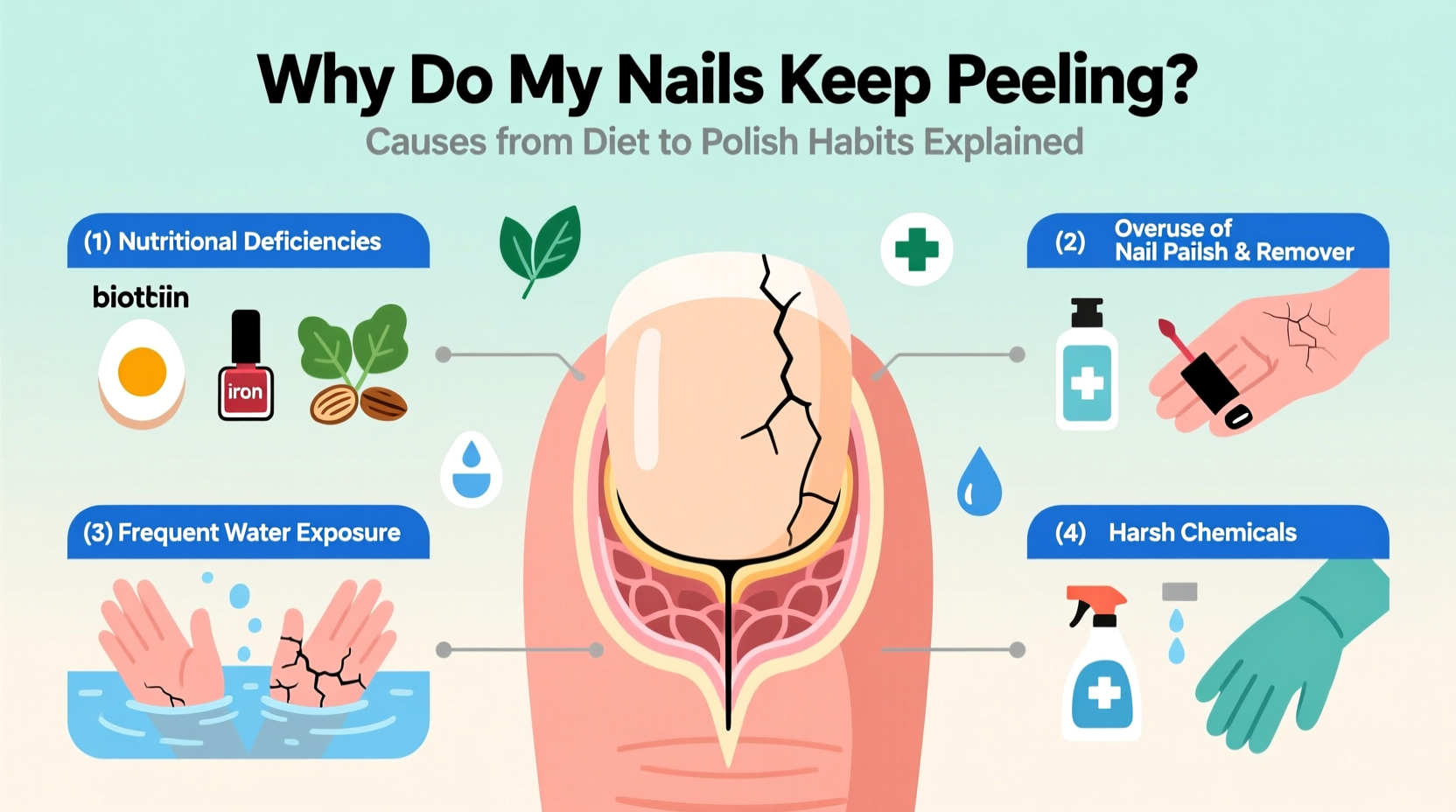
Nails are made primarily of keratin, a tough protein also found in hair and skin. A healthy nail consists of several key parts: the nail plate (the visible hard surface), the nail bed (the skin beneath), the cuticle (protective barrier at the base), and the matrix (where new nail cells form). The strength and flexibility of your nails depend on proper hydration, structural integrity, and consistent cell production.
When layers of the nail plate begin to separate horizontally—a condition known as onychoschizia—peeling occurs. Unlike vertical splits, which may result from trauma, horizontal peeling typically reflects internal or environmental stressors. Factors such as moisture imbalance, nutrient deficiency, and repeated exposure to harsh chemicals disrupt the bonds between keratin layers, leading to flaking and delamination.
“Nail changes are often the first visible clue of systemic health issues. Dermatologists routinely examine nails during consultations because they reflect overall well-being.” — Dr. Lena Patel, Board-Certified Dermatologist
Dietary Deficiencies That Weaken Nails
Your nails are metabolic indicators. When essential nutrients are lacking, the body prioritizes vital organs over non-critical tissues like hair and nails. Over time, this leads to brittleness, ridges, and peeling.
Key nutrients for nail health include:
- Protein: Keratin synthesis depends on adequate amino acid supply. Low protein intake weakens the nail matrix.
- Biotin (Vitamin B7): Supports keratin infrastructure. Studies show biotin supplementation improves thickness in people with brittle nails.
- Iron: Iron-deficiency anemia is strongly linked to koilonychia (spoon-shaped nails) and increased fragility.
- Zinc: Essential for cell division and repair. Deficiency can delay nail growth and increase susceptibility to damage.
- Omega-3 Fatty Acids: Help maintain moisture in the nail bed and reduce inflammation that affects growth.
- Vitamin C: Required for collagen formation, which supports the nail bed’s structural integrity.
A 2020 study published in the Journal of the American Academy of Dermatology found that nearly 34% of women with chronic nail peeling had suboptimal levels of biotin or iron. Correcting these deficiencies led to measurable improvement within 6–8 weeks.
Common Nail Care Habits That Cause Damage
Even with perfect nutrition, poor nail care practices can undermine strength. Many everyday behaviors silently degrade nail integrity over time.
Excessive Use of Acetone-Based Removers
Acetone strips natural oils from the nail plate, leaving it dehydrated and prone to layer separation. Frequent use—especially without moisturizing afterward—accelerates peeling.
Over-Filing and Aggressive Manicures
Using coarse files or shaping nails into sharp points creates weak spots. The sides of the nail become vulnerable to catching and peeling. Always file in one direction with a fine-grit buffer (180+ grit).
Skipping Base Coat Protection
Colorants in some polishes, particularly reds and dark shades, contain pigments that stain and dry out nails. Applying polish directly to bare nails increases porosity and weakening. A good base coat acts as a sealant.
Water Exposure Without Protection
Constant wetting and drying—common among dishwashers, swimmers, or healthcare workers—causes nails to swell and contract repeatedly. This expansion-contraction cycle breaks down keratin layers.
| Habit | Impact on Nails | Recommended Alternative |
|---|---|---|
| Daily acetone use | Dehydration, thinning, peeling | Non-acetone remover; limit to once weekly |
| Harsh scrubbing under nails | Lifts cuticle, exposes matrix to infection | Gentle brushing with soft nail brush |
| Leaving polish on >7 days | Traps moisture, promotes fungal risk | Change every 5–7 days; take breaks |
| Peeling off gel polish | Removes top nail layer with polish | Soak off properly using foil wraps |
“I’ve seen patients lose up to 30% of their nail thickness after forcibly peeling off gel manicures. It’s like tearing off layers of skin—it takes months to recover.” — Dr. Marcus Tran, Clinical Dermatologist
Environmental and Medical Contributors
Beyond diet and habits, external factors and health conditions play a significant role.
Frequent Hand Sanitizer Use
Alcohol-based sanitizers, while necessary for hygiene, are extremely drying. Combined with hand washing, they strip protective lipids from both skin and nails. Carry a travel-sized hand cream and apply immediately after sanitizing.
Cold, Dry Climates
Low humidity environments cause nails to lose moisture rapidly. Indoor heating exacerbates the problem. Using gloves outdoors and applying cuticle oil twice daily helps retain hydration.
Thyroid Disorders
Hypothyroidism slows metabolism, including nail cell turnover. This results in thin, brittle nails that easily peel. If fatigue, weight gain, or hair loss accompany nail changes, consult your doctor for thyroid testing.
Psoriasis and Fungal Infections
Nail psoriasis causes pitting, discoloration, and crumbling. Fungal infections lead to thickening and layer separation. Both require medical diagnosis and treatment—over-the-counter remedies often fail.
Tip: Wear cotton-lined gloves when cleaning or doing dishes to protect nails from prolonged water and detergent exposure.Step-by-Step Guide to Stronger Nails
Repairing peeling nails requires consistency and targeted action. Follow this 8-week plan to rebuild strength and prevent future damage.
- Week 1–2: Eliminate Harmful Practices
- Stop peeling off polish—always remove with proper soaking.
- Switch to non-acetone remover.
- Wear gloves during wet work.
- Week 3–4: Optimize Nutrition
- Add a biotin supplement (2.5–5 mg/day) after consulting your physician.
- Eat protein-rich meals (eggs, chicken, legumes) at least twice daily.
- Include iron sources like spinach, lentils, and fortified cereals.
- Week 5–6: Begin Topical Treatment
- Apply a strengthening base coat with calcium or hydrolyzed wheat protein.
- Massage vitamin E or jojoba oil into cuticles nightly.
- Use a nail hardener sparingly—no more than twice weekly—to avoid over-drying.
- Week 7–8: Monitor Progress and Adjust
- Take photos of your nails weekly to track improvement.
- If no change occurs, consider blood tests for iron, zinc, and thyroid function.
- Consult a dermatologist if signs of infection or psoriasis appear.
Mini Case Study: Recovering From Chronic Peeling
Sarah, a 32-year-old nurse, came to a dermatology clinic complaining of nails that peeled constantly, especially after shifts. She frequently washed her hands and used sanitizer, wore artificial nails monthly, and often removed them by peeling. Despite using expensive polishes, her nails worsened over two years.
After evaluation, her doctor identified three main causes: chronic dehydration from hand hygiene, mechanical damage from improper removal, and early signs of iron deficiency (confirmed by blood test).
Sarah followed the 8-week protocol: she stopped wearing gels, began taking a low-dose iron supplement, applied cuticle oil after every hand wash, and wore gloves during procedures. Within ten weeks, peeling reduced significantly. By week 12, her nails were smooth and strong enough to grow past the fingertips without breaking.
Checklist for Healthier Nails
Use this actionable checklist to assess and improve your nail care routine:
- ✅ Avoid peeling off any type of polish
- ✅ Limit acetone use to once every 10–14 days
- ✅ Apply cuticle oil daily (jojoba or vitamin E)
- ✅ Wear gloves when cleaning or handling water for long periods
- ✅ Eat a protein-rich breakfast every day
- ✅ Take a multivitamin with biotin and zinc (if not contraindicated)
- ✅ File nails gently in one direction only
- ✅ Give nails a 3–5 day break between polish applications
- ✅ Stay hydrated—drink at least 2 liters of water daily
- ✅ Schedule a dermatology visit if peeling persists beyond 3 months
FAQ: Common Questions About Peeling Nails
Can drinking more water fix peeling nails?
While internal hydration supports overall tissue health, drinking water alone won’t stop peeling. Nails are mostly dead keratin and don’t absorb water like skin. However, systemic dehydration can impair new nail growth. Combine adequate water intake with topical moisturizers for best results.
Is it bad to use nail hardeners regularly?
Yes. Most nail hardeners contain formaldehyde or methanol, which can make nails stiffer but more brittle over time. Overuse dries out the nail plate and increases the risk of cracking. Use no more than twice a week and always follow with oil.
Do gel manicures ruin your nails?
They don’t have to—but improper application and removal do. UV-cured gels themselves aren’t inherently damaging, but the filing required for adhesion and the temptation to peel them off cause harm. When done professionally and removed by soaking, risks are minimal. The biggest danger is overuse without recovery time.
Conclusion: Build Resilience From Within and Outside
Peeling nails are rarely caused by a single factor. They emerge at the intersection of lifestyle, nutrition, and self-care habits. By addressing both internal needs—like protein and micronutrient intake—and external stressors—such as chemical exposure and mechanical trauma—you create the conditions for lasting nail strength.
Progress takes time. New nail growth moves slowly, about 3 millimeters per month. Patience and consistency are essential. Start today by replacing one harmful habit with a nourishing alternative. Whether it’s switching removers, adding a daily serving of eggs, or simply massaging in oil before bed, small actions compound into visible change.
🚀 Your nails are capable of healing. Commit to one improvement this week, track your progress, and share your journey with others facing the same struggle. Real change begins with awareness—and you’ve already taken the first step.








