
Peeling nails are more than just a cosmetic concern—they can signal underlying health issues or daily habits that weaken nail structure. If you've noticed your nails splitting, flaking, or peeling at the edges, you're not alone. Millions of people struggle with brittle, fragile nails due to environmental exposure, nutritional gaps, or improper care routines. The good news is that most cases are reversible with targeted changes. Understanding the root causes and applying consistent, gentle fixes can restore strength and resilience to your nails over time.
Common Causes of Peeling Nails
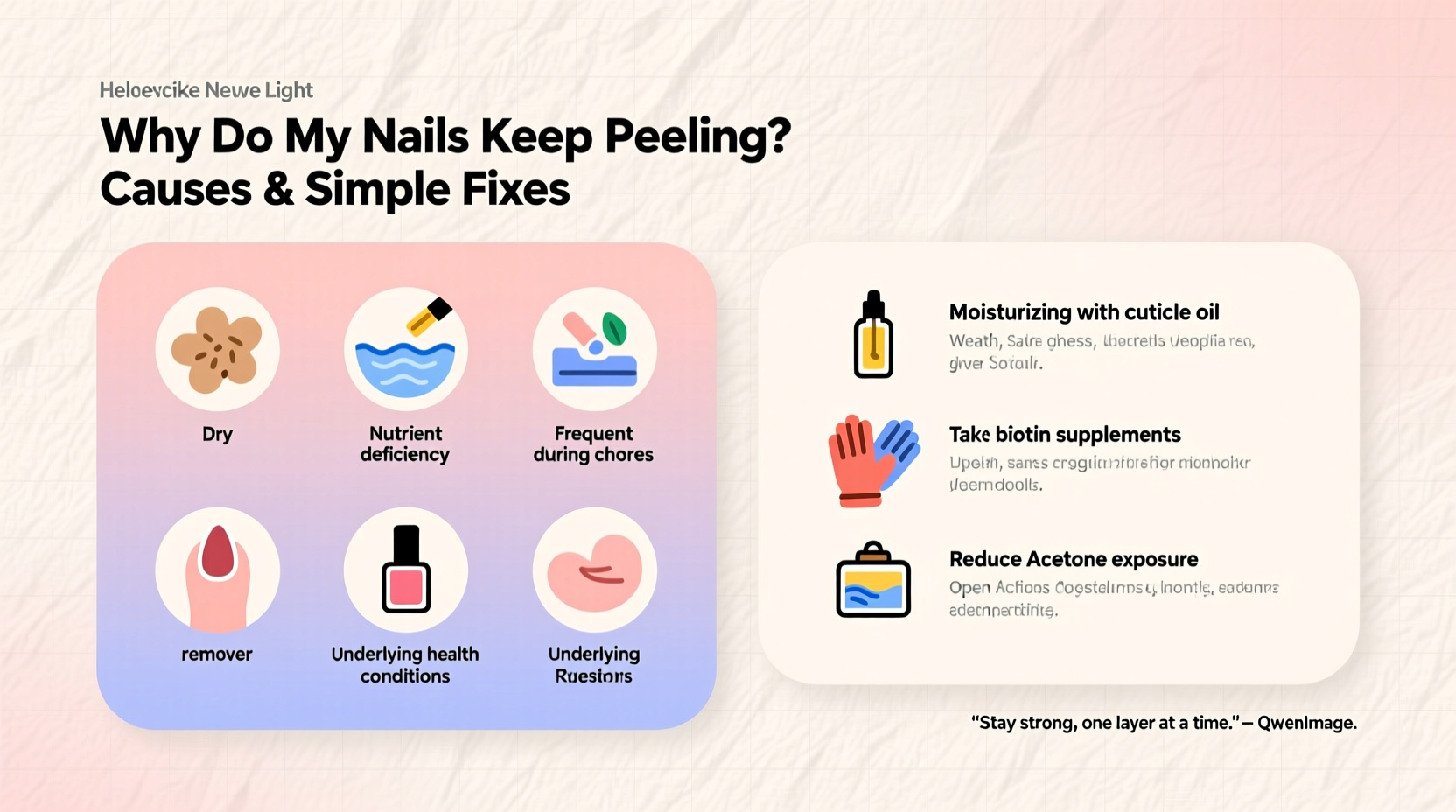
Nail peeling rarely happens without reason. While occasional damage from trauma or excessive filing may cause minor splits, recurring peeling usually stems from deeper factors. Identifying these triggers is the first step toward lasting improvement.
- Dryness and dehydration: Just like skin, nails need moisture. Frequent handwashing, exposure to harsh soaps, and low-humidity environments strip natural oils, leaving nails brittle and prone to layer separation.
- Overuse of nail polish remover: Acetone-based removers dissolve not only polish but also essential keratin in the nail plate, weakening its integrity over time.
- Nutritional deficiencies: Lack of key nutrients such as biotin, iron, zinc, vitamin B12, and protein compromises nail growth and durability.
- Excessive water exposure: Prolonged contact with water—like dishwashing or swimming—causes nails to swell and contract, leading to delamination (peeling in layers).
- Frequent gel or acrylic manicures: Repeated application and aggressive removal damage the nail bed and thin the nail plate, increasing vulnerability to peeling.
- Underlying health conditions: Thyroid disorders, psoriasis, fungal infections, and anemia can manifest through nail changes, including peeling and ridges.
Do’s and Don’ts: Nail Care Habits That Matter
Small daily choices have a major impact on nail health. The following table outlines common behaviors and their effects, helping you adjust habits for stronger, less peeling nails.
| Do’s | Don’ts |
|---|---|
| Wear gloves when washing dishes or cleaning | Use nails as tools (e.g., opening cans or bottles) |
| Apply a nourishing cuticle oil daily | Peel off gel polish or let it chip completely before removal |
| Keep nails trimmed short to reduce snagging | Soak hands in water for extended periods |
| Use acetone-free nail polish remover | File nails back and forth—always file in one direction |
| Moisturize hands and nails after washing | Ignore signs of discoloration or thickening (possible fungal infection) |
“Healthy nails start with hydration and protection. Think of them like delicate fabric—constant friction and dryness will fray the edges.” — Dr. Lena Patel, Dermatologist & Nail Health Specialist
Step-by-Step Guide to Strengthening Peeling Nails
Rebuilding nail strength takes patience and consistency. Follow this six-week timeline to gradually improve nail condition using safe, effective methods.
- Week 1: Assess and Protect
Stop all gel or acrylic applications. Begin wearing cotton-lined rubber gloves during wet chores. Switch to an acetone-free nail polish remover. Take note of any pain, discoloration, or thickening beneath the nail. - Week 2: Hydrate Daily
Apply a blend of jojoba or almond oil to nails and cuticles twice a day—morning and night. After handwashing, immediately apply a thick hand cream containing shea butter or ceramides. - Week 3: Optimize Filing Technique
Use a fine-grit glass or crystal nail file. Shape nails in one direction only, avoiding sawing motions. Round the tips slightly to prevent catching and peeling. - Week 4: Evaluate Diet
Incorporate biotin-rich foods like eggs, nuts, sweet potatoes, and whole grains. Consider a blood test to check for iron or vitamin B12 deficiency if fatigue or paleness accompanies nail issues. - Week 5: Introduce a Nail Strengthener (Optional)
Choose a breathable, non-toxic formula with ingredients like calcium, hydrolyzed wheat protein, or panthenol. Apply every other day, allowing nails to rest between coats. - Week 6: Monitor Progress
Take photos of your nails weekly to track improvements. If peeling persists despite care, consult a dermatologist to rule out medical causes.
Real-Life Example: How Sarah Fixed Her Peeling Nails
Sarah, a 34-year-old nurse from Portland, struggled with severely peeling nails for over two years. Her job required frequent handwashing and glove use, which left her nails thin and layered. Despite trying multiple “strengthening” polishes, her condition worsened until small pieces would break off daily.
After consulting a dermatologist, she learned that constant water exposure and lack of moisture were the primary culprits. She began wearing nitrile gloves under her work gloves, applied a urea-based hand cream at night, and started taking a daily biotin supplement. Within eight weeks, her nails stopped peeling. By week 12, they had grown out strong enough to tolerate a light polish without damage.
Her experience highlights a crucial point: commercial nail hardeners often contain formaldehyde, which can make nails more brittle over time. The real solution was protection, hydration, and internal support—not another coat of polish.
Nutrition and Supplements: Fueling Nail Growth from Within
Your nails are made of keratin, a protein that relies on specific nutrients for healthy production. Even with perfect external care, poor nutrition can undermine progress.
Biotin (vitamin B7) is perhaps the most well-known supplement for nail health. A 2017 study published in *Skin Appendage Disorders* found that participants who took 2.5 mg of biotin daily for six months experienced a 25% increase in nail thickness and reduced splitting.
Other critical nutrients include:
- Iron: Deficiency leads to koilonychia (spoon-shaped nails) and brittleness.
- Zinc: Supports cell regeneration and helps repair damaged nail tissue.
- Vitamin C: Essential for collagen formation, which strengthens the nail matrix.
- Omega-3 fatty acids: Improve hydration and reduce inflammation around the cuticle.
- Protein: Since nails are primarily protein, inadequate intake slows growth and weakens structure.
If you suspect a deficiency, ask your doctor for a full iron panel, complete blood count (CBC), and vitamin D/B12 levels. Self-supplementing without testing can mask underlying issues or lead to imbalances.
When to See a Doctor
Most peeling nails respond to lifestyle adjustments. However, certain symptoms warrant professional evaluation:
- Nails that peel deeply into the nail bed or cause pain
- Discoloration (yellow, green, or black streaks)
- Thickened or crumbling nails
- Peeling accompanied by hair loss, fatigue, or cold intolerance
- Symmetrical peeling on both hands without obvious cause
These could indicate thyroid disease, psoriasis, lichen planus, or a fungal infection—all requiring targeted treatment. Topical antifungals or prescription medications may be necessary in persistent cases.
FAQ: Common Questions About Peeling Nails
Can drinking more water help peeling nails?
While systemic hydration supports overall health, drinking water alone won’t fix peeling nails. External moisture is more critical. Pair adequate fluid intake with topical oils and protective barriers for best results.
Is it bad to peel layers off my nail?
Yes. Peeling layers manually damages the underlying nail and exposes sensitive tissue. Instead, gently file down lifted sections and apply a protective oil to prevent further separation.
How long does it take for peeling nails to heal?
Nails grow slowly—about 3 mm per month. With consistent care, visible improvement typically appears in 6–8 weeks. Full recovery may take 3–6 months, depending on the severity and cause.
Final Checklist for Healthier Nails
Use this actionable checklist to build a sustainable nail care routine:
- ☑ Wear gloves during wet tasks (cleaning, dishwashing)
- ☑ Switch to acetone-free nail polish remover
- ☑ Apply cuticle oil morning and night
- ☑ File nails in one direction with a fine-grit file
- ☑ Eat a balanced diet rich in protein, iron, and vitamins
- ☑ Avoid using nails as tools
- ☑ Moisturize hands after every wash
- ☑ Limit gel manicures to special occasions
- ☑ Track changes and consult a doctor if no improvement in 8 weeks
Conclusion: Small Changes, Lasting Results
Peeling nails don’t have to be a permanent frustration. With mindful habits and a little patience, you can rebuild strength and prevent future damage. The key is consistency—protecting your nails from stressors, feeding them the nutrients they need, and treating them with the same care you give your skin. Start today by swapping out harsh products, adding a drop of oil to your routine, and paying attention to how your body responds. Over time, you’ll notice fewer splits, smoother surfaces, and greater confidence in your natural nails.
💬 Have you overcome peeling nails? Share your story or tip in the comments—your experience could help someone else find relief.








