
Nails that chip, split, or peel easily can be more than just a cosmetic annoyance—they may signal deeper issues with your health, habits, or environment. While occasional breakage is normal, especially during seasonal changes or after exposure to water and chemicals, persistent fragility often points to preventable causes or underlying conditions. Understanding the root reasons behind weak nails empowers you to take meaningful action, whether it's adjusting your routine or seeking medical advice.
The structure of your nails—composed primarily of keratin, a tough protein—makes them resilient under optimal conditions. But when moisture balance is disrupted, trauma occurs regularly, or nutritional gaps exist, the integrity of your nails begins to decline. This article explores the most common causes of nail breakage, practical strategies for strengthening them, and clear indicators that it’s time to consult a healthcare provider.
Common Causes of Nail Breakage
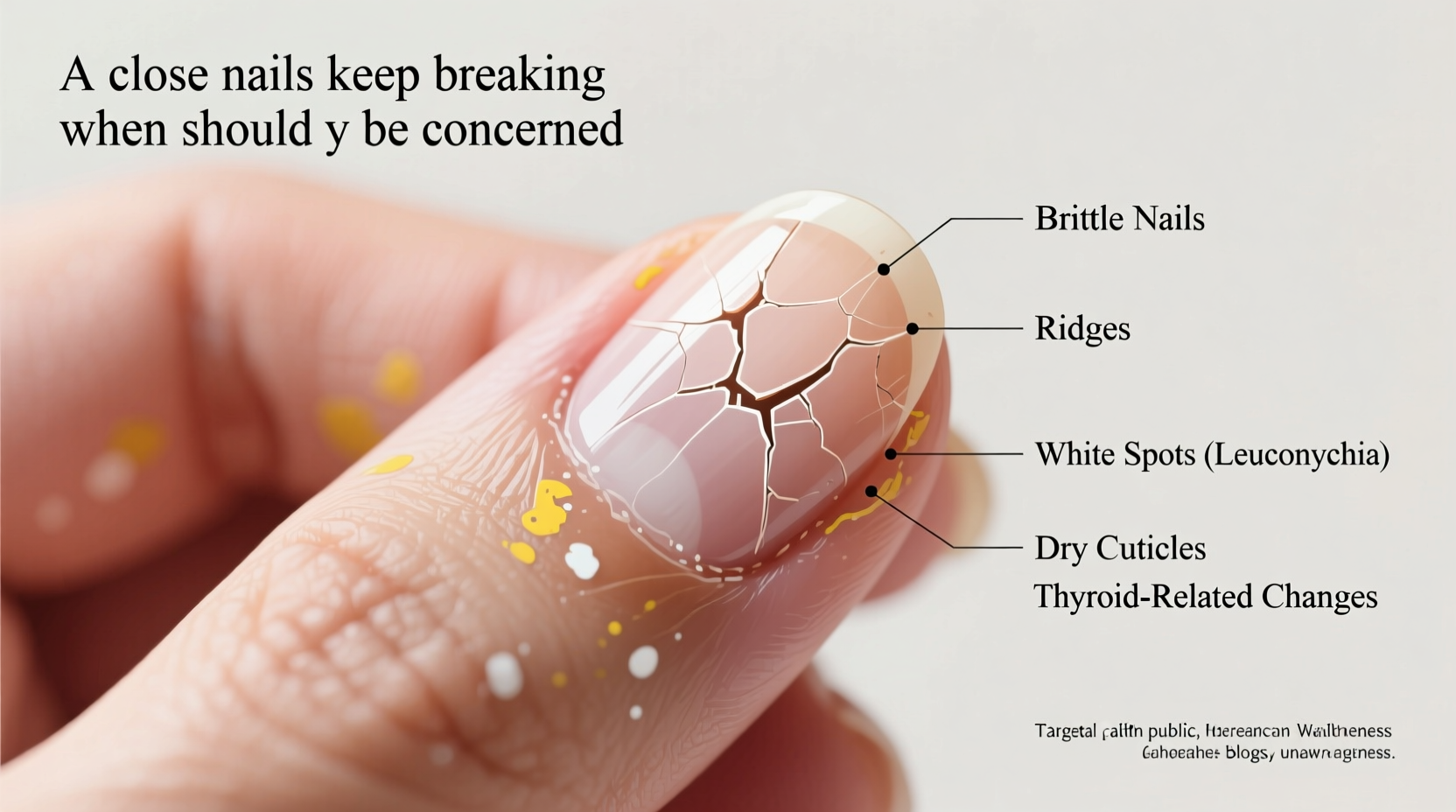
Nail strength depends on a combination of genetics, lifestyle choices, and overall health. Frequent breakage isn’t always due to poor care—it can stem from internal imbalances or unavoidable environmental stressors.
- Dryness and dehydration: Nails lose moisture just like skin. Prolonged exposure to dry air, hand washing without moisturizing, or using harsh soaps strips natural oils, leading to brittleness.
- Overexposure to water: Soaking hands for long periods (e.g., dishwashing, swimming) softens nails, making them prone to bending and splitting as they dry.
- Chemical damage: Acetone-based removers, gel polish treatments, and household cleaners weaken nail plates over time.
- Mechanical trauma: Using nails as tools—to open packages, scratch surfaces, or type aggressively—creates micro-fractures that accumulate into splits.
- Nutritional deficiencies: Lack of biotin, iron, zinc, protein, or essential fatty acids impairs keratin production and nail resilience.
- Aging: As we age, circulation slows and cell turnover decreases, resulting in thinner, drier, and more fragile nails.
When Nail Breakage Signals a Health Concern
Occasional peeling or splitting is usually harmless. However, chronic weakness combined with visible changes may reflect systemic health problems. Recognizing these red flags helps determine when professional evaluation is necessary.
Conditions such as hypothyroidism, anemia, psoriasis, and fungal infections can manifest first through nail abnormalities. For example, spoon-shaped nails (koilonychia) often indicate iron deficiency anemia, while ridges and discoloration may suggest autoimmune disorders.
“Nails are a window to internal health. Persistent brittleness, color shifts, or texture changes warrant investigation beyond topical remedies.” — Dr. Lena Torres, Dermatologist and Nail Specialist
Similarly, Beau’s lines—deep horizontal grooves across the nail—are linked to severe illness, high fever, or chemotherapy. These grow out slowly, but their presence indicates a past physiological stress event.
If you notice any of the following symptoms alongside frequent breakage, consider consulting a doctor:
- Noticeable thinning or layering of the nail plate
- Discoloration (yellow, green, white spots)
- Pain, swelling, or lifting of the nail from the bed
- Thickened or crumbling nails
- Recurring infections around the cuticle
Do’s and Don’ts for Stronger Nails
| Do | Don’t |
|---|---|
| Keep nails trimmed short and filed in one direction | Use nails as tools to pry or pick |
| Moisturize hands and cuticles daily with oil-rich creams | Peel off gel or acrylic polish |
| Wear gloves during wet work or chemical exposure | Soak hands excessively in water |
| Use a base coat with strengthening ingredients (e.g., calcium, hydrolyzed keratin) | Apply acetone-based removers daily |
| Eat a balanced diet rich in protein, vitamins, and healthy fats | Ignore persistent pain or discoloration |
Adopting these practices reduces mechanical stress and supports nail regeneration. Even small changes—like switching to an alcohol-free hand sanitizer or applying almond oil at night—can make a measurable difference within weeks.
Step-by-Step Guide to Healthier Nails
Improving nail strength takes consistency, not perfection. Follow this six-week timeline to build sustainable habits:
- Week 1: Assess and Protect
Take stock of your current routine. Identify damaging behaviors (e.g., nail biting, frequent salon visits). Begin wearing gloves for cleaning and dishwashing. - Week 2: Optimize Hydration
Apply a nourishing cuticle oil (jojoba, vitamin E, or argan) twice daily. Switch to a sulfate-free hand wash and follow every wash with fragrance-free lotion. - Week 3: Review Nutrition
Incorporate more eggs, nuts, leafy greens, and lean proteins into meals. Consider adding a biotin supplement (2.5–5 mg/day), but consult your doctor first if pregnant or managing a condition. - Week 4: Simplify Polish Use
Give nails a break from polish for at least two weeks. If coloring is desired, use breathable, non-toxic formulas free from formaldehyde and toluene. - Week 5: Refine Maintenance
File nails into rounded or squoval shapes to reduce snagging. Avoid metal files; use glass or ceramic buffers gently once weekly. - Week 6: Evaluate Progress
Look for smoother texture, reduced peeling, and improved growth rate. Note any lingering issues that may require medical input.
Real-Life Example: Sarah’s Journey to Stronger Nails
Sarah, a 34-year-old nurse, struggled with brittle, splitting nails for years. Her job required constant hand washing and glove use, leaving her nails dry and layered. Despite using strengthening polishes, her nails would crack mid-week, causing discomfort and embarrassment during patient care.
After reading about hydration loss from repeated sanitation, she began applying thick urea-based cream before overnight cotton gloves. She also started taking a daily biotin supplement and wore protective nitrile gloves under latex ones at work. Within eight weeks, her nails grew stronger and stopped peeling at the tips.
However, when one nail began thickening and turning yellow, she consulted a dermatologist. Testing confirmed a mild fungal infection, likely exacerbated by trapped moisture. With antifungal treatment and continued protection, her nails fully recovered within five months.
Sarah’s case illustrates how occupational demands can accelerate damage—but also how combining preventive care with timely diagnosis leads to lasting improvement.
Checklist: Build Your Nail-Strengthening Routine
Use this checklist weekly to stay on track:
- ✅ Apply cuticle oil morning and night
- ✅ Wear gloves during cleaning or prolonged water exposure
- ✅ File nails gently in one direction (no sawing back and forth)
- ✅ Avoid peeling or picking at polish
- ✅ Eat at least one protein-rich meal daily
- ✅ Limit acetone use to once every two weeks or less
- ✅ Monitor for changes in color, shape, or sensation
- ✅ Schedule a dermatology visit if issues persist beyond 8 weeks
Frequently Asked Questions
Can biotin really strengthen nails?
Yes, multiple studies support biotin supplementation for improving nail thickness and reducing splitting. One clinical trial showed a 25% increase in nail plate thickness after six months of 2.5 mg daily. Results vary, and effects typically appear after 6–8 weeks of consistent use.
Is it normal for nails to peel in layers?
Occasional layering, especially after removing polish or soaking, is common. However, persistent delamination—where the nail separates into sheets—often results from excessive filing, chemical exposure, or dehydration. Address moisture balance and handling habits first; if peeling continues, see a specialist.
Should I see a doctor if my nails break but don’t hurt?
You should consider a consultation if breakage persists despite proper care, especially if accompanied by discoloration, ridges, or slow regrowth. Some systemic conditions present without pain, so visual cues are critical. Early detection improves outcomes for thyroid issues, nutrient deficiencies, or fungal infections.
Final Thoughts: Know When to Act
Breaking nails are rarely an emergency, but they shouldn’t be ignored indefinitely. Most cases improve with better hydration, smarter handling, and dietary attention. The real danger lies in dismissing ongoing issues as mere vanity concerns when they could reflect broader health imbalances.
Your nails regenerate slowly—fingernails take about six months to regrow completely—so patience is key. Implement one change at a time, track progress, and listen to what your body communicates through its smallest details.
If you’ve made consistent efforts for two months without improvement, or if new symptoms arise, don’t hesitate to seek expert guidance. Dermatologists and primary care providers can run simple tests—like checking iron levels or thyroid function—that uncover reversible causes.
💬 Have you noticed changes in your nails after adjusting your routine? Share your experience below—your story might help someone finally find relief.








