
Lips are among the most sensitive parts of the face—thin skin, no oil glands, and constant exposure make them especially vulnerable in cold weather. If you find yourself reaching for lip balm every few minutes during winter, you're not alone. Millions experience chapped, cracked, or even bleeding lips when temperatures drop. While it might seem like a minor annoyance, persistent lip dryness can lead to discomfort, infections, or chronic irritation if left unmanaged.
The good news? Dermatologists have long studied the causes and solutions for seasonal lip chapping. With the right understanding and routine, you can prevent dry lips before they start and maintain smooth, healthy lips throughout the coldest months.
Why Lips Are So Vulnerable in Winter
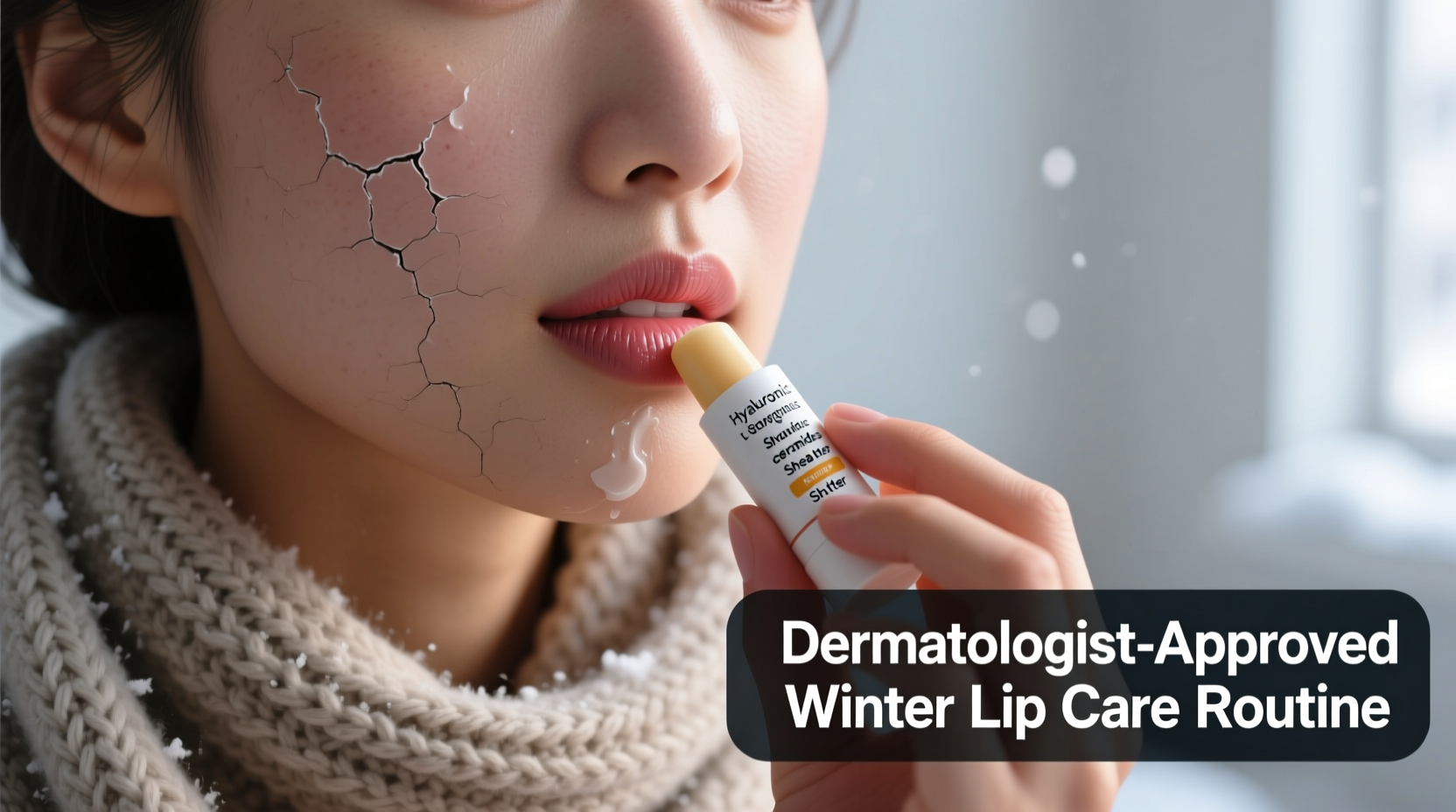
Unlike the rest of your facial skin, lips lack sebaceous (oil) glands. These glands produce natural oils that help retain moisture and form a protective barrier on the skin. Without them, lips rely entirely on external protection and hydration. During winter, several environmental factors converge to strip moisture from the lips:
- Cold air holds less moisture than warm air, reducing humidity levels both outdoors and indoors.
- Indoor heating systems further dry out the air, accelerating moisture loss from exposed skin.
- Wind exposure increases transepidermal water loss (TEWL), the process by which water evaporates from the skin’s surface.
- Frequent licking may offer temporary relief but worsens dryness due to saliva enzymes breaking down delicate lip tissue.
Dr. Nina Patel, board-certified dermatologist at the Advanced Skin Institute, explains: “The stratum corneum—the outermost layer of skin—is much thinner on the lips. This makes them more permeable and prone to dehydration, especially when environmental stressors increase.”
“Lips don’t have melanin-rich layers or oil glands. That’s why they’re often the first area to show signs of environmental damage.” — Dr. Nina Patel, MD, FAAD
Dermatologist-Approved Prevention Routine: Step-by-Step Guide
Preventing chapped lips isn’t about using more product—it’s about using the right products at the right time and supporting your lips’ natural resilience. Follow this evidence-based, stepwise routine recommended by dermatologists for optimal results.
Step 1: Exfoliate Gently (1–2 Times Per Week)
Dead skin cells accumulate on the lips just as they do elsewhere on the face. When combined with dryness, this buildup leads to flaking and cracking. Gentle exfoliation removes these cells, allowing moisturizers to penetrate effectively.
Tip: Never use harsh scrubs or toothbrushes aggressively. Over-exfoliating damages the fragile lip barrier.Create a simple DIY scrub: mix one teaspoon of honey with half a teaspoon of sugar. Apply with light circular motions for 15–20 seconds, then rinse with lukewarm water. Alternatively, use an over-the-counter chemical exfoliant containing low-dose lactic acid formulated for lips.
Step 2: Hydrate from Within
Skin health begins internally. Dehydration manifests quickly on the lips. Drink at least 8 cups (64 oz) of water daily, more if physically active or in heated environments. Include hydrating foods like cucumbers, oranges, and soups rich in electrolytes.
Also consider omega-3 fatty acids (found in salmon, flaxseeds, walnuts), which support cell membrane integrity and reduce inflammation—key for maintaining plump, resilient lips.
Step 3: Apply an Occlusive Moisturizer Daily
Occlusives form a physical barrier that locks in moisture. For lips, they’re essential—especially overnight. Look for ingredients such as:
- Petroleum jelly (e.g., Vaseline)
- Shea butter
- Beeswax
- Squalane
- Lanolin (if not allergic)
Apply a thick layer before bed and reapply every 2–3 hours during the day, especially after eating or drinking. Avoid flavored or scented balms, which can trigger irritation or encourage licking.
Step 4: Use SPF Protection Every Morning
UV radiation doesn’t disappear in winter. Snow reflects up to 80% of UV rays, increasing exposure. Cumulative sun damage weakens lip tissue and contributes to premature aging and actinic cheilitis (a precancerous condition).
Choose a lip balm with SPF 30 or higher. Reapply every two hours if outdoors. Make this part of your morning skincare ritual—just like facial sunscreen.
Step 5: Shield Lips from Harsh Conditions
When outside in cold, windy weather, cover your mouth with a scarf or neck gaiter. This creates a microclimate of warmer, more humid air around your face, reducing windburn and moisture loss.
Avoid breathing through your mouth, which directs dry air across the lips. If nasal congestion is an issue, treat underlying allergies or use a saline spray to maintain clear airways.
What to Avoid: Common Mistakes That Worsen Chapped Lips
Even with the best intentions, certain habits sabotage lip health. Here's a breakdown of frequent missteps—and what to do instead:
| Don’t | Why It’s Harmful | Do This Instead |
|---|---|---|
| Licking your lips | Saliva contains amylase and other enzymes that break down protective lipids. Evaporation cools briefly but dries skin rapidly. | Carry a hydrating balm and apply when dryness starts. |
| Using matte or long-wear liquid lipsticks | These contain drying alcohols and film-formers that dehydrate lips over time. | Opt for creamy, hydrating formulas; apply balm underneath as a primer. |
| Peeling off flakes manually | Ripping skin causes micro-tears, increasing infection risk and delaying healing. | Exfoliate gently once or twice weekly with a soft method. |
| Using expired or shared lip products | Bacteria buildup can cause infections like angular cheilitis or cold sores. | Replace lip balms every 6–12 months and never share applicators. |
Real Example: How Sarah Fixed Her Chronic Winter Lip Issues
Sarah, a 34-year-old teacher from Minnesota, struggled with severely chapped lips every winter for over a decade. She used multiple balms daily, including medicated ones with phenol, but saw little improvement. Cracks would bleed during parent-teacher conferences, causing embarrassment and discomfort.
After consulting a dermatologist, she discovered her routine was counterproductive: she licked her lips unconsciously, used a mint-flavored balm that irritated her skin, and skipped SPF because she thought “winter sun isn’t strong.”
Her new regimen included:
- Switching to fragrance-free, SPF 30 lip balm
- Applying petroleum jelly at night
- Using a humidifier in her bedroom
- Practicing mindfulness to stop lip-licking
Within three weeks, her lips healed completely. Now, she starts her preventive routine in early November and hasn’t had a flare-up in two winters.
Essential Checklist: Your Winter Lip Care Plan
Stay proactive with this actionable checklist. Print it or save it on your phone for easy reference.
- ✅ Switch to an unscented, occlusive lip balm with SPF 30+
- ✅ Exfoliate lips gently 1–2 times per week
- ✅ Apply petroleum jelly or healing ointment before bed
- ✅ Drink plenty of water and eat hydrating foods
- ✅ Use a humidifier in your bedroom at night
- ✅ Cover your mouth with a scarf in cold, windy conditions
- ✅ Replace old or shared lip products
- ✅ Avoid flavored, matte, or alcohol-based lip products
- ✅ Reapply lip protection after meals and outdoor exposure
- ✅ Schedule a dermatology visit if cracks persist beyond 2 weeks
Frequently Asked Questions
Can chapped lips be a sign of something serious?
Occasional dryness is normal in winter, but persistent cracking, redness, or pain could indicate underlying issues like eczema, vitamin deficiencies (especially B2, B6, B12, or iron), fungal infections (angular cheilitis), or even early signs of skin cancer on the lips. If symptoms last longer than 2–3 weeks despite care, consult a dermatologist.
Is petroleum jelly safe for daily use on lips?
Yes. Despite myths, purified petroleum jelly (like USP-grade Vaseline) is non-comedogenic, hypoallergenic, and highly effective at sealing in moisture. It has been used safely for over 100 years. Just ensure you're applying it to clean lips to avoid trapping bacteria.
Are “natural” lip balms always better?
Not necessarily. While many plant-based ingredients (like shea butter or jojoba oil) are beneficial, “natural” doesn’t mean safer. Some essential oils (e.g., peppermint, citrus, cinnamon) are common allergens and can irritate sensitive lip skin. Focus on formulation rather than marketing claims. Simpler ingredient lists are often better.
Conclusion: Take Control of Your Lip Health This Winter
Chapped lips in winter aren't inevitable—they're preventable with informed care. Understanding the science behind lip dryness empowers you to build a routine that works with your body, not against it. From choosing the right occlusive agents to protecting against UV exposure and avoiding hidden irritants, each step plays a role in maintaining comfort and health.
Start now, before the worst of winter hits. Small changes—like switching to SPF lip balm or keeping a jar of petroleum jelly by your bedside—can make a dramatic difference. Your lips deserve the same attention as the rest of your skin. Treat them with consistency, kindness, and science-backed strategies.
💬 Have a tip that helped your winter lips? Share your experience in the comments and help others stay smooth and hydrated all season long!








