
Chronic chapped lips are more than just a cosmetic annoyance—they can be painful, persistent, and surprisingly difficult to heal. If you find yourself reapplying balm every hour only to see no lasting improvement, you're not alone. Millions struggle with dry, flaky, or even cracked lips throughout the year, often mistaking temporary relief for real healing. The truth is, most people treat the symptoms without addressing the root causes. This guide dives into the science behind constant lip chapping, identifies common triggers, and delivers a proven, dermatologist-backed lip care routine designed to restore and maintain healthy lips—season after season.
Why Lips Are So Vulnerable to Chapping
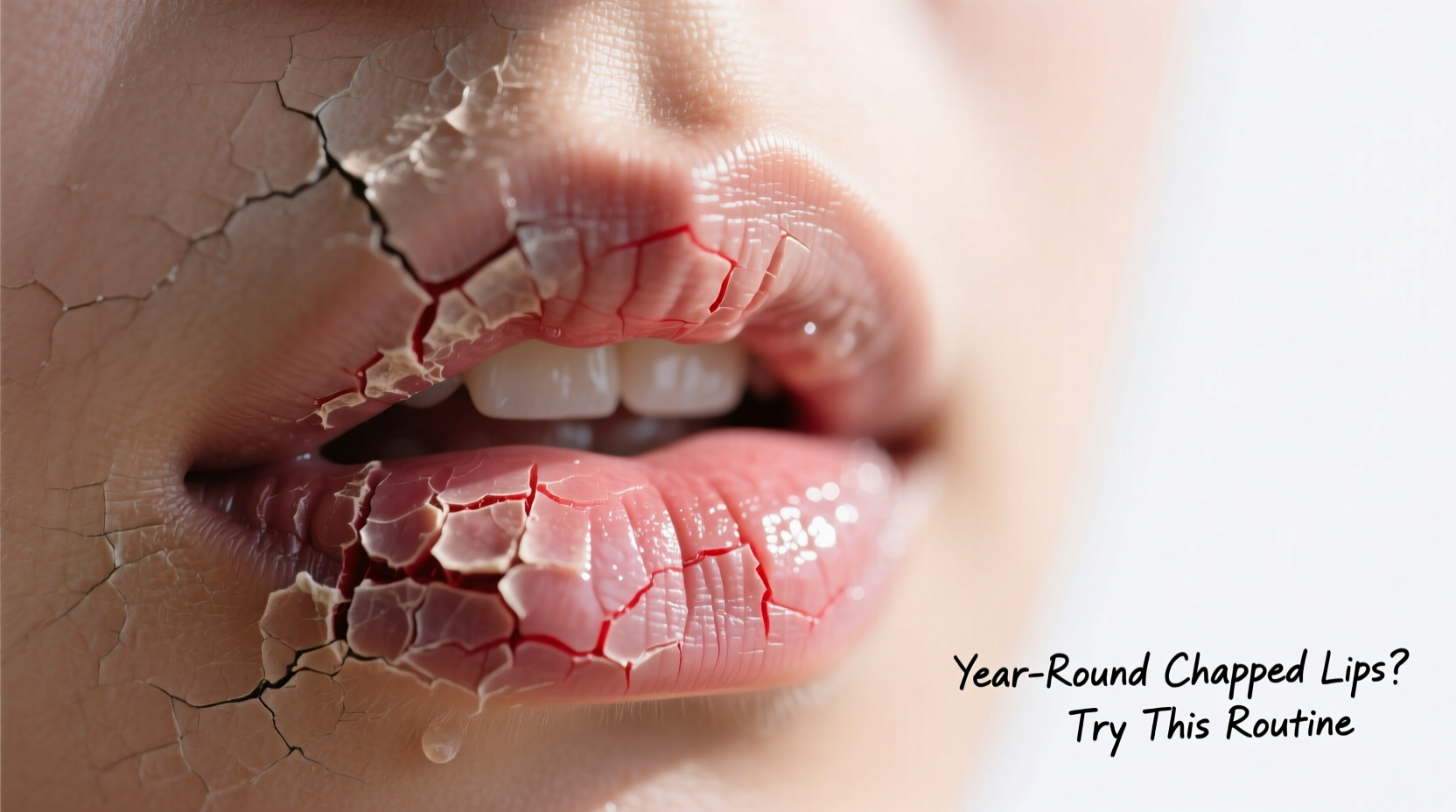
Unlike the rest of your skin, your lips lack several key protective features. They have no oil (sebaceous) glands, minimal melanin (which protects against UV damage), and a very thin stratum corneum—the outermost layer of skin. This makes them highly susceptible to moisture loss and environmental stressors. When exposed to cold air, wind, low humidity, or excessive sun, the delicate lip tissue dries out rapidly. Without natural oils to lock in hydration, the surface cracks easily, leading to discomfort, peeling, and sometimes bleeding.
Lip licking is another major culprit. It may feel soothing in the moment, but saliva contains enzymes like amylase and protease that break down proteins in the skin. Repeated exposure irritates the already fragile barrier, worsening dryness and creating a vicious cycle: dry lips → lick → temporary relief → enzyme damage → worse dryness.
Tip: Keep a hydrating lip balm in your pocket, bag, and bedside table so it’s always within reach before you’re tempted to lick.Common Causes of Year-Round Lip Chapping
While winter weather is notorious for drying out lips, many people experience chapping all year. The reasons go beyond seasonal changes:
- Dehydration: Not drinking enough water compromises your body’s ability to keep skin—including lips—hydrated from within.
- Allergens & Irritants: Certain ingredients in toothpaste (like sodium lauryl sulfate), lip products (fragrances, menthol, camphor), or even foods can trigger allergic reactions known as contact cheilitis.
- Medications: Retinoids (topical or oral), antihistamines, acne treatments, and some blood pressure drugs list dry lips as a side effect.
- Nutritional Deficiencies: Low levels of B vitamins (especially B2, B3, B6, B12), iron, or zinc impair skin repair and mucosal health.
- Autoimmune Conditions: Disorders like eczema, psoriasis, or angular cheilitis (cracks at the corners of the mouth) often manifest on the lips.
- Chronic Mouth Breathing: Whether due to allergies, sleep apnea, or habit, breathing through the mouth exposes lips to dry air continuously.
“Persistent lip chapping isn’t normal. If over-the-counter balms aren’t helping, it’s time to look deeper—at lifestyle habits, product ingredients, and possible underlying deficiencies.” — Dr. Lena Patel, Board-Certified Dermatologist
A Step-by-Step Healing Lip Care Routine
Healing chronically chapped lips requires consistency, the right products, and a strategic approach. This four-phase routine is designed to repair damage, rebuild the moisture barrier, and prevent future flare-ups.
Phase 1: Gentle Exfoliation (1–2 Times Per Week)
Dead skin cells trap moisture and prevent healing ingredients from penetrating. However, aggressive scrubbing worsens irritation. Use a soft method:
- Dampen lips with warm water.
- Apply a small amount of honey or a mixture of sugar and coconut oil.
- Gently massage in circular motions for 15–20 seconds.
- Rinse thoroughly and pat dry.
Phase 2: Repair & Hydrate (Twice Daily + As Needed)
After cleansing or exfoliating, apply a reparative ointment while lips are slightly damp to seal in moisture. Look for occlusive ingredients that form a protective barrier:
- Petroleum jelly (Vaseline): Clinically proven to reduce water loss by up to 98%.
- Shea butter: Rich in fatty acids and vitamins A and E.
- Squalane: Mimics natural skin lipids for deep hydration.
- Ceramides: Help restore the skin’s lipid barrier.
Avoid products with menthol, phenol, alcohol, or artificial fragrances—they create a cooling sensation but increase irritation over time.
Phase 3: Daytime Protection (Every Morning)
UV exposure contributes significantly to lip damage and increases the risk of actinic cheilitis—a precancerous condition. Always apply a lip balm with SPF 30 or higher before going outside, even on cloudy days.
| Do | Don’t |
|---|---|
| Use SPF 30+ lip balm daily | Use matte liquid lipsticks during flare-ups |
| Reapply sunscreen lip balm every 2 hours in sun | Share lip products (risk of infection) |
| Drink water throughout the day | Lick or bite flaky skin |
| Humidify indoor air in dry seasons | Smoke (dries lips and accelerates aging) |
Phase 4: Overnight Recovery (Every Night)
Nighttime is when your skin repairs itself. Use a thick, emollient-rich ointment to maximize healing while you sleep:
- Wash face and gently cleanse lips.
- Apply a generous layer of petroleum jelly or a medicated ointment (e.g., Aquaphor, CeraVe Healing Ointment).
- For severe cases, wrap lips in plastic wrap for 10 minutes after application to enhance penetration (occlusion therapy).
Real-Life Example: Breaking the Licking Cycle
Sarah, a 34-year-old teacher from Colorado, had struggled with cracked lips for years. She used flavored lip balms constantly but noticed her condition worsened each winter. After consulting a dermatologist, she discovered two issues: she was licking her lips unconsciously due to anxiety, and her favorite cherry-flavored balm contained salicylic acid and menthol—both irritants.
Her new routine included switching to fragrance-free Vaseline, using a humidifier at home, and setting phone reminders to drink water. She also practiced mindfulness to catch herself before licking. Within three weeks, her lips healed completely. “I didn’t realize I was making it worse,” she said. “Now I protect them like I would any other part of my skin.”
Lifestyle Adjustments That Make a Difference
Beyond topical care, long-term lip health depends on holistic habits:
- Stay Hydrated: Aim for at least 2 liters of water daily. Dehydration shows first on lips.
- Check Your Toothpaste: Switch to SLS-free formulas if you suspect irritation.
- Eat a Balanced Diet: Include sources of omega-3s (salmon, flaxseeds), vitamin B complex (eggs, leafy greens), and zinc (pumpkin seeds, legumes).
- Manage Allergies: Treat nasal congestion to reduce mouth breathing, especially at night.
- Avoid Harsh Weather Exposure: Wear a scarf in winter or a wide-brimmed hat in summer to shield lips.
“Healthy lips start from the inside. Nutrition and hydration are just as important as the balm you put on top.” — Dr. Marcus Lin, Integrative Skin Health Specialist
Lip Care Checklist: What to Do Daily
Follow this simple checklist to stay consistent:
- ✅ Drink 8+ glasses of water
- ✅ Apply SPF lip balm in the morning
- ✅ Reapply lip balm after eating or drinking
- ✅ Avoid licking, biting, or picking
- ✅ Use a non-irritating toothpaste
- ✅ Apply a healing ointment before bed
- ✅ Run a humidifier if indoor air is dry
Frequently Asked Questions
Can I be allergic to my lip balm?
Yes. Fragrances, flavors, preservatives, and certain plant extracts can cause allergic reactions. If your lips worsen after using a new product, discontinue use. Opt for hypoallergenic, fragrance-free options like plain petroleum jelly.
Is it safe to use hydrocortisone on chapped lips?
Only under medical supervision. Over-the-counter 1% hydrocortisone can help with inflamed, eczema-related chapping—but prolonged use thins the skin. Never use it without diagnosing the cause first.
How long does it take to heal chronically chapped lips?
With a consistent routine, most people see improvement within 7–10 days. Full healing may take 3–4 weeks, especially if there’s been long-term damage. Patience and consistency are key.
Final Thoughts: Make Lip Health a Non-Negotiable
Constantly chapped lips are not something you should just accept. They’re a signal that your body needs attention—whether it’s better hydration, improved product choices, or a check for nutritional gaps. By understanding the unique vulnerability of lip skin and committing to a smart, science-based routine, you can achieve smooth, resilient lips all year round.
Healing isn’t about finding the perfect balm once; it’s about building sustainable habits. Start tonight: clean your lips, apply a thick layer of petroleum jelly, and commit to protecting them tomorrow. Your lips deserve the same care as the rest of your skin—because true wellness includes even the smallest details.
💬 Have a tip that transformed your lip health? Share your story in the comments and help others break free from the chapping cycle.








