
It’s common to notice more eyelashes on your pillow or in the sink during certain times of the year. While many assume this is due to improper mascara use or excessive eye makeup, seasonal lash shedding can stem from deeper physiological and environmental causes. Eyelash loss—especially when recurring with the seasons—is often a sign of underlying shifts in your body’s rhythm, immune function, or exposure to external stressors. Understanding these triggers is key to maintaining healthy, full lashes year-round.
The natural hair growth cycle applies to eyelashes just as it does to scalp hair, but their shorter life span makes changes more noticeable. Most people shed 1–5 lashes daily, but a sudden increase—particularly during spring or fall—can signal more than just routine turnover. This article explores the science behind seasonal eyelash loss, identifies lesser-known contributors, and offers actionable steps to support lash resilience.
Understanding the Eyelash Growth Cycle
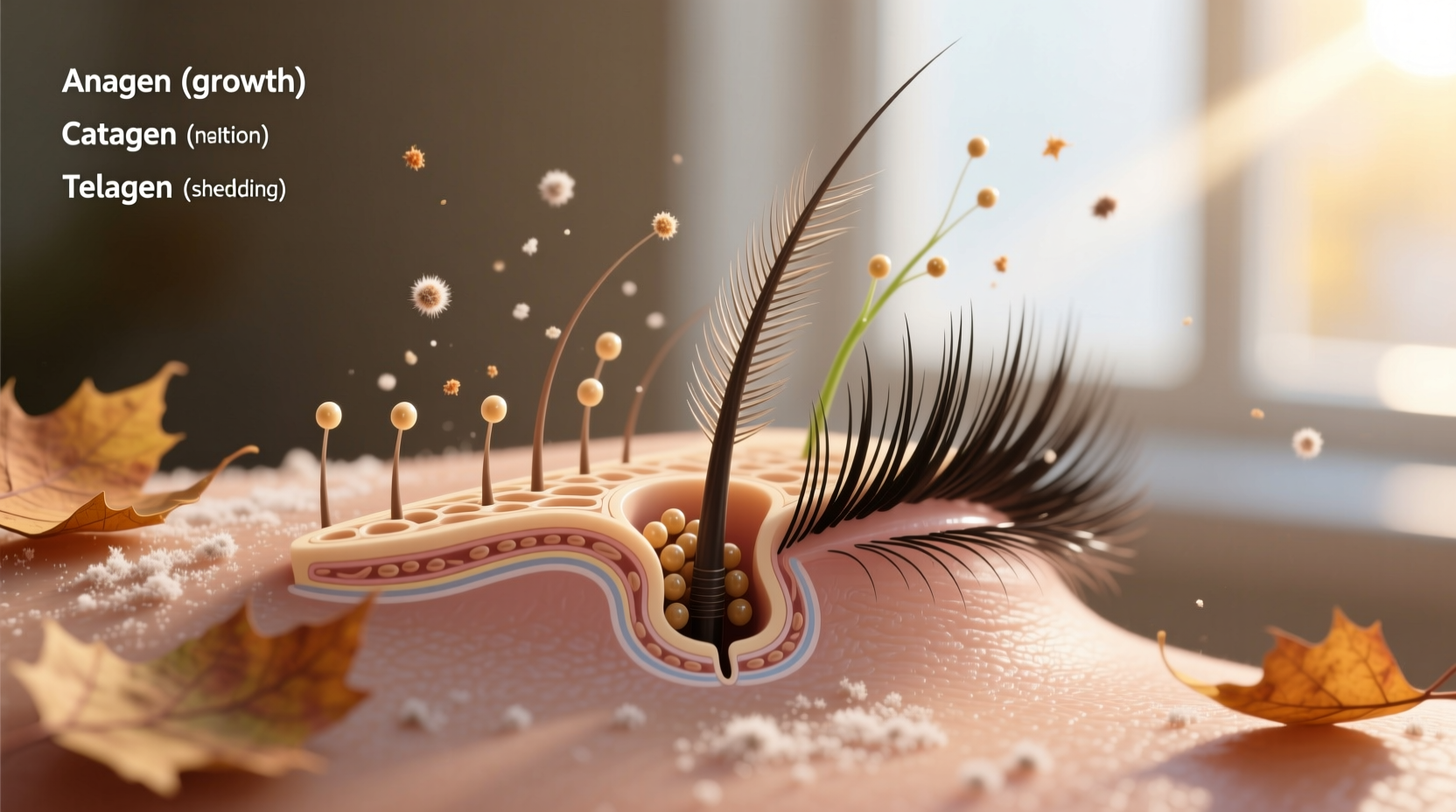
Eyelashes follow a predictable biological cycle consisting of three phases: anagen (growth), catagen (transition), and telogen (resting). Unlike scalp hair, which can remain in the anagen phase for years, eyelashes grow for only 30 to 45 days. The entire cycle lasts about 4 to 11 months, meaning lashes are constantly cycling through growth and shedding.
During the telogen phase, lashes naturally detach and fall out to make room for new ones. However, if multiple follicles enter the telogen phase simultaneously—a phenomenon known as telogen effluvium—you may experience noticeable thinning. Seasonal fluctuations in hormones, sunlight exposure, and temperature can influence this synchronization, leading to temporary but visible lash loss.
This cyclical pattern often aligns with broader seasonal hair shedding seen in scalp hair, particularly in autumn. Research suggests that increased UV exposure in summer may trigger a delayed shedding response in late fall, affecting all types of hair—including lashes.
Tip: Track your lash shedding over several months. If you consistently lose more lashes in specific seasons, it’s likely a natural physiological response rather than a sign of damage.Seasonal Allergies and Eye Irritation
One of the most overlooked causes of seasonal eyelash loss is allergic conjunctivitis. During spring and early summer, airborne allergens like pollen, mold spores, and dust mites spike, triggering inflammation in the eyes. This leads to itching, redness, and frequent rubbing—a behavior that directly damages delicate lash follicles.
Chronic eye-rubbing not only dislodges lashes prematurely but also introduces bacteria and disrupts the protective oil layer around the lash line. Over time, this can weaken follicles and impair regrowth. Antihistamine eye drops may relieve symptoms, but mechanical trauma from rubbing remains a persistent threat.
In addition, some allergy medications—particularly antihistamines—can dry out mucous membranes, including those along the eyelid margin. Dryness compromises the health of the meibomian glands, which secrete oils essential for lash strength and retention.
“Patients often don’t realize how much their seasonal allergies contribute to eyelash thinning. It’s not the pollen itself—it’s the constant irritation and friction that takes the toll.” — Dr. Lena Torres, Ocular Dermatologist
Environmental Stressors and Climate Shifts
Changes in humidity, temperature, and air quality between seasons can significantly impact lash integrity. In winter, indoor heating reduces moisture levels, leading to dry, brittle lashes prone to breakage. Conversely, high humidity in summer can promote bacterial buildup along the lash line, increasing the risk of folliculitis—an infection that causes lash loss.
UV radiation is another underappreciated factor. While sunscreen protects facial skin, few apply it near the eyes, leaving lashes exposed. Prolonged sun exposure degrades keratin, the protein that gives lashes their strength, making them fragile and more likely to snap or fall out.
Urban dwellers may also face heightened oxidative stress from pollution. Particulate matter and ozone can accumulate on the eyelids, creating low-grade inflammation that interferes with follicle function over time.
Common Environmental Triggers by Season
| Season | Primary Lash Stressors | Protective Measures |
|---|---|---|
| Spring | Pollen, increased wind, fluctuating humidity | Wear wraparound sunglasses; use hypoallergenic eye wash |
| Summer | UV exposure, chlorine/saltwater, high heat | Apply mineral-based SPF near eyes; rinse lashes after swimming |
| Fall | Dry indoor air, temperature swings, post-summer UV damage | Use humidifier; apply nourishing lash serum |
| Winter | Indoor heating, cold winds, reduced daylight | Avoid hot showers near face; condition lashes with vitamin E |
Hormonal Fluctuations and Immune Rhythms
Emerging research indicates that human hair cycles—including eyelashes—may be influenced by circannual (yearly) biological rhythms. These rhythms are tied to changes in melatonin, cortisol, and sex hormone levels, all of which vary with daylight duration and seasonal activity patterns.
For example, melatonin—which regulates sleep and has antioxidant properties—peaks during longer nights in winter. Some studies suggest topical melatonin may support hair growth, implying that natural dips in its production during summer could affect follicle stability.
Thyroid function, which plays a critical role in hair health, also exhibits mild seasonal variation. Subclinical hypothyroidism can worsen in colder months, potentially contributing to generalized hair thinning, including lashes. Women may also notice changes during perimenopause, when hormonal volatility increases sensitivity to seasonal shifts.
Autoimmune conditions like alopecia areata can flare seasonally, too. Though rare, this condition sometimes targets eyelashes, causing patchy or complete loss. Stress, viral infections, and changes in immune surveillance during seasonal transitions may act as triggers.
Tip: If you experience sudden, asymmetrical lash loss, consult a dermatologist to rule out autoimmune causes.Nutritional Deficiencies and Seasonal Diet Changes
Dietary habits often shift with the seasons—and so does nutrient intake. Summer diets rich in fresh produce provide antioxidants and biotin, while winter meals heavy in processed foods may lack essential vitamins for hair health. Deficiencies in iron, zinc, vitamin D, and B-complex vitamins are strongly linked to hair shedding, including lashes.
Vitamin D, synthesized primarily through sun exposure, tends to decline in fall and winter, especially in northern latitudes. Low levels correlate with telogen effluvium and impaired follicle cycling. Similarly, iron deficiency—anemia—is more common in women and can manifest subtly as increased lash shedding before other symptoms appear.
Plant-based eaters may struggle with lysine or protein intake during off-seasons when access to legumes or fortified foods is limited. Since lashes are made of keratin—a protein—insufficient amino acid supply can hinder regeneration.
Lash-Supporting Nutrients and Seasonal Sources
- Vitamin D: Fatty fish, fortified dairy, sunlight (supplement in winter)
- Biotin (B7): Eggs, nuts, sweet potatoes, cauliflower
- Iron: Red meat, lentils, spinach (pair with vitamin C for absorption)
- Zinc: Pumpkin seeds, shellfish, whole grains
- Omega-3s: Flaxseeds, chia, salmon—help reduce eyelid inflammation
“Nutrition isn’t just about long-term health—it directly affects the structural integrity of your lashes. A seasonal dip in key nutrients can show up at the lash line before anywhere else.” — Dr. Amara Singh, Integrative Nutrition Specialist
Mini Case Study: Sarah’s Fall Lash Thinning
Sarah, a 34-year-old teacher from Chicago, began noticing clumps of eyelashes in her mascara wand every October for three consecutive years. She stopped using waterproof mascara and switched to oil-free removers, but shedding persisted. After consulting a dermatologist, she discovered two overlapping factors: low vitamin D levels and undiagnosed seasonal allergies.
Blood tests revealed her vitamin D was at 18 ng/mL (below the recommended 30 ng/mL). She also tested positive for ragweed and mold sensitivity. Her nightly habit of rubbing her eyes due to itchiness compounded the issue.
With a regimen of daily vitamin D3 supplements, non-sedating antihistamines during peak allergy season, and a hydrating lash serum containing peptides, Sarah reported a 70% reduction in lash loss within four months. By the following fall, her shedding returned to normal baseline levels.
Her case highlights how multiple seasonal factors—nutritional, immunological, and behavioral—can converge to impact lash health.
Step-by-Step Guide to Seasonal Lash Care
Maintaining strong lashes year-round requires proactive care tailored to each season. Follow this timeline to support optimal lash health:
- Spring (March–May): Begin allergy protection. Use preservative-free saline eye wash weekly. Switch to fragrance-free eye products to minimize irritation.
- Summer (June–August): Protect lashes from UV and chlorine. Wear sunglasses daily. Rinse eyes after swimming. Avoid waterproof mascara that requires aggressive removal.
- Fall (September–November): Start a lash serum with hyaluronic acid or panthenol. Get blood work to check vitamin D and iron levels. Introduce a humidifier at home.
- Winter (December–February): Minimize hot showers and direct heat exposure to the face. Apply a nourishing ointment (like castor oil or peptide balm) to lash line at night. Stay consistent with supplements.
- Ongoing: Never rub your eyes. Use a gentle micellar water for makeup removal. Replace mascara every 3 months to prevent bacterial buildup.
Checklist: Seasonal Lash Protection Routine
- ☑ Assess lash shedding monthly (note any seasonal trends)
- ☑ Test vitamin D and iron levels annually, ideally in fall
- ☑ Use wraparound sunglasses during high-pollen or sunny days
- ☑ Apply a nourishing lash serum nightly during dry seasons
- ☑ Avoid sharing eye makeup or using expired products
- ☑ Treat allergies proactively—not just reactively
- ☑ Stay hydrated and maintain balanced protein intake year-round
FAQ
Is it normal for eyelashes to fall out more in the fall?
Yes. Like scalp hair, eyelashes can undergo seasonal shedding, particularly in autumn. This is often due to cumulative summer UV exposure, hormonal shifts, or the end of a synchronized growth cycle. As long as regrowth follows and loss isn’t patchy, it’s typically benign.
Can stress cause seasonal eyelash loss?
Yes. Psychological and physical stress elevate cortisol, which can push hair follicles into the resting phase prematurely. Seasonal stressors—like holiday pressure in winter or back-to-school anxiety in fall—can contribute to temporary lash thinning.
Should I stop wearing mascara altogether?
No, but choose wisely. Avoid waterproof formulas that require tugging to remove. Opt for tubing mascaras that slide off with warm water. Always remove makeup gently with a non-oily cleanser, and never sleep with mascara on.
Conclusion
Seasonal eyelash loss is more than a cosmetic concern—it’s a reflection of your body’s response to environmental, hormonal, and nutritional shifts throughout the year. While mascara misuse can contribute, it’s rarely the sole culprit. Addressing root causes like allergies, vitamin deficiencies, and climate stress offers a far more effective path to lasting lash health.
By tuning into your body’s seasonal rhythms and adjusting your care routine accordingly, you can minimize unnecessary shedding and support stronger, fuller lashes all year. Small, consistent habits—from wearing sunglasses to checking nutrient levels—add up to significant improvements over time.
💬 Have you noticed a pattern in your lash shedding? Share your experience or tips in the comments—your insight could help others navigate seasonal changes with confidence.








