
Muscle twitches—those sudden, involuntary flickers beneath the skin—are surprisingly common after a workout. You might notice them in your calf, eyelid, or even your bicep hours after leaving the gym. While most are harmless and fleeting, persistent or widespread twitching can sometimes signal underlying issues. Understanding why muscles twitch after exercise helps distinguish normal recovery from potential red flags.
Muscle twitching, medically known as fasciculations, occurs when small groups of muscle fibers contract spontaneously. These contractions are usually too weak to move a joint but strong enough to see or feel under the skin. After physical exertion, several physiological factors contribute to this phenomenon. The good news is that in the vast majority of cases, these twitches are temporary and resolve on their own.
How Exercise Triggers Muscle Twitching
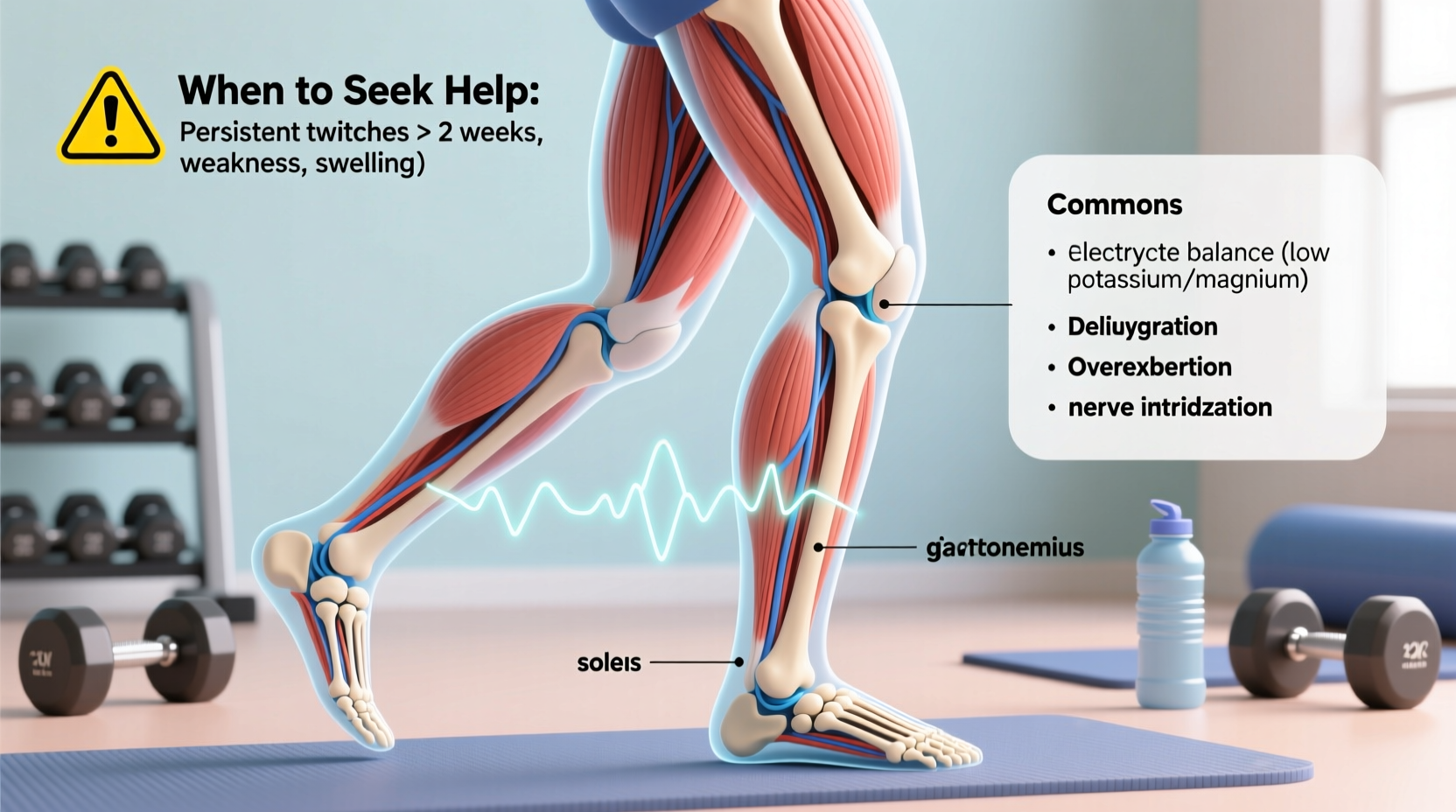
Physical activity places stress on the neuromuscular system—the network connecting nerves to muscles. During intense or prolonged workouts, especially those involving resistance training or endurance efforts, multiple systems are taxed simultaneously. This includes the nervous system, electrolyte balance, and energy reserves within muscle cells.
One primary reason for post-exercise twitching is nerve overstimulation. As muscles contract repeatedly, motor neurons fire frequently to maintain movement. After the workout ends, residual electrical activity may linger, causing brief, random firings that result in visible twitches. This is particularly common in fatigued muscles.
Another key factor is the depletion of essential electrolytes such as potassium, calcium, magnesium, and sodium. These minerals play critical roles in nerve signaling and muscle contraction. Sweating during exercise leads to fluid and mineral loss, which can disrupt the delicate electrochemical balance required for smooth muscle function. Even mild imbalances can trigger spontaneous contractions.
Tip: Rehydrate with an electrolyte-rich drink after intense or long-duration workouts to help stabilize muscle function and reduce twitching.Common Causes of Post-Workout Muscle Twitches
- Muscle fatigue: Overworked muscles are more prone to erratic nerve signals.
- Dehydration: Reduced fluid volume affects ion transport across cell membranes.
- Electrolyte imbalance: Low levels of magnesium or potassium are frequently linked to twitching.
- Caffeine intake: Stimulants increase nervous system excitability, amplifying twitch frequency.
- Lack of sleep: Poor recovery impairs nervous system regulation.
- Vitamin deficiencies: Inadequate vitamin D or B12 can affect nerve health.
These triggers often interact. For example, someone who trains intensely while sleep-deprived and consuming high amounts of coffee may experience more frequent twitching due to compounded neural stress. Addressing lifestyle factors holistically tends to yield better results than focusing on one element alone.
When Twitching Is Normal vs. When to Be Concerned
Most post-exercise muscle twitches are benign and self-limiting. They typically appear in isolated areas (like a single calf or forearm), last only seconds or minutes, and disappear within 24–48 hours. If twitching occurs occasionally and resolves without other symptoms, it’s generally not a cause for alarm.
However, certain patterns should prompt further evaluation. Persistent twitching lasting days or weeks, spreading across multiple muscle groups, or occurring at rest without recent exertion may indicate a more serious condition. Accompanying symptoms such as muscle weakness, cramping, numbness, or changes in coordination warrant medical attention.
| Feature | Normal Twitching | Potentially Concerning |
|---|---|---|
| Duration | Seconds to minutes; resolves in 1–2 days | Hours per day, lasting weeks |
| Location | Localized (one muscle group) | Widespread or migrating |
| Associated Symptoms | None or mild soreness | Weakness, atrophy, tingling |
| Frequency | Occasional, post-exercise | Daily, even at rest |
| Response to Rest | Improves with hydration and recovery | No improvement despite rest |
“While benign fasciculations are extremely common after exertion, we always advise patients to monitor for progression. Sudden onset of widespread twitching with weakness needs prompt neurological assessment.” — Dr. Lena Patel, Neurologist at Boston Integrated Movement Clinic
Real-Life Example: A Runner’s Experience
Mark, a 34-year-old marathon trainee, began noticing leg twitches two nights after completing a 20-mile run. At first, he dismissed it as normal fatigue. But when the twitching persisted into the third day and spread from his calves to his thighs, he grew concerned. He also reported increased thirst and occasional cramps.
After consulting a sports medicine physician, Mark learned he had low serum magnesium and was mildly dehydrated. His training log revealed he hadn’t adjusted his electrolyte intake despite increasing mileage. With oral magnesium supplementation and a structured hydration plan, his symptoms resolved within a week. This case highlights how seemingly minor imbalances can manifest in noticeable ways under physical strain.
Prevention and Management Strategies
Managing and preventing post-exercise muscle twitching involves both immediate actions and long-term habits. The goal is to support optimal neuromuscular function through balanced nutrition, proper recovery, and mindful training practices.
- Replenish electrolytes: Use drinks or foods rich in potassium (bananas, spinach), magnesium (nuts, seeds), and sodium (sports drinks if sweating heavily).
- Stay hydrated: Aim for pale yellow urine as a hydration benchmark. Drink water consistently throughout the day, not just during workouts.
- Optimize recovery: Prioritize quality sleep and schedule rest days to allow nervous system reset.
- Limit stimulants: Reduce caffeine and pre-workout supplements, especially later in the day.
- Stretch and cool down: Gentle stretching improves circulation and may reduce residual nerve excitability.
- Monitor training intensity: Avoid sudden spikes in volume or intensity that overwhelm muscle systems.
Step-by-Step Recovery Plan After Intense Workouts
- Immediately post-workout: Consume a snack or drink containing electrolytes and protein (e.g., chocolate milk or coconut water with a handful of almonds).
- Within 30–60 minutes: Perform 5–10 minutes of light stretching or foam rolling.
- Hydration check: Weigh yourself before and after exercise. For every pound lost, drink 16–24 oz of fluid.
- Evening routine: Take a warm shower to relax muscles and consider a magnesium supplement if needed.
- Next day: Assess how you feel. If twitching persists, focus on rest, hydration, and nutrient-dense meals.
Frequently Asked Questions
Can muscle twitching after exercise be a sign of a serious neurological condition?
In rare cases, yes—but only when accompanied by other symptoms. Conditions like ALS (amyotrophic lateral sclerosis) involve progressive muscle weakness, atrophy, and functional decline, not isolated twitching alone. Benign fasciculation syndrome (BFS) is far more common and mimics some symptoms without disease progression. Always consult a neurologist if twitching is persistent, widespread, or associated with weakness.
Should I stop exercising if my muscles twitch?
Not necessarily. Occasional twitching doesn’t require stopping exercise. However, if twitching is frequent or painful, consider reducing intensity temporarily and evaluating your recovery habits. Pushing through excessive fatigue may worsen symptoms and delay healing.
Are certain types of workouts more likely to cause twitching?
Yes. High-intensity interval training (HIIT), heavy resistance lifting, and endurance events (like marathons or cycling races) are more likely to trigger twitching due to greater neuromuscular demand and sweat-related electrolyte loss. Proper preparation and recovery are especially important for these activities.
Actionable Checklist: Reduce Post-Exercise Twitching
- ✅ Hydrate consistently throughout the day, not just during workouts
- ✅ Include magnesium-rich foods (pumpkin seeds, spinach, avocados) in your diet
- ✅ Limit caffeine intake, especially within 6 hours of bedtime
- ✅ Cool down with stretching after intense sessions
- ✅ Track twitching episodes: location, duration, timing relative to exercise
- ✅ Get 7–9 hours of quality sleep nightly
- ✅ Consult a doctor if twitching lasts longer than two weeks or spreads significantly
Final Thoughts: Listen to Your Body
Muscle twitching after exercise is usually a minor, temporary response to physical stress. It reflects the complex interplay between nerves, muscles, and metabolism—all working hard to adapt and recover. By supporting your body with proper hydration, nutrition, and rest, you can minimize these occurrences and enhance overall performance.
But never ignore persistent or worsening symptoms. Your body communicates through sensations, and while most twitches are harmless, they can occasionally point to deeper imbalances. Being proactive about recovery isn't just about avoiding discomfort—it's about building sustainable fitness that lasts.
💬 Have you experienced muscle twitching after workouts? Share your story or tips in the comments—your insight could help others understand their bodies better!








