
Waking up with swollen or puffy eyes is a common concern that affects people of all ages. While it’s often harmless, persistent puffiness can be frustrating, affect self-confidence, and sometimes signal underlying health issues. The delicate skin around the eyes is thinner than elsewhere on the face, making it more prone to fluid retention, inflammation, and visible changes. Understanding the root causes—ranging from lifestyle habits to medical conditions—is essential for finding long-term relief. This guide explores the most frequent reasons behind morning eye puffiness and offers practical, evidence-based solutions to help you start your day looking refreshed.
Common Causes of Morning Eye Puffiness
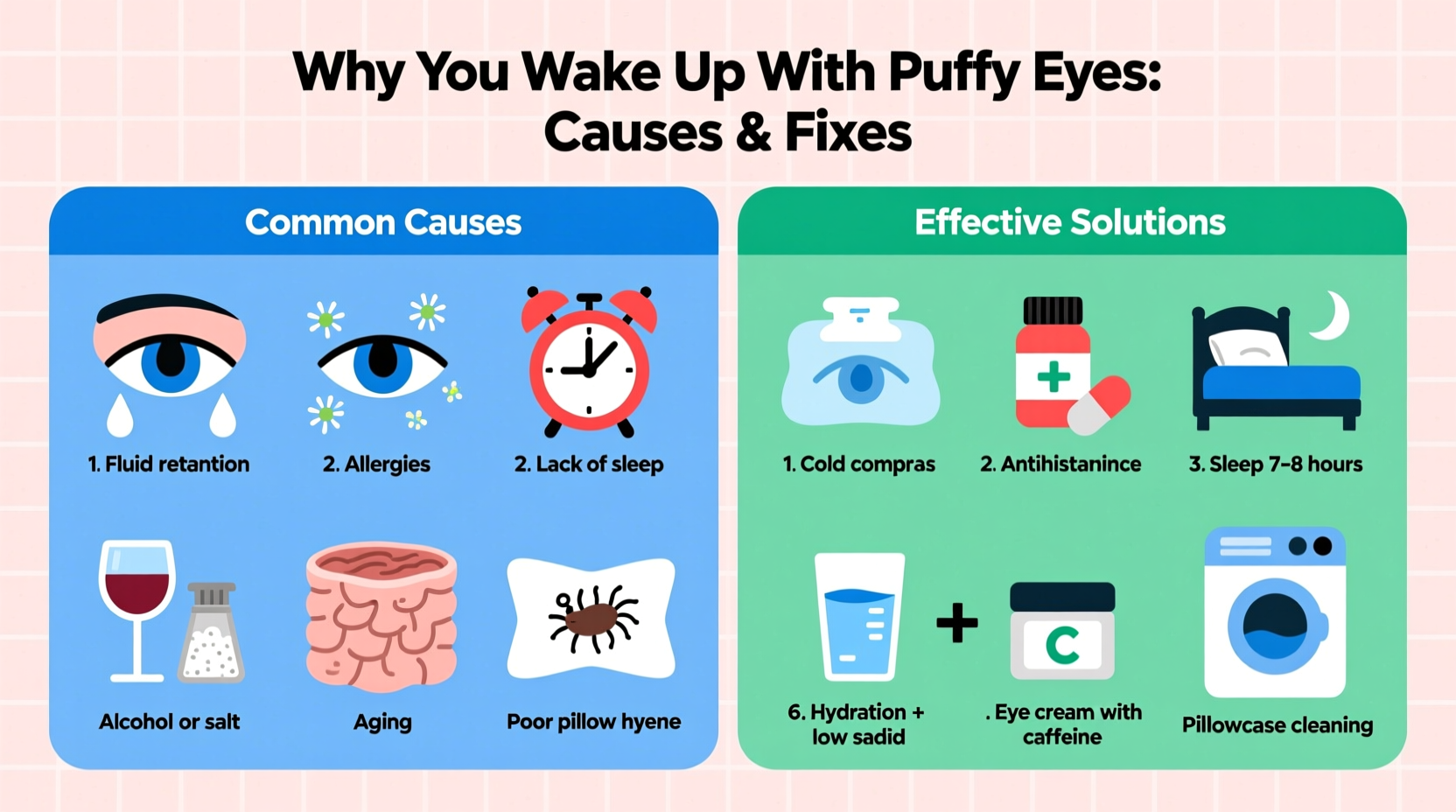
Eye puffiness occurs when fluid accumulates in the tissues surrounding the eyes. Several factors contribute to this buildup overnight, and many are interrelated. Identifying which ones apply to your routine can help target the right remedies.
1. Fluid Retention During Sleep
When you lie flat during sleep, gravity allows fluids to pool in the lower eyelids. This natural redistribution can cause temporary swelling that typically subsides within an hour of waking. However, if you're prone to water retention due to diet or hormones, the effect may be more pronounced.
2. High Sodium Intake
Consuming too much salt increases sodium levels in the bloodstream, prompting the body to retain water to maintain balance. This systemic fluid retention often shows up first in areas with thin skin, such as under the eyes.
Tip: Reduce processed foods and check labels for hidden sodium—many canned soups, snacks, and condiments contain surprisingly high amounts.3. Allergies (Seasonal or Environmental)
Allergic reactions trigger histamine release, which causes blood vessels to dilate and leak fluid into surrounding tissues. If you’re sensitive to dust mites, pet dander, or pollen, your eyes may swell each night without you realizing the connection.
4. Lack of Sleep or Poor Sleep Quality
Inadequate rest disrupts normal circulation and lymphatic drainage. It also increases cortisol levels, contributing to inflammation. Even if you sleep eight hours, poor sleep quality—such as frequent awakenings or sleep apnea—can still lead to puffiness.
5. Aging and Loss of Skin Elasticity
As we age, the muscles and tissues supporting the eyelids weaken. Fat that normally cushions the eye can shift forward into the lower lid, creating a puffy appearance. This structural change becomes more noticeable over time and isn’t easily reversed by topical treatments alone.
6. Dehydration
Ironically, not drinking enough water signals the body to hold onto existing fluids, increasing the likelihood of facial swelling. Chronic dehydration exacerbates puffiness and can make dark circles appear worse.
7. Alcohol and Caffeine Consumption
Alcohol dehydrates the body and dilates blood vessels, promoting fluid leakage into surrounding tissues. Caffeine, while a diuretic, can disrupt sleep when consumed late in the day, indirectly contributing to eye swelling the next morning.
Lifestyle Factors That Worsen Eye Puffiness
Beyond biological causes, daily habits play a major role in whether eye puffiness is occasional or chronic. Small changes in behavior can yield significant improvements.
- Sleeping position: Lying completely flat encourages fluid accumulation. Elevating your head slightly helps drain excess fluid.
- Dietary timing: Eating large meals or salty foods close to bedtime increases overnight fluid retention.
- Screen exposure before bed: Blue light suppresses melatonin, delaying sleep onset and reducing overall sleep quality.
- Crying before sleep: Emotional tears increase blood flow and lymphatic congestion around the eyes.
“Persistent periorbital edema shouldn't be dismissed as just ‘tired eyes.’ It's often a reflection of hydration status, sleep efficiency, or undiagnosed allergies.” — Dr. Lena Torres, Board-Certified Dermatologist
Evidence-Based Solutions to Reduce Morning Eye Puffiness
Addressing puffiness requires both immediate soothing techniques and long-term habit adjustments. Here are proven strategies backed by dermatology and sleep science.
Immediate Relief Techniques
- Cold Compress: Apply a chilled spoon, damp washcloth, or refrigerated eye mask for 5–10 minutes upon waking. Cold constricts blood vessels and reduces swelling.
- Caffeinated Eye Creams: Topical products containing caffeine stimulate microcirculation and help break down localized fat deposits over time.
- Gentle Lymphatic Massage: Using your ring finger, lightly press along the orbital bone from inner to outer corner to encourage fluid drainage.
- Tea Bags: Used green or black tea bags (chilled) contain tannins and antioxidants that reduce inflammation and tighten skin temporarily.
Long-Term Preventive Measures
| Strategy | Action Steps | Expected Benefit |
|---|---|---|
| Improve Sleep Posture | Use an extra pillow or adjustable bed to elevate head 30–45 degrees | Reduces gravitational fluid pooling |
| Reduce Evening Sodium | Avoid processed snacks, soy sauce, cured meats after 6 PM | Lowers risk of overnight water retention |
| Stay Hydrated | Drink at least 2 liters of water daily; limit alcohol and sugary drinks | Prevents compensatory fluid storage |
| Manage Allergies | Use HEPA filters, wash bedding weekly, consider antihistamines if needed | Decreases chronic low-grade inflammation |
| Establish a Night Routine | Remove makeup, cleanse face, apply lightweight eye cream | Supports skin barrier and lymphatic function |
When to See a Doctor
Most cases of morning eye puffiness resolve within a few hours and respond well to lifestyle changes. However, certain symptoms warrant medical evaluation:
- Puffiness that persists throughout the day despite interventions
- Swelling affecting both upper and lower eyelids symmetrically
- Pain, redness, vision changes, or signs of infection
- Sudden onset accompanied by fatigue, weight gain, or dry skin
These could indicate systemic conditions such as:
- Thyroid disorders: Hypothyroidism (especially Hashimoto’s) often presents with periorbital swelling, fatigue, and cold intolerance.
- Kidney dysfunction: Impaired filtration leads to generalized edema, starting around the eyes.
- Chronic sinusitis: Inflammation in facial sinuses can refer pressure and swelling to the orbital area.
- Autoimmune diseases: Conditions like lupus or sarcoidosis may involve ocular tissue inflammation.
Real-Life Example: Sarah’s Journey to Clearer Mornings
Sarah, a 34-year-old marketing executive, struggled with chronically puffy eyes for over two years. She assumed it was due to stress and lack of sleep. Despite getting seven to eight hours of rest, she woke up looking exhausted. Over-the-counter eye creams provided minimal relief.
After tracking her habits, she noticed a pattern: puffiness worsened after dinners high in sodium or wine. She also slept on her back with only one pillow. With guidance from her dermatologist, Sarah made key changes:
- Switched to a low-sodium dinner menu
- Began using a wedge pillow to elevate her head
- Introduced a nightly skincare routine with a caffeine serum
- Installed an air purifier to reduce bedroom allergens
Within six weeks, her morning puffiness decreased significantly. A follow-up allergy test revealed sensitivity to dust mites, explaining the persistent inflammation. By addressing both environmental and behavioral triggers, Sarah achieved lasting improvement without medication.
Step-by-Step Guide to Flatter Eyes by Morning
Follow this actionable plan each evening and morning to minimize puffiness over time:
- Evening (6–8 PM): Avoid salty foods and alcohol. Drink a glass of water to stay hydrated.
- Before Bed (9–10 PM): Cleanse face thoroughly. Apply a lightweight eye cream with peptides or caffeine.
- At Sleep Time: Position head higher than heart using an extra pillow or adjustable base.
- Upon Waking: Splash face with cool water. Apply a cold compress for 5 minutes.
- Morning Skincare: Gently massage under eyes outward toward temples. Follow with moisturizer and sunscreen.
- Ongoing: Monitor patterns weekly. Adjust diet, sleep, or products based on results.
Frequently Asked Questions
Is it normal to have puffy eyes every morning?
Occasional puffiness is normal, especially after poor sleep or high-sodium meals. However, daily swelling that doesn’t resolve within a few hours may point to lifestyle imbalances or underlying conditions worth investigating.
Can drinking more water really help reduce eye puffiness?
Yes. When dehydrated, the body holds onto water, often storing it in soft tissues like the eyelids. Consistent hydration supports kidney function and reduces fluid retention, leading to less swelling.
Do eye creams actually work for puffiness?
Some do—but effectiveness depends on ingredients. Look for formulations with caffeine (vasoconstrictor), hyaluronic acid (hydration), niacinamide (anti-inflammatory), or peptides (skin support). Results take consistent use over 4–8 weeks.
Take Control of Your Morning Appearance
Puffy eyes don’t have to be a daily reality. With targeted adjustments to your diet, sleep environment, and skincare habits, you can significantly reduce or even eliminate morning swelling. Start by evaluating your current routine: track your sodium intake, assess your sleep posture, and consider potential allergens. Small, sustainable changes often deliver the most powerful results. If home strategies fail, consult a healthcare provider to rule out medical causes. Your eyes are one of the first things people notice—give them the care they deserve.
💬 Have a tip that worked for you? Share your experience in the comments and help others find relief from morning eye puffiness.








